

If you’ve seen holes in your pepper plant leaves, here are the reasons: Insects like caterpillars, slugs, and aphids may be feasting on them. Overwatering can cause root rot, resulting in holes. Environmental stress from extreme conditions weakens plants. Pests such as beetles, flea beetles, and stink bugs also contribute to holes. Take control with products like slug pellets and organic insecticides. Ensure proper drainage, monitoring pests, and adjusting watering habits. Understanding these 15 causes is key to protecting your pepper plants.
1. Insect Infestations

In pepper plants, insect infestations such as caterpillars, beetles, and slugs are common causes of holes in the leaves. Caterpillars, known for their voracious appetites, typically create rough-edged holes at leaf edges and centers. These holes can vary in size but often have a distinctive appearance due to the caterpillars’ chewing habits. Slugs and snails, on the other hand, leave large, irregular holes with smooth edges towards the leaf centers. Their feeding patterns result in visible damage that differs from that caused by caterpillars. Chewing insects, like beetles, make smaller, diverse holes along leaf edges and between veins. Their feeding can create a scattered pattern of damage across the leaf surface. Sucking insects, such as aphids, focus on tender, new growth, causing seeping holes and yellow spots on the leaves. Understanding the specific characteristics of these insect-induced holes can help you identify and address the infestation promptly to protect your pepper plants.
2. Overwatering
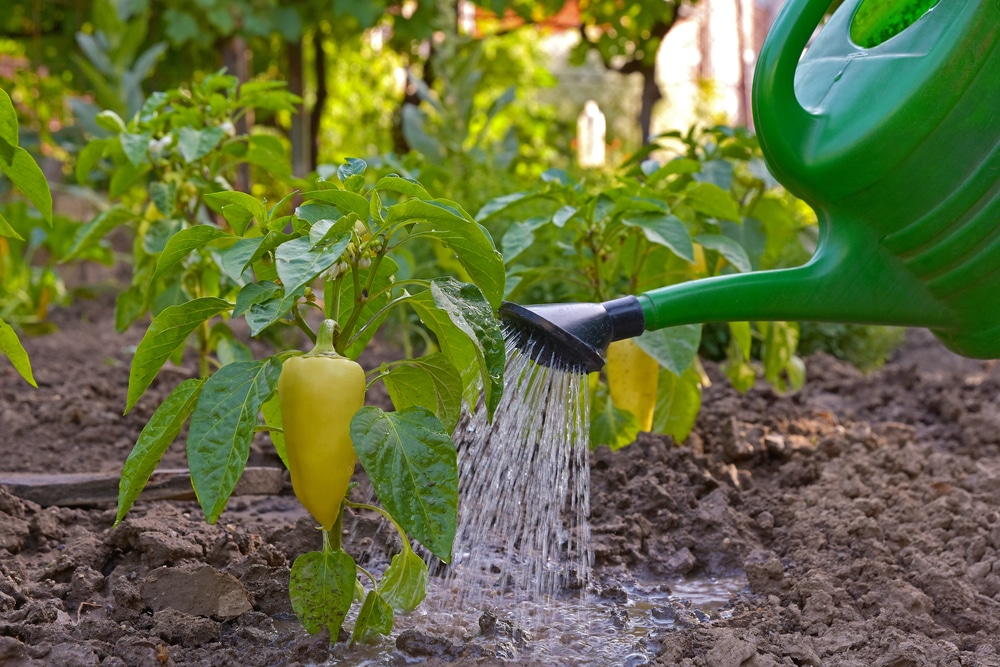
Excessive watering of pepper plants can lead to detrimental consequences such as root rot and increased susceptibility to pests and diseases. When pepper plants are overwatered, the roots can become waterlogged, leading to a lack of oxygen and nutrient uptake. This waterlogged environment creates the perfect conditions for root rot to develop, weakening the plant’s overall health and defense mechanisms. As a result, overwatered pepper plants may display symptoms like wilting leaves, yellowing foliage, and eventually holes in the leaves due to the plant’s diminished ability to fight off pests and diseases.
To prevent overwatering, it is crucial to ensure proper drainage in the soil to allow excess water to escape. Monitoring the soil moisture levels regularly and adjusting the watering frequency accordingly can help maintain the optimal moisture levels for pepper plants. By avoiding overwatering, you can help your pepper plants thrive and reduce the risk of holes in their leaves caused by weakened defenses.
3. Root Rot
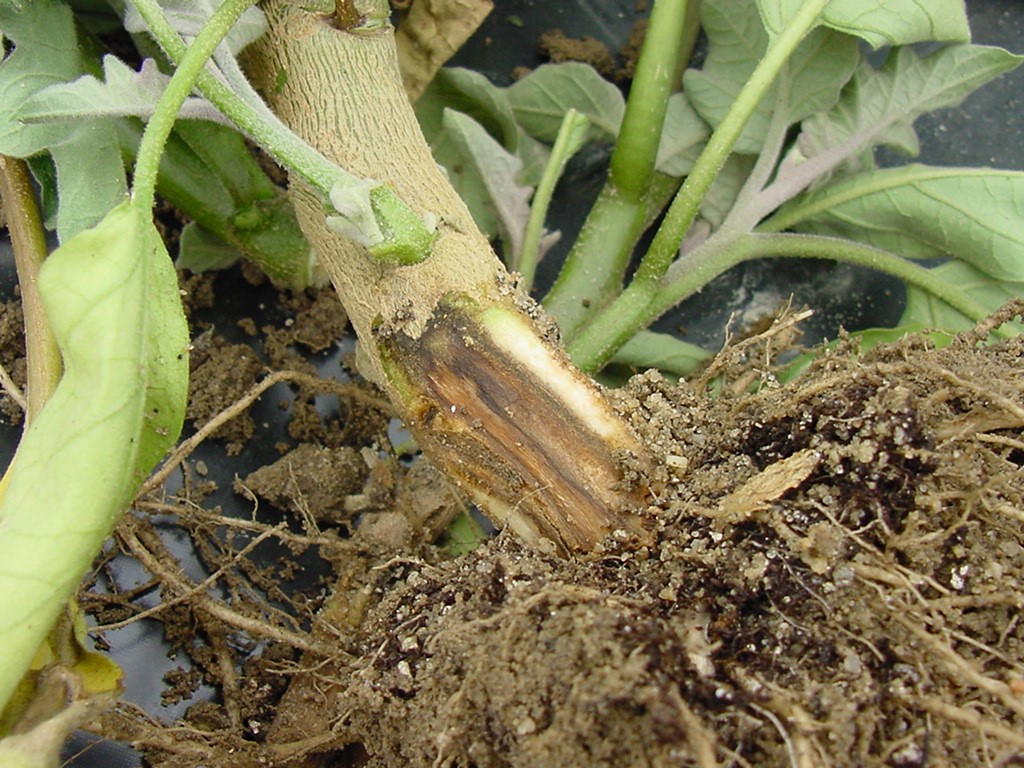
Root rot in pepper plants is a common issue caused by waterlogged soil, leading to root suffocation and decay. When roots are deprived of oxygen due to excessive moisture, they become vulnerable to pathogens like Pythium, Phytophthora, and Rhizoctonia, which further exacerbate the problem. Symptoms of root rot include wilting, yellowing leaves, stunted growth, and a foul odor emanating from the affected plant.
To prevent root rot, ensure proper drainage in your pepper plant’s growing area. Opt for well-draining soil and avoid overwatering, as excessive moisture creates a favorable environment for root rot pathogens to thrive. If you suspect root rot in your plants, promptly trim affected roots, replant in fresh soil, and adjust your watering practices to promote recovery.
4. Environmental Stress

Amid various factors that can lead to holes in pepper plant leaves, environmental stress plays a significant role in compromising the plant’s health and appearance. Extreme temperatures, inadequate watering, lack of proper sunlight exposure, excessive heat, and soil moisture level imbalances are all forms of environmental stress that can result in holes in pepper plant leaves. When pepper plants are subjected to environmental stressors, they become more vulnerable to damage and disease, making it essential to address these issues promptly.
Inadequate watering, whether it be underwatering or overwatering, can lead to stress that manifests as holes in the leaves of pepper plants. Similarly, exposure to extreme temperatures or insufficient sunlight can weaken the plant’s defenses, making it more susceptible to damage such as holes in the leaves. It is crucial to monitor and regulate environmental conditions to ensure the optimal health and growth of pepper plants, preventing the occurrence of holes in their leaves.
5. Excessive Light

Regularly monitoring the light exposure your pepper plants receive is crucial for maintaining their health and preventing damage to the leaves. Excessive light can be detrimental to pepper plants, leading to issues like leaf holes. Here are some key points to consider:
- Excessive light exposure can result in sunburn on the leaves, causing brown or white patches to develop.
- Leaves may show signs of stress by curling or becoming crispy, particularly on hot summer days with intense sunlight.
- Providing shade during peak sunlight hours or using shade cloth can help filter out excessive light and prevent leaf damage.
- Adjusting the positioning of your pepper plants to receive filtered or indirect light can significantly reduce the risk of issues related to excessive light exposure.
6. Nutrient Deficiencies

Nutrient deficiencies in pepper plants can result in the development of holes in their leaves. Lack of essential nutrients such as nitrogen, phosphorus, potassium, and calcium can weaken the plant’s natural defenses, making them more vulnerable to pest attacks. Symptoms of nutrient deficiencies in pepper plants may manifest as yellowing, browning, or stunted growth. To address these issues, soil testing is crucial in identifying specific deficiencies and guiding targeted fertilizer application. Maintaining a balanced soil fertility regimen is paramount to prevent nutrient-related problems in pepper plants.
| Nutrient Deficiency | Effects on Pepper Plants |
|---|---|
| Nitrogen deficiency | Stunted growth, pale leaves |
| Phosphorus deficiency | Dark green leaves, purplish discoloration |
| Potassium deficiency | Brown scorching on leaf edges, weak stems |
7. Calcium Deficiency

Addressing calcium deficiency in pepper plants is vital as it can lead to blossom end rot, stunted growth, and weak cell walls. Symptoms of calcium deficiency include yellowing leaves, leaf curling, and distorted fruit development. Adequate calcium uptake is crucial for proper fruit formation and overall plant health. Correcting calcium deficiency may involve adding calcium-rich amendments like gypsum or lime to the soil. Maintaining consistent soil pH levels and avoiding excessive use of high-potassium fertilizers can help prevent calcium deficiency in pepper plants.
- Calcium deficiency in pepper plants can result in blossom end rot, affecting fruit quality.
- The lack of calcium can cause the plant’s cell walls to weaken, leading to structural issues.
- Yellowing leaves are a common indicator of calcium deficiency in pepper plants.
- Distorted fruit development, such as misshapen peppers, is another sign of inadequate calcium levels in the plant.
8. Aphids Feeding

Aphids feeding on pepper plants can result in visible damage such as puckering, yellowing, and distortion of leaves due to their sap-sucking activity. These small insects not only physically damage the plant but also secrete honeydew, a sticky substance that can lead to the growth of sooty mold on the pepper plants. Aphids reproduce rapidly, making it crucial to detect and control them early on. You can combat aphids by using insecticidal soap, neem oil, or by introducing natural predators like ladybugs to your garden.
| Aphids Feeding Facts | |
|---|---|
| Damage Caused | Puckering, yellowing, distortion of leaves |
| Sooty Mold Promotion | Honeydew secretion can lead to sooty mold growth |
| Reproduction Rate | Rapid reproduction requires early control |
| Control Methods | Insecticidal soap, neem oil, natural predators |
Neem oil, derived from the seeds of the neem tree, is a natural and effective way to control aphids on your pepper plants. It disrupts their feeding and growth, offering a safe alternative to chemical pesticides.
9. Slugs Feeding

Slugs, as gastropod pests, are known for creating large, irregular holes in pepper plant leaves. These holes have smooth edges and are typically found towards the center of the leaves. To identify slug feeding, look for trails of silvery slime left behind, a telltale sign of their presence on pepper plants. Control measures for slugs and snails include using products like Corrys Slug & Snail Killer pellets in the garden. Slugs tend to make irregular holes away from the edges of the leaves, causing significant damage if left unchecked.
- Slugs and snails are gastropods that leave small holes in pepper plant leaves.
- The holes made by slugs have smooth edges and are usually located in the center of the leaves.
- Silvery slime trails are often seen where slugs have been feeding on pepper plants.
- Using slug and snail control products can help prevent further damage to the pepper plants.
10. Beetles Feeding

Beetles, such as Colorado potato beetles and flea beetles, are known to feed on pepper plant leaves, causing small round holes to form. Colorado potato beetles leave behind distinct feeding patterns on the leaves, often accompanied by dark excrement. On the other hand, flea beetles create tiny, scattered holes across the pepper plant leaves, impacting the overall growth of the plants.
To combat beetle infestations and protect your pepper plants, consider using organic insecticides like pyrethrin. Hand-picking beetles off the plants can also be an effective control method. Early detection of beetle feeding damage is crucial in preventing extensive destruction of the leaves. By monitoring your plants regularly, you can intervene promptly and safeguard your pepper plants from significant harm caused by these voracious beetles.
11. Caterpillars Feeding
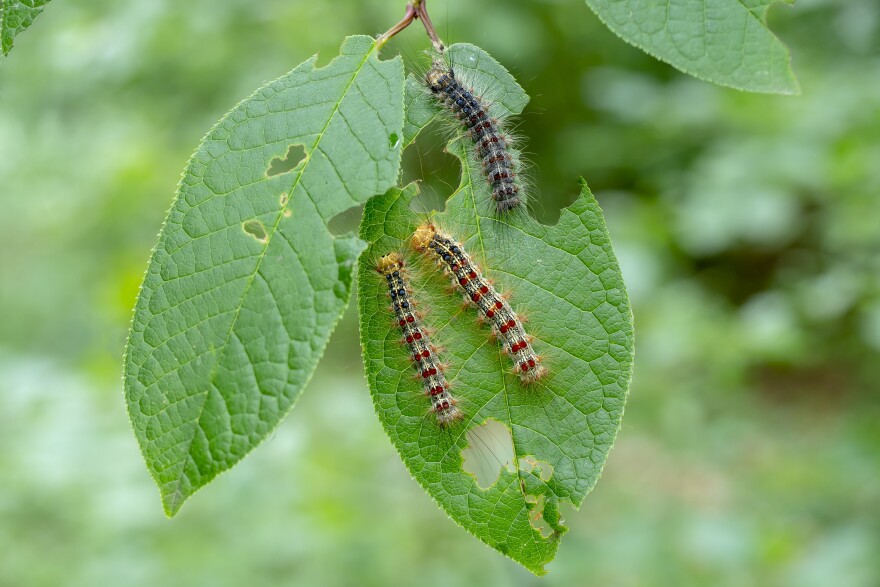
Caterpillars, the larvae of moths and butterflies, are common pests that feed on pepper plant leaves, often leaving behind rough-edged holes. When caterpillars infest pepper plants, they exhibit specific feeding behaviors and leave noticeable indicators of their presence. Here are some key points to help you identify and address caterpillar feeding on your pepper plants:
- Caterpillars vary in size and tend to feed on the edges and centers of pepper plant leaves, causing distinct damage.
- Look for rough-edged holes on the leaves, along with dark fecal droppings near the affected areas, as these are signs of caterpillar feeding.
- Control caterpillar infestations by using products like Sevin Ready to Use or Sevin Insect Killer to prevent further damage to your pepper plants.
- Be vigilant in monitoring your plants, as damage from caterpillars can escalate quickly, especially when multiple caterpillars are present and actively feeding on the leaves.
12. Flea Beetles Feeding
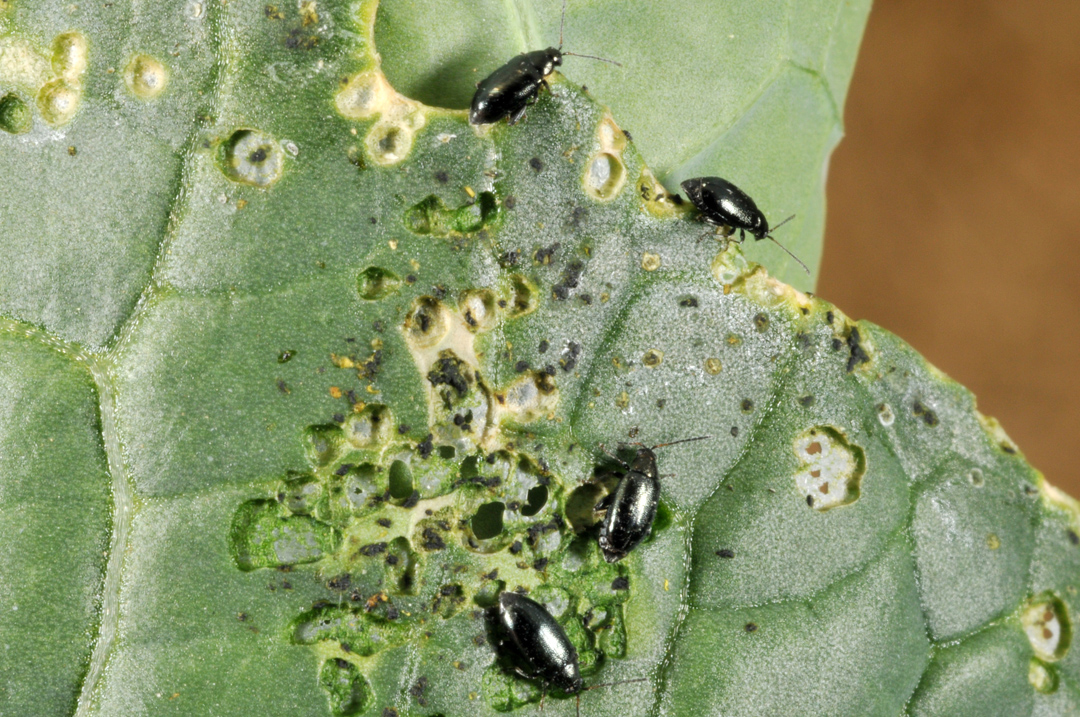
Flea beetles, small jumping insects known for their feeding habits on pepper plant leaves, cause distinct damage characterized by tiny round holes. These dark-colored beetles with enlarged hind legs feed on the leaves, resulting in multiple small perforations that can harm the overall health and growth of pepper plants. To combat flea beetles, consider using insecticidal soaps or neem oil, or employing row covers to shield the plants. Regularly inspecting the plants and taking preventive actions like removing weeds and garden debris can also help reduce flea beetle populations in the area. When dealing with flea beetles, a simple solution of soapy water sprayed on the leaves can act as a deterrent. Here is a table outlining some key points about flea beetles:
| Aspect | Details |
|---|---|
| Appearance | Small, dark-colored with enlarged hind legs |
| Feeding Behavior | Causes tiny round holes on pepper plant leaves |
| Control Methods | Insecticidal soaps, neem oil, row covers |
| Prevention | Remove weeds and debris to reduce populations |
13. Stink Bugs Feeding

Stink bugs, known for their destructive feeding habits on pepper plants, puncture the skin to extract juices, resulting in visible surface damage and decay. When these pests target your pepper plants, they leave behind a trail of damage that can significantly impact your harvest. Here’s what happens when stink bugs feed:
- Stink bugs feed on pepper plants by piercing the skin and sucking out the juices, causing surface-level damage and rot.
- They leave small, circular holes in the peppers, leading to a decrease in quality and market value.
- Stink bugs inject enzymes while feeding, causing the surrounding tissue to decay and creating a foul odor.
- Early detection and control measures are crucial to prevent stink bugs from damaging pepper plants and fruits.
To safeguard your pepper plants from the ravages of stink bugs, proactive measures like using traps, insecticides, or natural predators can be instrumental in managing stink bug populations and preserving the health of your plants.
14. Pest Issues
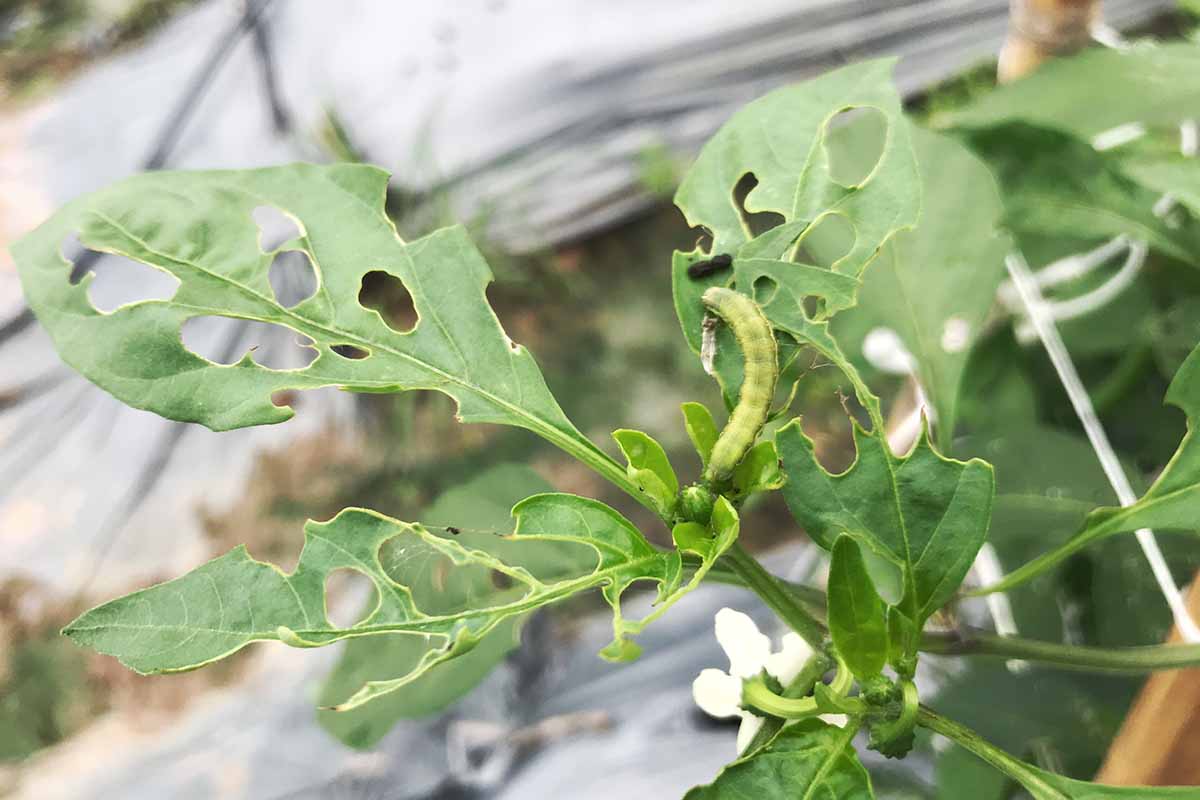
Various pests can cause distinct types of damage to pepper plant leaves, ranging from large irregular holes to smaller diverse holes with rough edges. Sucking insects like aphids and whiteflies focus on tender new growth, creating seeping holes, yellow spots, and sticky honeydew on pepper plant leaves. On the other hand, fungal diseases such as leaf spot and powdery mildew start as small spots and eventually lead to the formation of holes, displaying yellow, discolored areas with fuzzy growth on pepper leaves.
To help you identify the pests causing damage to your pepper plants, here is a table summarizing the characteristics of common pests:
| Pest Type | Damage Description |
|---|---|
| Sucking Insects | Seeping holes, yellow spots, sticky honeydew on leaves |
| Fungal Diseases | Small spots spreading to form holes, yellow, discolored spots, fuzzy growth on leaves |
15. Prompt Pest Control

Taking immediate action through prompt pest control measures is crucial in safeguarding your pepper plants from further damage caused by insects like caterpillars, beetles, and slugs. To effectively address pest issues, consider the following strategies:
- Identify the Culprit: Pinpoint the specific pest responsible for the holes in your pepper plant leaves, such as Japanese beetles or caterpillars, to tailor your control efforts accordingly.
- Use Targeted Treatments: Employ organic or chemical insecticides to combat the identified pests and prevent them from causing more damage.
- Regular Monitoring: Keep a close eye on your pepper plants for signs of pest infestations and hole formation, enabling early detection and intervention.
- Preventive Measures: Implement protective measures to deter pests, such as practicing crop rotation and maintaining plant hygiene to reduce the risk of diseases like Bacterial spot. By staying proactive and taking swift action, you can help preserve the health and productivity of your pepper plants.