

Select low nitrogen fertilizers like NutriGreen 0-0-4 and BioBoost 5-3-0 for balanced growth. In fall, aid tree health and growth processes while preventing deficiencies. Boost root development with low nitrogen to enhance nutrient uptake. Prepare for winter by strengthening roots and maintaining soil pH. Optimize plant health by supporting root growth and fruit production. For lawns, prioritize balanced growth with low nitrogen options. Organic fertilizers offer sustained nutrition and soil health benefits. Prioritize root development in grass with phosphorus and potassium. In summer, support fruiting with less nitrogen. Manage grass nitrogen levels for disease resilience. Additional insights await on low nitrogen fertilizer varieties and applications.
1. Benefits of Low Nitrogen Fertilizers
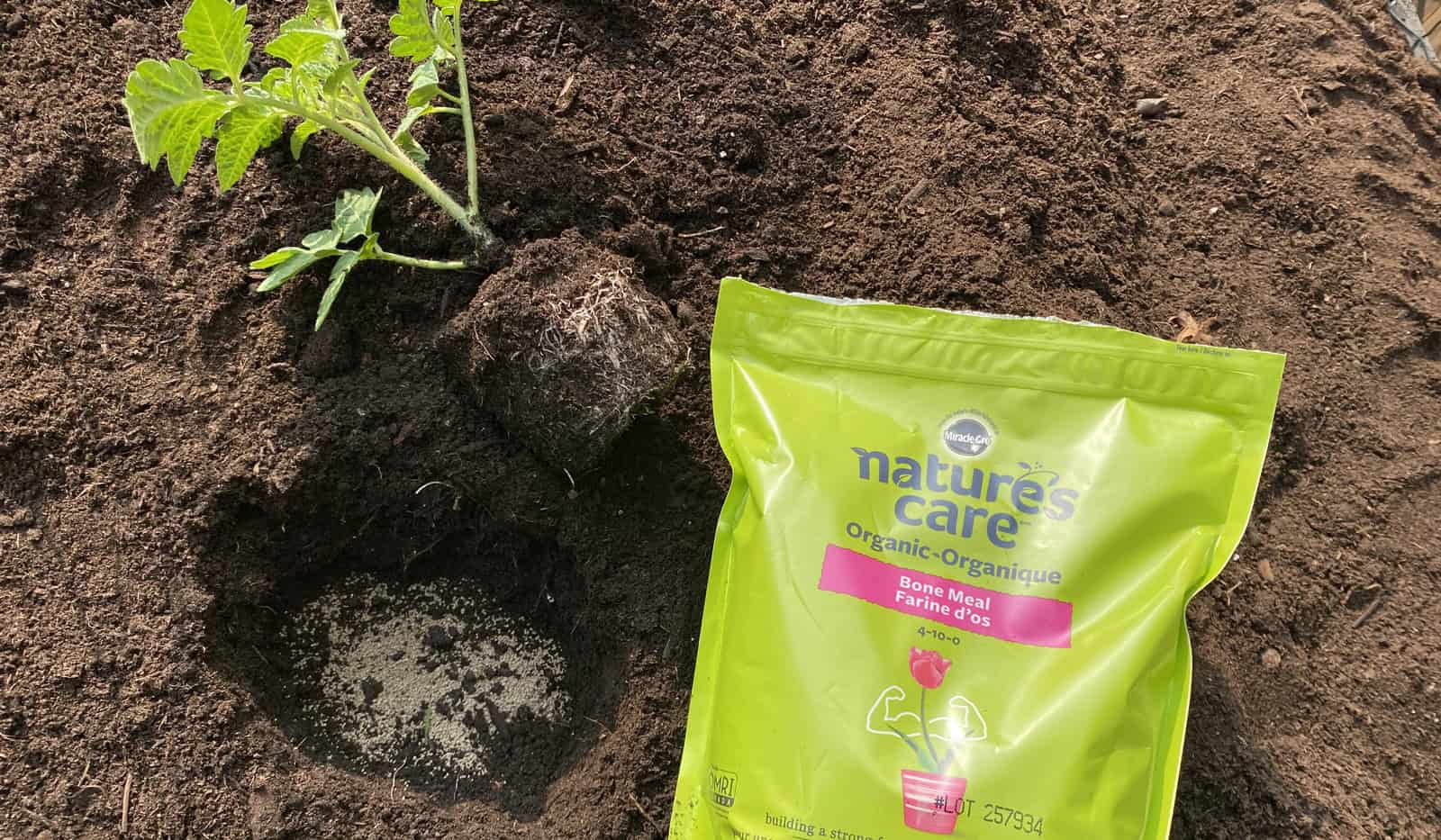
Using low nitrogen fertilizers offers several advantages for plant growth and development. These fertilizers are crucial in promoting balanced growth by reducing excessive foliage development. By providing the necessary nutrients without an excess of nitrogen, low nitrogen fertilizers support the overall health of plants, particularly by preventing issues like legginess in herbs. Additionally, for established lawns, these fertilizers are ideal as they help maintain health without stimulating excessive leaf growth. Moreover, plants that receive too much nitrogen may end up producing fewer fruits or flowers, making low nitrogen fertilizers especially beneficial for fruiting and flowering plants.
When it comes to the root systems of plants, low nitrogen fertilizers play a vital role in ensuring their proper development. By minimizing excessive nitrogen levels in the soil, these fertilizers encourage plants to focus on root growth, which is essential for overall plant health and stability. Therefore, incorporating low nitrogen fertilizers into your gardening routine can lead to healthier plants with stronger root systems and better fruit or flower production.
2. Fall Season Fertilizer Recommendations

Fall season fertilization recommendations for optimal tree health and growth include ensuring the proper nitrogen levels are supplied to support vascular development during this critical period. Nitrogen is a key component required by trees during the fall season, as it aids in essential cellular growth processes. Insufficient nitrogen levels can impede the first flush in deciduous trees and negatively impact overall plant health. Using fertilizers with adequate nitrogen content is crucial to prevent deficiencies and promote vigorous growth. While low nitrogen fertilizers can be beneficial during this time, it is important to ensure that trees receive sufficient nitrogen to support their developmental needs. Nitrogen plays a vital role in foliar and vascular growth, making it indispensable for maintaining plant health in the fall. By selecting fertilizers with the right balance of nutrients, including nitrogen, you can help your trees thrive and prepare them for the upcoming seasons.
3. Root Growth Promotion With Low Nitrogen
Low nitrogen fertilizers play a crucial role in promoting root growth by stimulating plants to allocate their energy towards developing a robust root system. These fertilizers are essential for establishing a strong foundation for plants to enhance their ability to absorb nutrients and water efficiently. By focusing on root growth, low nitrogen fertilizers support overall plant health and resilience, particularly benefiting young plants and newly established landscapes. The table below highlights the key benefits of using low nitrogen fertilizers for promoting root growth:
| Benefits of Low Nitrogen Fertilizers for Root Growth |
|---|
| Encourages robust root system development |
| Supports nutrient uptake and water absorption |
| Enhances plant health and resilience |
| Helps plants adapt to environmental stressors |
Incorporating low nitrogen fertilizers into your plant care routine can significantly improve root growth, enabling your plants to thrive even in challenging conditions. By prioritizing root development, you are setting the stage for healthy and resilient plant growth.
4. Winter Preparation Using Low Nitrogen

Prepare your plants for winter by utilizing fertilizers with low nitrogen content to enhance root growth and nutrient storage. Organic fertilizers with low nitrogen levels are particularly beneficial for winter preparation, as they provide essential nutrients without stimulating excessive above-ground growth. When selecting a low nitrogen fertilizer for winter application, consider the soil pH of your garden. Most organic fertilizers help maintain a balanced soil pH, which is crucial for optimal nutrient uptake by plants during the winter months. Applying low nitrogen fertilizers in late fall allows plants to focus on strengthening their root systems, increasing their ability to withstand harsh winter conditions. By promoting root growth and storing nutrients effectively, plants become more resilient to frost damage and emerge healthier in the spring. Make sure to follow the recommended application rates for the specific type of organic fertilizer you choose, to ensure your plants receive the right amount of nutrients for winter preparation.
5. Strategic Use for Plant Health
Strategically incorporating low nitrogen fertilizers in your plant care regimen can significantly enhance overall plant health and productivity. These fertilizers play a crucial role in promoting root growth, preventing excessive leafy growth, and encouraging fruit or flower production. By using low nitrogen fertilizers strategically, you can maintain a balanced nutrient profile in the soil, which is essential for the long-term health of your plants.
When considering the strategic use of low nitrogen fertilizers, it’s important to understand their impact on organic matter and soil micro-organisms. These fertilizers support the growth of beneficial soil micro-organisms that aid in nutrient uptake by plants. Additionally, they contribute to the improvement of soil organic matter, which is vital for creating a healthy soil environment for plant growth.
To illustrate the benefits of strategic use, consider the following table:
| Benefits of Strategic Use of Low Nitrogen Fertilizers |
|---|
| Promotes root growth |
| Prevents excessive leafy growth |
| Supports fruit or flower production |

6. Resilience and Nutrient Support
Enhancing plant resilience and providing essential nutrient support are critical aspects of utilizing low nitrogen fertilizers in horticultural practices. Low nitrogen fertilizers play a significant role in promoting root growth, which is essential for overall plant health and resilience. These fertilizers are particularly beneficial when applied during the fall season as they support vascular growth and nutrient accumulation before plants enter dormancy.
When combined with organic materials, low nitrogen fertilizers can further enhance their effectiveness. Organic substrates have been found to improve soil acidity and nutrient retention, creating a more favorable environment for plant growth. It is important to ensure adequate watering when using low nitrogen fertilizers and organic materials to maintain their efficacy and support nutrient uptake by plants.
Additionally, the inclusion of zeolite in substrates may influence soil pH and water acidity levels. Therefore, a balanced approach to substrate selection is necessary to optimize the benefits of low nitrogen fertilizers and organic materials for plant resilience and nutrient support.
7. Nitrogen Content in Grass Fertilizers
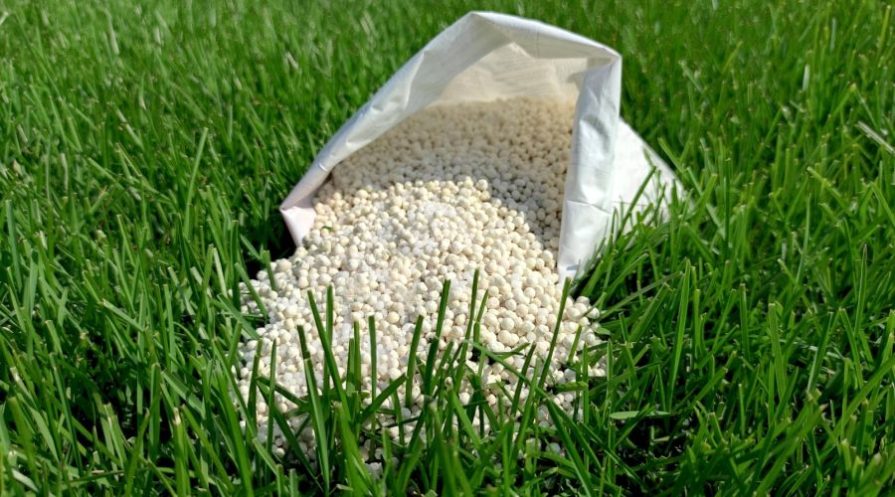
The nitrogen content in grass fertilizers is a key factor indicated by the first number on the packaging, highlighting the percentage of nitrogen present in the fertilizer. Understanding this content is crucial for proper lawn care. Here are some key points to consider:
- Low-Nitrogen Fertilizers: These products contain a lower percentage of nitrogen, making them suitable for established lawns where balanced growth is desired without excessive leafy expansion.
- Organic vs. Synthetic: Organic fertilizers generally have lower nitrogen concentrations than synthetic options. However, they offer slow-release benefits, enriching the soil over time.
- Fruit and Flower Production: Using low-nitrogen fertilizers can direct plant energy towards fruit and flower production, preventing overly lush foliage growth.
- Tailored Lawn Care: By selecting fertilizers with the appropriate nitrogen content, you can customize your lawn care routine to meet the specific needs of your grass, promoting healthy and vibrant growth while avoiding potential issues associated with excessive nitrogen levels.
8. Lawn Fertilizer Options

Options for lawn fertilizers vary in nitrogen content, with low nitrogen fertilizers being a suitable choice for maintaining balanced growth in established lawns. These fertilizers, like 5-10-10 or 0-0-4 blends, help promote healthy growth without an excess of nitrogen, which can lead to excessive foliage at the expense of other plant aspects. For a dark green lawn without the risk of nitrogen burn, NutriGreen 0-0-4 fertilizer is a solid option. If you prefer organic choices, BioBoost 5-3-0 provides slow-release nutrients that aid in enhancing soil quality over time. Here is a comparison table of some low nitrogen fertilizer options:
| Fertilizer | N-P-K Ratio | Benefits |
|---|---|---|
| NutriGreen 0-0-4 | 0-0-4 | Promotes dark green color without excess nitrogen |
| BioBoost 5-3-0 | 5-3-0 | Organic, slow-release nutrients for soil improvement |
| Other 5-10-10 | 5-10-10 | Balanced growth for established lawns |
| Other 0-0-4 | 0-0-4 | Helps focus on fruit or flower production |
9. Organic Low Nitrogen Fertilizers
Utilizing organic low-nitrogen fertilizers can significantly benefit soil health and plant growth due to their natural composition and slow release of essential nutrients. These fertilizers are derived from natural substances without the addition of chemicals, making them ideal for promoting overall plant health. Here are some key points to consider when using organic low-nitrogen fertilizers:
- Nutrient-Rich Soil: Organic low-nitrogen fertilizers contribute essential nutrients to the soil, supporting plant growth without causing nitrogen imbalances.
- Slow Nutrient Release: The nitrogen in organic fertilizers is less readily available to plant roots compared to synthetic fertilizers, ensuring a gradual release of nutrients over time.
- Soil Organism Activity: Soil organisms play a crucial role in breaking down organic material within these fertilizers, releasing nitrogen slowly and steadily for sustained plant nutrition.
- Balanced Plant Nutrition: Choosing organic materials with a high carbon to nitrogen ratio can help maintain a low nitrogen release, promoting balanced plant nutrition and optimal growth.
10. Fertilizer Selection for Grass Roots
Consider grass root health by selecting low nitrogen fertilizers that prioritize root development over excessive foliage growth. Fertilizers contain varying levels of essential nutrients, and it’s crucial to choose products with enough nitrogen to support overall plant health without promoting too much top growth. When selecting fertilizers for grass roots, opt for formulations with lower nitrogen content and higher proportions of phosphorus and potassium. These nutrients play a vital role in promoting strong root systems and improving the plant’s ability to withstand stressors like drought or foot traffic.
Low nitrogen fertilizers are designed to provide a balanced nutrient supply that encourages root growth while limiting excessive leaf development. By focusing on root development, these fertilizers help establish robust and resilient grass that can better absorb water and nutrients from the soil. For established lawns that do not require additional nitrogen for leafy growth, choosing the right fertilizer with lower nitrogen content is essential for promoting long-term grass root health and overall vitality.

11. Nitrogen Application in Summer
During the summer months, adjusting nitrogen applications is crucial to support plant growth and health. When considering nitrogen application in summer, keep in mind that plants often require less nitrogen during this time to prioritize fruit and flower production over excessive foliage growth. Utilizing low-nitrogen fertilizers can help prevent this unwanted foliage growth and promote a more balanced development. Moreover, the summer heat can stress plants, making them more sensitive to high nitrogen levels, which can lead to issues such as burning or nutrient imbalances. By using low-nitrogen fertilizers during the summer, you can mitigate these risks and support overall plant health. Remember to assess the specific needs of your plants before deciding on the appropriate nitrogen application approach for the summer season.
- Plants need less nitrogen in summer for fruit and flower production.
- Low-nitrogen fertilizers prevent excessive foliage growth.
- Summer heat stresses plants, increasing their sensitivity to high nitrogen levels.
- Using low-nitrogen fertilizers promotes balanced growth and overall plant health.
12. Managing Nitrogen Levels for Grass
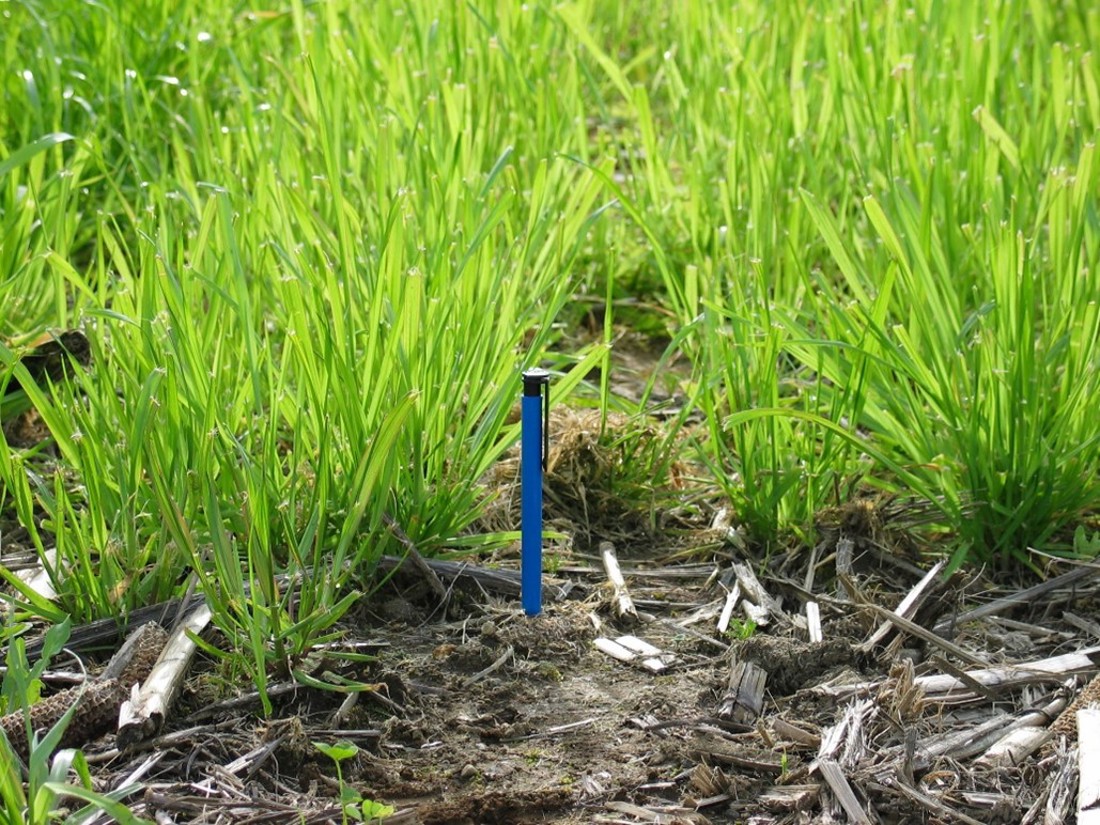
To effectively manage nitrogen levels in grass, prioritize the use of low-nitrogen fertilizers to prevent excessive foliage growth and promote balanced development. Low nitrogen fertilizers contain reduced nitrogen percentages compared to standard fertilizers, allowing grass plants to allocate more energy towards root development and overall health. By using these fertilizers, grasses can become more resilient to diseases like snow mold and dollar spot, as lower nitrogen levels create an environment less conducive to these issues. It is crucial to apply low nitrogen fertilizers strategically during specific periods to ensure optimal growth and health in grass plants. By incorporating low nitrogen fertilizers into your lawn care routine, you can maintain nitrogen levels at an appropriate balance, supporting the long-term vitality of your grass while minimizing the risks associated with excessive foliage growth. Prioritizing the use of low nitrogen fertilizers is key to achieving healthy and resilient grass plants.