

Looking to grow a thriving garden effortlessly? Try these 15 easy-to-grow climbing vegetable plants: Pole Beans, Cucumbers, Peas, Tomatoes, Melons, Summer Squash, Tomatillos, Yardlong Beans, Cucamelons. With visual guidance, jumpstart your vertical gardening journey successfully. Each plant offers unique benefits from support structures for cucumbers to space-saving advantages of melons. Delight in chayote’s extended harvest, loofah’s natural scrubbing prowess, and hops’ rapid growth. Embrace Malabar Spinach’s heat-loving nature, Rocoto Pepper’s fiery flavor, and Winter Squash’s bountiful yield. Discover compact Summer Squash varieties and the slender profile of Yardlong Beans. Trust gardening can be both easy and rewarding.
1. Pole Beans
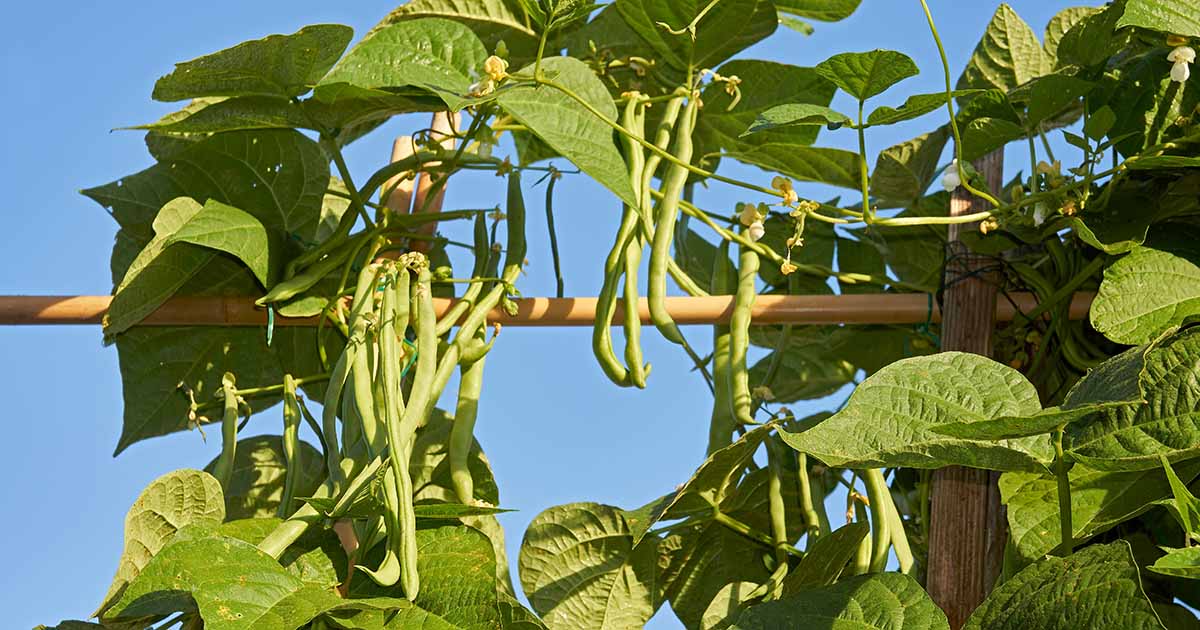
Pole beans, also known as Phaseolus vulgaris, are a popular climbing vegetable plant that offers a long harvest period and versatility in culinary uses. These vining varieties of pole beans are ideal for vertical gardening due to their climbing nature. With the right support, such as teepee-style bamboo stakes or wire fencing, pole beans can thrive and produce an abundant harvest.
The beauty of pole beans lies in their ability to grow vertically, making them perfect for small spaces or gardeners looking to maximize their yield. By constructing DIY trellises, you can provide the necessary structure for pole beans to climb and flourish. As they reach for the sun, their vibrant green leaves and delicate white flowers create a picturesque scene in your garden.
When it comes to culinary uses, pole beans can be enjoyed fresh in salads, soups, and stews. Their tender texture and mild flavor make them a versatile addition to a variety of dishes, adding a nutritious and delicious touch to your meals.
2. Cucumbers

When growing cucumbers, it’s crucial to select vining varieties for vertical growth as they naturally produce tendrils for support. Creating a trellis system ensures efficient use of space and easier maintenance, allowing the cucumbers to thrive. Strong support structures are essential for guiding the cucumber vines upwards and preventing them from sprawling.
Cucumber Varieties

For optimal vertical growth in your garden, selecting the right cucumber varieties is essential to ensure a successful climbing vegetable plant experience. When choosing cucumber plants for your trellis, consider the following:
- Vining Varieties: Opt for cucumber varieties specifically labeled as vining vegetables. These varieties are naturally inclined to climb, making them perfect for vertical growth on a trellis.
- Bush Varieties: Avoid bush cucumber varieties if you are aiming for vertical growth. These types are more suited for ground growth and may not thrive when trained to climb a trellis.
- Seedless Varieties: Seedless cucumber varieties are popular for their crisp texture and lack of large seeds. Look for seedless vining varieties to enjoy delicious cucumbers without the hassle of removing seeds.
- Pickling Varieties: If you enjoy pickling cucumbers, choose pickling cucumber varieties that are suitable for vertical growth. These varieties are typically more compact and well-suited for trellising while providing an abundance of cucumbers for pickling or fresh consumption.
Growing Conditions
Cucumbers require consistent warmth and ample sunlight to thrive and produce an abundant harvest. These climbing vegetables excel in warm climates where they can bask in full sun exposure. When growing cucumbers, ensure they have sturdy support structures, such as trellises, for their vertical growth. Vining cucumber varieties are particularly suited for vertical climbing and can be trained to grow upwards with ease.
To summarize the essential growing conditions for cucumbers, refer to the table below:
| Growing Condition | Description |
|---|---|
| Sunlight | Cucumbers need at least 6-8 hours of full sunlight daily to thrive and bear fruits. |
| Temperature | Optimal growth occurs in temperatures between 70-85°F (21-29°C) with consistent warmth. |
| Support Structures | Provide sturdy support like trellises for vertical growth, ensuring the vines have proper anchorage. |

Support Structures
Vertical gardening with sturdy trellises benefits cucumbers by providing ample support for their climbing tendencies, optimizing space efficiency in your garden. Here are some key points to consider when setting up support structures for vining cucumbers:
- Vining Varieties: Choose vining cucumber varieties as they naturally produce tendrils that help them climb and thrive on trellises.
- Harvesting Ease: Training cucumbers on trellises not only makes harvesting easier but also promotes healthier, straighter fruits due to better air circulation and reduced contact with the ground.
- Space Optimization: Growing cucumbers vertically allows for better space utilization, enabling other crops in your garden to have more room to grow and flourish.
- Trellis Design: Select a trellis design that suits the specific needs of cucumber vines, ensuring they have proper guidance and support for maximum growth potential. Opting for sturdy materials and a design that facilitates easy vine training will benefit your cucumbers in the long run.
3. Peas

Wondering how peas thrive in cooler weather and climb without assistance? Peas are cool-weather vegetables that thrive in the early spring. They feature tendrils that naturally seek out trellises for support as they grow, making them excellent candidates for vertical gardening. Growing peas on trellises not only saves space but also promotes healthier plants and easier harvesting. Check out the table below for a quick reference on growing peas:
| Aspect | Details | Tips |
|---|---|---|
| Planting Time | Early spring | Direct sow when soil is workable |
| Support | Trellises | Ensure sturdy support structure |
| Sun Exposure | Full sun | Provide at least 6 hours of sun |
| Watering | Evenly moist soil | Mulch to retain soil moisture |
| Harvesting | Regularly pick ripe peas | Encourages more pod production |
Maximize your pea harvest by planting them early, providing adequate support, sunlight, and water. Enjoy fresh, delicious peas straight from your vertical garden!
4. Tomatoes

You can maximize your tomato harvest by growing them vertically, which helps prevent stem breakage and diseases. Training indeterminate tomato varieties on a sturdy trellis and pinching out side suckers are crucial for successful growth. Different types and sizes of tomatoes can be grown vertically, offering a variety of flavorful and textured options for your garden.
Tomato Varieties
Selecting the right tomato variety is crucial for successful vertical gardening, ensuring a productive and flavorful harvest. When choosing tomato varieties for vertical growth, consider the following:
- Indeterminate Varieties: Opt for indeterminate tomato varieties as they have a longer growing season, continuously producing fruit until the first frost. These varieties are ideal for vertical gardening as they keep growing upward, providing a bountiful harvest throughout the season.
- Training Techniques: Proper training is essential for vertical tomato plants. Train the vines to grow upwards by tying them to a sturdy trellis or support system. This helps prevent the plant from sprawling and makes it easier to manage.
- Pruning Side Suckers: Regularly prune side suckers from indeterminate tomato plants to focus energy on fruit production rather than excessive foliage growth. This practice promotes better airflow and sunlight exposure, reducing the risk of diseases.
- Culinary Versatility: Vertical gardening with tomatoes offers a variety of shapes and sizes, allowing you to experiment with different culinary uses such as salads, sauces, and canning. Choose tomato varieties that suit your cooking preferences to make the most of your harvest.
Growing Tips
To maximize the growth and productivity of your vertical tomato plants, employing proper techniques is essential. When it comes to growing tomatoes on a trellis, ensuring the structure is sturdy and the vines are properly trained is crucial for a successful harvest. Here are some tips to help you achieve an abundant crop:
| Tip | Description | Benefits |
|---|---|---|
| Use a Sturdy Trellis | A strong support system is essential to prevent the plants from toppling over as they grow. | Prevents stem breakage and diseases. |
| Train Vines Regularly | Guide the vines to climb the trellis by gently tying them as they grow to encourage upward growth. | Allows for better air circulation. |
| Prune Wisely | Regularly remove suckers and excess foliage to promote healthier plants and larger fruit production. | Increases sunlight exposure to the fruits. |
5. Melons

When growing melons in your garden, trellising them can provide numerous benefits.
- Space Saving: By training melon vines to climb a trellis, you can maximize your garden space, allowing for more plants in a smaller area.
- Pest and Disease Reduction: Elevating melon plants off the ground can help reduce pest infestations and diseases that often occur when fruits come into contact with soil.
- Easier Harvesting: Growing melons on a trellis makes it simpler to spot and harvest ripe fruits, saving you time and effort in the garden.
- Support for Fruit: Sturdy trellises are crucial for bearing the weight of melons as they grow. Proper support ensures that the fruits develop evenly without being damaged.
Incorporating trellising and training techniques into your melon growing process can lead to healthier plants, more efficient use of space, and a bountiful harvest of delicious fruits like cantaloupe and watermelon. Explore different trellis designs and methods to find the best fit for your garden and enjoy the benefits of vertical melon gardening.
6. Chayote

Consider adding a versatile and easy-to-grow climbing vegetable to your garden with chayote, a member of the gourd family. Chayote is a fantastic addition due to its minimal pest issues, extended harvesting period, and adaptability to various climates. Originating in Mexico, this climbing vegetable can be consumed raw or cooked, making it a staple in many cuisines such as Indian, Vietnamese, and Chinese.
| Chayote Facts | |
|---|---|
| Family | Gourd |
| Harvest Period | Extended |
| Climate | Adaptable |
| Cuisine | Indian, Vietnamese, Chinese |
Chayote’s ability to thrive in different climates makes it an excellent choice for gardeners looking to add a reliable climbing vegetable to their repertoire. Whether you enjoy it raw in salads or cooked in stir-fries, chayote’s versatility knows no bounds. So, why not consider planting this easy-to-grow vegetable and elevate your garden’s offerings?
7. Loofah

Loofah plants, with their natural scrubbing abilities and culinary versatility, offer a unique addition to your garden. Here are some key points to consider when growing loofahs:
- Natural Scrubbers: Loofah plants are famous for their fibrous texture, making them excellent natural scrubbing tools for exfoliating the skin. Harvested and dried, they become the familiar loofah sponges found in many bathrooms.
- Culinary Delights: When picked young, loofahs are edible and a popular ingredient in Asian cuisine. They can be stir-fried, added to soups, or used in salads, offering a unique taste and texture to dishes.
- Warm Climate Lovers: Loofah plants thrive in warm climates, requiring ample sunlight and consistent warmth to flourish. It is essential to plant them in areas where they can bask in the sun and receive adequate heat.
- Trellis Support: To support the climbing nature of loofah plants, sturdy trellises are necessary. These structures provide support for the vines as they grow and help prevent the fruit from weighing down the plant.
8. Hops

Growing hops can be a rewarding experience for both beer enthusiasts and culinary enthusiasts alike. Hops are not only essential in adding a bitter flavor to beer but are also versatile in culinary applications. These climbing plants grow rapidly, making them perfect for covering fences or trellises. When grown on a trellis, hops are easier to manage and harvest for brewing or cooking purposes.
The use of a trellis is crucial for hops as they can reach impressive heights and require support for their vine-like growth. By providing a sturdy trellis, you can ensure that the hops grow efficiently and produce ample cones for brewing or culinary endeavors. The trellis also aids in keeping the plant organized and prevents it from sprawling uncontrollably.
In addition to their importance in beer production, hops can also enhance the flavor of sauces, marinades, and other dishes. The aroma and taste they impart make them a valuable addition to various recipes. Overall, growing hops on a trellis is a practical and rewarding experience for any gardening enthusiast looking to explore climbing plants with multiple uses.
9. Malabar Spinach

A heat-loving vine that thrives in warm climates, Malabar spinach is a versatile climbing vegetable commonly used in Indian cuisine. Here’s what you need to know about growing Malabar spinach:
- Not Your Average Spinach: Malabar spinach is not a true spinach but a vine that loves heat, making it perfect for warm climates.
- Impressive Lengths: This climbing vegetable can reach impressive lengths of up to 10-20 feet, so ensure you have ample vertical space for it to thrive.
- Sturdy Support: When growing Malabar spinach, provide a sturdy trellis for it to climb on. The vines are strong and will grow vertically without needing much guidance.
- Nutritious and Sustainable: As a great summer spinach alternative, Malabar spinach adds a fresh and nutritious touch to dishes. The dark green, heart-shaped leaves regrow after harvesting, making it a sustainable choice for your home garden.
With these tips, you can enjoy a bountiful harvest of Malabar spinach on your sturdy trellis.
10. Rocoto Pepper

For those seeking a fiery addition to their culinary repertoire, Rocoto peppers offer a spicy kick that can thrive in small spaces and add vibrant flavor to various dishes. These peppers, originating from South America, are known for their heat level of up to 100,000 Scovilles, making them spicier than bell peppers and perfect for creating hot sauces. In traditional South American cuisine, Rocoto peppers are cherished for their distinct flavor and fiery heat.
One of the advantages of growing Rocoto peppers is their suitability for small spaces. These plants can be cultivated in containers and encouraged to grow upwards, allowing them to maximize sunlight exposure for optimal growth. By providing proper support, Rocoto peppers can easily climb and flourish in limited spaces, making them an excellent choice for gardeners with constrained areas. Whether you’re looking to spice up your meals or experiment with hot sauce recipes, Rocoto peppers are a versatile and rewarding option for your garden.
11. Winter Squash

Winter squash varieties like acorn squash and butternut squash are versatile and flavorful additions to cooler weather dishes, perfect for roasting and incorporating into soups. When grown vertically, these climbing winter squash plants can thrive and provide a bountiful harvest for your kitchen. Here’s how to grow winter squash on a sturdy trellis:
- Vertical Growth: Winter squash, including acorn and butternut squash, can be grown vertically in containers or gardens, making efficient use of space.
- Hammock Support: As the squash matures, create hammocks using soft material like fabric or netting to support the weight of the developing fruits.
- Sturdy Trellis: Invest in a sturdy trellis system to support the vines and heavy fruits of winter squash, ensuring they grow upright and healthy.
- Abundant Harvests: With proper care and support, winter squash plants can produce an abundance of fruits, ready to be enjoyed in various culinary delights.
12. Summer Squash

Growing summer squash, such as Costata Romanesco and Tromboncino, offers a bountiful harvest and versatility in compact garden spaces. These varieties of summer squash are not only prolific in their yield but also lend themselves well to vertical gardening on trellises. By training summer squash plants to grow upwards on a trellis, you can save space and prevent the fruits from rotting on the ground. This method also helps in better air circulation around the plants, reducing the risk of diseases.
One of the advantages of growing summer squash is that they tend to be generous producers, often providing more fruit than you can consume yourself. This excess harvest can be shared with friends, family, or neighbors, fostering a sense of community and spreading the joy of homegrown vegetables. Costata Romanesco and Tromboncino are prime examples of summer squash varieties that thrive in small garden plots, making them perfect choices for those looking to grow their vegetables in limited spaces.
13. Tomatillos

Trellising tomatillos is essential due to their brittle branches for easier harvesting and improved space utilization. Tomatillos, although lacking tendrils, can be trained to climb trellises by clipping branches, enhancing their growth upwards. Here are some key points about trellising tomatillos in a vertical garden:
- Space-Saving: Growing tomatillos vertically saves space in your garden, allowing you to maximize your planting area efficiently.
- Disease Prevention: By growing tomatillos on trellises, you reduce the risk of diseases caused by soil-borne pathogens due to improved air circulation around the plants.
- Ease of Harvest: Trellising tomatillos makes it easier to harvest the fruits as they hang down, making them more accessible for picking.
- Plant Support: The trellis helps to keep the tomatillo plants upright, preventing them from bending or breaking under the weight of the fruits.
14. Yardlong Beans
To effectively grow Yardlong Beans in your vertical garden, consider their climbing nature and how they can easily scale trellises or poles. These climbing vegetables thrive when provided with vertical supports like trellis netting or sturdy poles. Yardlong beans are not only easy to grow but also act as natural pest deterrents due to their height and climbing habit. When grown vertically, harvesting becomes a breeze as the long pods hang down for convenient picking. Their slender profile makes them a perfect choice for vertical gardening, maximizing space and yield. By training them to climb trellises or poles, you can enjoy a bountiful harvest of these nutritious beans while adding a visually appealing element to your garden. Whether you are a beginner or seasoned gardener, yardlong beans are a versatile addition to any vertical garden setup, providing both practical benefits and aesthetic charm.
15. Cucamelons

When cultivating Cucamelons in your garden, consider their unique climbing nature and how they can elegantly ascend vertical structures with their delicate vines. These miniature watermelon-like fruits offer a refreshing cucumber taste with a hint of lime, making them a delightful addition to your garden. Here are some tips for growing cucamelons:
- Training: Cucamelons grow best when trained to climb vertically, so provide them with a sturdy trellis or garden structure for support.
- Aesthetic Appeal: Their climbing nature provides a unique and decorative touch to your garden, especially when they start to vine up a trellis.
- Space-Saving: Ideal for small spaces, consider growing cucamelons in containers or hanging baskets to add a whimsical element to your garden.
- Harvest and Usage: Once harvested, enjoy cucamelons fresh in salads, pickled, or as a garnish for drinks and dishes, adding a fun twist to your culinary creations.