

Elevate your plants’ vitality by utilizing essential oils strategically. Lavender reduces stress and boosts growth. Frankincense supports overall plant health. Eucalyptus aids respiratory functions and clears sinuses. Peppermint relieves headaches and aids digestion. Lemon enhances mood and acts as a natural disinfectant. Orange uplifts mood and deters insects. Lemongrass repels bugs and eases stress. Cinnamon shields against fungal infections and stimulates root growth. These oils bring a myriad of benefits to your plants, helping them thrive and flourish in unique ways.
1. Lavender: Stress Reduction and Growth

Lavender essential oil effectively reduces stress and promotes growth in plants by providing calming and protective benefits against environmental challenges. When plants face stressors like extreme temperatures or pests, their growth and overall health can be compromised. By incorporating lavender oil into your plant care routine, you can help alleviate these stressors and support your plants’ well-being.
The calming properties of lavender essential oil can soothe plants, helping them maintain a balanced and harmonious internal environment. This, in turn, can enhance their resilience and ability to thrive even in adverse conditions.
Additionally, lavender oil acts as a natural insect repellent, protecting plants from pests without the need for harsh chemicals that can harm both the plant and the environment.
2. Frankincense: Overall Plant Health Support

To support the overall health of your plants, consider incorporating frankincense essential oil into your plant care regimen.
- Promotes growth and enhances the plant’s immune system.
- Helps plants resist diseases and pests.
- Stimulates natural defenses and aids in stress relief when diluted and applied to plants.
Frankincense essential oil is derived from the resin of the Boswellia sacra tree, making it a natural plant source for enhancing your plants’ well-being.
By using essential oils like frankincense in your plant care routine, you can provide your plants with the necessary support to thrive. The properties found in frankincense oil can assist your plants in recovering from environmental stressors, maintaining vitality, and improving resilience against various challenges.
Incorporating this essential oil into your plant care regimen can contribute to healthier growth and overall plant health, ensuring your plants reach their full potential.
3. Eucalyptus: Respiratory Aid and Sinus Clearing

Incorporating eucalyptus essential oil into your plant care routine can provide respiratory aid and help clear sinuses effectively. Eucalyptus oil is renowned for its ability to ease congestion and support respiratory health.
When using essential oils like eucalyptus, it’s important to dilute them properly before application to plants. To create a respiratory aid spray, mix a few drops of eucalyptus oil with water or a carrier oil in a spray bottle.
The stimulating properties of eucalyptus oil can help open up airways, making it easier for plants to thrive in optimal conditions. Additionally, the aromatic benefits of eucalyptus oil can create a calming atmosphere for both you and your plants.
4. Peppermint: Headache Relief and Digestive Aid

Peppermint essential oil offers relief from headaches and aids in digestion through its well-known properties. When using peppermint oil for headache relief, applying a diluted mixture to the temples or inhaling it can help alleviate discomfort.
Additionally, incorporating peppermint oil into your routine can aid in digestion, whether applied topically or inhaled.
- Diluting a few drops of peppermint oil per gallon of water and sipping it slowly can help soothe digestive issues.
- Inhaling the scent of peppermint oil can also stimulate the digestive system and relieve symptoms like bloating and gas.
- Applying diluted peppermint oil to the abdomen in a clockwise motion may help alleviate stomach discomfort.
If you suffer from headaches or digestive problems, using peppermint essential oil could be a good idea. Its dual benefits for headache relief and digestive aid make it a versatile option that works great for many people.
5. Lemon: Mood Enhancement and Natural Disinfectant

Lemon essential oil is renowned for its ability to enhance your mood, providing a refreshing and invigorating scent that can uplift your spirits.
Additionally, the natural disinfectant properties of lemon oil make it an excellent choice for purifying the air and surfaces in your living spaces, promoting a clean and healthy environment.
When used on plants, lemon oil can also deter pests and protect them from harmful pathogens, offering a natural alternative to chemical treatments.
Lemon for Mood
With its known mood-enhancing properties and natural disinfectant qualities, lemon essential oil offers a dual benefit for both plant care and creating a positive atmosphere. The fresh and citrusy aroma of lemon oil can help uplift your mood and promote a sense of well-being.
Here are three ways lemon essential oil can benefit your mood and environment:
- Uplifts Mood: Lemon essential oil is renowned for its ability to boost your spirits and create a refreshing ambiance, perfect for unwinding after a long day.
- Promotes Positivity: The invigorating scent of lemon can help create a positive atmosphere, making your surroundings more pleasant and inviting.
- Enhances Well-Being: By incorporating lemon essential oil into your daily routine, you can enjoy the benefits of improved mood and overall well-being, thanks to its mood-enhancing properties.
Harness the power of lemon essential oil not just for your plants, but also for a mood-boosting and refreshing experience in your home or garden.
Lemon as Disinfectant

When using lemon essential oil as a disinfectant for plants, it effectively eliminates harmful bacteria and fungi, promoting a healthier environment for plant growth. Lemon’s disinfectant benefits extend beyond just cleanliness; they contribute to overall plant wellness. The natural cleansing properties of lemon essential oil make it a valuable tool for maintaining the health of your plants.
Here are some practical tips for disinfecting plants with lemon oil:
| Lemon Oil Tips | Benefits |
|---|---|
| Dilute properly | Avoid harming your plants |
| Apply to affected areas | Target the issue directly |
| Use consistently | Maintain a clean environment |
| Ensure even coverage | Maximize disinfectant effects |
| Combine with water | Enhance the cleansing process |
6. Tea Tree: Fungal Prevention and Antiseptic Properties
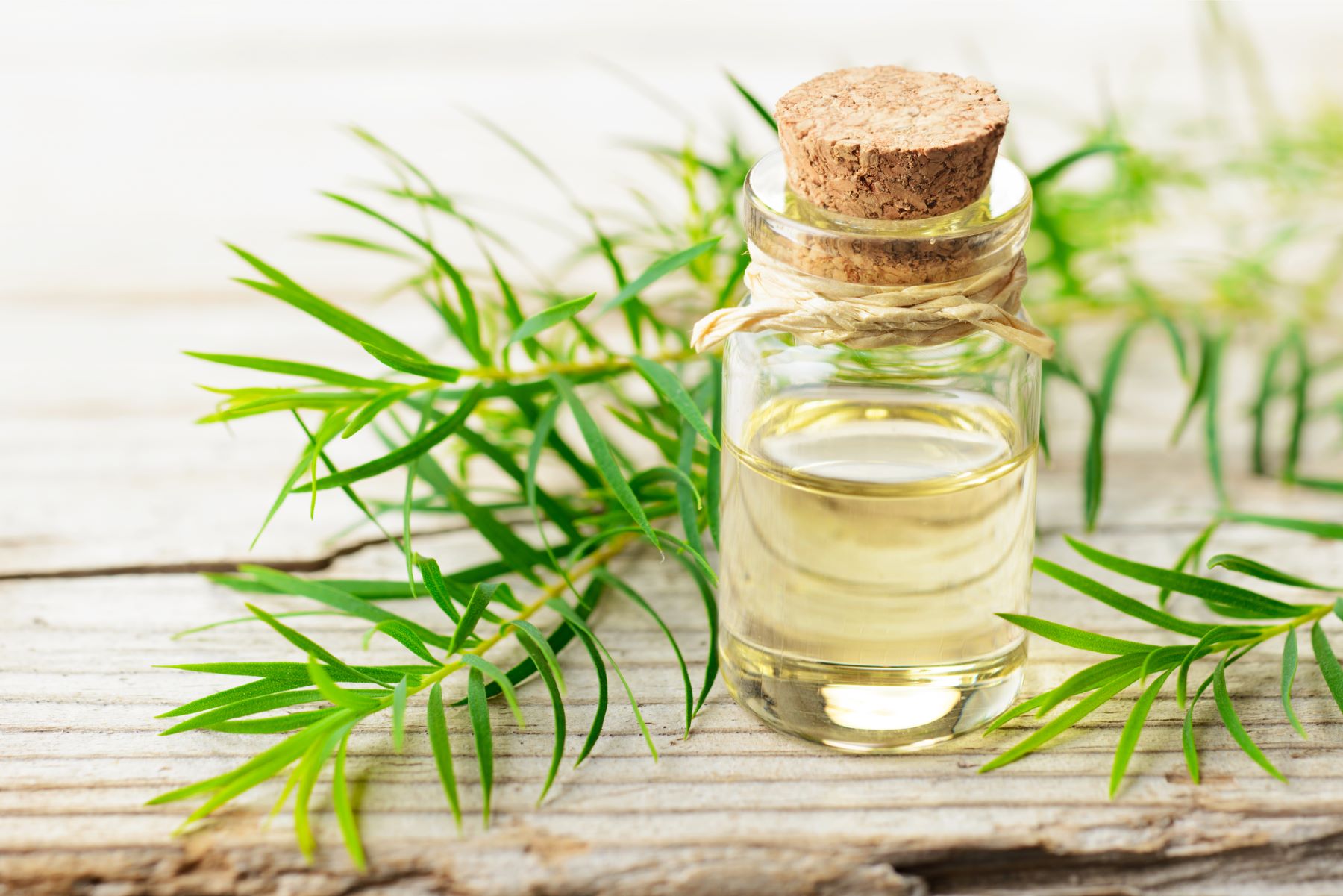
Tea tree oil, renowned for its antifungal properties, serves as an effective natural remedy for preventing fungal development on plants. Its potent antiseptic qualities also play a crucial role in shielding plants from harmful bacteria and viruses that could compromise their well-being.
Diluting tea tree oil and applying it to plants can combat mildew, mold, and various fungal infections efficiently.
Fungal Prevention Techniques
Utilizing tea tree oil’s antifungal and antiseptic properties can effectively prevent fungal growth on plants. When diluted correctly, this natural solution can be sprayed on plants to protect them from fungal infections and promote overall plant health. Tea tree oil disrupts the cell membranes of fungi, inhibiting their growth and preventing further spread.
Regular application of tea tree oil can help control common plant fungal diseases like powdery mildew, black spot, and rust. By using tea tree oil preventatively, you can reduce the need for harsh chemical fungicides and adopt a more sustainable approach to plant care.
- Tea tree oil promotes soil health and enhances nutrient absorption in plants.
- It boosts plants’ natural immunity, increasing their disease resistance.
- Tea tree oil supports plant vitality and promotes growth by preventing fungal infections.
Antiseptic Benefits Explained
To bolster plant health and ward off harmful pathogens like fungi and bacteria, harness the antiseptic benefits of tea tree oil. Tea Tree oil, known for its antifungal properties, serves as a natural solution to prevent fungal growth on plants. By applying Tea Tree oil, you can protect your plants from harmful bacteria, thus promoting overall plant vitality and immunity. This essential oil acts as a protective shield, preventing infections and maintaining a healthy garden environment.
Utilizing Tea Tree oil regularly on your plants can help safeguard them from potential threats, ensuring they thrive and flourish. Its versatility allows for safe application on various types of plants, making it a go-to option for plant protection.
Embracing the antiseptic benefits of Tea Tree oil is a proactive approach to plant care, offering a reliable defense mechanism against common plant ailments. Choose Tea Tree oil for its potent protective properties and support your plants’ well-being naturally.
7. Rosemary: Pest Repellent and Stimulating Growth
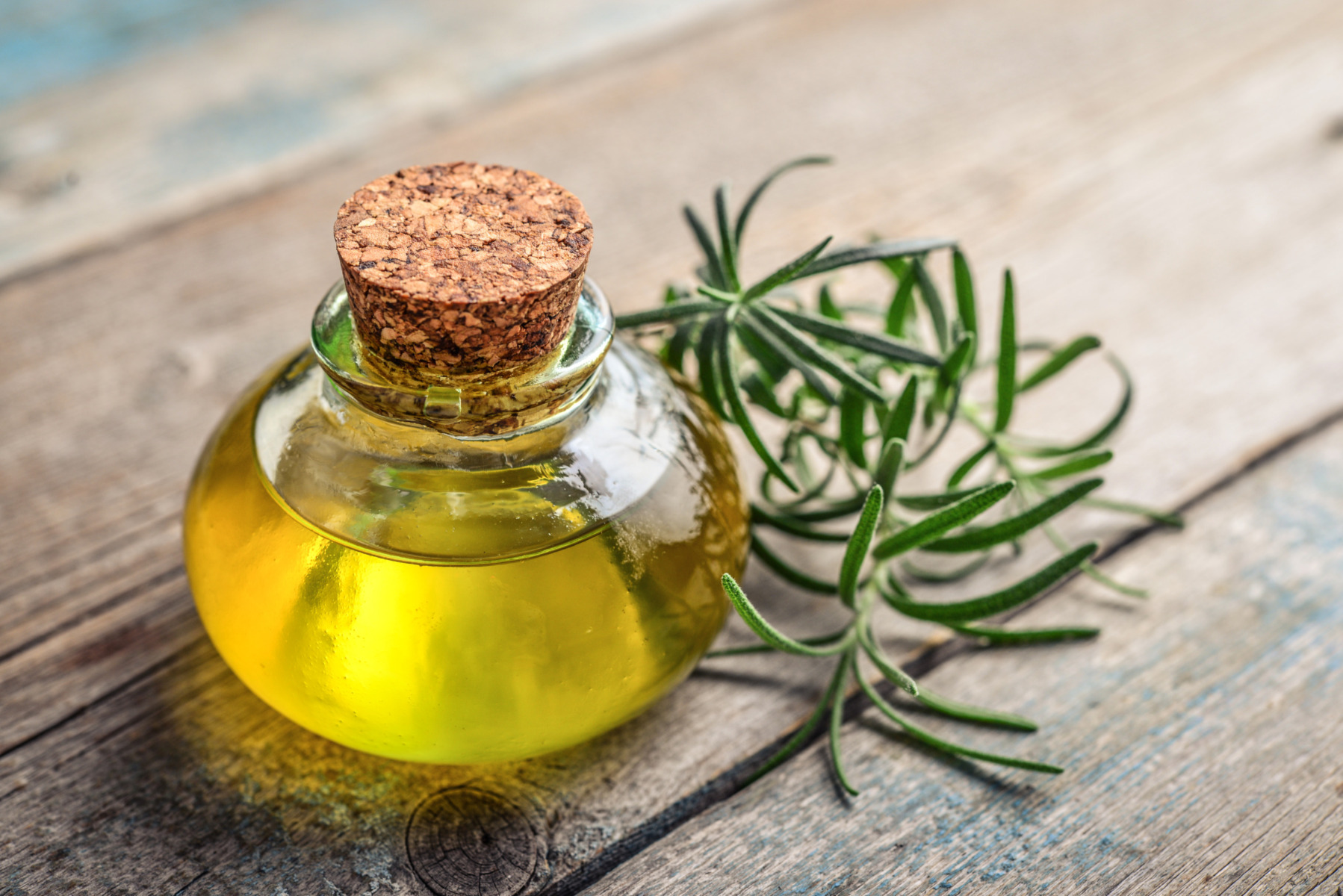
Rosemary essential oil serves as a dual-purpose solution for plant care, acting as both a natural pest repellent and a growth stimulant when applied effectively.
When utilizing rosemary oil in your gardening routine, consider the following:
- Soil Enrichment: Incorporating rosemary oil can help improve soil quality, enhancing nutrient uptake and fostering healthier plant growth.
- Sunlight Exposure: Ensure your plants receive adequate sunlight for optimal growth, complementing the effects of rosemary oil on their development.
- Companion Planting: Consider planting rosemary near other crops to benefit from its pest-repelling properties and promote a harmonious garden ecosystem.
8. Chamomile: Anti-inflammatory and Root Growth Promotion

Chamomile essential oil exhibits potent anti-inflammatory properties beneficial for enhancing plant health and promoting robust root growth. When applied to plants, chamomile oil aids in fighting off infections and diseases, while also improving nutrient absorption through the roots. This natural remedy not only reduces stress in plants but also fosters overall health and well-being. The soothing properties of chamomile oil play a crucial role in aiding plants to recover from environmental stressors and damage, making it a versatile solution for plant care routines.
Utilizing chamomile oil in your plant care practices can lead to significant benefits. Check out the table below for a concise overview of the advantages of incorporating chamomile essential oil into your gardening routine:
| Benefits | Description |
|---|---|
| Flowering benefits | Enhances flowering in plants |
| Stress relief | Reduces stress levels in plants |
| Anti-inflammatory effects | Aids in fighting infections |
| Nutrient absorption | Improves nutrient uptake in roots |
| Soothing properties | Helps plants recover from stressors |
| Environmental recovery | Facilitates healing from damage |
9. Cedarwood: Insect Repellent and Grounding Properties
Cedarwood essential oil offers a natural solution for keeping insects away from your plants. Its grounding properties can provide a stabilizing effect and promote a serene environment for your green companions.
Additionally, cedarwood oil can potentially enhance root growth, contributing to the overall health of your plants.

Pest Control Benefits
The insect repellent and grounding properties of cedarwood essential oil make it a valuable natural tool for controlling pests in plants.
When it comes to pest control benefits, cedarwood essential oil offers a range of advantages for your garden protection needs:
- Natural Insect Repellent: Cedarwood essential oil acts as a natural insect repellent, effectively keeping pests away from your plants without the use of harmful chemicals.
- Safe for Family and Pets: This oil is non-toxic and safe for use around children and pets, providing a family-friendly pest control solution for your garden.
- Broad Spectrum Protection: Cedarwood oil, when properly diluted and applied, can deter various insects like mosquitoes, ants, and moths, offering comprehensive protection for your plants.
Soothing and Calming
With its insect repellent and grounding properties, cedarwood essential oil serves as a valuable natural aid in promoting a soothing and calming environment for plants. Cedarwood oil, renowned for its aromatherapy benefits, can be a powerful tool in your plant care rituals. Its natural relaxation techniques can help create a tranquil atmosphere that benefits both your plants and yourself.
By diluting cedarwood essential oil and using it as a spray, you can effectively deter pests like mosquitoes, ants, and flies while enjoying its calming effects.
Incorporating cedarwood oil into your plant care routine not only aids in pest control but also contributes to the overall well-being of your garden. The soothing aroma of cedarwood can create a harmonious environment, allowing your plants to thrive in a peaceful setting. Next time you tend to your garden, consider using cedarwood essential oil to enhance the tranquility and health of your plants.
Root Growth Enhancement
How can the insect repellent and grounding properties of cedarwood essential oil benefit the enhancement of root growth in plants?
Cedarwood essential oil offers a natural solution for promoting root growth by enriching the soil, aiding in nutrient absorption, managing pests effectively, and stimulating growth through a holistic approach.
- Soil Enrichment and Nutrient Absorption:
Cedarwood oil helps create a favorable environment in the soil, allowing plants to absorb nutrients more efficiently, thus supporting root development.
- Pest Management as a Natural Solution:
By applying cedarwood oil to the soil, you can naturally deter pests and insects that could harm the roots of your plants, promoting a healthier root system.
- Growth Stimulation with a Holistic Approach:
The grounding properties of cedarwood oil assist plants in establishing strong roots, ultimately leading to overall growth stimulation and enhanced vitality.
Incorporating cedarwood essential oil into your plant care routine can be a practical and effective way to support root growth and ensure the well-being of your plants.
10. Geranium: Insect Control and Balancing Hormones
To effectively control insects and balance hormones in plants, consider utilizing geranium essential oil. Geranium oil is a natural insect repellent that can help keep pests like mosquitoes, ticks, and flies away from your garden. Additionally, this oil aids in hormone balance within plants, facilitating healthy growth and overall well-being. Its sweet floral fragrance not only adds a pleasant aroma to your garden but also serves as a powerful tool in pest management. By diluting geranium oil and applying it to your plants, you can deter unwanted insects while providing therapeutic benefits for the health of your greenery.
| Therapeutic Benefits of Geranium Oil |
|---|
| Natural insect repellent |
| Hormone balancing properties |
| Pleasant floral scent |
| Safe for plants and environment |
11. Thyme: Antifungal and Antimicrobial Benefits

Thyme essential oil offers potent antifungal properties and antimicrobial benefits that can effectively safeguard plants against fungal infections and harmful bacteria.
When considering thyme oil for your garden application, you can enjoy several benefits for plant protection. Here are some key points to consider:
- Thyme oil’s antifungal properties can help protect plants from fungal infections.
- The antimicrobial benefits of thyme oil aid in preventing the growth of harmful bacteria on plants.
- Using thyme for natural care can boost the immune systems of plants, aiding in disease resistance and pest control.
12. Orange: Uplifting Scent and Insect Deterrent

When considering the benefits of orange essential oil for plants, its uplifting scent and natural insect deterrent properties make it a valuable addition to your gardening arsenal.
The aromatherapy benefits of orange oil extend beyond humans to the plant kingdom, where the citrus fragrance not only uplifts the mood but also helps in keeping your plants bug-free.
By incorporating orange oil into your plant care routine, you can enjoy bug-free plants while creating a refreshing atmosphere in your garden.
This natural remedy isn’t only effective in warding off pests but also in masking any unpleasant odors that might be present.
Additionally, the antibacterial properties of orange essential oil make it a versatile tool for maintaining plant health.
Whether used in DIY cleaning sprays for plant pots or as an additive to homemade fertilizers, orange oil can contribute to the overall well-being of your plants, promoting healthy growth and a pest-free environment.
13. Lemongrass: Bug Repellent and Stress Reduction

Incorporate lemongrass essential oil into your plant care routine to effectively repel bugs and promote a calming environment for your plants. Lemongrass essential oil serves a dual purpose, acting as a natural bug repellent and stress reducer for your green companions.
Here’s why lemongrass is a must-have for your plant care arsenal:
- Aromatic benefits, stress relief: Lemongrass oil emits a pleasant citrusy aroma that not only uplifts your mood but also helps create a tranquil atmosphere for your plants, reducing stress levels.
- Natural bug repellent, plant health: By diluting lemongrass oil and applying it to your plants, you can ward off unwanted insects like mosquitoes and ants without resorting to harmful chemicals, thus promoting your plant’s overall health.
- Relaxation promotion, insect deterrence: The calming properties of lemongrass oil not only benefit your plants but also deter insects, ensuring a peaceful and bug-free environment for your green friends.
14. Peppermint: Cooling Sensation and Energy Boost

Peppermint essential oil offers plants a cooling sensation and a boost in energy levels through its unique properties. When applied, it provides immediate cooling effects, helping plants combat heat stress and thrive in optimal conditions. This cooling sensation not only enhances plant comfort but also supports their overall vitality.
Moreover, peppermint oil stimulates energy levels in plants by improving photosynthesis and facilitating better nutrient absorption. By boosting these essential processes, the oil promotes plant growth and resilience, resulting in healthier and more vigorous vegetation.
In addition to its energy-boosting properties, peppermint oil serves as a natural pest repellent, deterring common garden nuisances like aphids, ants, and spiders. Furthermore, its antimicrobial characteristics make it a valuable addition to soil, contributing to the improved health and vitality of plants.
15. Cinnamon: Antifungal Properties and Warm Scent

To build upon the benefits of peppermint essential oil for plants, exploring the antifungal properties and warm scent of cinnamon essential oil is crucial for enhancing plant health and protection.
Cinnamon essential oil has potent antifungal properties that can shield plants from fungal infections, acting as a natural defense mechanism in your garden. The warm and spicy aroma of cinnamon not only adds a delightful fragrance to your gardening space but also serves as a natural insect repellent, protecting your plants from unwanted pests.
When appropriately diluted, cinnamon oil can aid in promoting robust plant growth and strengthening the plant’s immune system, making it more resilient to diseases and pests. Additionally, the use of cinnamon oil is known to stimulate root growth, contributing to overall plant health and vitality.
Incorporating cinnamon oil into your gardening routine can provide aromatic benefits, enhance plant protection, and offer a form of garden therapy for both you and your plants.
Conclusion
In conclusion, using essential oils on plants can provide a range of benefits including stress reduction, respiratory support, insect deterrence, and overall health promotion.
By incorporating oils such as lavender, frankincense, peppermint, and lemon into your plant care routine, you can enhance growth, deter pests, and create a healthier environment for your plants.
Experiment with different oils to find the best combination for your specific plant needs.