

To boost your soil’s water retention, mix in vermiculite, sphagnum moss, coconut coir, perlite, and peat moss. Vermiculite acts as a sponge, holding moisture for plant health. Sphagnum moss stores water gradually, reducing watering frequency. Coconut coir absorbs up to 10 times its weight in water, enhancing soil quality. Perlite aids in drainage, preventing waterlogging, and balances soil moisture. Peat moss keeps consistent moisture levels, improving soil structure and aiding plant growth. Implementing these materials will optimize hydration for your plants, ensuring a healthy growing environment.
1. Vermiculite for Water Retention

To enhance water retention in soil, consider incorporating vermiculite, a natural mineral known for its ability to expand and retain moisture within the soil structure. Vermiculite, an organic material, plays a crucial role in improving water retention and soil moisture levels, creating a healthy environment for root growth. Its unique properties allow it to hold water like a sponge, releasing it slowly to plants as needed, promoting optimal plant hydration.
In container gardening, vermiculite is particularly valuable due to its lightweight nature and ability to enhance soil structure. By adding vermiculite to your soil mix, you can improve aeration while ensuring that the soil retains adequate moisture levels, reducing the frequency of watering required. This mineral is widely used in horticulture to support healthy root growth and overall plant development, making it a valuable addition to any gardening project focused on water retention and plant health.
2. Sphagnum Moss Benefits

Sphagnum moss offers significant benefits due to its high water retention capacity, making it a valuable addition to soil mixes for moisture-loving plants. With the ability to hold up to 20 times its weight in water, sphagnum moss acts as a reservoir, releasing moisture gradually to plant roots, thus ensuring consistent moisture levels essential for the growth of moisture-loving plants such as ferns and orchids. Additionally, the antimicrobial properties present in sphagnum moss play a crucial role in preventing soil-borne diseases, safeguarding the health of plant roots. Apart from its functional advantages, sphagnum moss is environmentally friendly and sustainable, aligning with modern gardening practices. Its natural water retention capabilities reduce the need for frequent watering, contributing to water conservation efforts. By incorporating sphagnum moss into soil mixes, gardeners can promote healthy plant growth while simultaneously supporting the ecosystem through sustainable gardening practices.
3. Coconut Coir Properties

How does coconut coir contribute to soil moisture retention and root health for plants? Coconut coir, derived from coconut husks, possesses exceptional water retention properties, capable of holding up to 10 times its weight in water. This makes it an ideal choice for moisture-loving plants that require consistent hydration. As a sustainable alternative to peat moss, coconut coir not only benefits plant growth but also the environment. When used as a soil amendment, coconut coir aids in improving soil structure, aeration, and moisture retention, fostering healthy root growth for plants.
- Sustainable Alternative: Coconut coir serves as an eco-friendly option compared to traditional peat moss.
- Versatile Usage: This soil conditioner can be utilized as mulch, seed starter, or directly mixed into the soil.
- Enhanced Water Retention: Incorporating coconut coir into the soil helps enhance water retention, ensuring plants have a stable moisture supply for optimal growth.
4. Perlite for Improved Hydration
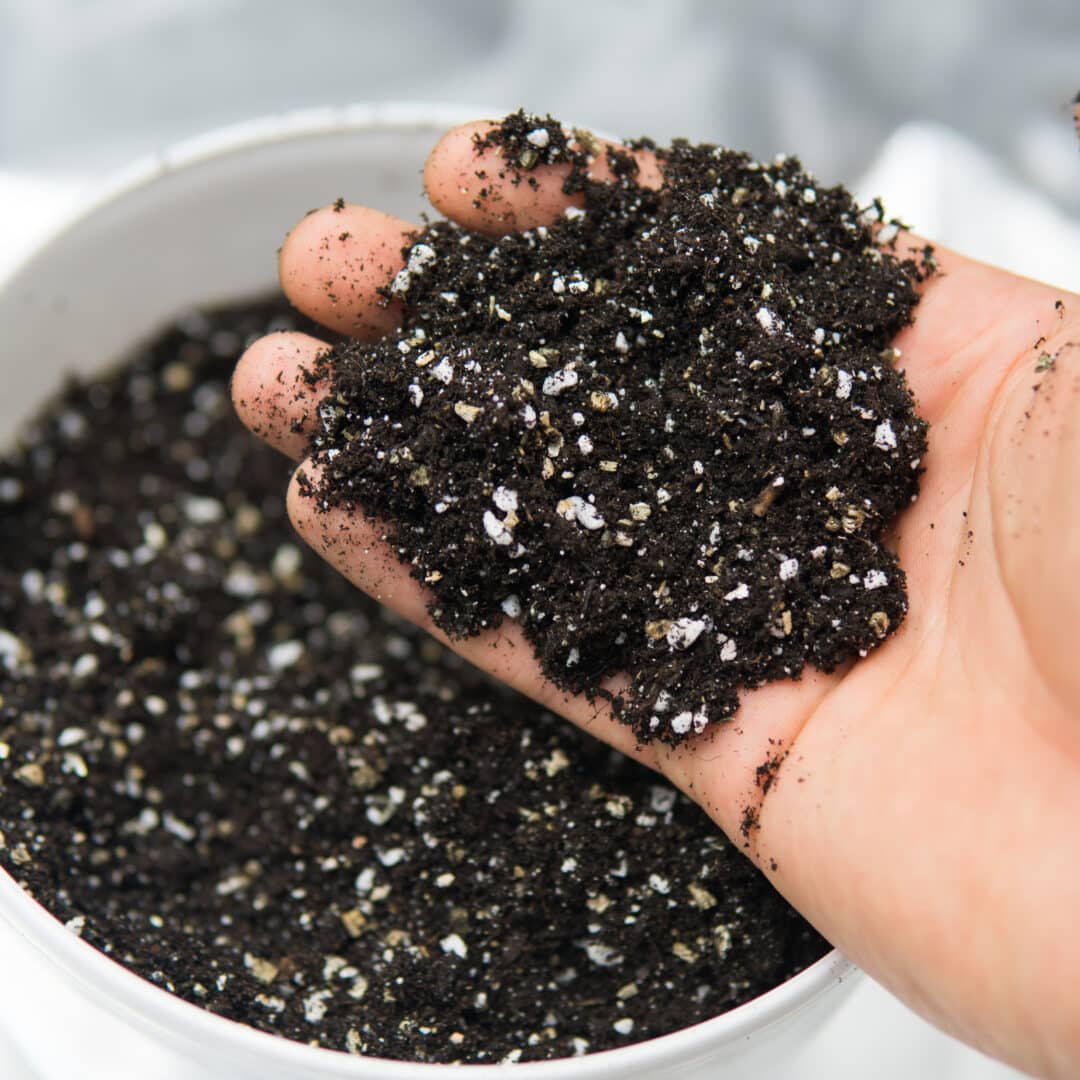
Perlite enhances soil hydration by improving aeration and drainage, promoting optimal water distribution to plant roots. As a lightweight volcanic mineral, perlite aids in preventing waterlogged conditions by facilitating air circulation within the soil. Its unique structure allows it to absorb water, acting as a reservoir that gradually releases moisture to plant roots, ensuring they receive adequate hydration.
Being pH neutral and sterile, perlite is a versatile soil amendment suitable for a wide range of plants and soil compositions. It is commonly incorporated into potting mixes to enhance water retention and prevent soil compaction, thereby fostering healthy root development. The white color of perlite is advantageous as it reflects light, helping to lower soil temperatures and reducing the risk of overheating plant roots. This feature is particularly beneficial in warmer climates where excessive heat can negatively impact plant growth. Utilizing perlite in soil mixes can significantly improve water management and support plant health in various gardening settings.
5. Peat Moss for Moisture Retention

To further enhance soil moisture retention, consider incorporating peat moss, an organic material known for its ability to hold significant amounts of water, promoting optimal conditions for plant growth. Peat moss acts as a sponge in the soil, retaining moisture and releasing it slowly to plant roots. Here are three key benefits of using peat moss for moisture retention:
- Improves Soil Structure: Peat moss prevents soil compaction and enhances aeration, facilitating better water and nutrient uptake by plant roots.
- Acidifies Soil: Its acidic nature is beneficial for acid-loving plants, helping to create the right pH balance for species like blueberries and azaleas.
- Enhances Plant Growth: By maintaining consistent moisture levels, peat moss supports healthy plant growth, especially in sandy or fast-draining soils.
In gardening, incorporating peat moss can create a harmonious environment where water is effectively stored and supplied to plants, ensuring their vitality and development.