

Curious about why your garden may be struggling? It could be due to poor soil quality. Test soil for nutrients and pH levels. Boost it with compost. Inadequate watering can harm your plants. Be consistent; mulch helps retain moisture. Lack of sunlight can hinder growth. Ensure plants get 6-8 hours sun daily. Pests are foes; combat them with ladybugs or companion planting like marigolds. Overcrowding stunts growth. Space out plants to avoid competition. Ready to revamp your garden? These fixes can make a big difference in your green oasis.
1. Poor Soil Quality

If your garden is struggling, the first culprit you should investigate is often poor soil quality. Plants require a specific type of soil to thrive, and poor soil quality can hinder their growth. Common issues associated with poor soil quality include nutrient deficiencies, improper soil pH, lack of organic matter, and inadequate air circulation. Testing the soil pH and nutrient levels can help identify specific problems that may be affecting your plants.
To improve soil quality, consider adding organic matter such as compost or manure. This can enhance the soil structure, promote beneficial microbial activity, and provide essential nutrients for plant growth. Mulching is another effective technique to retain moisture, suppress weeds, and protect the soil from erosion. Regularly amending the soil with nutrients like nitrogen, phosphorus, and potassium can also help ensure that your plants have access to the necessary elements for healthy development.
2. Inadequate Watering

Insufficient watering is a prevalent issue that often leads to unsuccessful gardens, resulting in wilted plants and diminished yields. During the growing season, it is crucial to maintain consistent moisture levels for your plants to thrive. While it’s essential to water your garden, over-watering can be just as harmful as under-watering. Over-watering can lead to root rot and nutrient leaching, depriving your plants of essential elements they need to grow. To ensure optimal growth, aim to water deeply and less frequently, encouraging strong root development.
One practical way to combat inadequate watering is by using mulch around your plants. Mulch acts as a protective barrier, helping to retain moisture in the soil and reducing the need for frequent watering. By mulching your garden, you can create a more stable environment for your plants, ensuring they receive the water they need to flourish. Remember, maintaining the right balance of water is key to a successful garden.
3. Lack of Sunlight

To maximize the growth and yield of your garden, ensuring adequate sunlight exposure is imperative for the health and productivity of your plants. Sunlight is vital for photosynthesis, the process that converts light into energy for plant growth. Most vegetables and fruits need 6-8 hours of direct sunlight daily to thrive. Without sufficient sunlight, plants can become leggy and weak, leading to poor fruit production. To optimize sunlight exposure, consider planting sun-loving crops in the sunniest spots of your outdoor space. Additionally, using reflective surfaces or adjusting planting locations can help ensure your plants receive the sunlight they need. Check out the table below for some practical gardening tips related to sunlight exposure:
| Gardening Tips | Benefits |
|---|---|
| Plant sun-loving crops in the sunniest spots | Maximizes growth and yield |
| Use reflective surfaces like mirrors or foil | Optimizes sunlight exposure |
| Adjust planting locations for better sunlight | Prevents leggy plants |
4. Pest Infestations
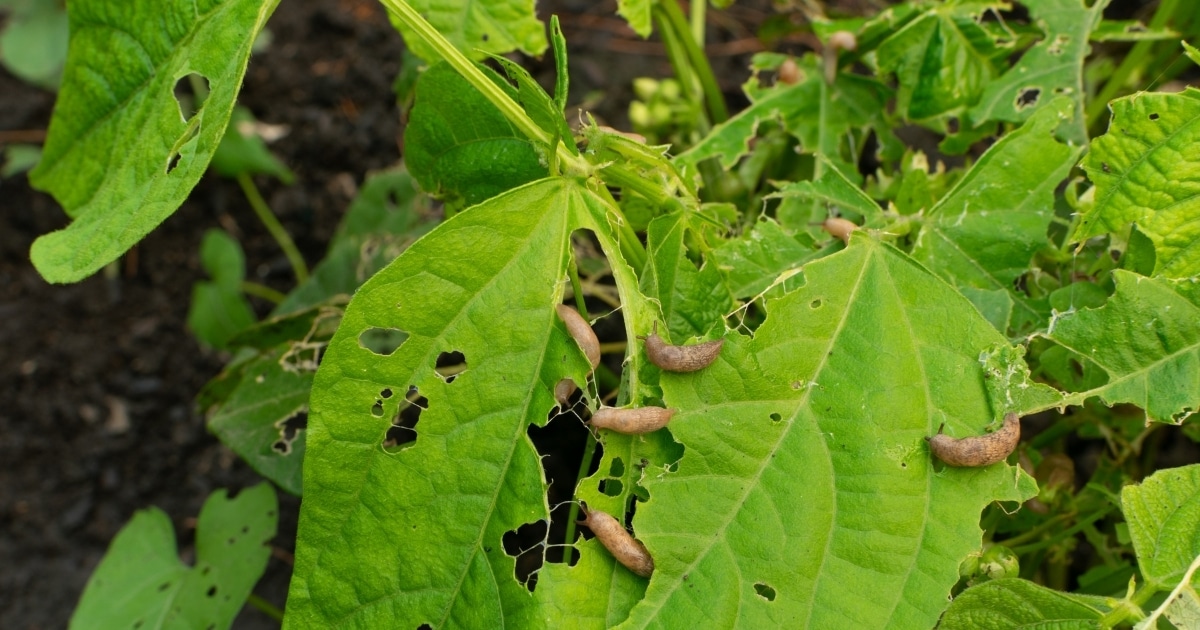
Pest infestations in gardens can significantly impact the health and productivity of your plants, making it essential to implement effective pest control strategies. To combat common garden pests like aphids, caterpillars, slugs, and Japanese beetles, consider the following tips:
- Introduce Beneficial Insects: Invite natural predators like ladybugs and lacewings to your garden to help control pest populations organically.
- Utilize Companion Planting: Plant marigolds and chives among your crops as a natural way to deter pests and protect your plants.
- Regular Inspections: Take the time to inspect your plants regularly for any signs of pest damage, such as holes in leaves or wilting, to catch infestations early.
- Balance Ecosystems: Maintain a diverse garden with a variety of plants to encourage a healthy ecosystem that can naturally regulate pest populations.
- Address Powdery Mildew: Combat fungal diseases like powdery mildew promptly to prevent them from weakening your plants and making them more susceptible to pest attacks.
5. Overcrowding of Plants
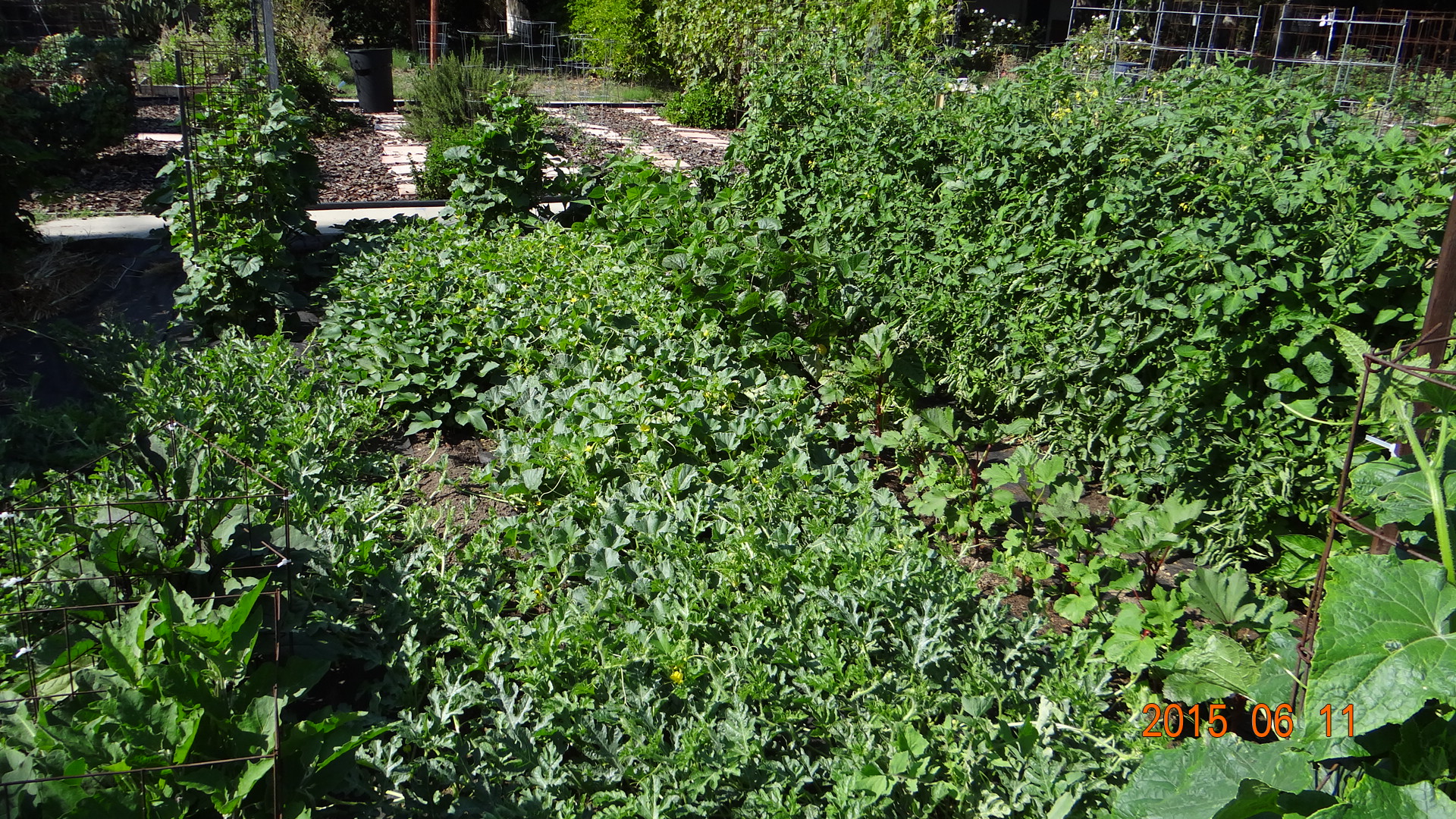
Improper spacing of plants in your garden can have detrimental effects on their growth and overall health. Overcrowding of plants leads to competition for vital resources such as sunlight, water, and nutrients. This competition can result in stunted growth, decreased yield, and increased susceptibility to diseases and pests. Proper spacing between plants is crucial as it allows for better air circulation, reducing the risk of fungal infections.
To avoid the negative impacts of overcrowding, it is essential to follow recommended spacing guidelines. Thinning out overcrowded plants can promote healthier growth and improve overall garden productivity. By providing each plant with adequate space to thrive, you can ensure they have access to the resources they need to flourish. Remember to refer to seed packets or plant labels for specific spacing recommendations tailored to the varieties you are growing. Proper spacing is a simple yet effective way to set your garden up for success.