

Optimize your grow bag gardening by using a soil mix comprising peat moss, perlite, vermiculite, and composted bark. This blend ensures ideal plant growth and root development. The lightweight nature aids in drainage and prevents soil compaction, promoting healthy root systems. Incorporate compost and worm castings for added nutrients and soil fertility. Peat moss enhances moisture retention, while perlite improves aeration and drainage. Maintaining pH levels, good drainage, and appropriate fertilization will support root system development. This proven mix balances moisture, nutrients, and airflow for thriving plants.
Lightweight Soil Mix

When selecting a lightweight soil mix for grow bags, consider a blend of peat moss, perlite, vermiculite, and composted bark for optimal plant growth. Peat moss, a key component in potting soil, aids in moisture retention and provides a stable foundation for plant roots to establish themselves. Its acidic nature also helps in regulating the pH levels within the grow bags, creating a suitable environment for most plants. The addition of perlite and vermiculite enhances the soil’s aeration and drainage properties, preventing waterlogged conditions that could harm plant roots. Composted bark not only adds nutrients to the mix but also contributes to its lightweight nature, making it easier to handle and transport grow bags as needed.
This carefully balanced combination of potting soil components ensures that the soil mix remains loose, well-draining, and conducive to healthy root development. By utilizing peat moss and other lightweight additives, you can create an environment that promotes optimal plant growth while maintaining the convenience of managing grow bags effectively.
Well-Draining Soil Components
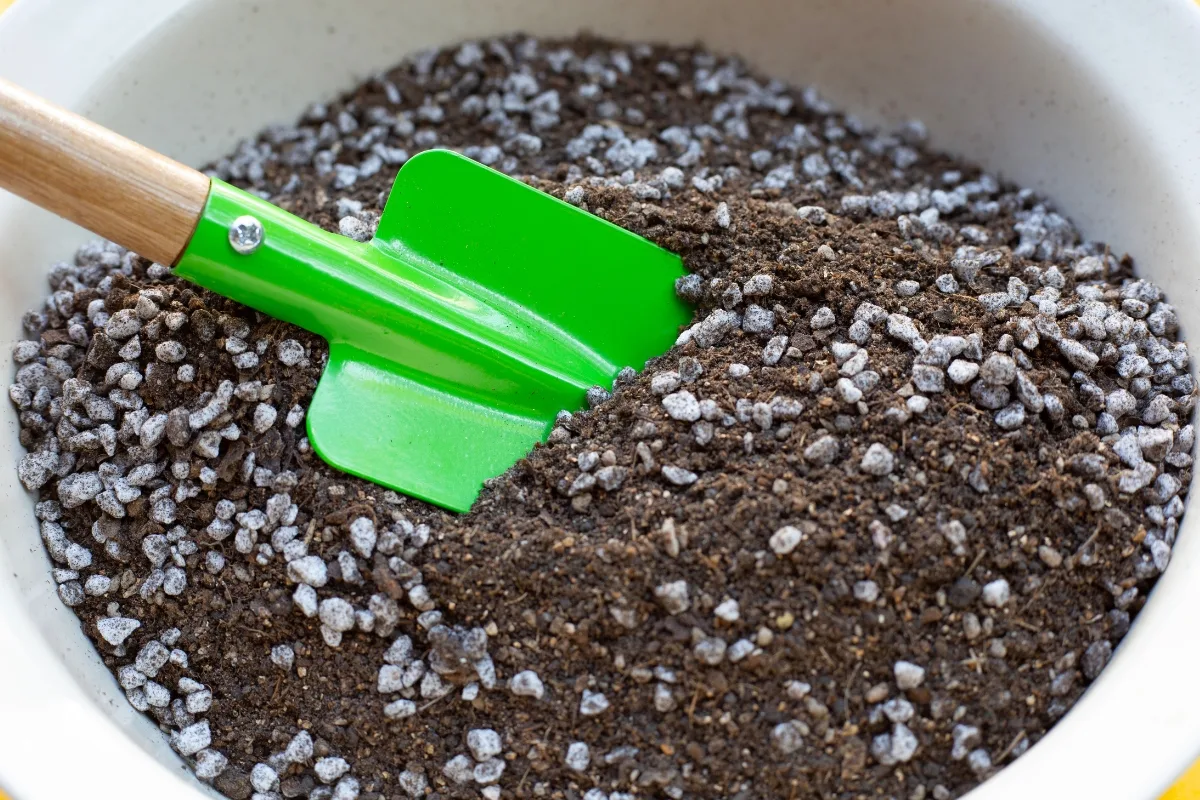
To ensure healthy root systems in your grow bags, incorporating well-draining soil components such as perlite, vermiculite, and sand is essential. These components contribute to a permeable soil structure that facilitates adequate drainage, preventing waterlogging issues. Balancing moisture regulation through these components is crucial for creating an optimal environment for plant growth in grow bags.
Drainage for Healthy Roots
Well-draining soil components such as perlite, vermiculite, and coconut coir play a crucial role in promoting healthy root growth in plants grown in grow bags. Drainage is essential in preventing waterlogging, which can lead to root rot and other issues. Perlite, a volcanic glass with high water retention and aeration properties, helps in creating air pockets in the soil, enhancing drainage. Vermiculite, a mineral that retains moisture, aids in keeping the soil consistently damp but not waterlogged. Coconut coir, derived from coconut husks, contributes to the overall structure of the soil, promoting root development. When combined, these components create a well-balanced growing medium that allows excess water to escape while retaining enough moisture for the plants. Ensuring proper drainage in grow bags is crucial for healthy root systems and optimal plant growth. By incorporating perlite, vermiculite, and coconut coir, you can provide the ideal environment for your plants to thrive.
:strip_icc()/hand-trowel-dirt-scoop-476cd200-a911791819aa48e784b9d6b2a2679cb0.jpg)
Permeable Soil Structure
The inclusion of porous materials like perlite, vermiculite, and coconut coir in your soil mix is crucial for creating a permeable structure that facilitates proper aeration and drainage in grow bags. These components play a significant role in preventing waterlogging and ensuring excess water can freely drain from the grow bags, promoting optimal soil drainage. By incorporating these porous materials, you establish a soil environment that allows for adequate airflow, essential for root development, nutrient absorption, and overall plant health within the limited space of grow bags. The permeable soil structure formed by these components helps maintain the right balance of moisture, reducing the risk of root rot and other water-related issues. Remember, the choice of well-draining soil components is pivotal in determining the success of plants cultivated in grow bags, as it directly influences the water retention and drainage capabilities of the soil mix.
Moisture Regulation Importance
Incorporating peat moss, perlite, and vermiculite into your grow bag soil mix is essential for effectively regulating moisture levels and promoting plant health. These well-draining soil components play a crucial role in preventing waterlogging and root rot by allowing excess water to drain freely from the grow bags. Proper moisture regulation is vital for maintaining optimal growing conditions and preventing overwatering in potting soils. The right mix of these well-draining components not only ensures good drainage but also promotes healthy root development and overall plant growth in grow bags.
| Component | Function | Benefits |
|---|---|---|
| Peat moss | Retains moisture | Prevents soil compaction |
| Perlite | Improves aeration | Enhances drainage capacity |
| Vermiculite | Retains water | Facilitates nutrient absorption |
Nutrient-Rich Additions

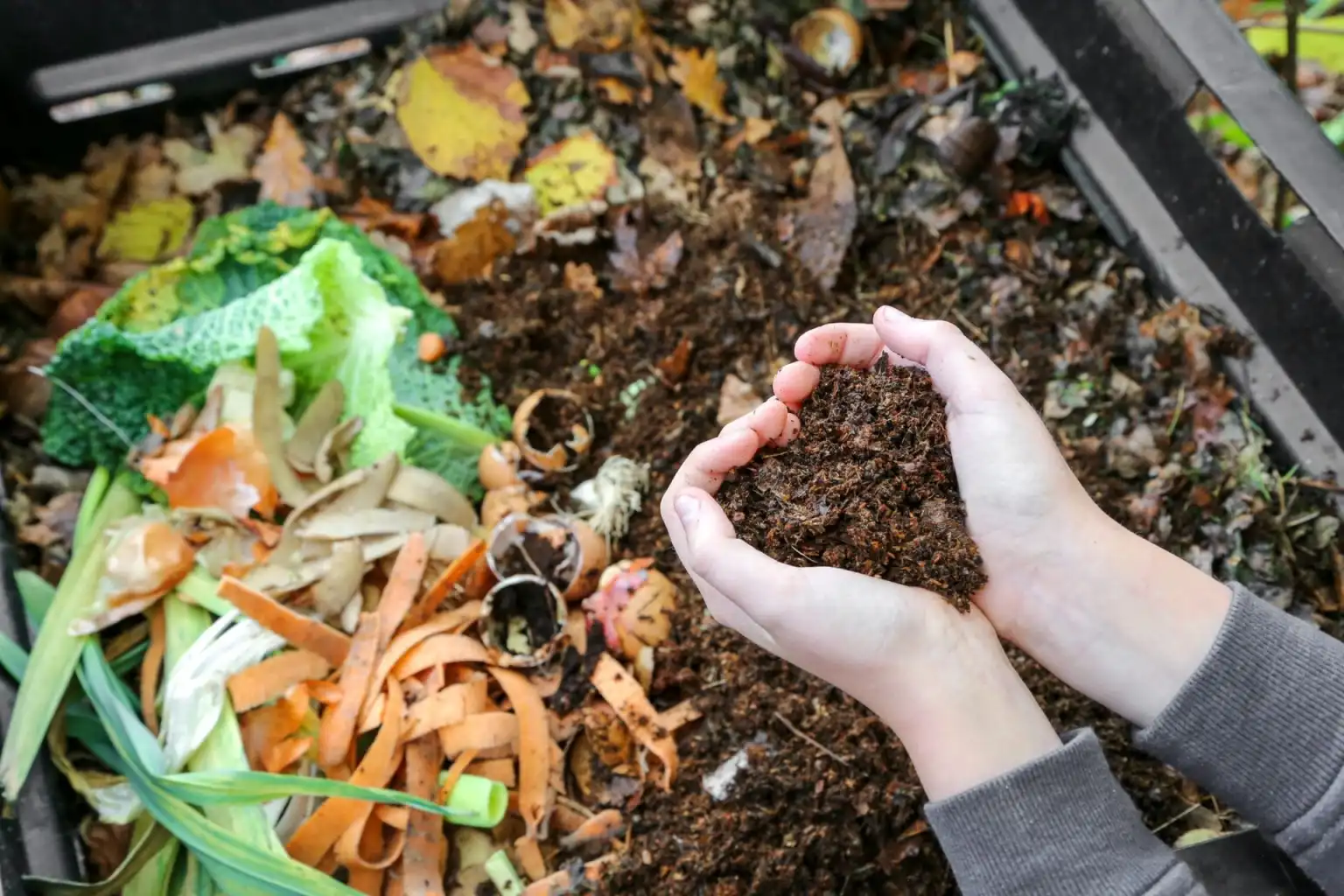
To enrich the soil in your grow bags with essential nutrients, consider incorporating organic matter such as compost and worm castings. These additions not only boost the nutrient content but also enhance soil structure for improved plant growth. By including these nutrient-rich components, you can create a fertile environment that promotes healthy root development and overall plant productivity.
Essential Soil Nutrients
Enhancing soil fertility in grow bags requires incorporating nutrient-rich additions like compost, worm castings, bone meal, kelp meal, and fish emulsion. These additives provide essential nutrients such as nitrogen, phosphorus, potassium, calcium, magnesium, and sulfur necessary for robust plant growth. When creating a potting mix for grow bags, it’s vital to ensure a balanced mix of macro and micronutrients to support overall plant health.
Adding these nutrient-rich components to the soil not only enriches the potting mix but also enhances soil structure, improves water retention, and boosts nutrient availability. Regularly amending the grow bag soil with these organic matter additions ensures that your plants have the necessary resources for optimal growth and development. By incorporating these essential soil nutrients, you create an environment conducive to healthy plant growth, allowing your plants to thrive and produce bountiful harvests in limited space.
Organic Matter Benefits
Adding organic matter to grow bag soil significantly enhances nutrient content and supports robust plant growth by improving soil structure and fertility. Organic matter plays a crucial role in providing essential elements for plant development and ensuring a conducive environment for roots to thrive. Here are some benefits of incorporating nutrient-rich organic materials into your grow bag soil mix:
- Improved Soil Structure: Organic matter such as compost, peat moss, and coconut coir enhances soil texture, promoting better root growth and nutrient uptake.
- Enhanced Fertility: Nutrient-rich additions contribute to a balanced soil environment, providing plants with the necessary nutrients for healthy development.
- Water Retention: Organic matter aids in retaining moisture within the grow bag soil, ensuring consistent hydration for plant roots.
- Better Drainage: Components like vermiculite and perlite help improve soil aeration and drainage, preventing waterlogging and root rot.
- Balanced Environment: Incorporating organic materials creates a harmonious ecosystem in the grow bag, supporting overall plant health and productivity.
Benefits of Peat Moss

Peat moss significantly enhances the moisture retention capacity of grow bags due to its unique properties. When incorporated as a soil amendment, peat moss not only helps in moisture retention but also plays a crucial role in improving soil structure by providing aeration and drainage for plant roots. This sustainable resource, harvested from peat bogs, is pH neutral and rich in organic matter, making it a valuable component in potting mixes for grow bags. The fibrous nature of peat moss aids in preventing soil compaction, allowing for better root growth and development in plants. Below is a table summarizing the key benefits of peat moss as a soil amendment in grow bags:
| Benefit | Description |
|---|---|
| Enhanced moisture retention | Helps maintain adequate moisture levels for plant growth. |
| Improved soil structure | Provides aeration and drainage, promoting healthy root systems. |
| Sustainable resource | Harvested from peat bogs, peat moss is an environmentally friendly option. |
| pH neutral | Does not significantly alter the pH of the soil. |
| Rich in organic matter | Adds valuable nutrients and boosts the overall quality of the potting mix. |
Importance of Perlite
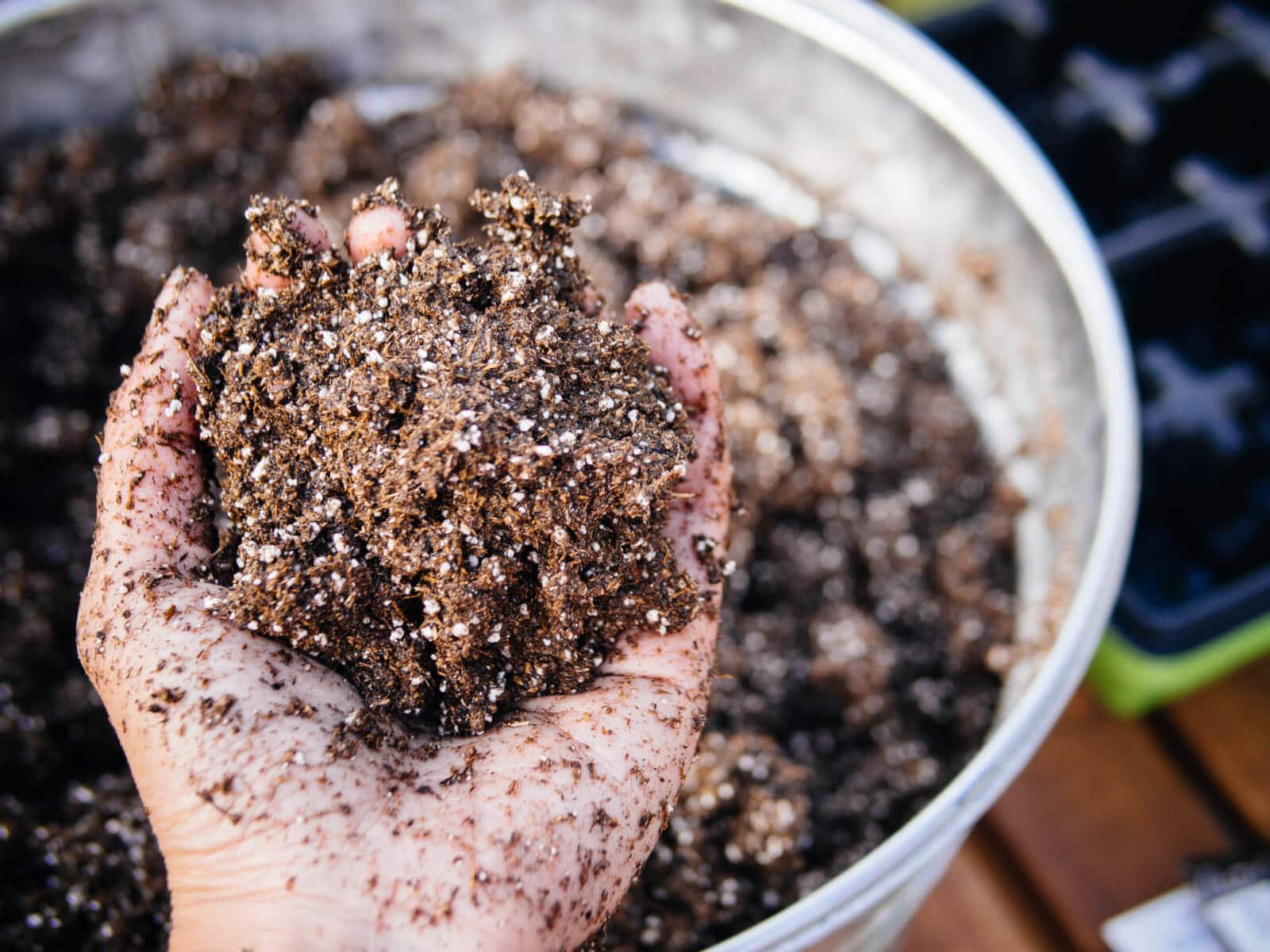
You need to understand the significance of perlite in your grow bag soil mix. Perlite enhances aeration, facilitating improved oxygen flow to your plant roots. Additionally, perlite aids in moisture control, striking a balance between retention and drainage for optimal plant growth.

Perlite’s Aeration Benefits
Perlite plays a crucial role in enhancing aeration within grow bag soil by facilitating improved oxygen circulation to plant roots. Its unique properties contribute significantly to the overall health and growth of plants in grow bags. Here are the key benefits of perlite’s aeration effects:
- Improved Oxygen Flow: Perlite helps increase oxygen levels around the root zone, promoting better respiration and nutrient uptake for healthier plants.
- Prevents Soil Compaction: The lightweight nature of perlite prevents soil compaction, ensuring that roots have room to grow and develop properly.
- Enhanced Water Drainage: Perlite aids in water drainage within grow bags, preventing waterlogging that can lead to root rot and other detrimental conditions.
- Temperature Regulation: The white color of perlite reflects light, keeping the soil temperature regulated and preventing overheating, which can stress plants.
- Safe and Sterile: Being a natural mineral, perlite is sterile and free of pathogens, making it a safe and effective choice for improving aeration in grow bag soil.
Incorporating perlite into grow bag soil can significantly enhance aeration, leading to healthier and more robust plant growth.
Perlite for Moisture Control
Incorporating perlite into grow bag soil is essential for controlling moisture levels and promoting optimal plant growth. Perlite, a volcanic rock, plays a crucial role in enhancing the soil’s moisture retention capacity while preventing waterlogging. Its lightweight nature aids in improving drainage and preventing soil compaction, ensuring proper aeration for healthy root development. Additionally, perlite is a sterile and pH-neutral additive that remains stable over time, providing long-lasting benefits to the soil structure.
To highlight the importance of perlite in moisture control, let’s delve into a comparative analysis showcasing its impact on soil properties:
| Perlite Content | Moisture Retention | Aeration Level |
|---|---|---|
| Low | Decreased | Reduced |
| Medium | Balanced | Optimal |
| High | Increased | Enhanced |
As demonstrated in the table above, the level of perlite content directly influences moisture retention and aeration within the grow bag soil. Adjusting perlite content allows for fine-tuning the soil conditions to best support plant growth.
Role of Compost in Soil Mix
Compost plays a crucial role in the soil mix for grow bags by providing essential nutrients for plant growth. Incorporating compost enriches the growing medium with vital elements necessary for plant development. Here are key reasons why compost is essential in the soil mix:
- Nutrient Richness: Compost enriches the soil mix with a wide array of nutrients, such as nitrogen, phosphorus, and potassium, crucial for plant health.
- Improved Soil Structure: It enhances the soil’s structure, promoting better root development and aeration within the grow bags.
- Enhanced Microbial Activity: Compost fosters a thriving microbial community in the soil, aiding in nutrient breakdown and availability for plants.
- Organic Matter Increase: By adding compost, the organic matter content in the soil mix rises, leading to improved soil fertility and structure.
- Reduced Dependency on Synthetic Fertilizers: Utilizing compost in the soil mix can decrease the reliance on synthetic fertilizers, promoting more sustainable growing practices.

Retaining Moisture Effectively
You can optimize moisture retention in grow bags by incorporating peat moss, vermiculite, and coconut coir in your soil mix. Peat moss’s ability to hold water, vermiculite’s water-holding capacity, and coconut coir’s sustainable moisture retention properties make them valuable components. A balanced blend of these materials ensures a consistent water supply for your plants, promoting healthy growth in grow bags.
Water Retention Tips
To enhance water retention in grow bags effectively, consider utilizing soil mixes containing ingredients such as coconut coir, perlite, and vermiculite. These components play a crucial role in improving moisture retention and creating a balanced growing environment for your plants. Here are some tips to help you retain water efficiently in your grow bags:
- Incorporate organic matter like compost to enhance water retention capabilities.
- Choose soil mixes with good drainage properties to prevent waterlogging while retaining moisture effectively.
- Consider adding water-absorbing crystals or polymers to the soil mix to help retain moisture in grow bags.
- Mix in peat moss or aged pine bark fines to improve water retention and aeration in the grow bag soil.
Moisture-Locking Techniques
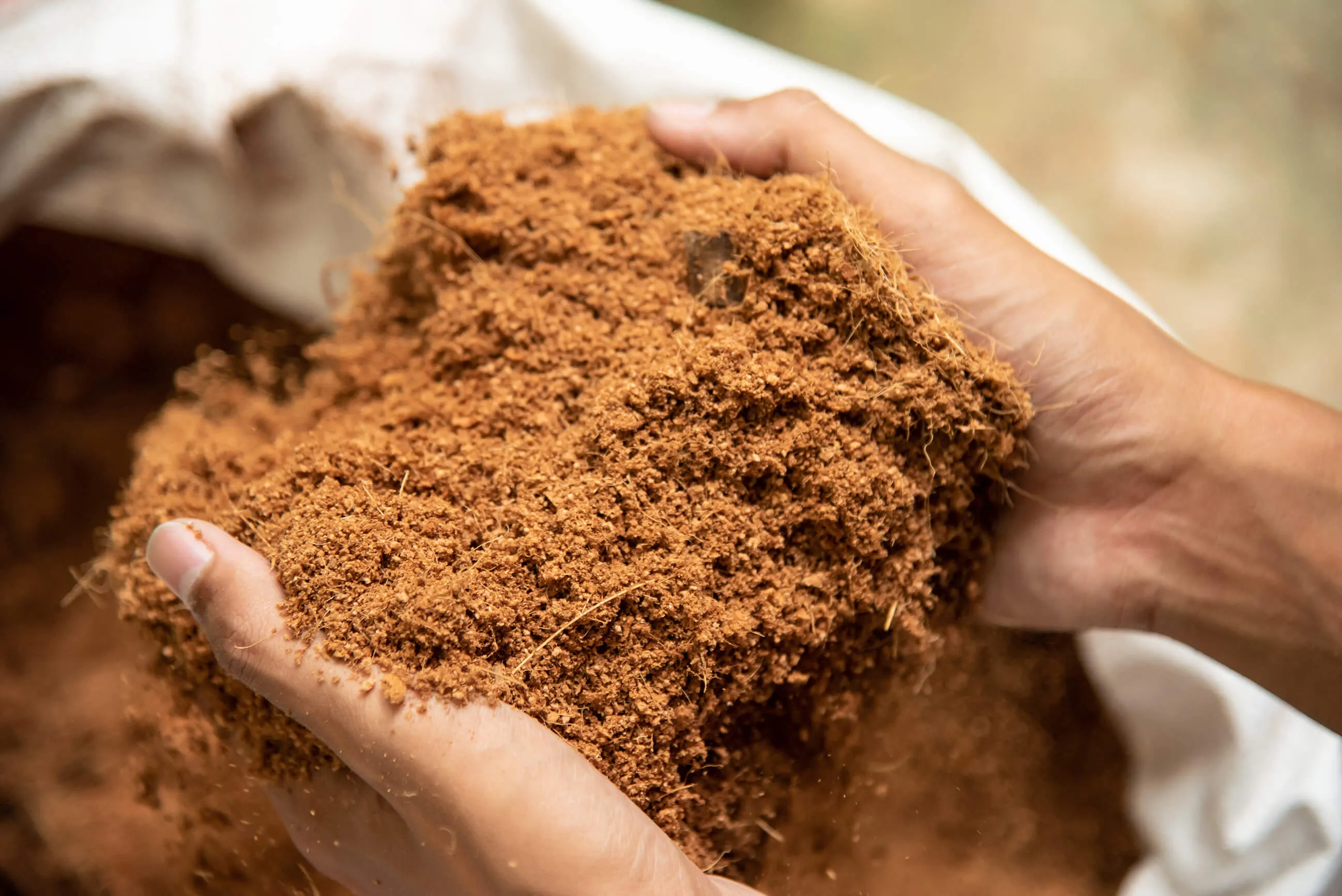
Utilize moisture-locking techniques such as incorporating vermiculite and coconut coir into the soil mix to effectively retain water in grow bags. Vermiculite, known for its moisture retention capabilities, aids in balancing soil moisture levels by absorbing water and slowly releasing it to plant roots. Additionally, vermiculite enhances aeration and drainage within the grow bag, preventing waterlogging and promoting healthy root growth.
Coconut coir, another valuable component, excels in retaining moisture effectively in the soil mix. By holding onto water, coconut coir ensures a consistent water supply to plant roots, contributing to optimal growth conditions. When combined with compost, these moisture-locking materials create a well-rounded soil mix that supports plant development in grow bags.
Proper moisture retention in the soil mix is crucial for fostering healthy root systems and maximizing overall plant growth. By integrating vermiculite and coconut coir into your soil mix, you can create an environment that facilitates efficient water distribution and sustains plant health in grow bags.
Providing Proper Aeration
Achieving optimal aeration levels in grow bag soil is crucial for fostering robust root development and maximizing plant growth potential. Good aeration facilitates oxygen reaching the roots, aiding in nutrient uptake and preventing root rot. Additionally, a well-aerated soil mix promotes beneficial microbial activity, enhancing overall soil health. By minimizing soil compaction, adequate aeration ensures that roots have the necessary space to grow and expand effectively. Incorporating materials such as perlite, vermiculite, or coconut coir into the soil mix helps maintain the proper aeration levels required in grow bags.
- Proper aeration allows oxygen to reach roots, aiding in nutrient uptake.
- Well-aerated soil promotes beneficial microbial activity.
- Adequate aeration minimizes soil compaction, providing room for root growth.
- Materials like perlite, vermiculite, or coconut coir help maintain proper aeration.
Enhancing Drainage in Grow Bags
How can you effectively enhance drainage in grow bags to prevent waterlogging and promote optimal plant growth? Proper drainage in grow bags is crucial for maintaining healthy plants. To enhance drainage, consider adding perlite or coarse sand to the potting mix. These materials help improve soil aeration and prevent waterlogging by allowing excess water to drain efficiently. Vermiculite is another beneficial additive known for enhancing drainage in grow bags. It aids in increasing aeration within the soil, promoting better root growth and preventing root rot. Additionally, incorporating composted pine bark or coconut coir into the potting mix can help maintain soil structure and further enhance drainage. It’s essential to use a well-draining potting mix that contains a balanced blend of organic matter and mineral components to ensure optimal drainage in grow bags. By implementing these strategies, you can create an environment that supports healthy plant growth by preventing water accumulation and facilitating proper root development.

Supporting Plant Growth
To support optimal plant growth in grow bags, ensuring a well-balanced mix of peat moss, perlite, and compost is essential for promoting healthy root development. When preparing the soil mix for your grow bags, consider the following key points:
- Coconut Coir: Enhances water retention and aeration in the soil mix, providing ideal conditions for plant growth in grow bags.
- Good Drainage: Using a soil mix with good drainage properties helps prevent waterlogging and root rot, supporting healthy root systems in grow bags.
- Vermiculite: Improves soil structure and enhances nutrient retention, ensuring plants in grow bags have access to essential nutrients for growth.
- Organic Matter: Adding worm castings or compost to the soil mix provides a rich source of nutrients necessary for robust plant development in grow bags.
- Balanced Nutrients: Ensuring a well-balanced mix of nutrients in the soil promotes overall plant health and vitality in grow bags.
Ideal Environment for Roots
What factors contribute to creating the ideal environment for roots in grow bags? The best soil mix for grow bags plays a crucial role in providing an optimal environment for root development. A balanced combination of peat moss, perlite, vermiculite, composted bark, and coconut coir is essential for promoting healthy root growth. These components work together to ensure good drainage, prevent compaction, promote proper aeration, and retain moisture effectively within the grow bags. Additionally, maintaining the pH level of the soil mix between 5.5 to 6.5 is vital for ensuring nutrient availability and facilitating optimal root function. By creating an environment that balances moisture, aeration, and nutrient availability, you can support the development of a robust root system in your grow bags. Remember to monitor moisture levels regularly, adjust watering practices accordingly, and provide appropriate fertilization to sustain a healthy root system and promote overall plant growth.

Promoting Healthy Harvests
Promoting healthy harvests in grow bags necessitates maintaining optimal soil conditions for robust plant growth. To achieve this, consider the following:
- Monitor Moisture Levels: Regularly check the soil moisture and adjust watering schedules accordingly to meet the specific needs of your plants.
- Balanced Fertilization: Fertilize the soil mix with balanced fertilizers to provide essential nutrients for plant development.
- Consider Slow-Release Options: Opt for slow-release fertilizers to ensure a steady nutrient supply over time for sustained plant growth.
- Maintain Proper Soil pH: Keep the soil pH levels between 5.5 to 6.5 to create an ideal environment for root uptake of nutrients.
- Add Organic Matter: Enhance the soil mix with organic materials like composted bark to improve soil structure and provide additional nutrients that roots need for healthy growth.
Key Components for Thriving Plants
Maintaining optimal soil conditions in grow bags for thriving plants requires a strategic selection of key components in the soil mix. The best soil mix for grow bags typically includes peat moss, perlite, vermiculite, composted bark, and coconut coir. These components play a crucial role in promoting better drainage, preventing soil compaction, and supporting healthier root development in plants cultivated in grow bags. It is essential to ensure that the pH levels of the soil mix fall within the range of 5.5 to 6.5 to facilitate optimal growth and nutrient absorption for your plants. Monitoring moisture levels regularly and adjusting watering frequency according to your plant’s requirements are vital for their overall health and success. Fertilizing the soil mix in grow bags with balanced fertilizers, including slow-release options, is key to providing the necessary nutrients for sustained plant growth and productivity.
| Key Components for Grow Bags Soil Mix | ||||
|---|---|---|---|---|
| Peat Moss | Perlite | Vermiculite | Composted Bark | Coconut Coir |
Successful Root Development
To foster successful root development in plants grown in grow bags, ensuring proper drainage and aeration through the soil mix is imperative. A well-structured soil mix plays a vital role in supporting healthy root growth and overall plant health. Here are some key factors to consider for successful root development:
- Good Drainage: Adequate drainage in the soil mix prevents waterlogging, which can lead to root rot and hinder root development.
- Proper Aeration: Sufficient aeration facilitates oxygen uptake by the roots, promoting robust growth and nutrient absorption.
- Prevention of Compaction: Avoiding soil compaction allows roots to penetrate the substrate easily and access essential nutrients.
- Nutrient Accessibility: A balanced soil mix ensures that nutrients are readily available to the roots, supporting their development and vitality.
- Strong Root Systems: A suitable soil mix in grow bags helps plants establish strong root systems, leading to vigorous growth and increased resistance to diseases.