

If you’ve noticed brown fungus on your soil, excess moisture or poor drainage may be the culprit. It can lead to root rot and weaken your plants. To tackle this issue, control moisture levels, inspect containers, and ensure proper airflow. Recognition is key – look for dried-up brown substances or puffball-like appearances. Treat it with natural remedies and seek expert help if needed. Learning more about brown fungus can help you safeguard your plant’s well-being and garden vitality.
Common Causes of Brown Fungus
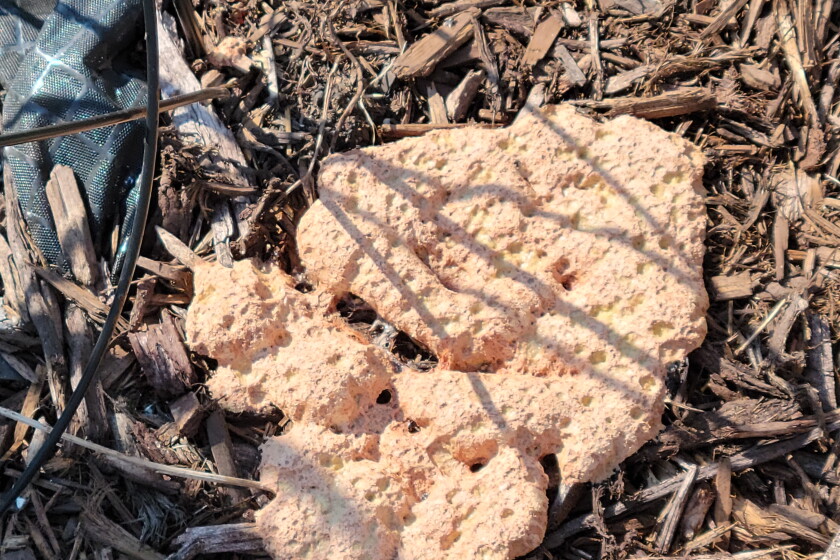
Wondering what commonly causes brown fungus to appear on soil? Brown fungus, a type of mold, thrives in environments with excess moisture in the soil. One common culprit is overwatering your plants, which creates a damp environment perfect for fungal growth. Additionally, inadequate drainage in plant pots can lead to stagnant water, providing an ideal breeding ground for brown fungus to develop. Another factor contributing to the presence of brown fungus is the decomposition of organic matter in the soil, such as dead leaves or roots. These decaying materials can fuel the growth of fungus. Moreover, high humidity levels in the surrounding environment can further encourage the proliferation of brown fungus on plant soil. Lastly, if your soil lacks proper aeration and becomes compacted, it can retain moisture, creating conditions favorable for brown fungus to thrive. By addressing these common causes, you can effectively prevent the appearance of brown fungus on your soil and promote a healthier environment for your plants.
Impact on Plant Health
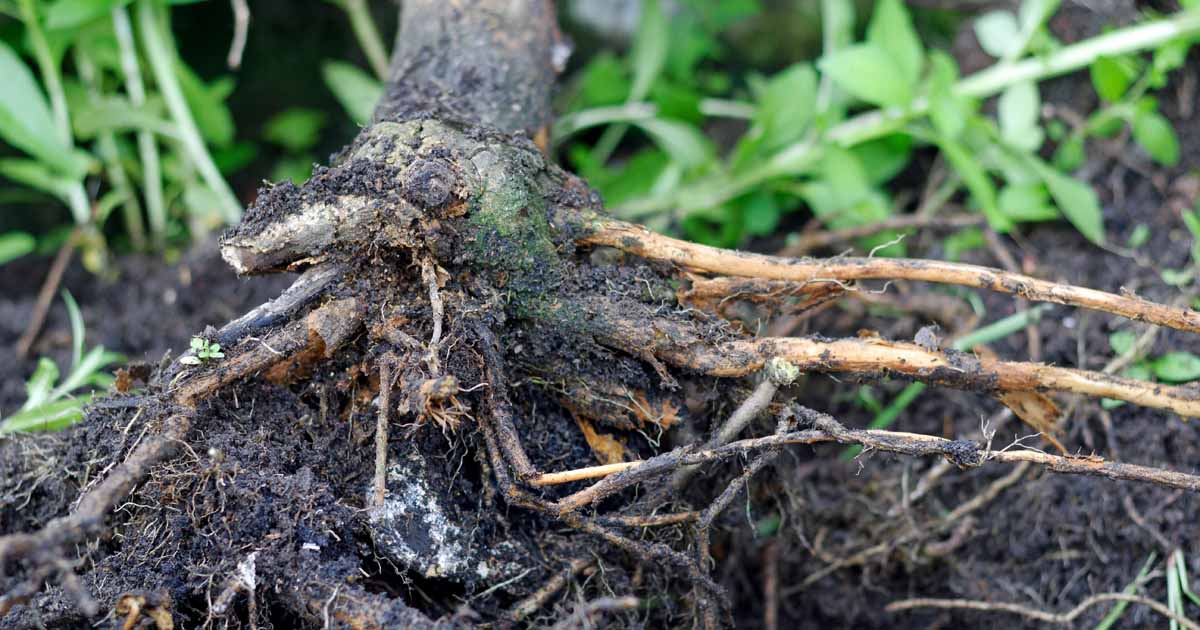
Brown fungus on soil can potentially impact the health and growth of your plants. This fungal growth may lead to root rot, a condition where the roots decay, hindering nutrient absorption and overall plant vitality. Fungal infections from brown fungus weaken plants, making them more prone to diseases and pest infestations. It is essential to regularly monitor and address brown fungus on soil to maintain plant health and prevent further damage. By implementing proper care practices such as adjusting watering routines and using well-draining soil, you can help mitigate the impact of brown fungus on your plant’s well-being. Remember, healthy soil and plants are crucial for a thriving garden, so staying vigilant and proactive in managing brown fungus is key to ensuring your plants remain strong and resilient against potential threats.
Prevention Techniques
:strip_icc()/hand-trowel-dirt-scoop-476cd200-a911791819aa48e784b9d6b2a2679cb0.jpg)
To prevent the growth of brown fungus on your plant soil, implementing proper moisture control practices is crucial. Overwatering creates a favorable environment for fungus to thrive, so ensure your plants receive adequate but not excessive water. Opt for well-draining soil mixes to prevent water from accumulating at the bottom of the pots, reducing the risk of fungus development. Regularly inspect and clean your plant containers to remove any decaying organic matter where fungus could proliferate. Adequate air circulation around your plants is also vital in inhibiting the growth of brown fungus on soil; consider placing fans or keeping windows open to promote airflow. Additionally, you can use natural fungicides like cinnamon or neem oil as a preventive measure. These natural remedies can help deter the onset of brown fungus and protect your plants from potential harm. By following these prevention techniques, you can maintain a healthy environment for your plants and keep brown fungus at bay.
Recognizing Brown Fungus Symptoms

When observing your plant soil, be on the lookout for distinct characteristics that indicate the presence of brown fungus. Brown fungus on soil often appears as dried-up moss or a patch of brown substance, emitting brown dust when disturbed. This fungus may have a powdery property that aids in its spread, making it an unusual sight in a backyard setting. Resembling a puffball mushroom, the brown fungus can release a cloud of spores when burst, similar to common occurrences of puffball mushrooms. If you come across such a formation in your backyard, it may be indicative of brown fungus. Keep in mind that this type of fungus is commonly found in locations like New Jersey, United States, where specific environmental conditions promote its growth. To learn more about identifying and managing brown fungus on soil, consider consulting resources such as Wikipedia for additional information.
Treatment Options
You can combat brown fungus on soil with various treatment options. Implement prevention strategies like proper ventilation and sunlight exposure. Consider using natural remedies such as hydrogen peroxide or cinnamon, and seek professional assistance if needed.
Prevention Strategies

Implementing effective prevention strategies is essential in managing and controlling brown fungus on soil, including ensuring proper drainage and using well-draining soil mixes. To prevent mold growth on your plants and affected soil, consider the following practical tips:
- Proper Drainage: Make sure your pots have drainage holes to prevent waterlogging.
- Well-Draining Soil Mixes: Opt for soil mixes that allow excess moisture to drain easily.
- Avoid Overwatering: Water your plants sparingly to maintain the right moisture balance.
- Regular Inspection: Check your plants frequently for any signs of brown fungus and remove affected areas promptly.
Natural Remedies

To address brown fungus on soil, explore natural remedies such as hydrogen peroxide, vinegar, cinnamon powder, proper ventilation, and regular soil maintenance. Hydrogen peroxide is a potent solution that can effectively kill mold on plant soil due to its antifungal properties. Diluted vinegar serves as another natural remedy that can be applied to affected areas to eliminate certain types of mold. Cinnamon powder, known for its natural antifungal properties, can be sprinkled on soil to combat mold growth effectively. Additionally, ensuring proper ventilation and adequate light in the plant’s environment can help prevent mold from thriving in the soil. Regularly scraping off affected soil areas and applying natural fungicides can also aid in managing brown fungus on soil. By incorporating these natural remedies into your plant care routine, you can effectively tackle mold issues and promote a healthier soil environment for your plants.
Professional Assistance
Professional expertise is crucial when addressing brown fungus on soil, ensuring effective treatment and removal of the fungal growth. When seeking professional assistance for brown fungus issues, consider the following:
- Consulting a mold remediation company: These experts have the knowledge and tools to handle fungus problems effectively.
- Soil testing: Professionals may conduct tests to determine the type and extent of contamination present in the soil.
- Treatment plans: Certified professionals can create customized treatment plans tailored to your specific situation.
- Follow-up inspections: Regular inspections post-treatment can ensure that the fungus is fully eradicated and does not return.
Importance of Prompt Action
Taking immediate action when confronted with brown fungus on soil is crucial to prevent further damage and ensure the health of your plants. Brown fungus often indicates mold growth, which thrives in damp environments. Start by identifying the mold and assessing the moisture levels in the soil; if the soil is dry, adjust your watering routine to prevent excess moisture accumulation. Removing the mold-infested soil promptly is essential to contain the spread and avoid potential root rot issues that can harm your plants. Delaying action may lead to more significant problems, impacting the overall well-being and growth of your greenery. By addressing the issue promptly, you can mitigate the risks associated with brown fungus and protect your garden from further contamination. Remember, swift intervention is key to maintaining a healthy environment for your plants to flourish.
Expert Consultation Benefits
When facing brown fungus on soil, seeking expert consultation is crucial for identifying the fungus type and understanding potential risks. Professionals can offer tailored advice on effective removal methods and prevention strategies to safeguard plant health. By consulting experts, you not only enhance your knowledge but also ensure accurate diagnosis and appropriate treatment for the fungus on soil.
Expert Advice Importance
Engaging with an expert for advice on dealing with brown fungus on soil is crucial for accurate identification and effective management. When seeking expert advice:
- You can benefit from accurate identification of the brown fungus, ensuring you understand the specific type affecting your soil.
- Professionals can assess the potential risks associated with the fungus, helping you gauge the impact on your plants and garden.
- Expert advice offers tailored solutions for removing and preventing the brown fungus, providing you with customized strategies suited to your situation.
- Consulting with specialists ensures proper handling of the situation to protect plant health, guiding you on the best practices to safeguard your garden.
Knowledge Enhancement Opportunity
Wondering how expert consultation can enhance your knowledge about dealing with brown fungus on soil? Expert consultations are invaluable when it comes to understanding the intricacies of brown fungus growth in soil. These professionals offer personalized guidance on identifying, managing, and preventing the spread of brown fungus. By seeking expert advice, you can gain insights into the characteristics of brown fungus, the associated risks, and the most effective prevention methods. Furthermore, consultations provide you with tailored strategies to control the spread of brown fungus and protect the health of your plants. Experts can recommend specific treatments, fungicides, or even soil replacements to address brown fungus issues efficiently. Accessing expert knowledge not only equips you with the necessary tools to combat brown fungus effectively but also ensures the long-term health and vitality of your plants. Take advantage of expert consultations to enhance your understanding and ability to manage brown fungus on soil.