

Care for your Rio Dipladenia plant by placing it in 6-8 hours of direct sunlight daily and using well-draining, slightly acidic soil. Water only when the soil is dry to touch, preventing root rot. Ensure temperatures above 50°F for optimal growth. For container gardening, choose pots with drainage holes and move to maximize sunlight exposure. Prune in early spring, fertilize in spring and midsummer, and check for pests regularly. Troubleshoot yellowing leaves from overwatering, wilting from underwatering, or leggy growth from inadequate sunlight. Maintain your plant’s health to enjoy its stunning blooms and vibrant colors.
Plant Characteristics

Discover the allure of Rio Dipladenia plants with their striking trumpet-shaped flowers and glossy green foliage that radiates tropical beauty in your garden. When it comes to caring for these stunning plants, providing the right soil is essential. Rio Dipladenias thrive in well-draining, slightly acidic soil. A high-quality potting mix designed for tropical plants works well for container-grown Dipladenias. When planting them in the ground, ensure the soil is rich in organic matter to promote healthy growth.
Proper care also involves keeping an eye on watering. While Rio Dipladenias enjoy moist soil, it’s crucial to avoid waterlogging, which can lead to root rot. Water deeply but infrequently, allowing the soil to dry out slightly between waterings. Fertilize your Dipladenias regularly during the growing season with a balanced fertilizer to encourage blooming and lush foliage. With the right soil and care regimen, your Rio Dipladenias will flourish and enchant with their vibrant colors and elegant blooms.
Optimal Sunlight Exposure

To ensure the health and vibrant bloom production of your Rio Dipladenias, providing abundant, direct sunlight is essential. These stunning plants thrive when they receive at least 6-8 hours of direct sunlight per day. Place them within a foot of a window to maximize their growth potential and ensure they receive the necessary light intensity. Remember, direct sunlight is crucial for the survival and overall well-being of your Rio Dipladenias.
Weather conditions can impact the amount of sunlight your Rio Dipladenias need. In areas with hot, intense sunlight, consider providing some protection during the peak hours to prevent sunburn on the leaves. However, in cooler or overcast climates, ensure they receive as much direct sunlight as possible to support healthy growth and abundant flowering.
For optimal results, position your Rio Dipladenias in a location where they can bask in the sun’s rays and thrive. Combine this with well-draining soil to create a perfect environment for these amazing plants to flourish.
Ideal Soil Conditions
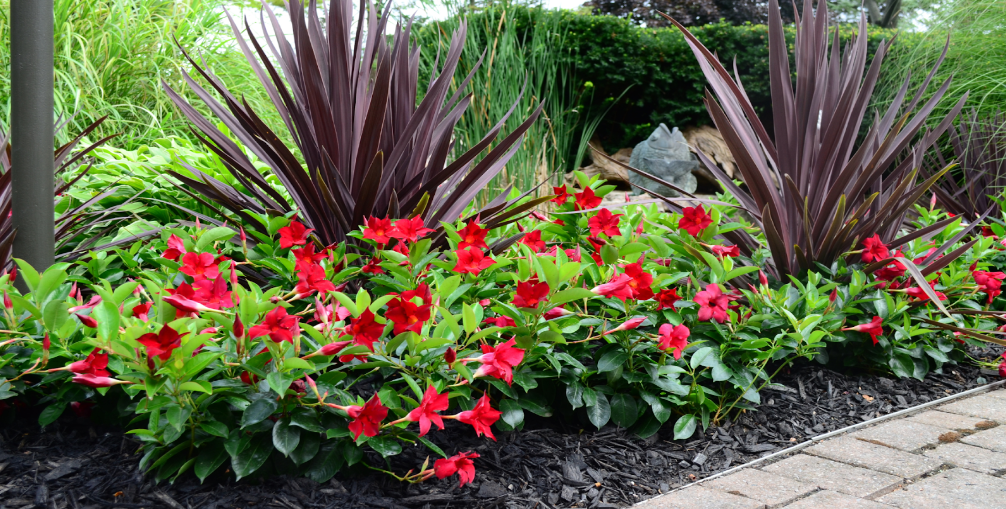
Creating a suitable environment with well-draining, slightly acidic soil is crucial for the optimal growth and health of your Rio Dipladenias. To meet their soil requirements, consider using a well-balanced soil mix that provides good drainage while retaining moisture. A recommended mix is one part potting soil combined with one part perlite or sand to enhance drainage capabilities. This blend helps prevent waterlogged conditions that can lead to root rot, a common issue with Rio Dipladenias.
When preparing the soil, ensure it is loose and well-aerated to promote healthy root development. Test the soil moisture levels regularly to maintain a balanced environment for your plant. Remember, Rio Dipladenias prefer soil that allows excess water to drain away efficiently. By providing the right soil conditions, you are setting the foundation for a thriving and vibrant Rio Dipladenia plant in your garden or home.
Watering Frequency
Maintaining an optimal watering frequency is key to ensuring the health and vitality of your Rio Dipladenias, complementing the ideal soil conditions you’ve established for these plants. Rio Dipladenias are drought-tolerant and require a careful balance in watering to thrive. Here are some practical tips to help you care for your Rio Dipladenias effectively:
- Monitor Soil Moisture: Check the soil regularly and water only when it is dry to the touch.
- Avoid Overwatering: Prevent root rot by allowing the soil to dry out between waterings.
- Occasional Watering: Rio Dipladenias are easy-care plants that do not demand frequent watering.
- Adaptability to Drought: These plants can withstand periods of drought, adjusting well to varying watering schedules.
- Essential for Growth: Proper watering is crucial for promoting healthy growth and vibrant blooms in your Rio Dipladenias.

Temperature Requirements
Consider the ideal temperature range for your Rio Dipladenias to ensure their health and vitality. These plants thrive in temperatures above 50°F, making them perfect for warm and tropical climates. However, they do not tolerate temperatures below 45°F, so it’s crucial to protect them from cold drafts or frost. The heat-tolerant qualities of Rio Dipladenias allow them to withstand hot weather conditions, while their cold-tolerant characteristics enable them to flourish in cooler climates as well. Understanding their temperature requirements is essential for the successful growth and care of these plants.
To maintain the health of your Rio Dipladenias, ensure they are in an environment where the temperature remains within their preferred range. If you live in a region with extreme heat or drought, consider providing some shade during the hottest parts of the day to prevent stress on the plants. On the other hand, if you’re in a cooler climate, make sure to shield them from cold drafts and frost to help them thrive. By paying attention to their temperature needs, you can enjoy vibrant and healthy Rio Dipladenias in your garden.
Pruning Tips

When pruning your Rio Dipladenia, focus on removing dead or damaged branches to promote a healthier plant. Additionally, cutting back overgrown stems will help maintain a compact and bushy appearance. Pruning not only keeps your plant looking its best but also encourages new growth and more abundant blooming.
Here are some essential pruning tips for your Rio Dipladenia:
- Use sharp tools: Always use sharp and clean pruning shears to make precise cuts without causing unnecessary damage to the plant.
- Prune after flowering: To promote new growth and ensure a healthy blooming cycle, prune your Rio Dipladenia after the flowering period.
- Remove leggy growth: Trim back any leggy or straggly growth to maintain a bushy and well-shaped plant.
- Cut at a 45-degree angle: When making cuts, angle your pruning shears at 45 degrees to prevent water from pooling on the cut surface.
- Regular maintenance: Make pruning a regular part of your plant care routine to keep your Rio Dipladenia thriving and looking its best.
Pests and Diseases
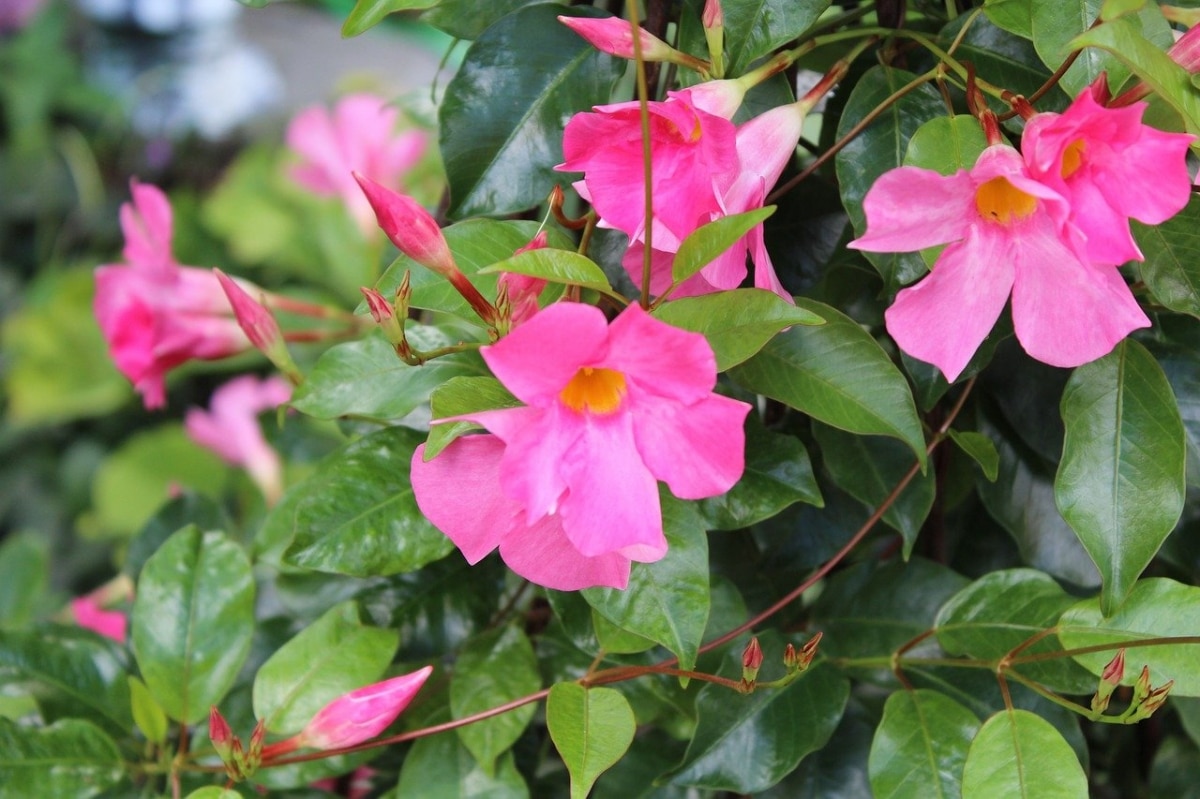
To keep your Rio Dipladenia thriving, it is important to be vigilant in monitoring for pests and diseases that can affect its health and growth. While Rio Dipladenias are generally low-maintenance plants when it comes to pests and diseases, they can still fall victim to common issues like aphids, spider mites, and whiteflies. Regularly inspecting the plant for any signs of pest infestation, such as sticky residue on leaves or tiny webs, can help prevent damage.
In addition to pests, overwatering can lead to root rot and other fungal diseases in Rio Dipladenias. It is crucial to maintain well-draining soil and avoid letting the plant sit in water for prolonged periods. Furthermore, providing proper air circulation around the plant and avoiding overcrowding can also help prevent disease issues.
Propagation Methods
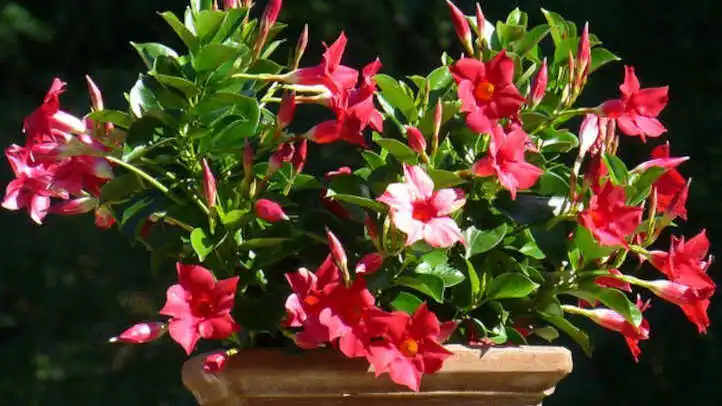
Propagation of Rio Dipladenias can be successfully achieved through various methods, offering gardeners the opportunity to expand their plant collection effectively. One popular method is through stem cuttings, where a 4-6 inch cutting is taken from a healthy plant and placed in well-draining soil or water until roots develop, usually within a few weeks. Another technique is layering, involving partially burying a stem in soil until roots form. Division is also a viable option, where the plant’s root ball is separated into multiple sections to create new plants. Propagation not only allows for the expansion of your Rio Dipladenia collection but also enables you to share plants with others, fostering a sense of community among gardeners. Experimenting with different propagation methods can be a rewarding experience, providing you with a sense of accomplishment as you watch your plant collection grow.
Container Gardening
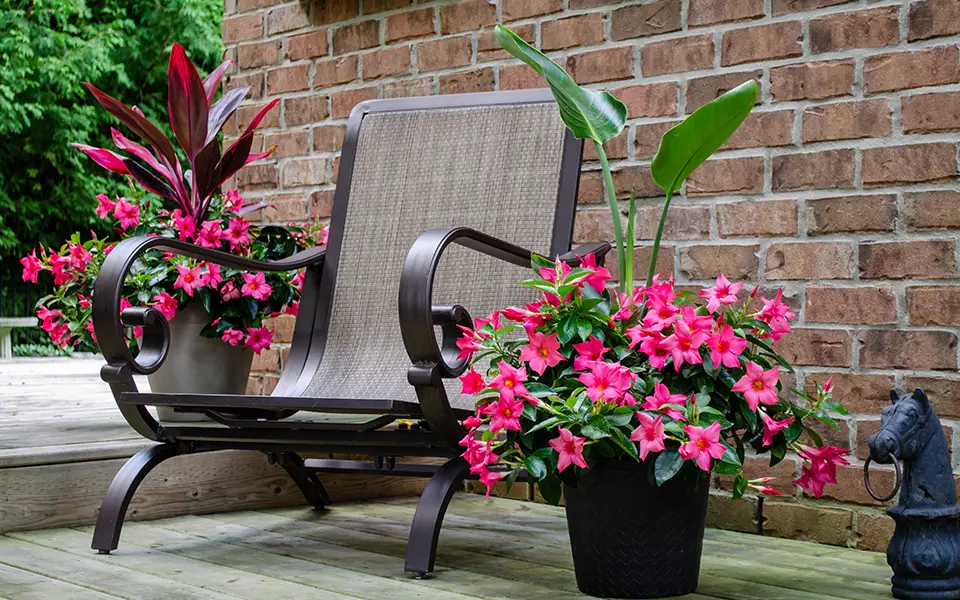
Considering the versatility of Rio Dipladenias, container gardening offers an excellent way to showcase these plants in small spaces, such as balconies or patios. When opting for container gardening with Rio Dipladenias, it’s crucial to choose pots with good drainage holes to allow excess water to escape. Use well-draining soil to prevent waterlogging and ensure the roots have access to oxygen.
Container gardening provides the flexibility to move your Rio Dipladenias around to optimize sunlight exposure and temperature conditions. These plants are not only space-savers but also bring vibrant colors and beauty to outdoor areas when potted in containers. Their lush foliage and blossoms can serve as a striking focal point or a charming accent piece on your balcony, patio, or porch.
Remember to allow the soil to dry slightly between watering sessions to prevent overwatering, which can lead to root rot. Container-grown Rio Dipladenias can truly transform any outdoor living space into a picturesque oasis.
Seasonal Maintenance
For effective care of Rio Dipladenia, implementing seasonal maintenance practices is essential to ensure the plant’s health and vigor throughout the year. To keep your Rio Dipladenia looking its best, follow these seasonal maintenance tips:
- Prune in Early Spring: Trim back any dead or damaged growth to encourage new growth and maintain a tidy appearance.
- Deadhead Regularly: Remove spent blooms to promote continuous flowering and keep the plant looking fresh.
- Check for Pests: Keep an eye out for common pests like spider mites or aphids. If you spot any, treat them promptly to prevent damage to your plant.
- Fertilize in Spring and Midsummer: Boost your Rio Dipladenia’s growth by fertilizing it in the spring and again in midsummer to provide essential nutrients.
- Mulch Around the Base: Apply mulch around the base of the plant to help retain moisture, regulate soil temperature, and suppress weed growth.
Fertilizing Schedule
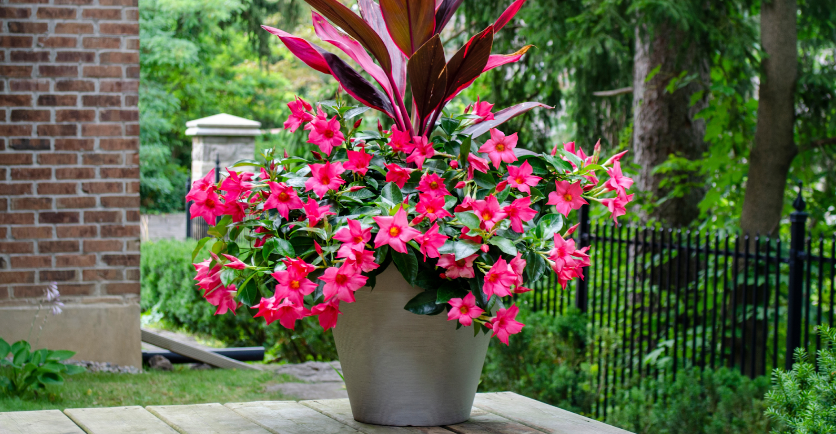
To maintain the health and vibrancy of your Rio Dipladenia, it is crucial to establish a consistent fertilizing schedule. Begin by fertilizing your plant every 2 weeks with an all-purpose fertilizer. This routine promotes healthy growth and vibrant blooms, ensuring your Rio Dipladenia remains in top condition. Regular fertilization also helps maintain the flower color and supports prolonged blooming of your plant.
When initially planting your Rio Dipladenia in fresh potting soil, the necessary nutrients are usually present, reducing the immediate need for additional fertilizer. However, as your plant grows, the nutrients in the soil may begin to deplete. This signals the importance of adhering to a regular fertilizing schedule to provide the essential nutrients for optimal growth.
Troubleshooting Common Issues

If you notice yellowing leaves on your Rio Dipladenia, it could be a sign of overwatering or lack of nutrients. To ensure your plant stays healthy, here are some common issues you might encounter and how to care for them:
- Wilting: Wilting can be a sign of underwatering or root rot. Check the soil moisture level and adjust your watering routine accordingly.
- Brown Spots on Leaves: Brown spots could indicate fungal diseases or sunburn. Ensure proper air circulation around the plant and protect it from direct sunlight during the hottest parts of the day.
- Leggy Growth: Leggy growth may result from insufficient sunlight or overcrowding. Move your plant to a brighter location with better airflow.
- Stunted Growth: Stunted growth might be due to poor soil quality or lack of fertilization. Consider repotting your Rio Dipladenia in nutrient-rich soil and fertilize it regularly.
- Yellowing Leaves: Yellowing leaves might be a sign of nutrient deficiency. Consider feeding your plant with a balanced fertilizer to provide the necessary nutrients for healthy growth.