

Discover the 8 hummingbird species in North Carolina. From the iridescent Anna’s with red crowns to the black-chinned males’ vivid purple throats, each species brings unique charm. Watch the agile Broad-billed males with striking green plumage and bright blue bills flutter among desert flowers. Observe the Buff-bellied’s territorial nature and distinctive buzzing flight as it sips nectar in tropical habitats. Learn about Costa’s iridescent green backs and purple crowns that favor southwestern US arid landscapes. Stay intrigued by the migration patterns of Lucifer, the plumage of Rivoli’s, and fascinating facts about the Violet-crowned.
1. Anna’s Hummingbird Overview

Anna’s Hummingbird, though primarily common on the west coast, is a rare sight in North Carolina due to its distinctive features and habitat preferences. This species, known scientifically as Calypte anna, is renowned for the iridescent red coloring found on the males’ crown and gorget. In contrast, females exhibit green backs and light undersides, making them easily distinguishable.
The Anna’s Hummingbird is characterized by its unique buzzy call and agile flight patterns, traits that contribute to its charm and allure. While these hummingbirds are year-round residents in their western range, they may venture to North Carolina for the winter in search of milder climates. They are commonly found in open woodlands, gardens, and urban areas with abundant nectar-rich flowers and feeders, which cater to their dietary needs.
Observing an Anna’s Hummingbird in North Carolina is a special treat, offering a glimpse into the fascinating world of these enchanting creatures.
2. Black-chinned Hummingbird Facts

The Black-chinned Hummingbird, known scientifically as Archilochus alexandri, is a species occasionally sighted in North Carolina. Male Black-chinned Hummingbirds are easily recognizable by their vibrant purple throat band, whereas females exhibit a subtler throat patch. During hummingbird migration periods, these birds pass through North Carolina, contributing to the diverse array of species in the region. Black-chinned Hummingbirds are particularly fond of habitats abundant in nectar sources such as flowers and feeders, making them a common sight in gardens and a favorite among birdwatchers. Their distinctive coloring and behavior make observing and identifying them a rewarding experience for those interested in North Carolina’s avian wildlife. Keep a keen eye out for these graceful flyers with their characteristic hum and aerial acrobatics, adding a touch of natural beauty to the state during their migratory journeys.
3. Broad-billed Hummingbird Characteristics

Male Broad-billed Hummingbirds are easily distinguishable by their striking iridescent green plumage and bright blue bills. These vibrant colors make them stand out among other hummingbird species. Females of the Broad-billed Hummingbird also exhibit green plumage but have a slightly duller appearance compared to the males. This species is known for its preference for habitats with ample nectar sources, such as desert scrublands, canyons, and mountainous regions.
To further understand the characteristics of the Broad-billed Hummingbird, let’s take a closer look at some key features in the table below:
| Characteristic | Description |
|---|---|
| Plumage Color | Iridescent green in males, slightly duller in females |
| Bill Color | Bright blue in males, slightly shorter in females |
| Preferred Habitat | Desert scrub, canyons, mountainous regions |
| Feeding Behavior | Agile flyers, feed on nectar from various flowers |
Understanding these characteristics can help in identifying and appreciating the beauty of the Broad-billed Hummingbird when encountered in the wild.
4. Buff-bellied Hummingbird Behavior

With vibrant green and cinnamon plumage, Buff-bellied Hummingbirds display distinct behavior patterns in their preferred tropical and subtropical habitats. When observing Buff-bellied Hummingbirds, you may notice the following behaviors:
- Feeding Behavior: Buff-bellied Hummingbirds have a unique feeding habit of perching while sipping nectar. This behavior sets them apart from other hummingbird species and allows for a more stable feeding experience.
- Territorial Nature: These hummingbirds are fiercely territorial, especially when it comes to their feeding and nesting areas. Buff-bellied Hummingbirds will vigorously defend these spaces against intruders, showcasing their bold and assertive nature.
- Distinctive Buzzing Flight: As Buff-bellied Hummingbirds zip through the air, their wings produce a distinctive buzzing sound. This auditory trait adds to their charm and makes them easily distinguishable from other bird species in their habitat.
5. Costa’s Hummingbird Habitat Insights

In the arid habitats of the southwestern United States and Mexico, Costa’s Hummingbirds thrive among desert flora and nectar-rich flowering plants. These vibrant hummingbirds display a preference for regions such as deserts, scrublands, and mountainous areas, where agave, ocotillo, and other blooming plants provide ample nectar sources essential for sustenance.
Costa’s Hummingbirds, known for their distinctive iridescent green backs, pale underparts, and striking purple crowns, are commonly spotted in southern California, Arizona, New Mexico, Texas, and extending into various parts of Mexico. Their non-migratory nature sets them apart, as they remain steadfast in their favored habitats throughout the year.
6. Lucifer Hummingbird Migration Patterns
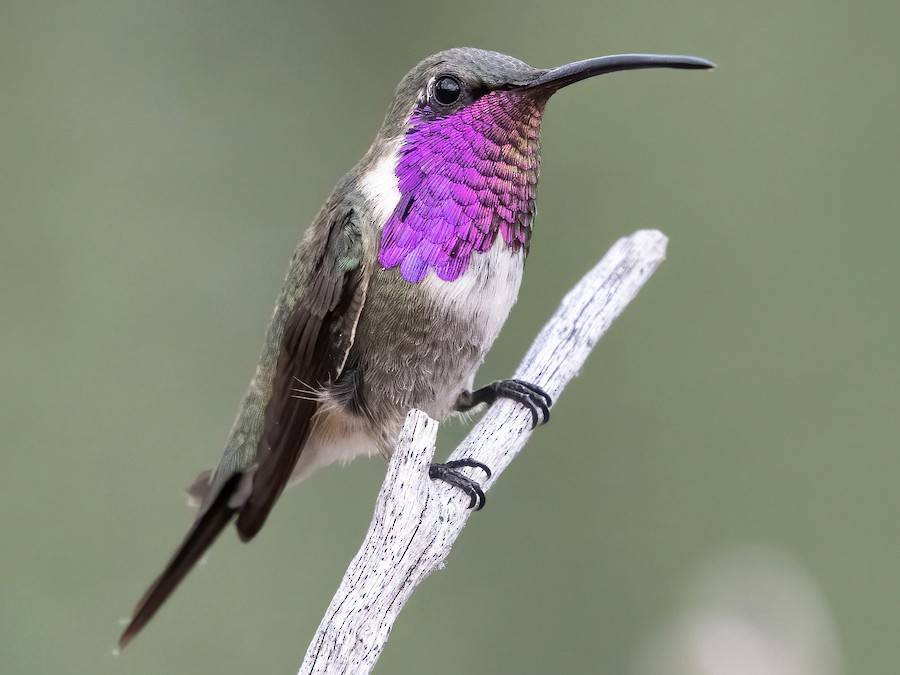
During their annual migration, Lucifer Hummingbirds travel from their breeding grounds in Mexico to their wintering areas in southern Arizona and Texas. These tiny birds undertake a remarkable journey to escape the harsh conditions of their breeding grounds and find more favorable habitats. Here are some key points about their migration patterns:
- Timing: Lucifer Hummingbirds begin their migration in late summer, with the peak migration period occurring in early fall. They return to their breeding grounds in Mexico during the spring months.
- Route: The Lucifer Hummingbirds follow a well-defined route that takes them through the arid regions of the southwestern United States. They navigate using a combination of instinct, visual landmarks, and environmental cues.
- Behavior: During migration, Lucifer Hummingbirds are known to exhibit high energy levels to cover the long distances involved. They prioritize feeding along the way to sustain their energy reserves for the journey.
7. Rivoli’s Hummingbird Plumage Details

Rivoli’s Hummingbird plumage details reveal distinctive characteristics that set this species apart in North Carolina’s hummingbird population. Males of Rivoli’s Hummingbird display iridescent green throat feathers and a deep blue crown, creating a striking contrast against their dark bodies. On the other hand, females exhibit a more subtle coloration with shades of green and white. These visual identifiers make Rivoli’s Hummingbird a sought-after sight for birdwatchers due to their vibrant and captivating appearance, especially in their preferred mountainous habitats.
| Plumage Details | Description |
|---|---|
| Male Throat Feathers | Iridescent green, shining in the sunlight |
| Male Crown | Deep blue, contrasting with dark body |
| Female Coloration | Subdued green and white hues |
| Feather Patterns | Intricate designs, visually captivating |
8. Violet-crowned Hummingbird Fun Facts
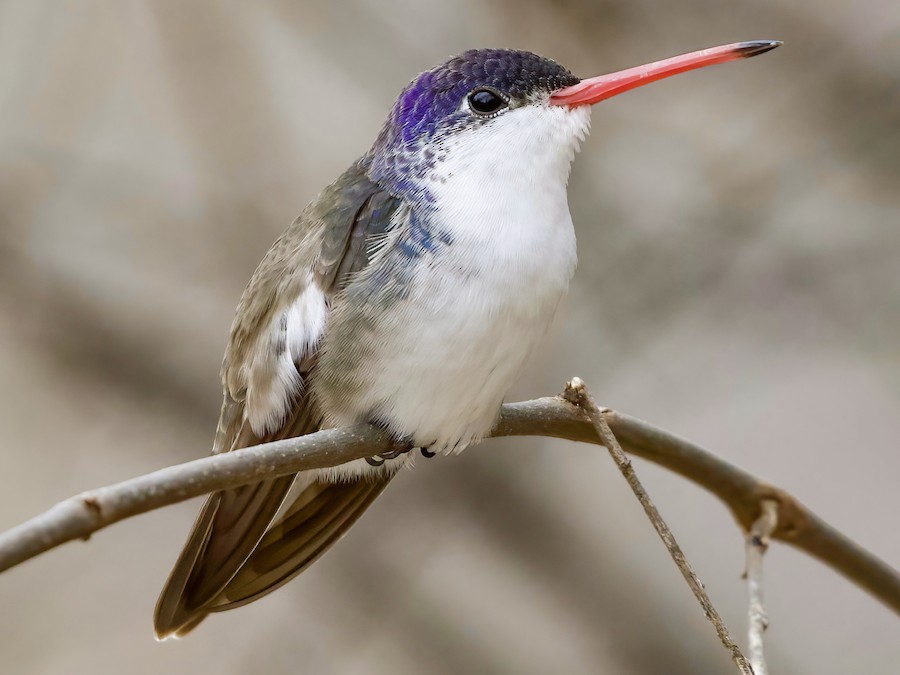
With its vibrant violet crown and throat, the Violet-crowned Hummingbird (Amazilia violiceps) stands out as a medium-sized hummingbird species known for its distinctive features. Here are some fun facts about this unique bird:
- Habitat Preference: The Violet-crowned Hummingbird is commonly found in arid habitats such as desert scrub and oak woodlands. These environments provide the perfect conditions for their foraging and nesting activities.
- Distinctive Appearance: Apart from its striking violet crown and throat, this species boasts a metallic green back and a white belly, creating a beautiful contrast in its plumage. Observing these colors in the sunlight is a mesmerizing sight for bird enthusiasts.
- Non-Migratory Behavior: Unlike many other hummingbird species, Violet-crowned Hummingbirds are non-migratory. They can be spotted year-round in their preferred habitats, offering consistent opportunities for birdwatchers to admire their grace and beauty in flight.