

Explore the stunning hummingbird diversity in Minnesota, from the vivid Ruby-throated with its aerial prowess to the elusive Rufous covering vast migration distances. Witness the rare jewel, Anna’s, with its coastal charm and vocal melodies, or be enchanted by the musical trills of the petite Calliope. Spot the Black-chinned, a shimmering visitor from the West, savoring nectar and insects. Each species brings its unique allure to the state. Unravel more about their habitats, habits, and migration routes to deepen your admiration for these tiny, fascinating creatures.
1. Ruby-throated Hummingbird
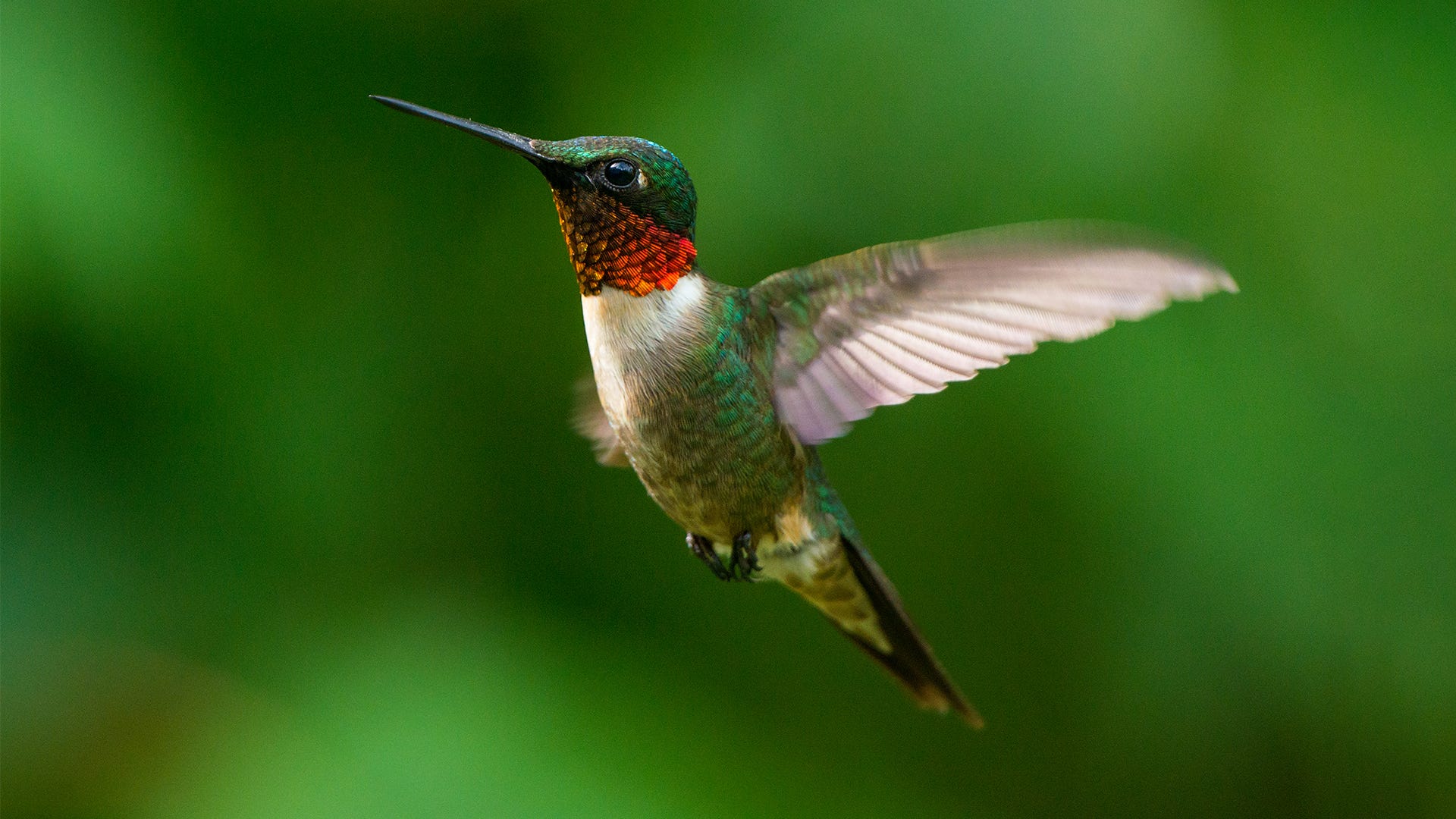
The Ruby-throated Hummingbird, commonly observed in Minnesota during the summer months, showcases vibrant colors and remarkable agility in flight. These tiny birds have a primary food source of nectar, which they obtain from various flowers and feeders. To attract Ruby-throated Hummingbirds to your garden, consider planting native plants such as bee balm, cardinal flower, and trumpet vine, which provide them with the nectar they need for energy.
In addition to nectar, these hummingbirds also feed on insects for protein. By maintaining a diverse garden with a mix of nectar-producing plants and insects, you can create a habitat that supports these beautiful creatures throughout the summer months. Observing their feeding behavior is a delightful experience, as they hover mid-air and dart from flower to flower with incredible speed and precision.
2. Rufous Hummingbird
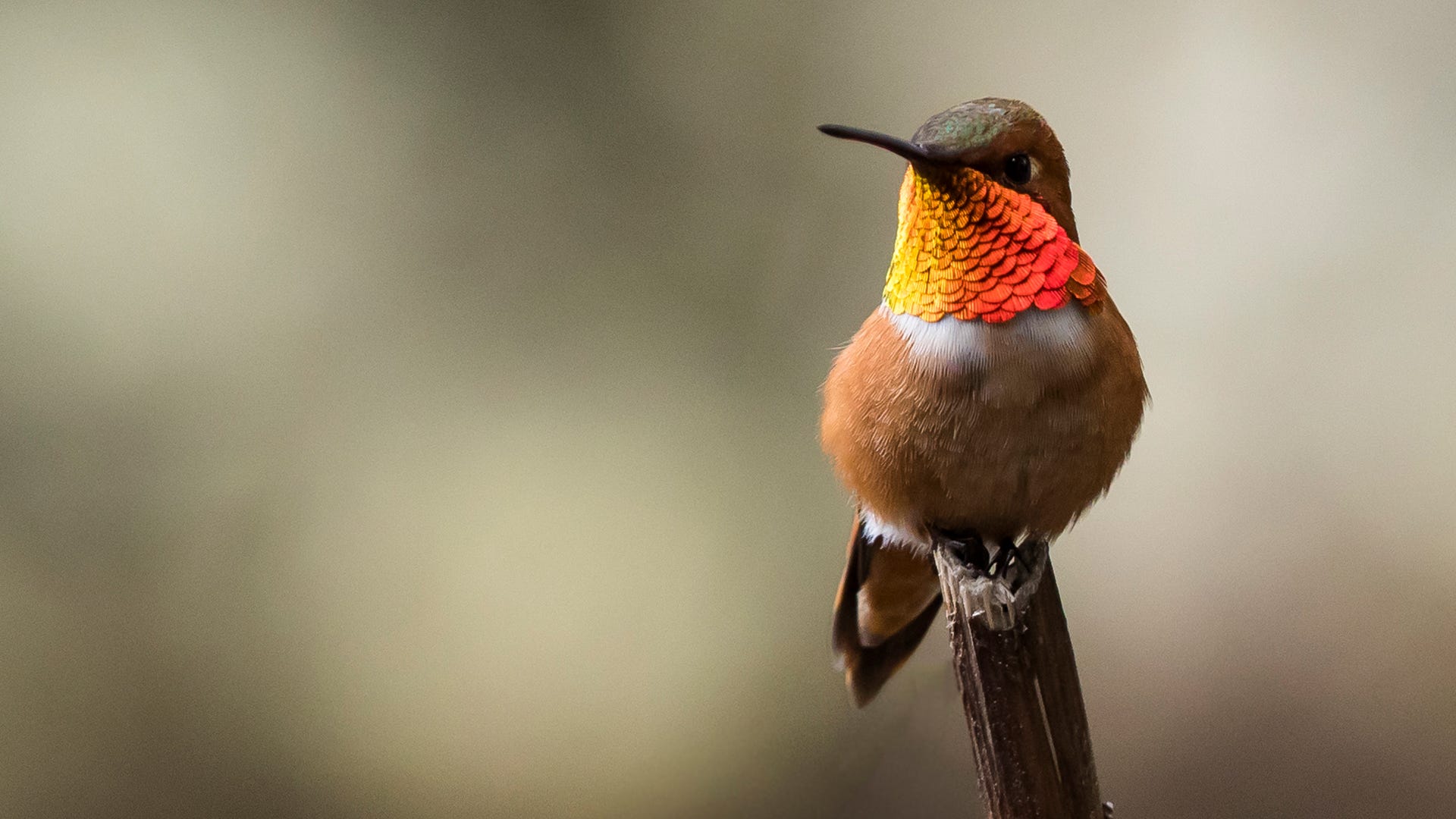
With their bright copper-orange back and sides in males, Rufous Hummingbirds are easily distinguishable during migration seasons. These tiny birds embark on an impressive journey of 3,900 miles twice a year, navigating along the Pacific Coast in spring and retracing their path via the Rocky Mountains in fall. Rufous Hummingbirds exhibit remarkable resourcefulness in nest-building, using plant down and spider webs to create sturdy structures for their young.
Attracting Rufous Hummingbirds to your backyard can be a rewarding challenge. Due to their territorial nature, strategic feeder placement is essential to prevent conflicts with other hummingbirds. These feeders should be positioned in open spaces, away from windows and reflective surfaces, to ensure the safety of these vibrant creatures.
In Minnesota, spotting a Rufous Hummingbird is a rare and thrilling experience. Observing these resilient birds offers a glimpse into their extraordinary migratory feats and the intricate ways in which they adapt to their surroundings.
3. Anna’s Hummingbird

Spotting the iridescent green plumage and vibrant pink throat feathers of Anna’s Hummingbird in Minnesota is a rare occurrence, given their primary habitat along the western coast of North America. These birds are known for their beautiful appearance, with males displaying the striking colors on their throat, while both males and females have green plumage and a white breast. Anna’s Hummingbirds are unique in that they are non-migratory, residing year-round in coastal habitats where they can find ample nectar and insects for feeding. Their presence in Minnesota is likely due to occasional stray individuals that wander far from their typical range. These hummingbirds are also recognized for their vocalizations, emitting various sounds like chirps, squeaks, and buzzes, especially during courtship displays. While spotting an Anna’s Hummingbird in Minnesota may be a rare treat for birdwatchers, their usual sightings are in gardens, parks, and urban areas along the West Coast.
4. Calliope Hummingbird
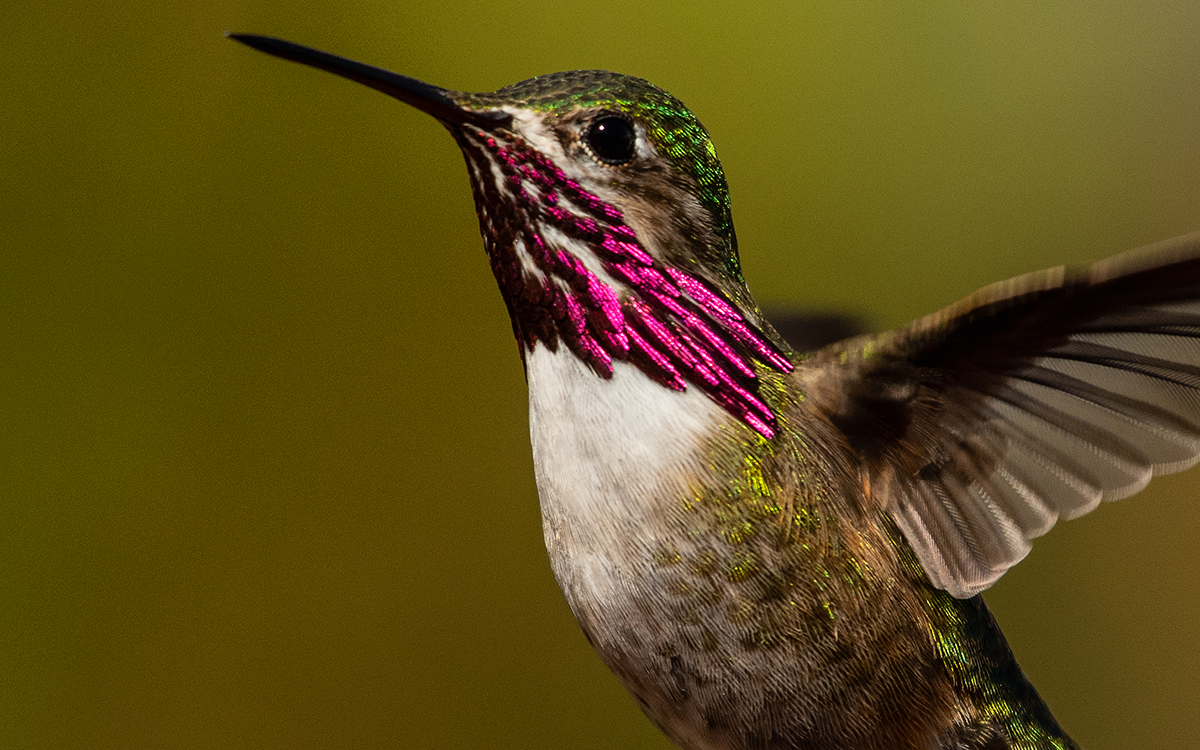
When observing the Calliope Hummingbird, one immediately notices its distinctive high-pitched, musical whistle-like sound during flight. This tiny bird, the smallest breeding bird in North America, showcases iridescent green plumage and a striking purple throat patch (gorget). Calliope Hummingbirds can be found from the Pacific Northwest to the Rocky Mountains and migrate to Mexico for the winter, traveling long distances.
To further understand the uniqueness of the Calliope Hummingbird, let’s compare it with the Rufous Hummingbirds in the table below:
| Calliope Hummingbird | Rufous Hummingbirds |
|---|---|
| Smallest breeding bird in North America | Known for their fierce territorial behavior |
| High-pitched, musical whistle-like sound during flight | Vibrant orange coloration on males |
| Iridescent green plumage with purple throat patch | Migration path crosses the Gulf of Mexico |
| Range from Pacific Northwest to the Rocky Mountains | Often seen aggressively defending feeders |
| Migrates to Mexico for the winter | Return to the Pacific Northwest before the next breeding season |
5. Black-chinned Hummingbird

The Black-chinned Hummingbird, distinguished by its metallic green back and crown along with a shimmering black chin, is a captivating species commonly spotted in the western United States and Mexico, with occasional sightings in Minnesota. Male Black-chinned Hummingbirds showcase a vibrant purple gorget, while females exhibit a white throat speckled with green. Their diet primarily consists of nectar and insects, fueling their agile and swift movements. Conservation efforts are crucial in safeguarding their habitats and educating the public about their migration patterns.
Observing these mesmerizing creatures in your backyard can be a rewarding experience. To attract them, consider setting up hummingbird feeders with a solution of four parts water to one part white granulated sugar. Planting native flowers such as penstemon, bee balm, and columbine can also entice these tiny birds. By creating a hospitable environment, you may have the chance to marvel at the beauty and grace of the Black-chinned Hummingbird up close.