

To grow vibrant red sunflowers, plant in well-draining soil with 6-8 hours of sunlight after the last spring frost. Water deeply but infrequently, keeping foliage dry. Fertilize with balanced 10-10-10 formula during planting and mid-growth. Deadhead after blooming and provide ample water for continuous growth. Maintain 70-78°F temperatures with good air circulation. Prevent leggy growth by avoiding excessive fertilization. In containers, monitor water and light needs closely for healthy blooms. Ensure soil moisture and optimal care to support vibrant red sunflowers in your garden. Your red sunflowers will thrive with these essential tips for growth and care.
Planting Red Sunflowers
When planting red sunflowers, ensure you choose a spot in your garden that receives at least 6-8 hours of sunlight daily for optimal growth. Red sunflowers, such as the Drop Dead Red variety, are vibrant annual flowers that can be directly planted into well-drained, fertile soil after the final frost in spring. These stunning flowers not only add a pop of color to your garden but also attract beneficial pollinators like bees and birds.
To create a striking display of red sunflowers, consider planting them en masse. This not only enhances the visual impact but also ensures a continuous bloom throughout the season. By providing the necessary sunlight and well-draining soil, you can support the healthy growth of your red sunflowers and enjoy their beauty for an extended period.
Sunlight and Soil Requirements

For red sunflowers to flourish, they require a minimum of 6-8 hours of direct sunlight daily and well-drained, nutrient-rich soil with a pH between 6.0 to 7.5. Sunlight is crucial for the optimal growth of red sunflowers, aiding in the development of their vibrant blooms. Choose a sunny spot in your garden that receives full sunlight throughout the day to ensure your red sunflowers thrive. When it comes to soil, make sure it is well-drained to prevent waterlogging, as excessive moisture can harm the plants. Red sunflowers prefer nutrient-rich soil, so consider amending your soil with organic matter like compost to boost its fertility. Test the pH of the soil and aim for a range between 6.0 to 7.5, ensuring it falls within the ideal range for red sunflower growth. By providing ample sunlight and well-drained, rich soil, you set the stage for your red sunflowers to dazzle with their striking red blossoms.
Proper Watering Techniques
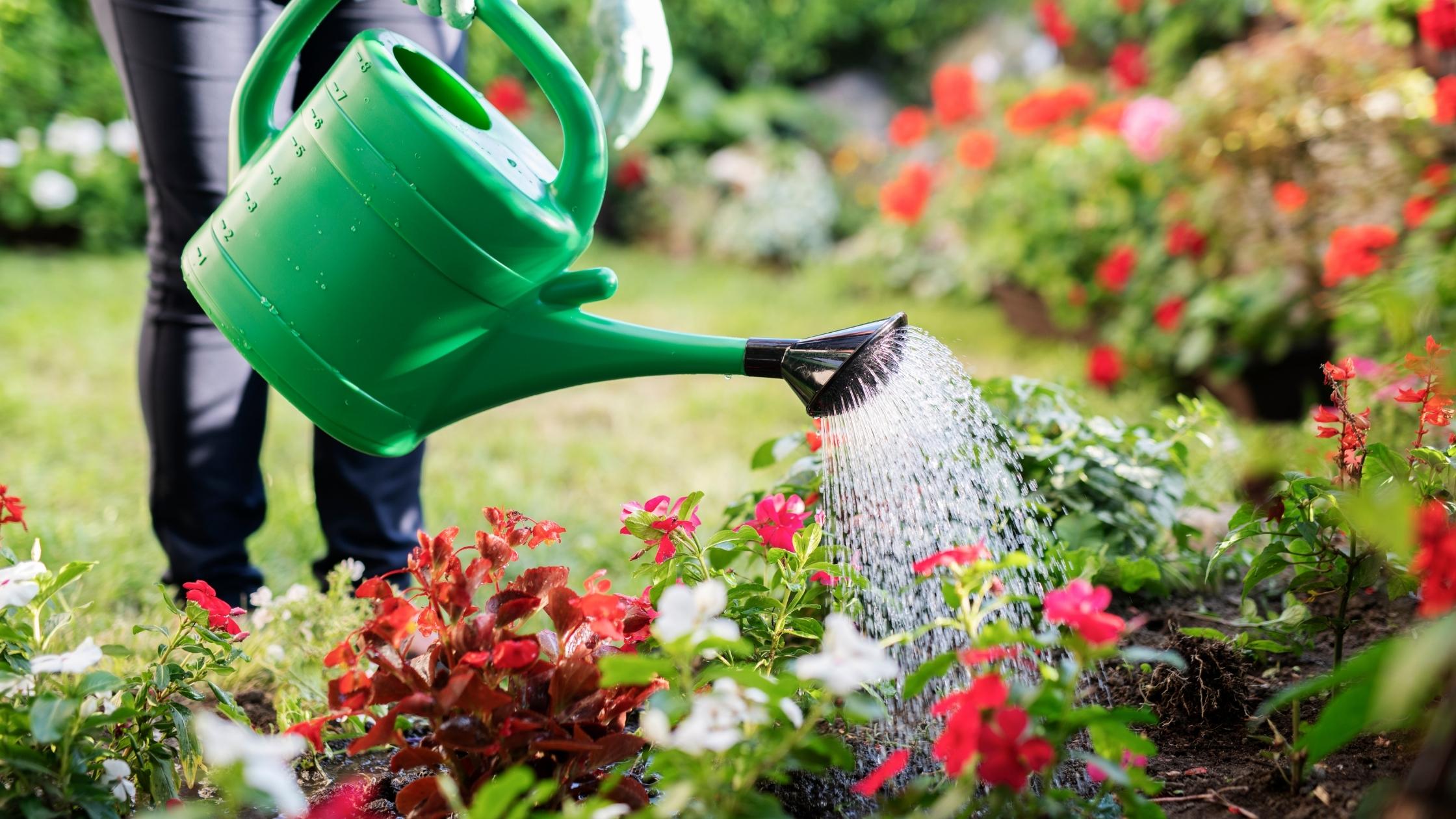
To ensure the health and vitality of your red sunflowers, mastering proper watering techniques is essential. Water your sunflowers deeply but infrequently to promote deep root growth. Overwatering can lead to issues like root rot, so it’s crucial to strike a balance. Aim to water at the base of the plant to keep the foliage dry, reducing the risk of fungal diseases. Be attentive to weather conditions and soil moisture levels, adjusting your watering frequency accordingly. Consider using a soaker hose or a drip irrigation system to deliver water directly to the roots of your red sunflowers, ensuring efficient hydration. These methods not only conserve water but also help prevent water-related problems. By following these proper watering techniques, you can foster robust growth and vibrant blooms in your red sunflower garden.
Ideal Temperature and Humidity
Maintaining optimal temperature and humidity levels is crucial for the health and vitality of your red sunflowers. Red sunflowers thrive in temperatures between 70 to 78 degrees Fahrenheit for ideal growth and blooming. They can withstand high heat if the soil retains enough moisture. However, it is essential to keep humidity levels moderate to low to prevent fungal diseases such as powdery mildew. These flowers prefer drier conditions with good air circulation to avoid issues related to humidity. Adequate ventilation and proper drainage are key to maintaining the right balance of temperature and humidity, ensuring healthy red sunflowers.
| Temperature | Humidity Levels | Ideal Conditions |
|---|---|---|
| 70-78°F | Moderate to Low | Good Air Circulation |
Fertilizing Red Sunflowers
To ensure the healthy growth and vibrant blooms of your red sunflowers, fertilize them with a balanced fertilizer like a 10-10-10 formula. This type of fertilizer provides a good mix of essential nutrients without overwhelming the plants. When planting your red sunflowers, incorporate the fertilizer into the soil. Once the plants reach a height of 6-8 inches, apply the fertilizer again following the manufacturer’s instructions for the right dosage. Over-fertilizing can be detrimental, causing leggy growth and reducing flower production, so it’s crucial to stick to the recommended amounts.
For a more natural approach, consider using organic fertilizers such as compost or well-rotted manure. These alternatives provide nutrients gradually and improve soil structure, promoting long-term health for your red sunflowers. Regular fertilization throughout the growing season will help your red sunflowers thrive and produce an abundance of beautiful blooms. By feeding your red sunflowers appropriately, you can enjoy a vibrant and healthy display in your garden.

Deadheading for Blooming
Enhance the blooming potential of your red sunflowers by regularly deadheading spent flower heads to encourage continuous flower production. Deadheading is the practice of removing faded or spent flower heads to redirect the plant’s energy into producing new blooms. By deadheading, you prevent the formation of seeds, prompting the plant to focus on blooming. This simple task not only promotes new blooms but also extends the blooming period of your red sunflowers.
To effectively deadhead your red sunflowers, use clean garden shears to snip off the spent flower heads just above a set of leaves. This process helps the plant conserve energy that would otherwise be used for seed production. Below is a table summarizing the key points of deadheading for blooming red sunflowers:
| Deadheading Tips for Blooming Red Sunflowers |
|---|
| Redirect energy towards new blooms |
| Prevent seed formation |
| Extend the blooming period |
Identifying Common Issues
When growing red sunflowers, it is essential to promptly identify common issues that may arise to maintain the health and vigor of your plants. Here are some key points to help you recognize and address potential problems:
- Stem Canker: Look out for brown and black sores on stems and leaves in humid conditions.
- Leaf Spot: Keep an eye on black or brown spots on leaves that can impact plant health.
- Fungicides: Consider using fungicides to combat issues like stem canker and leaf spot.
- Natural Remedies: Try natural solutions like garlic spray or apple cider vinegar to address common problems.
- Regular Inspection: Inspect your red sunflowers regularly for any discoloration or spots to prevent severe issues and maintain overall plant health.
Pest Management Strategies

Inspecting your red sunflowers regularly for signs of pest damage and implementing effective pest management strategies is vital to protect your plants and ensure their proper growth. To shield your sunflowers from pests like squirrels and rabbits, consider using physical barriers such as netting or cages. Additionally, companion planting with pest-repelling plants like marigolds or nasturtiums can help deter common garden pests from attacking your red sunflowers.
Monitoring your red sunflowers for any indications of pest damage, such as chewed leaves or missing flower buds, is crucial to taking timely action against infestations. If pests become problematic, opt for organic pest control methods like neem oil or insecticidal soap as safer alternatives to chemical pesticides. These natural remedies can effectively manage pest infestations while being gentle on the environment and beneficial insects.
Regularly checking your plants for early signs of pest presence will enable you to intervene promptly, safeguarding your red sunflowers and promoting their healthy development.
Ensuring Healthy Blooms
:max_bytes(150000):strip_icc()/fall-annuals-add-color-texture-to-autumn-garden-sunflower-getty-0923-5b9646c53d0d487c91f3c15b71fc3c35.jpg)
To ensure robust and vibrant blooms on your red sunflowers, proper care and maintenance practices are essential. Red sunflowers, like Drop Dead Red varieties, can produce stunning blooms in shades of deep mahogany, burnished copper, vibrant goldenrod, and dusky peach. Follow these tips to help your red sunflowers thrive and display healthy blooms:
- Remove seed heads after flowering to encourage continuous blooming.
- Cut stalks down at the base once they are done blooming to promote new growth.
- Provide frequent watering to keep the soil moist and support optimal growth.
- Plant stress from container gardening may cause red sunflowers to bloom earlier, so monitor their water and light needs carefully.
- Ensure the plants are not under excessive stress, as this can impact the overall health and vibrancy of the blooms. By following these steps, you can help your red sunflowers flourish and maintain their stunning appearance throughout the growing season.