

Discover Arizona’s incredible hummingbird species, like the Anna’s with its striking red head or the agile Black-chinned known for aerial feats. Encounter the feisty Costa’s, sporting a distinctive purple crown, or the Broad-billed with its orangish-red bill. Witness the rare Blue-throated Mountain Gem displaying a dazzling array of blues and greens, or the Violet-crowned hummingbird with its unique violet crown. Explore the White-eared, recognizable by its white patch, and the aggressive Rufous hummingbird sporting brilliant orange colors. Uncover the distinctive Xantus’s hummingbird, rarely seen in Arizona, with its white eye stripe and curved bill, adding to the diversity of these avian wonders.
1. Anna’s Hummingbird

Anna’s Hummingbirds, with their striking red heads, are common residents in Arizona. These vibrant creatures are a familiar sight in the Sonoran Desert, particularly abundant during the spring months. Male Anna’s Hummingbirds boast a brilliant red crown that glistens in the sunlight, complemented by a lustrous olive green back. Females of this species exhibit delicate iridescent chin flecks and tail feathers tipped with white, adding to their allure.
Throughout the year, Anna’s Hummingbirds grace the skies of Arizona, captivating birdwatchers with their acrobatic flights and distinctive appearances. Their presence brings a touch of elegance to the desert landscape, as they flit from flower to flower in search of nectar. These hummingbirds play a crucial role in pollination, contributing to the rich biodiversity of the region.
With their unique coloring and graceful movements, Anna’s Hummingbirds are a beloved species that embodies the beauty of Arizona’s wildlife.
2. Costa’s Hummingbird
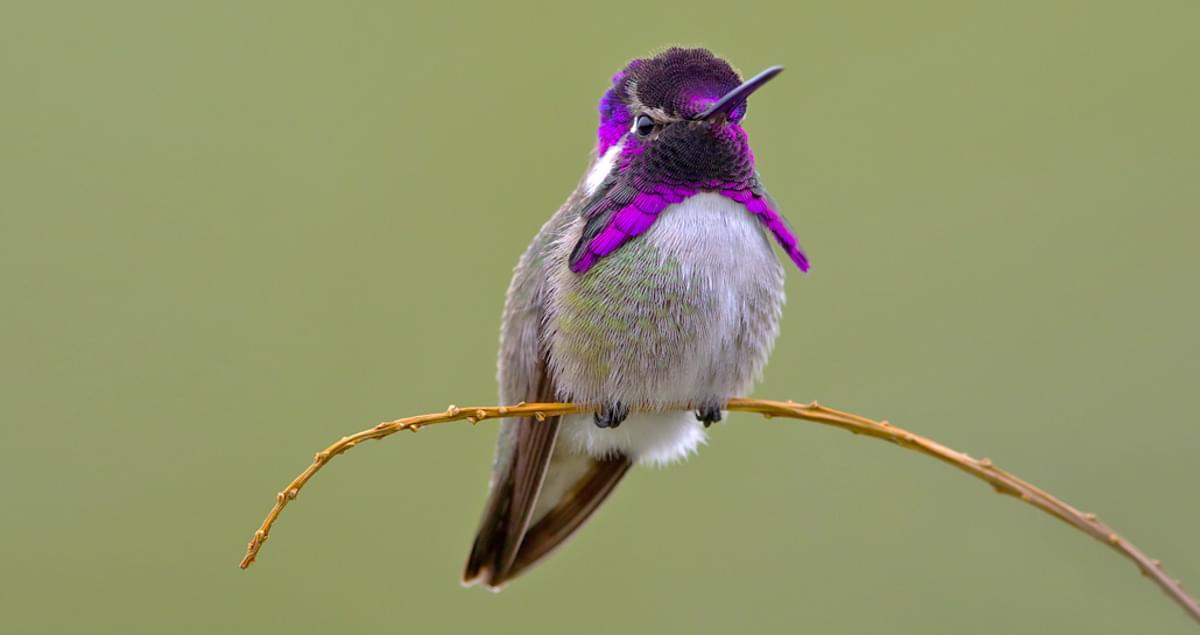
With their distinctive purple crown and long flared throat, Costa’s Hummingbirds are easily identifiable native species of Arizona. These feisty Arizona Hummingbirds are known for their vibrant feathers and competitive nature. The males’ iridescent purple hood and gorget shimmer in the sunlight, while the females exhibit a more subdued coloration with a green back and whitish belly.
Costa’s hummingbirds are a common sight in parks and gardens, where they fiercely defend their territory and food sources. Their quick and agile movements make them skilled aerial performers, engaging in impressive displays and chasing off intruders with remarkable speed.
Observing Costa’s Hummingbirds in action provides a glimpse into the intense and dynamic world of these tiny avian creatures. Their striking appearance and energetic behavior make them a favorite among birdwatchers and nature enthusiasts in Arizona.
3. Black-chinned Hummingbird

The Black-chinned Hummingbird, a fairly common species in Arizona, is recognized by its black throat and distinctive purple throat patch. Male Black-chinned Hummingbirds exhibit striking features with a glossy green back, black head, and chin, complemented by a vibrant purple gorget that shimmers in the sunlight. In contrast, females display a more subdued appearance with a light buff breast and white-tipped tail feathers that flash as they dart around. These hummingbirds are a familiar sight in Arizona from April to September, where they frequent a variety of habitats ranging from desert scrublands to mountain forests. Known for their agility and aerial acrobatics, Black-chinned Hummingbirds are often observed visiting feeders or flitting among flowers in search of nectar. As summer transitions to fall, these tiny birds embark on a remarkable journey, migrating south to Mexico to spend the winter months in a more hospitable climate.
4. Blue-throated Mountain Gem
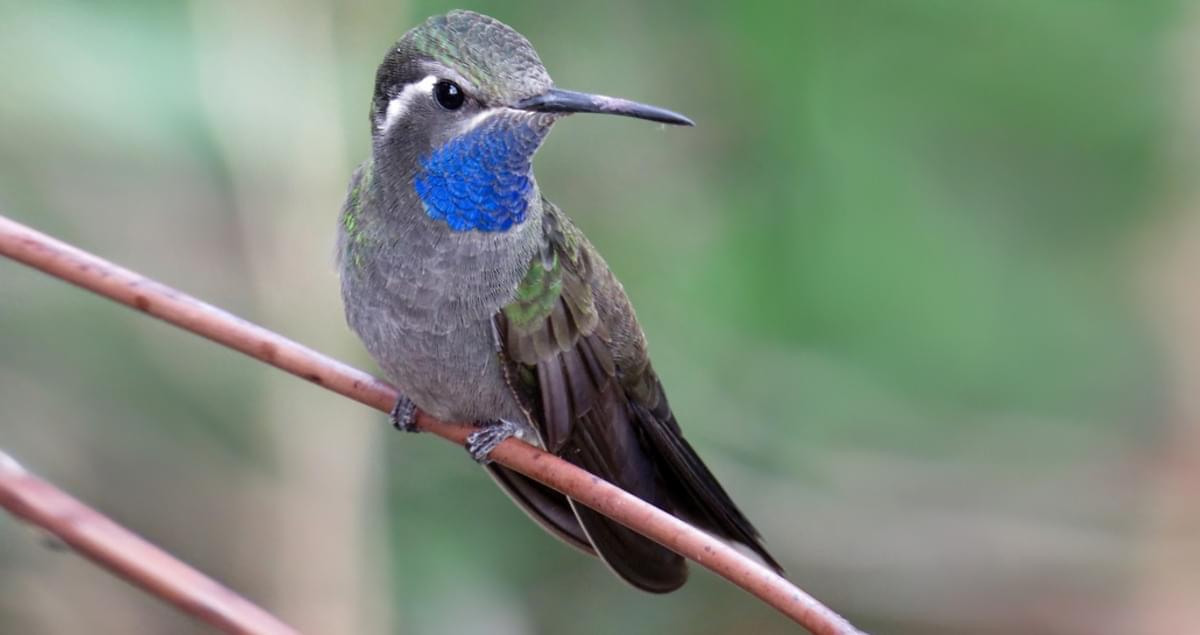
Blue-throated Mountain Gems exhibit a dazzling array of colors, including vibrant blues and greens, making them a standout species among hummingbirds. This Arizona hummingbird species can be spotted in the picturesque Ramsey Canyon, where their unique appearance captivates birdwatchers. The Blue-throated Mountain Gem’s striking plumage sets it apart from other hummingbirds, with its shimmering blue throat and iridescent green feathers creating a mesmerizing sight in flight. Ramsey Canyon serves as a prime location for observing these magnificent creatures in their natural habitat, offering enthusiasts a chance to witness their beauty up close. The Blue-throated Mountain Gem’s presence adds a touch of vibrancy to the already diverse hummingbird population in Arizona, making it a sought-after species for bird enthusiasts and researchers alike. With their colorful displays and graceful movements, these hummingbirds truly embody the beauty of nature in the southwestern United States.
5. Broad-billed Hummingbird
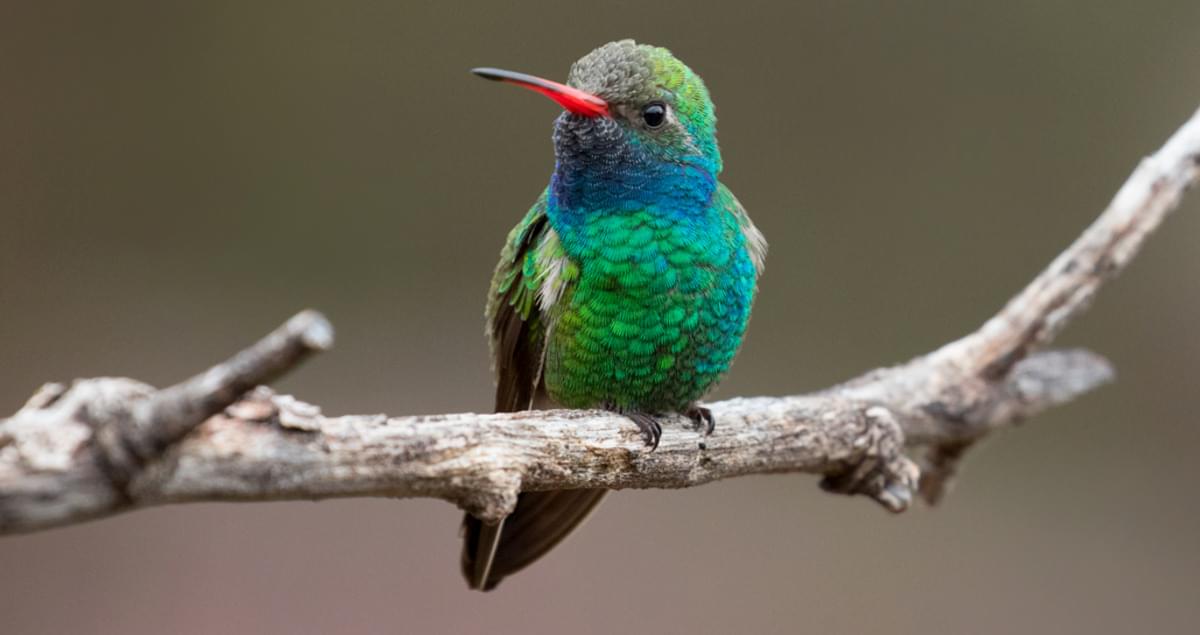
How does the Broad-billed Hummingbird’s distinctive physical characteristics contribute to its unique identity in the hummingbird species of Arizona? The Broad-billed Hummingbird, commonly found in southern Arizona, stands out amongst its counterparts due to its striking features. The male Broad-billed Hummingbird boasts a broad orangish-red bill and a glossy bright blue throat patch, adding a vibrant splash of color to the Arizona landscape. In contrast, the female Broad-billed Hummingbird sports green back feathers with delicate green flecks adorning her breast, blending beautifully with the foliage as she flits about.
- The male Broad-billed Hummingbird’s orange throat serves as a visual spectacle during courtship displays.
- The female’s green plumage aids in camouflaging while nesting in the lush vegetation of Arizona.
- Their preference for longer evening feeding sessions allows for extended observation opportunities for bird enthusiasts in Arizona.
Observing these elegant creatures in their natural habitat in Arizona is a true delight for birdwatchers, especially when witnessing the Broad-billed Hummingbird’s unique physical attributes.
6. Broad-tailed Hummingbird

With iridescent green back feathers and a shiny ruby-colored throat patch, Broad-tailed hummingbirds are distinctive seasonal migrants in Arizona. These tiny avians, known scientifically as Selasphorus platycercus, showcase remarkable plumage that sets them apart in the hummingbird world. The males boast vibrant green back feathers that shimmer in the sunlight, complemented by a striking ruby-colored throat that catches the eye of any observer. In comparison, females also exhibit the green backs characteristic of the species, adorned with subtle green flecks on their head and neck. One of the key features that differentiate Broad-tailed hummingbirds from others is their broad, rounded tails, a trait evident in both male and female birds. Arriving in Arizona typically from March to August, these hummingbirds undertake a fascinating journey, with the majority of their population residing in Mexico and Guatemala. Their aggressive behavior and territorial nature make them a captivating subject for birdwatchers and nature enthusiasts alike.
7. Calliope Hummingbird

The Calliope Hummingbird, known scientifically as Selasphorus calliope, is recognized as the smallest breeding bird in North America, measuring a mere 3 inches in length. These tiny birds exhibit remarkable features that distinguish them within the hummingbird family:
- Vibrant Plumage: Males of the species boast vibrant magenta-red throats and green backs, while females display green backs and white bellies.
- Distinctive Vocalizations: Calliope Hummingbirds emit a high-pitched, insect-like call that sets them apart from other bird species.
- Feeding Behavior: These hummingbirds primarily feed on nectar from flowers, showcasing a unique hovering behavior while they extract nectar.
Calliope Hummingbirds choose to breed in mountain meadows and coniferous forests across western North America, including regions of Arizona. During migration, these fascinating creatures traverse through Arizona and other western states on their journey to wintering grounds in Mexico. Their presence adds a touch of vibrancy to the diverse avian population of the region.
8. Lucifer Hummingbird

Rarely encountered in Arizona, the Lucifer Hummingbird, scientifically known as Calothorax lucifer, distinguishes itself with unique physical features and behaviors. These hummingbirds, often nesting in places like Ramsey Canyon, sport a metallic green crown and a vibrant purple gorget, especially prominent in males. Known for their high-pitched vocalizations during courtship displays, Lucifer Hummingbirds prefer mountainous habitats with pine-oak woodlands, making them a rare sight in Arizona. Their long, curved bills and brilliant iridescent green throats set them apart from other hummingbird species like the Costas Hummingbird.
In Arizona, spotting a Lucifer Hummingbird in its natural mountain habitat can be a remarkable experience. These tiny creatures flit among the flowers, sipping nectar with their specialized bills. Their striking colors and distinctive vocalizations make them a sought-after sight for birdwatchers and nature enthusiasts exploring the diverse hummingbird population of Arizona.
9. Rivoli’s Hummingbird

Rivoli’s Hummingbird, also known as the Magnificent hummingbird, captivates observers with its stunning emerald green throat feathers. This hummingbird species can be found in southeastern Arizona, where its vibrant coloration stands out amidst the desert landscape. Here are some intriguing facts about Rivoli’s Hummingbird:
- Size Comparison: Rivoli’s hummingbirds are notably larger compared to other hummingbird species, making them an impressive sight to behold.
- Distinctive Crown: In addition to their emerald green throat feathers, these hummingbirds boast a distinctive purple crown that further enhances their majestic appearance.
- Courtship Displays: Males of the Rivoli’s hummingbird species showcase elaborate aerial displays, including high-speed dives and intricate flight patterns, to attract potential mates.
Observing a Rivoli’s Hummingbird in action is a true marvel, as it effortlessly combines beauty and grace with its unique behaviors and striking features.
10. Rufous Hummingbird

During the fall migration period in Arizona, the Rufous Hummingbird, with its brilliant orange iridescent colors, becomes a prominent sight in the region. These migratory birds, known for their aggressive behavior, are commonly observed in Arizona during the fall, with fewer sightings in the spring. The Rufous Hummingbird, both males and females, exhibit territorial behavior, often seen chasing away other birds from their territory. Male Rufous Hummingbirds sport a rust-colored body and a shiny copper gorget, while females showcase a rust-colored underbelly.
Female Rufous Hummingbirds play a crucial role during migration, as they are the primary gender responsible for leading the migration route. These females have to ensure the safety and well-being of their offspring during the strenuous journey, making their presence vital in the hummingbird community. When threatened, both male and female Rufous Hummingbirds display intense territorial behavior, defending their territory with vigor and determination.
11. Violet-crowned Hummingbird

The Violet-crowned Hummingbird, with its distinct violet crown and striking coloration, is a captivating species that occasionally graces the skies of Arizona. This unique hummingbird species displays a combination of vibrant colors on its body, making it a sight to behold in the wild. Here are some interesting facts about the Violet-crowned Hummingbird:
- The Violet-crowned Hummingbird features a pure white underpart that contrasts beautifully with its violet crown.
- Its red bill adds a splash of color to its appearance, complementing the striking violet head coloring and bright green back feathers.
- While rare in Arizona, these hummingbirds can be spotted in specific locations like Ramsey Canyon, offering birdwatchers a special and memorable experience.
Observing the Violet-crowned Hummingbird in its natural habitat is a rewarding opportunity for those lucky enough to catch a glimpse of this stunning species in Arizona.
12. White-eared Hummingbird

The White-eared Hummingbird, recognized by its distinct white patch behind the eyes, is a rare yet captivating species that can be spotted in specific locations in Arizona such as Miller Canyon and Beatty’s Guest Ranch. This elusive hummingbird, with its vibrant green plumage and a striking white stripe above the eyes, stands out in the Arizona landscape. Despite its rarity in the region, lucky observers may catch a glimpse of these larger hummingbirds, measuring around 4 inches in length, as they flit among the flowers in search of nectar.
In Arizona, the White-eared Hummingbird’s unique coloring and behavior make it a sought-after species for birdwatchers and photographers alike. Their presence in locations like Miller Canyon and Beatty’s Guest Ranch adds to the allure of these sites for nature enthusiasts. With patience and a keen eye, one may be rewarded with a sighting of this exquisite white-eared hummingbird in its natural habitat, a testament to the beauty of Arizona’s avian diversity.
13. Xantus’s Hummingbird

Rarely encountered in Arizona, Xantus’s Hummingbird displays distinctive features that set it apart from other hummingbird species in the region. These small birds with iridescent green feathers on their back and a white-tipped tail are a rare sight, especially in the southeastern part of the state. Xantus’s Hummingbird is known for its unique white eye stripe and a slightly curved bill, adding to its charm.
- Xantus’s Hummingbird can be spotted in arid habitats with desert scrub, mesquite, and oak woodlands, making the Ash Canyon Bird Sanctuary a potential location for sightings.
- Their preference for mountainous terrain means that the species may occasionally be found in elevated areas, offering a chance to admire these elusive creatures in a unique setting.
- The brilliant metallic green color of their plumage, similar to the more common Costa’s Hummingbird, can make identification a thrilling challenge for birdwatchers keen on distinguishing between species.
Keep an eye out for Xantus’s Hummingbird’s distinctive characteristics and habitat preferences for a chance to witness this rare gem of Arizona’s avian biodiversity.
14. Magnificent Hummingbird

What distinguishes the Magnificent Hummingbird from other species found in the mountainous regions of southeastern Arizona? The Magnificent Hummingbird, a striking species primarily inhabiting the mountainous terrains of southeast Arizona, stands out with its large size and vibrant green and blue plumage. Among the male Magnificent Hummingbirds, the distinguishing feature is a brilliant purple crown and throat that glisten in the sunlight, adding to their allure. These magnificent birds are renowned for their intricate courtship displays that involve impressive aerial maneuvers and vocalizations, making them a spectacle to behold. While the Magnificent Hummingbird is considered a rare sighting in Arizona, birdwatchers may catch a glimpse of this species in specific locations like the Santa Rita Mountains. Keep an eye out for these majestic creatures in the skies of southeastern Arizona, where their beauty and grace truly shine.