

Discover the Ruby-throated and Rufous Hummingbirds in New Hampshire. The vibrant Ruby-throated male boasts ruby-red throats and emerald backs, while the Rufous embarks on a 4,000-mile migration journey. Learn their identification tips like white collars and orange-red throats. Attract these mesmerizing creatures by planting bee balm and cardinal flowers, and avoid pesticides to safeguard their habitats. Capture their beauty with a high-speed shutter and telephoto lens. Dive into the world of hummingbirds in New Hampshire with fascinating pictures and informative maps, showcasing their unique traits and behaviors.
Ruby-throated Hummingbird Overview

When observing Ruby-throated Hummingbirds in New Hampshire, you will be captivated by their vibrant colors and remarkable agility in flight. These tiny birds, native to the region, are a sight to behold with males displaying stunning ruby-red throats, white collars, and emerald green backs. The females, on the other hand, exhibit green backs and banded tail feathers, showcasing a more subtle but equally beautiful appearance.
Ruby-throated Hummingbirds are well-known for their swift and acrobatic flying abilities, allowing them to hover effortlessly while feeding on nectar from flowers and feeders. Their specialized long, slender bills are perfectly adapted for reaching deep into tubular flowers to extract nectar, their primary food source.
During the breeding season, which typically begins in May, these hummingbirds grace New Hampshire with their presence, bringing a splash of color and life to the environment. Observing their intricate flight patterns and vibrant hues is a true delight for any bird enthusiast in the region.
Rufous Hummingbird Migration Patterns
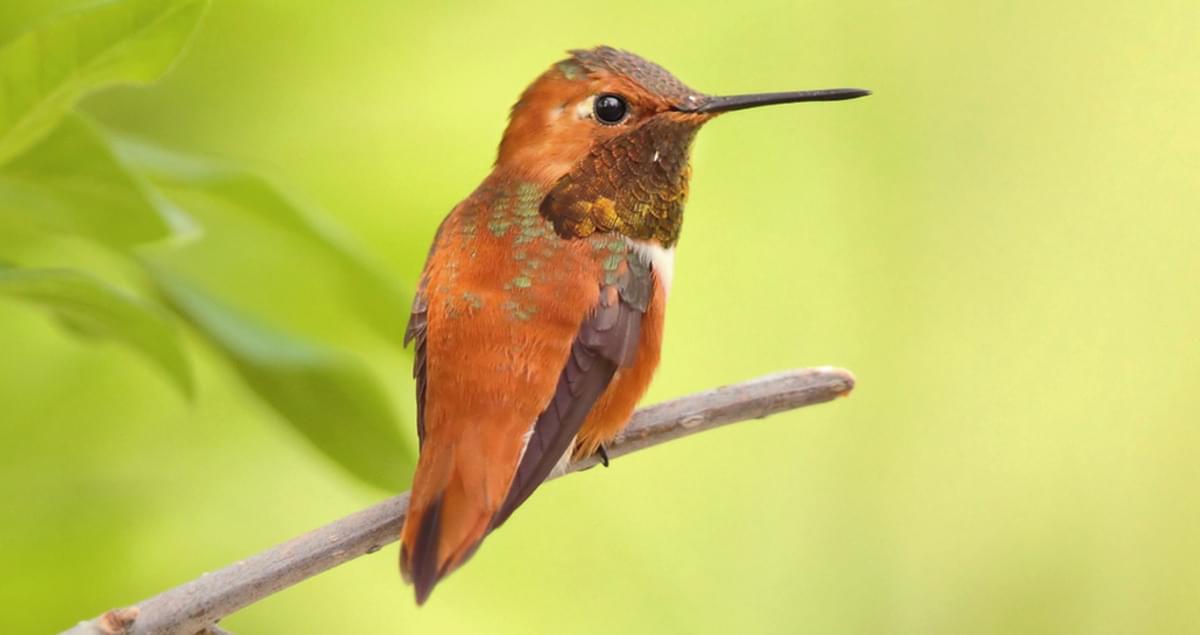
Observing the migration patterns of Rufous Hummingbirds reveals a remarkable journey spanning thousands of miles from Mexico to their breeding grounds in the Pacific Northwest and Alaska, passing through western US states. Rufous Hummingbirds are renowned for their long-distance migration, covering up to 4,000 miles each way, one of the most extensive routes among hummingbird species. During migration, these agile birds traverse the Rocky Mountains, strategically following the blooming flowers that provide them with nectar along the way. Their ability to adapt to various habitats allows Rufous Hummingbirds to inhabit diverse environments throughout their migration route, showcasing their resilience and flexibility. This species’ annual migration showcases the incredible endurance and navigation skills of these tiny creatures, highlighting their dependence on floral resources and their remarkable capacity to overcome vast distances to reach their breeding grounds in the northwestern regions of North America.
Anna’s Hummingbird Habitat Preferences
In their natural habitat, Anna’s Hummingbirds exhibit a preference for areas that offer a combination of open spaces and tree or shrub cover. While New Hampshire may not be a typical location for Anna’s Hummingbirds, understanding their habitat preferences can shed light on where they might thrive if they were to venture into the region. These hummingbirds are native to the western coast of North America, favoring gardens, parks, and chaparral landscapes. In New Hampshire, they would likely seek out areas with abundant nectar-rich flowers like Salvia and Fuchsia, as well as feeders with sugar water. The presence of trees or shrubs provides perching spots and shelter, essential for their safety and energy conservation. Despite the milder climates and reliable food sources that allow them to be year-round residents in certain regions, the cold winters of New Hampshire might pose a challenge for these delicate creatures. Understanding their habitat preferences can guide conservation efforts and potential sightings in the future.

Hummingbird Identification Tips
To accurately identify different species of hummingbirds, pay close attention to distinguishing features such as plumage colors, tail shapes, and throat markings. When observing these tiny birds, here are some key tips to help you differentiate between the various species:
- Look for white collars and forked tails on Ruby-throated Hummingbirds, with males displaying ruby-red throats.
- Notice the orange-red throats and glossy appearance of Rufous Hummingbirds, which typically arrive in New Hampshire in May.
- Identify female Ruby-throated Hummingbirds by their green backs and banded tail feathers.
- Differentiate between Rufous Hummingbirds and Calliope Hummingbirds, which are often confused due to their similar appearance.
- Be aware that Hawk Moths, sometimes mistaken for hummingbirds, have sensors or antennas on their heads, assisting in distinguishing them from actual hummingbirds.
Attracting Hummingbirds to Your Garden
Planting native flowers like bee balm, cardinal flower, and trumpet vine is an effective way to attract hummingbirds to your garden. Supporting local flora not only enhances the natural beauty of your surroundings but also provides essential food sources for hummingbirds. These native plants have co-evolved with local pollinators, making them well-suited to attract hummingbirds with their vibrant colors and abundant nectar. Additionally, providing a water source such as a shallow birdbath offers hummingbirds a place to drink and bathe, further enticing them to frequent your garden.
To further capture the attention of these mesmerizing birds, consider hanging red-colored items near feeders, like ribbons or decorations. Hummingbirds are naturally drawn to the color red, making this a simple yet effective way to make your garden more appealing to them. Creating a hummingbird-friendly environment involves avoiding pesticides that can harm these delicate creatures and their food sources. By cultivating a diverse array of plants that bloom at different times, you can ensure a continuous nectar supply to support your local hummingbird population.

Best Plants for Hummingbird Feeders
Consider incorporating red tubular flowers like salvia, columbine, and penstemon in your garden to attract hummingbirds to your feeders effectively. Hummingbirds are drawn to vibrant, nectar-rich blooms, making these plants ideal choices for your hummingbird feeders. To create a diverse and enticing buffet for these delightful birds, here are some of the best plants to include:
- Bee Balm: Known for its striking red flowers, bee balm is a favorite of hummingbirds due to its abundant nectar.
- Cardinal Flower: Featuring bright red blossoms that hummingbirds can easily spot, the cardinal flower is a must-have for any hummingbird-friendly garden.
- Trumpet Vine: This vigorous climber produces trumpet-shaped flowers that hummingbirds adore, providing a plentiful nectar source.
- Honeysuckle: With its sweetly fragrant flowers, honeysuckle is a native plant that hummingbirds find irresistible.
- Coral Bells: The delicate flowers of coral bells add a touch of elegance to your garden while attracting hummingbirds with their nectar-rich blooms.
Mapping Hummingbird Sightings in NH
Explore current hummingbird sightings in New Hampshire through an interactive map provided by HummingbirdCentral.com. As of now, there have been no reported hummingbird sightings in the state for the current year. However, historical data from last year indicates that hummingbirds typically arrived in Portsmouth, New Hampshire during the last week of April. The interactive map offers users the ability to zoom in, pan across different regions, and click on icons to access detailed sighting information.
Hummingbird Feeder Placement Guide

To maximize the effectiveness of your hummingbird feeders, ensure they are strategically placed based on key factors such as shade, distance from windows, and height. Following these guidelines will not only attract hummingbirds but also ensure their safety and well-being:
- Shaded Area: Place hummingbird feeders in a shaded area to prevent nectar spoilage from direct sunlight.
- Distance from Windows: Ensure feeders are at least 10-15 feet away from windows to prevent bird collisions.
- Optimal Height: Hang feeders at a height of 5-6 feet to provide easy access for hummingbirds.
- Avoid Contamination: Avoid placing feeders near bird baths or other water sources to prevent contamination.
- Regular Maintenance: Regularly clean and refill feeders to maintain a healthy environment for hummingbirds.
Following these placement strategies will not only attract hummingbirds but also contribute to the overall well-being of these fascinating creatures in your garden. Remember, following a thoughtful feeder placement strategy aligns with our privacy policy in respecting the natural habitats of wildlife.
Photographing Hummingbirds in Flight
For capturing the swift movements of hummingbirds in flight, utilizing a high-speed shutter is essential to freeze their dynamic actions. Hummingbirds, found in the Eastern United States, flap their wings incredibly fast, making it challenging to capture sharp images without the right equipment. Position yourself near a hummingbird feeder or a flower garden they frequent to increase your chances of photographing them mid-flight. When focusing on these agile creatures, pay special attention to their eyes and unique features like their iridescent feathers to create stunning shots that showcase their beauty. Experiment with different angles and lighting conditions to enhance the vibrancy and elegance of hummingbirds in flight. Using a telephoto lens can help you capture detailed close-up shots, highlighting the intricate patterns and colors of these fascinating birds as they hover and dart around with unmatched grace and speed.

Conservation Efforts for NH Hummingbirds
Conserving New Hampshire hummingbirds involves implementing strategies that focus on protecting their habitats and food sources. To aid in the conservation efforts for NH hummingbirds, consider the following:
- Plant Native Flowers: By planting native flowers like bee balm, columbine, and cardinal flower, you provide essential nectar sources for hummingbirds while supporting the local ecosystem.
- Maintain a Pesticide-Free Environment: Avoiding pesticides in your garden helps protect hummingbirds from harmful chemicals that can affect their health and food sources.
- Educate Communities: Sharing information about the role of hummingbirds in pollination can raise awareness and garner support for conservation efforts in New Hampshire.
- Report Sightings: Contributing to citizen science projects by reporting hummingbird sightings helps researchers track populations and migration patterns, aiding in conservation decision-making.
- Proper Feeder Care: Following guidelines for setting up and maintaining hummingbird feeders ensures a safe and reliable food source for these tiny birds, supporting their conservation in New Hampshire.