

To rid your lawn of pesky burrs, start by identifying the prickly culprits like grass burrs and hook-like burdock burrs. Wear gloves to protect your hands while removing burdock burrs with a comb or tool. Prevent foxtail burrs from spreading by mowing regularly and pulling them by hand. Consider using herbicides for foxtail and sandbur burrs or seek professional help for severe infestations. Stay proactive with sandbur burr management and explore sod replacement for instant relief. Tackle sticktight burrs and Spanish needles with specialized removal techniques. Take action now to reclaim your lush, burr-free lawn.
1. Types of Burrs Found in Lawns

Grass burrs, commonly referred to as sandburs or sticker burrs, are persistent annual grassy weeds often found in lawns, particularly prevalent in Texas landscapes. These lawn weeds can be a nuisance due to their thorny seedpods, making them challenging to remove by hand. When pulling weeds like grass burrs, it’s essential to wear gloves to protect your hands from their sharp thorns.
Since grass burrs are slow to respond to pre-emergent weed control methods, post-emergent herbicides are often necessary for effective removal. Over-the-counter products may not always be sufficient for controlling these stubborn weeds, so using professional-grade solutions could yield better results. Additionally, in neglected lawns heavily infested with grass burrs, sod replacement can provide an instant solution to eradicate these bothersome weeds entirely.
When dealing with grass burrs in your lawn, a combination of pulling weeds by hand, using herbicides, and considering sod replacement in severe cases can help you effectively tackle the issue and restore your lawn to a healthy state.
2. Identifying Common Lawn Burrs
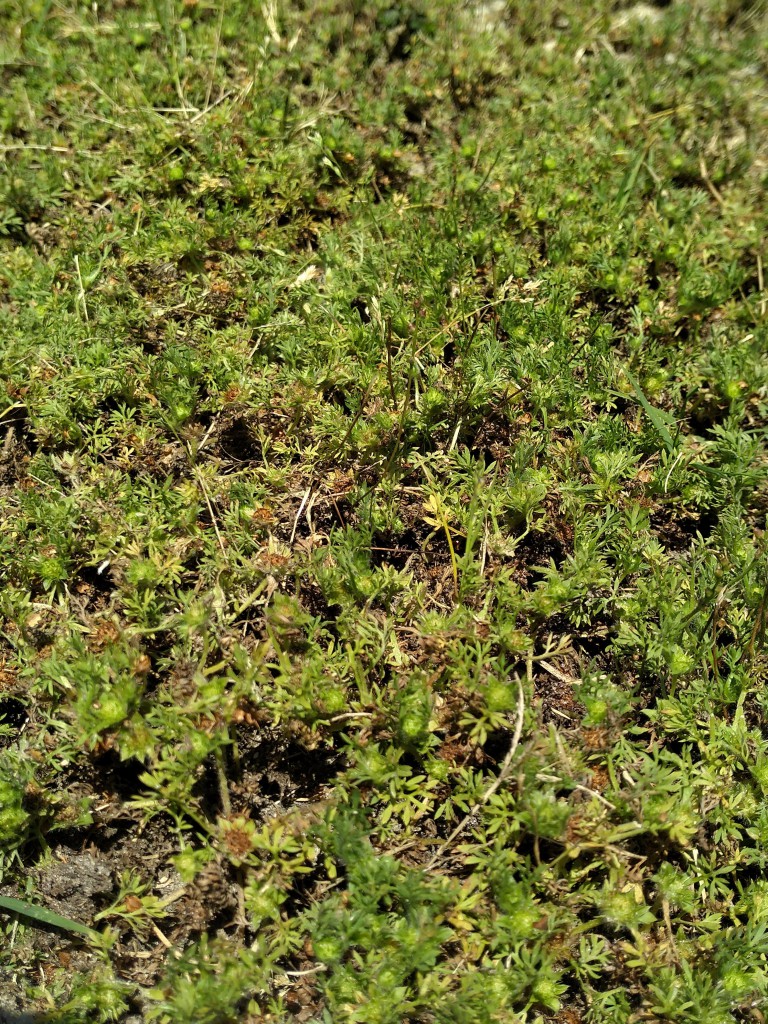
Commonly found in lawns, particularly in Texas landscapes, identifying and distinguishing between various types of burrs is crucial for effective lawn maintenance. Grass burrs, also known as sandburs or stickers, are one of the most common lawn burrs. These annual grassy weeds produce sharp thorny seedpods that can easily stick to clothing or animal fur. Another common lawn burr is the burdock burr, which has a hook-like structure that allows it to cling to passing animals, aiding in its dispersal.
When identifying grass burrs, look for grassy weeds with thin, spiky seed heads that are painful to touch. These weeds are often found in neglected lawns or areas with poor soil quality. In contrast, burdock burrs have a more prominent hook-like appearance, resembling tiny Velcro balls that stick to anything they come into contact with.
Being able to differentiate between these common lawn burrs will help you choose the most effective removal method for your specific weed problem.
3. How to Remove Burdock Burrs

When dealing with burdock burrs in your lawn, effective removal methods are crucial to prevent their spread and minimize their impact on your outdoor space. Burdock burrs are the prickly seed heads of the burdock plant, known for their ability to easily attach to clothing and animal fur. To remove burdock burrs, consider wearing gloves to protect your hands from the prickles. Use a fine-toothed comb or a specialized tool to carefully detach the burrs from the plant or affected areas.
For weed control, cutting down burdock plants before they flower and produce burrs can help prevent their spread. Dispose of the removed burrs thoughtfully to avoid reseeding and further infestation. Regularly monitoring your lawn and promptly removing any burdock plants or burrs can aid in minimizing their presence and maintaining a burr-free outdoor space. By staying proactive with burdock burr removal, you can keep your lawn free from these pesky burr weeds.
4. Removing Foxtail Burrs From Your Lawn

To effectively rid your lawn of foxtail burrs, swift removal methods are essential to prevent their proliferation and potential harm to both pets and humans. Foxtail burrs are sharp, barbed seed heads commonly found in lawns, fields, and meadows across the United States. Here are some practical tips to help you tackle foxtail burrs in your lawn:
- Regularly mow your lawn to prevent foxtail burrs from maturing and spreading.
- Hand-pull any visible foxtail burrs to control their population.
- Consider using herbicides specifically designed to target foxtail burrs for more extensive removal.
- If the infestation is severe or persistent, seek assistance from professional lawn care services for effective management of foxtail burrs.
5. Managing Sandbur Burrs in Your Yard

Dealing with sandbur burrs in your yard requires strategic and targeted approaches for effective control and removal. Sand Spurs, also known as sandbur burrs, are annual grassy weeds commonly found in Texas lawns. The sharp, thorny seedpods of sandbur burrs easily spread and can prove challenging to eradicate. Unlike some other burrs, pre-emergent herbicides are ineffective against sandbur burrs, necessitating the use of post-emergent herbicides for successful removal. In cases where the infestation is severe, professional-grade solutions may be more effective than over-the-counter products.
To maintain a healthy lawn free of sandbur burrs, consider instant removal methods such as sod replacement for heavily infested areas. By taking proactive steps and using the appropriate herbicides, you can effectively manage sandbur burrs and prevent them from reappearing in your yard. Remember, a consistent approach to weed control is key to ensuring a sandbur burr-free lawn.
6. Tips for Eliminating Sticktight Burrs
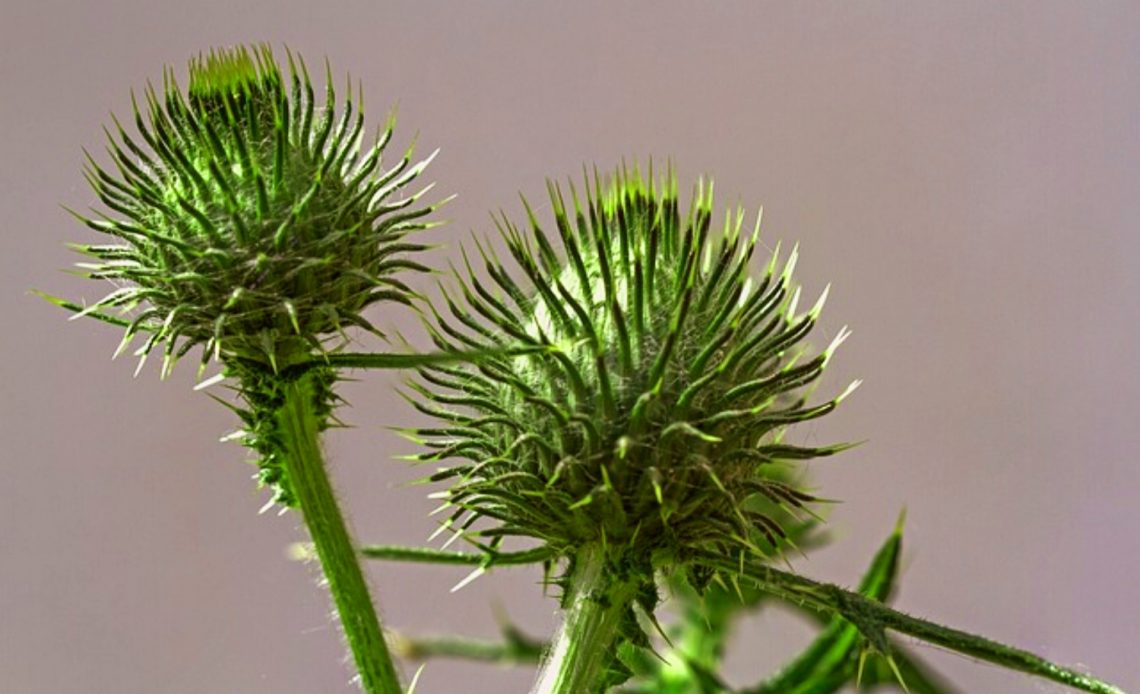
For effective control and removal of sticktight burrs, it is important to promptly address their presence and prevent them from causing further discomfort. Sticktight burrs, with their small, round seed pods, can be a nuisance in grassy areas. To tackle these pesky burrs effectively, follow these tips:
- Regular Inspection: Check your clothing and pet fur regularly after being outdoors to catch sticktight burrs early.
- Gentle Removal: Use a fine-tooth comb or tweezers to delicately remove sticktight burrs from fabric or pet fur to avoid skin irritation.
- Pet Grooming: Regularly groom your pets to prevent sticktight burrs from matting in their fur and causing discomfort.
- Prevent Spread: By promptly removing sticktight burrs, you can prevent the weed from spreading and causing further issues in your lawn.
7. Eradicating Spanish Needles From Lawns

When tackling the issue of eradicating Spanish needles from your lawn, consider the effectiveness of manual removal and targeted herbicides. Spanish needles, a common weed with small yellow flowers and needle-like seeds, can quickly spread in lawns and gardens, particularly in warm climates. While manual removal is labor-intensive, it can be a practical method for controlling these weeds. By uprooting the plants and ensuring to remove the entire root system, you can effectively prevent regrowth.
In addition to manual removal, using herbicides specifically designed to target broadleaf weeds can also aid in controlling Spanish needles. These herbicides, when applied according to the manufacturer’s instructions, can help eliminate existing weeds and prevent new growth. To further limit the spread of Spanish needles, timely removal of the plants before they produce seeds is crucial in maintaining a weed-free lawn. By combining manual removal and targeted herbicide applications, you can effectively eradicate Spanish needles and maintain a healthy lawn free from these invasive weeds.