

If you’ve ever noticed green inside your potatoes, it’s likely caused by exposure to light. This triggers the production of chlorophyll and solanine, a toxic compound. Peeling off the green parts before cooking decreases the risk of ingesting solanine, which can cause health issues. Potatoes with green areas should be discarded to prevent adverse effects. Remember, keeping your potatoes in a dark, cool place can help reduce greening. Understanding why potatoes turn green inside is vital for your health and safety. Further information awaits for a deeper understanding of green potatoes and how to handle them effectively.
Understanding Green Potatoes
To comprehend the significance of green potatoes, it’s imperative to understand the implications of their exposure to light. When potatoes are exposed to light, they undergo a natural process that causes them to turn green. This green coloration is a warning sign of the presence of toxic alkaloids like solanine and chaconine. Solanine, specifically, is a glycoalkaloid that’s known to be harmful to humans when consumed in large quantities.
Symptoms of solanine poisoning from green potatoes can range from gastrointestinal issues like vomiting to more severe effects such as headaches and, in extreme cases, even death.
It is crucial to note that cooking methods don’t eliminate solanine and chaconine from green potatoes. Therefore, proper handling and awareness of green potatoes are vital in preventing poisoning incidents. One key safety measure is to peel off the green areas, shoots, and skin of green potatoes before consuming them to reduce the risk of solanine ingestion.
Causes of Green Potato Flesh
When potatoes are exposed to light, they undergo a process that triggers the production of chlorophyll, resulting in the green coloration of the flesh.
This color change is accompanied by the formation of solanine toxins, which can be harmful if consumed in large amounts.
To ensure safe consumption, it’s recommended to avoid eating green potato flesh and to discard any potatoes showing extensive greening.
Light Exposure Effects
Light exposure plays a critical role in triggering chlorophyll production in potatoes, leading to the development of green skin and sometimes green flesh. When potatoes are exposed to light, especially sunlight, they undergo a natural response by producing chlorophyll to protect themselves. This chlorophyll causes the green pigmentation seen in the skin and, in some cases, penetrates into the flesh of the potato.
The green coloration is a visual indicator of the presence of solanine, a toxic compound that can have adverse effects on health if consumed in high quantities. To mitigate the risk of solanine poisoning, it’s crucial to avoid eating green or sprouted potatoes. If you encounter green areas in a potato, it’s recommended to remove these portions and peel the skin to reduce solanine content before cooking and consumption.
Being aware of the effects of light exposure on potatoes can help you make informed decisions to ensure food safety and avoid potential health issues.
Chlorophyll Formation Process
Exposure to light triggers the formation of chlorophyll in potatoes, leading to the development of green flesh. When light hits the potato, it initiates a series of biochemical reactions within the tuber, resulting in the synthesis of chlorophyll.
This process is crucial for the plant’s survival, as chlorophyll plays a key role in photosynthesis, allowing the potato to convert light energy into nutrients. Here’s a breakdown of the chlorophyll formation process:
- Light exposure activates chlorophyll production.
- Chlorophyll synthesis begins in response to light.
- The green color in potato flesh signifies chlorophyll presence.
- Chlorophyll serves as a natural pigment in plants.
Understanding how light influences chlorophyll formation in potatoes can help you identify and avoid consuming green potato flesh to minimize potential health risks.
Safe Consumption Guidelines
The presence of green potato flesh indicates potential exposure to the toxic compound solanine, requiring careful consideration before consumption.
When encountering potatoes with a green hue, it’s essential to exercise caution. Solanine, a natural toxin found in these green areas, can have adverse effects if ingested in large amounts.
To ensure safety, it’s advisable to avoid eating potatoes with extensive green flesh. However, if only a small portion of the potato is green, you can salvage it by peeling away the discolored areas before cooking.
Cooking the potatoes at high temperatures can further reduce solanine levels, making them safer to consume.
By following these guidelines and being mindful of the presence of solanine in potatoes with green flesh, you can enjoy your spuds without risking potential health complications.
Effects of Solanine in Potatoes
Potatoes containing high levels of solanine can induce symptoms such as nausea and stomach pain when consumed. Solanine is a toxic compound found in potatoes, especially in those that have turned green due to light exposure. Ingesting large amounts of solanine from green potatoes can lead to solanine poisoning, which may cause gastrointestinal disturbances and discomfort.
Symptoms:
Nausea and stomach pain are common effects of solanine poisoning.
Green Potatoes:
Higher levels of solanine are present in green potatoes due to light exposure.
Toxic Effects:
Ingesting excessive solanine from green potatoes can lead to toxic symptoms.
Cooking Caution:
Cooking green potatoes doesn’t remove solanine, emphasizing the importance of careful consumption.
:max_bytes(150000):strip_icc()/GettyImages-1215134935-2000-174a93baed0f4f13abfd5b43a809834f.jpg)
Identifying Safe-to-Eat Potatoes
When selecting potatoes for consumption, it is important to be able to identify which ones are safe to eat. Green potatoes are a common concern due to the presence of solanine, a toxin that can be harmful if ingested in high amounts. To determine if a potato is safe for consumption, look for any green areas on the skin. Light green patches indicate the presence of solanine and should be trimmed off before cooking. Below is a table summarizing how to identify safe-to-eat potatoes:
| Safe-to-Eat Potatoes | Unsafe Potatoes |
|---|---|
| Firm texture | Soft or wrinkled |
| No green spots | Green tint present |
| Normal potato smell | Unpleasant odor |
| Smooth skin | Sprouting or rotting |
The Risks of Consuming Green Parts
Consuming green parts of potatoes poses health risks due to the presence of solanine, a toxic compound that can cause adverse symptoms. Exposure to light triggers the production of solanine in potatoes, leading to greening. Here are some risks associated with consuming green parts of potatoes:
- Solanine Toxicity: Green parts of potatoes contain higher levels of solanine, which can lead to symptoms like abdominal pain, headache, and nausea.
- Digestive Issues: Ingesting large amounts of solanine from green potatoes can result in digestive problems such as vomiting and diarrhea.
- Neurological Effects: Solanine poisoning can also affect the nervous system, causing symptoms like confusion, hallucinations, and difficulty in breathing.
- Long-Term Health Concerns: Prolonged consumption of solanine from green potatoes may have serious health implications, so it’s crucial to avoid eating them to prevent potential harm.
To safeguard your health, it’s advisable to discard any green or sprouted potatoes and trim away the green areas before cooking to minimize solanine exposure.
How to Safely Prepare Green Potatoes
To ensure safe consumption and minimize the risk of solanine toxicity, it’s important to properly prepare green potatoes by peeling off any green areas and sprouts before cooking. Green potatoes develop due to exposure to light, which triggers the production of solanine, a toxic compound that can cause adverse health effects when consumed in large amounts. By removing the green parts, you can significantly reduce your exposure to solanine and enjoy your potatoes safely.
When preparing green potatoes, make sure to inspect them thoroughly. Peel off any green-tinged areas on the skin and remove any sprouts or eyes. Cutting away the green portions and any bitter-tasting areas will help minimize the risk of solanine poisoning.
Remember that proper storage in a cool, dark environment can prevent potatoes from turning green and accumulating solanine in the first place. By following these steps, you can safely enjoy your potatoes without worrying about potential toxicity.
Storing Potatoes to Prevent Greening
To prevent greening of potatoes, store them in a cool, dark place to inhibit the production of chlorophyll.
Ensure the storage temperature stays between 45°F to 50°F to maintain potato quality.
Light exposure triggers greening, so keep potatoes away from direct light to preserve their freshness.
Proper Storage Techniques
Proper storage techniques play a crucial role in preventing potatoes from turning green inside by maintaining optimal conditions of darkness and ventilation.
When storing potatoes to prevent greening, follow these key guidelines:
- Control Temperature: Store potatoes in a cool, dark place with temperatures ranging between 45-50°F. Fluctuations in temperature can accelerate the greening process.
- Avoid Light Exposure: Keep potatoes away from light sources as light exposure triggers the production of solanine, the compound responsible for the green coloration.
- Ensure Proper Ventilation: Adequate ventilation is essential to prevent moisture buildup, which can lead to rotting and increased greening of potatoes.
- Monitor Storage Conditions: Check stored potatoes regularly for any signs of sprouting, softness, or green patches. Discard any potatoes showing these symptoms to prevent contamination of the others.
Preventing Light Exposure
Storing potatoes in a dark environment shields them from light exposure, a critical factor in preventing the development of green discoloration and harmful toxins. Light exposure prompts the production of chlorophyll in potatoes, causing them to turn green inside due to increased levels of this pigment.
By storing potatoes in a cool, dark place with temperatures ranging from 45-50°F, you can effectively inhibit light exposure and reduce the risk of green potatoes. Potatoes kept away from sources of light such as sunlight or artificial light are less likely to undergo greening.
This practice not only preserves the quality of potatoes but also prevents the accumulation of solanine and chaconine, toxins that are commonly found in green potatoes. Ensuring proper storage conditions to prevent light exposure is key in maintaining the freshness and safety of your potatoes, ultimately minimizing the chance of encountering green discoloration and associated health risks.
:max_bytes(150000):strip_icc()/Simply-Recipes-Green-Potatoes-Safe-to-Eat-LEAD-3-e63e1f9505444eb19ca495b57b5bf940.jpg)
Cooking Methods to Reduce Solanine
When cooking green potatoes to reduce solanine levels, consider boiling or steaming them as this method effectively leaches the toxin into the water.
Peeling green potatoes before cooking also aids in lowering solanine content significantly. Additionally, cutting away any green parts and sprouts prior to cooking can help minimize solanine exposure.
However, microwaving green potatoes may not be as effective in reducing solanine levels compared to boiling or steaming. Roasting green potatoes at high temperatures can assist in breaking down solanine, but it’s still recommended to peel them to further reduce the toxin content.
- Boiling or steaming: Leaches solanine into water.
- Peeling green potatoes: Removes significant solanine content.
- Cutting away green parts and sprouts: Minimizes solanine exposure.
- Microwaving: Less effective at lowering solanine levels.
These methods play a crucial role in ensuring the safety of consuming green potatoes.
Recommended Potato Varieties
When selecting potato varieties to avoid greening inside, consider options like Red Norland, Yukon Gold, or Kennebec. These types are less prone to developing green patches due to their lower levels of solanine production when exposed to light.
Opting for these recommended varieties can help minimize the risk of encountering green potatoes in your kitchen.
Best Potato Types
Potato varieties low in solanine content, such as Yukon Gold and Red Bliss, are recommended choices to minimize the risk of green discoloration inside the tubers.
When selecting potatoes to avoid green discoloration, consider the following:
- Yukon Gold: Known for their smooth, golden skin and buttery flavor, Yukon Gold potatoes have lower levels of solanine and chaconine, making them less likely to turn green inside.
- Red Bliss: With a vibrant red skin and firm texture, Red Bliss potatoes are a great option with lower solanine content, reducing the chances of green spots.
- Russet: While Russet potatoes are delicious for baking and frying, they’ve higher solanine levels, making them more prone to greening.
- Russian Banana Fingerling: Fingerling potatoes like the Russian Banana variety are tasty but can turn green inside due to their susceptibility to light exposure.
Top Varieties to Try
Among the top recommended potato varieties to try, Yukon Gold stands out for its creamy texture and golden flesh, making it a popular choice for a variety of culinary applications. Yukon Gold potatoes are versatile and can be used for boiling, baking, frying, or mashing, adding a rich flavor to your dishes.
Another widely favored variety is the Russet potato, which is high in starch content, perfect for baking, mashing, or frying to achieve a fluffy interior and crispy exterior. Red potatoes, with their waxy texture, are excellent for salads or roasting, holding their shape well during cooking.
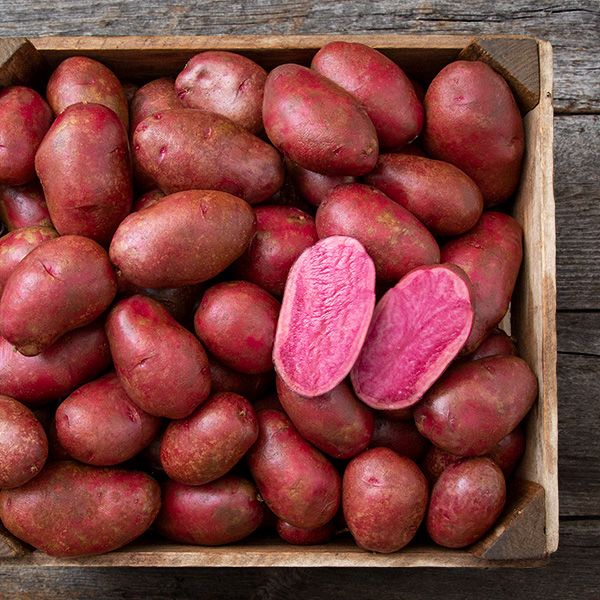
For a unique twist, consider trying fingerling potatoes, which come in various colors and offer a nutty flavor and firm texture, ideal for roasting or grilling. Lastly, purple potatoes not only add a pop of color to your meals but also provide antioxidants called anthocyanins, offering potential health benefits along with their vibrant appearance.
Experimenting with these different potato varieties can elevate the flavors and textures in your cooking.
Ideal Potatoes for Cooking
To optimize your culinary creations, selecting the right potato variety is essential for achieving desired textures and flavors. When it comes to cooking with potatoes, you want to choose varieties that not only taste delicious but also hold up well during different cooking methods.
Here are some ideal potatoes for cooking:
- Russet Potatoes: Known for their high starch content, Russet potatoes are perfect for baking and mashing. Their fluffy texture when cooked makes them a favorite for creating creamy mashed potatoes.
- Yukon Gold Potatoes: With a buttery texture and thin skin, Yukon Gold potatoes are excellent for roasting and boiling. Their natural richness adds depth to dishes like roasted potatoes or potato salad.
- Red Potatoes: These potatoes are a great choice for salads and soups as they hold their shape well when cooked. The waxy texture of red potatoes makes them ideal for dishes where you want the potatoes to maintain their structure.
Choosing the Right Variety: Picking the correct potato variety can elevate your dishes, ensuring they not only taste delicious but are also visually appealing. Selecting the right potatoes is essential for creating safe and flavorful meals, avoiding the risk of consuming potatoes that produce chlorophyll and turn green.
Health Benefits of Potatoes
Rich in essential nutrients and known for their versatile culinary uses, potatoes offer a range of health benefits when consumed in moderation. Potatoes are an excellent source of vitamin C, potassium, and fiber. Vitamin C plays a crucial role in supporting the immune system and skin health, while potassium is essential for maintaining healthy blood pressure levels. The fiber content in potatoes supports digestion and helps in maintaining a healthy gut.
Including potatoes in your diet in moderation can provide you with energy and essential nutrients that contribute to overall health. It’s important to note that while potatoes offer numerous health benefits, moderation is key. Consuming excessive amounts of potatoes, especially in the form of fried or heavily processed dishes, may lead to an imbalance in your diet.
To maximize the health benefits of potatoes, consider incorporating a variety of dishes such as baked, boiled, or mashed potatoes into your meals. This diversity can help diversify your nutrient intake and ensure you reap the full benefits of this versatile and nutritious vegetable.
Common Myths About Green Potatoes
Green potatoes are often surrounded by common myths that can impact people’s understanding of their safety and consumption. Despite what some may believe, peeling off the green tinge on a potato doesn’t fully eliminate the risks associated with it. Here are some common myths about green potatoes:
- Myth 1: Peeling green areas of a potato makes it safe to eat.
- Myth 2: Cooking green potatoes removes all harmful substances like solanine.
- Myth 3: Only the skin of green potatoes is dangerous; the flesh is safe to consume.
- Myth 4: Small amounts of green on a potato are harmless and can be eaten without issue.
In reality, solanine, a toxin found in green potatoes, can cause digestive problems and even poisoning if consumed in large quantities. It’s crucial to prioritize food safety by avoiding green parts of potatoes to mitigate potential health risks.
Conclusion and Final Tips
In conclusion, mitigating exposure to solanine in potatoes is crucial for ensuring food safety and preventing potential health risks.
Green potatoes signal the presence of solanine, a toxic compound that can lead to toxicity if ingested in high amounts. To reduce solanine content, trim off any green parts and peel the potatoes before consumption. Proper storage in a cool, dark place can also prevent potatoes from turning green and accumulating solanine.
Remember that exposure to light triggers the production of solanine in potatoes, so keeping them away from light sources is essential. By following these simple steps, you can minimize the risk of solanine poisoning and enjoy your potatoes safely.
Stay informed about the signs of solanine toxicity and take proactive measures to ensure that your potatoes remain fresh and healthy for consumption.
Conclusion
In conclusion, green potatoes can be caused by exposure to light, leading to the development of solanine. While some potato varieties are safe to eat despite their green hue, caution should be taken when consuming any green parts.
By understanding the risks and benefits of potatoes, you can make informed choices about which varieties to include in your diet. Remember to always prioritize safety and choose potatoes that are free from any green discoloration.