
Placing plants in the refrigerator can harm them. Cold air mimics freeze conditions, leading to ice crystals in tissues and damaged cell walls. Dehydration risks include shock, wilting, and chlorosis due to rapid moisture loss. Low humidity exacerbates problems. Lack of light can cause dormancy and slow growth. Signs of distress include wilting and browning. Prevention tips involve maintaining above-freezing temperatures and minimal stays. It’s crucial to monitor conditions in the fridge. If you want to understand more about plant care in refrigerators, additional details can guide you.
Effects of Cold Temperatures on Plants
Exposing plants to cold temperatures, such as those found in a refrigerator, can have detrimental effects on their physiological processes and overall health. Cold air in the refrigerator can mimic freeze conditions, leading to the formation of ice crystals within plant tissues. This process can cause water molecules to freeze, expanding and damaging the cell walls and membranes. Different freezing conditions, like light freeze (39-32°F), moderate freeze (25-28°F), and severe freeze (below 25°F), can have varying destructive effects on plants. Refrigerator temperatures, typically around 40°F but potentially lower, pose a risk to plants stored inside.
Plants exposed to cold air can exhibit signs of dehydration within just 2 days. The cold and dry conditions accelerate moisture loss from plant tissues. Additionally, the lack of light in the refrigerator can trigger chlorosis and dormancy in plants, impacting their growth and survival. It is crucial to avoid subjecting plants to prolonged exposure to cold temperatures to maintain their health and vitality.
Dehydration and Damage Risks
Placing plants in the refrigerator can lead to dehydration risks as the cold, dry conditions may cause rapid moisture loss and wilting. This can result in potential damage concerns such as shock and chlorosis, impacting the overall health and survival of the plants. Understanding the effects of refrigeration on plants is crucial to prevent detrimental consequences and maintain their well-being.
Dehydration Risks
When storing plants in the refrigerator, the cold and dry conditions can quickly lead to dehydration risks, causing moisture loss, shock, and wilting within just 2 days. The low temperatures in the refrigerator accelerate water evaporation from the plants, leading to dehydration. This dehydration can result in the plants becoming limp, yellowing of leaves, and ultimately wilting. The lack of humidity in the refrigerator exacerbates these risks, making it vital to be cautious when placing plants inside. To minimize dehydration risks, consider wrapping the plant in a damp paper towel or placing a container of water in the refrigerator to help maintain some level of moisture. It’s crucial to monitor the duration of storage as well, as temperatures below 25 degrees Fahrenheit can be detrimental to the health of most plants, causing irreversible damage. By being mindful of these dehydration risks and taking appropriate precautions, you can help ensure your plants remain healthy when stored in the refrigerator.
Potential Damage Concerns
Storing plants in the refrigerator poses potential damage concerns, particularly related to dehydration risks and the adverse effects of cold, dry conditions on plant health. When considering the potential damage concerns of placing plants in the refrigerator, it’s crucial to understand the following:
- Dehydration Risks: Placing plants in the refrigerator can lead to dehydration within 2 days due to the cold, dry conditions, potentially causing wilting and shock.
- Freeze Conditions: Cold temperatures in the refrigerator can mimic freeze conditions, leading to the freezing of water molecules in plant tissues, resulting in cell damage.
- Dormancy and Chlorosis: Lack of light in the refrigerator can induce dormancy in plants or cause chlorosis, which may lead to their decline or death.
- Temperature Control: Monitoring the temperature in the refrigerator is vital. Following FDA guidelines and maintaining temperatures around 40 degrees Fahrenheit can help prevent destructive conditions below 25 degrees Fahrenheit, ensuring the health and well-being of your plants.
Refrigeration Effects on Plants
Exposing plants to refrigeration can result in accelerated dehydration and potential damage risks due to the cold, dry conditions present in the refrigerator. Low humidity levels in the fridge contribute to moisture loss in plants, leading to shock and wilting. Light-loving plants can withstand refrigeration for 4 to 10 days before displaying signs of distress. The lack of light exposure in the refrigerator can trigger chlorosis and induce dormancy in plants. Additionally, the cold temperatures within the fridge can freeze water molecules in plant tissues, simulating freeze conditions and causing cellular damage.
| Effects of Refrigeration on Plants | |
|---|---|
| Low Humidity Accelerates Dehydration | Cold Temperatures Freeze Water Molecules |
| Moisture Loss Leads to Shock and Wilting | Lack of Light Causes Chlorosis and Dormancy |
Impact of Low Humidity
Maintaining optimal humidity levels is crucial when placing plants in the refrigerator to prevent dehydration and ensure their health and longevity. Low humidity in the refrigerator can have detrimental effects on your plants:
- Dehydration Risk: Low humidity can cause plants to lose moisture rapidly, leading to shock and wilting.
- Ideal Humidity Level: Aim for around 65% relative humidity in the refrigerator to prevent dehydration and maintain plant health.
- Negative Impact: Cold and dry conditions, coupled with low humidity, can adversely affect the vitality and overall well-being of your plants.
- Signs of Distress: Plants stored in low-humidity environments may exhibit symptoms like wilting, browning, or drooping leaves.
To safeguard your plants from the negative consequences of low humidity, it is essential to monitor and regulate the humidity levels within the refrigerator. By ensuring adequate moisture in the air, you can help your plants thrive and remain vibrant during their storage period.
Stress From Lack of Light
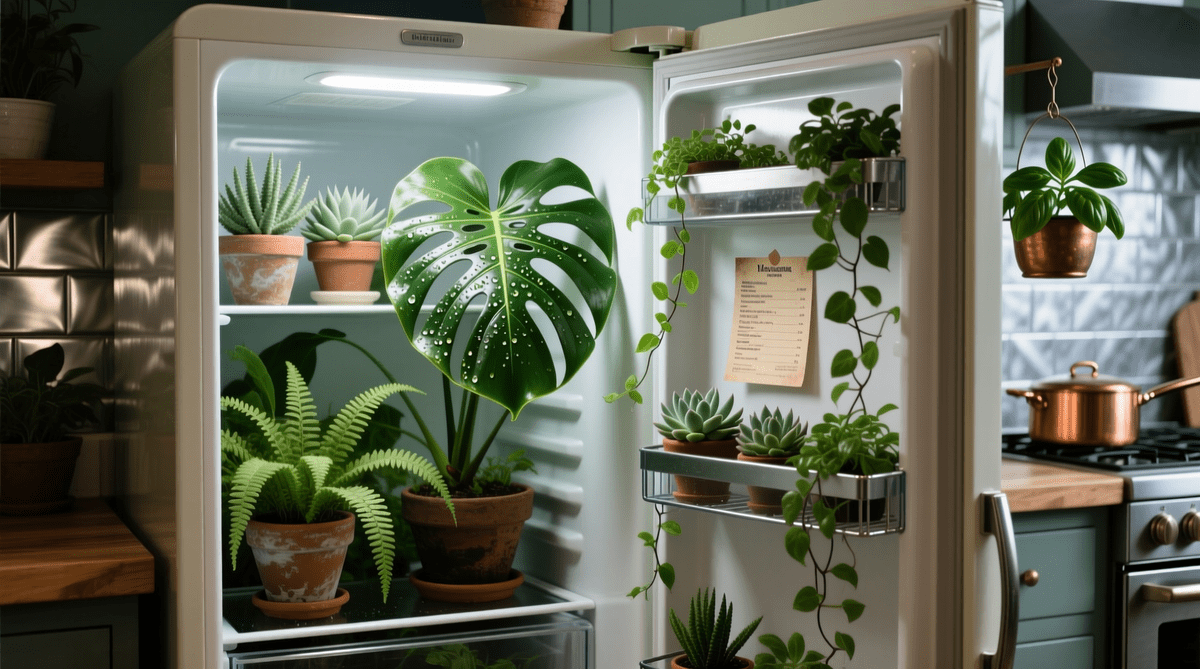
Plants refrigerated for an extended period without adequate light exposure may experience stress due to the critical role light plays in their photosynthesis process. Lack of light in the refrigerator can have detrimental effects on plants, leading to a decrease in chlorophyll production and overall growth. Light-loving plants, in particular, are more susceptible to the negative impacts of being stored in the dark. Without light, plants are unable to photosynthesize efficiently, causing them to enter a dormant state as a survival mechanism. This dormancy slows down their metabolic processes and growth, making them more vulnerable to wilting and yellowing. The duration plants can survive in the fridge without light varies based on their light requirements, with some lasting only a few days before showing signs of stress. It is crucial to consider the light needs of plants when placing them in the refrigerator to prevent damage from the lack of light.
Signs of Wilting in Plants
Regularly inspecting your plants for signs of wilting is crucial in maintaining their health and vitality. When plants experience wilting, it is often due to a lack of water reaching their leaves and stems. Here are some key signs to look out for:
- Drooping Leaves: One of the most common indicators of wilting is when the leaves start to droop and appear less rigid than usual.
- Dry and Brittle Stems: Wilting can also cause the stems of the plant to become dry, brittle, and less flexible.
- Overall Limp Appearance: The entire plant may take on a limp and lifeless appearance, signaling that it is in distress.
- Loss of Turgidity: When a plant wilts, it loses turgidity, meaning it lacks the necessary water pressure to maintain its structure.
Prevention Tips for Plant Health
Ensure your refrigerator maintains a temperature above freezing to safeguard plant health. Keep plants in the refrigerator for short periods only, as extended stays can cause wilting. Position plants away from the back of the refrigerator to prevent accelerated damage due to colder temperatures.
Temperature Considerations
Maintaining proper temperature settings in the refrigerator is crucial for safeguarding the health and longevity of stored plants. When considering temperature considerations for storing plants in the refrigerator, keep the following points in mind:
- Freezing Concerns: Refrigerator temperatures typically range from 32-40 degrees Fahrenheit. These low temperatures can mimic freeze conditions and harm plants by freezing water molecules in their leaves and stems.
- Dehydration Risks: Plants stored in the refrigerator can survive for about 2 days before showing signs of dehydration due to the cold and dry conditions. Light-loving plants can last 4 to 10 days without light.
- Humidity Impact: Low humidity levels in the refrigerator can cause plants to lose moisture quickly, leading to shock and wilting. It is vital to monitor and regulate humidity levels to maintain plant health.
- Recommended Settings: The FDA suggests a refrigerator temperature of around 40 degrees Fahrenheit to prevent destructive temperatures below 25 degrees Fahrenheit. Utilizing ideal humidity equipment like portable humidifiers can help maintain optimal conditions for plant health.
Humidity Levels
To safeguard the health of plants stored in the refrigerator, it is crucial to monitor and maintain appropriate humidity levels to prevent rapid moisture loss and potential damage. Maintaining a humidity level of 65% in the refrigerator can help prevent plants from losing moisture quickly and experiencing shock or wilting. Cold and dry conditions in the refrigerator, with temperatures between 32-40 degrees Fahrenheit and 65% relative humidity, can impact plant health negatively. Low humidity levels can lead to rapid moisture loss, potentially causing wilting and damage. The FDA recommends a temperature of 40 degrees Fahrenheit for refrigerators since temperatures below 25 Fahrenheit can be destructive to plants. Consider using equipment like the Geniani portable humidifier to regulate humidity levels and prevent moisture loss in plants stored in the refrigerator.
| Humidity Level | Impact on Plants | Recommendation |
|---|---|---|
| 65% | Prevents rapid moisture loss, avoids wilting | Maintain humidity at this level for plant health |
| Below 25% | Leads to rapid moisture loss, potential damage | Avoid storing plants in environments with low humidity |
| 40-50% | Moderate moisture levels, plants can thrive | Optimal range for most plant species in refrigerators |
Duration of Storage
For optimal plant health and longevity while stored in the refrigerator, it is essential to monitor the duration of storage and implement preventive measures accordingly. When considering the duration of storage, keep the following points in mind:
- Dehydration Signs: Plants can typically survive in the refrigerator for around 2 days before showing signs of dehydration. It is crucial to check for wilting or dryness regularly.
- Light Requirements: Light-loving plants may last between 4 to 10 days in the absence of light inside the refrigerator. Consider placing them near the door where some light may filter in.
- Cold and Dry Conditions: Cold and dry conditions in the refrigerator can lead to shock and wilting of plants due to rapid moisture loss. Ensure the refrigerator maintains ideal conditions of 32-40 degrees Fahrenheit and 65% relative humidity.
- Dormancy and Chlorosis: Lack of light in the refrigerator can cause plants to enter a dormancy state or even die from chlorosis. Be cautious of prolonged light deprivation for light-dependent plants.
Avoiding Plant Storage in Refrigerator
Refraining from storing plants in the refrigerator is crucial to maintaining their health and longevity due to the adverse effects of cold, dry conditions on plant physiology. The cold and dry environment in refrigerators can lead to shock and wilting in plants by reducing humidity levels, causing them to lose moisture rapidly. With refrigerators set at around 40 degrees Fahrenheit, as recommended by the FDA, these temperatures can be detrimental to plants if too low, impacting their overall health. Furthermore, the lack of light within the refrigerator can force plants into a dormancy state or even lead to their death from chlorosis, a condition where leaves turn yellow due to lack of chlorophyll. It is essential to understand the negative impacts of refrigeration on plants to ensure their well-being and longevity. By avoiding storing plants in the refrigerator, you can help maintain their vitality and prevent potential harm caused by unsuitable conditions.

Alternatives to Refrigerator Storage
Consider storing your plants in a room with temperatures between 50-60°F for optimal conditions. A pantry or cellar can serve as suitable alternatives to refrigeration, providing a cool, dark environment. If space is limited, displaying your plants on a countertop can also be a viable option.
Room Temperature Storage
Room temperature storage provides a conducive environment for plants, promoting longevity and minimizing the risks associated with refrigeration. When considering room temperature storage for your plants, keep in mind the following:
- Optimal Temperature Range: The ideal room temperature for plant storage falls between 65-75 degrees Fahrenheit, offering a comfortable setting that mimics their natural habitat.
- Longer Lifespan: Plants stored at room temperature can thrive for extended periods without the negative impacts of cold temperatures, such as frost damage or slowed growth.
- Prevention of Adverse Effects: Room temperature storage helps prevent shock, wilting, and dehydration that are commonly induced by refrigeration, preserving the vitality of your plants.
- Key Considerations: Factors like adequate sunlight exposure, proper air circulation, and regular watering play vital roles in successfully maintaining plants at room temperature, ensuring their health and well-being.
Pantry or Cellar
Storing certain plants in a pantry or cellar can provide a suitable alternative to refrigeration, especially for those that thrive in cool, dark environments. Root vegetables like potatoes, onions, and garlic are prime candidates for pantry or cellar storage due to their preference for dark, cool conditions. Maintaining proper ventilation and humidity levels in your pantry or cellar is vital to ensure the freshness and quality of stored produce items, such as root vegetables and winter squash. These storage spaces help prevent premature sprouting or decay that can occur in warmer environments. Monitoring temperature fluctuations and ensuring adequate airflow are crucial for successful pantry or cellar storage of plants. By utilizing the suitable conditions of a pantry or cellar, you can extend the shelf life of your produce items while preserving their flavor and nutritional value without the need for refrigeration.
Countertop Display
To provide an alternative to refrigerating plants like root vegetables, exploring countertop displays can offer a visually appealing way to showcase various types of indoor plants. Countertop displays are a popular choice for individuals looking to bring a touch of nature indoors while creating a visually pleasing environment. When it comes to flourishing plants, countertop displays can be a great option. Here are some key points to consider:
- Diverse Plant Selection: Countertop displays can accommodate a variety of plants, including succulents, air plants, and small potted flowers, allowing for a diverse and attractive arrangement.
- Room Temperature Conditions: Ideal for plants that thrive in room temperature environments, countertop displays provide the necessary conditions for plants to flourish and remain healthy.
- Enhanced Aesthetic Appeal: By choosing the right plants for countertop displays, individuals can enhance the visual appeal of their space, creating a natural and inviting atmosphere.
- Promoting Well-Being: Incorporating plants into countertop displays can contribute to a sense of tranquility and well-being, making them a valuable addition to any home or office setting.
Importance of Proper Plant Care
Understanding the significance of proper plant care is essential for ensuring the health and well-being of your green companions. Placing plants in the refrigerator can have detrimental effects if not carefully considered. The low temperatures inside refrigerators can shock plants, leading to wilting and dehydration. Furthermore, the lack of light in this environment can force plants into a dormant state or even cause them to die from chlorosis, a condition characterized by yellowing of leaves due to insufficient chlorophyll production. Additionally, the humidity levels in refrigerators are typically low, resulting in moisture loss and potential damage to plants. Being aware of these factors is crucial for maintaining the health and longevity of your plants. To ensure your plants thrive, it is important to provide them with the appropriate environmental conditions, such as adequate light, temperature, and humidity levels outside of the refrigerator.
Ensuring Plant Well-being
Maintaining optimal environmental conditions is crucial for ensuring the well-being of your plants. When considering placing plants in the refrigerator, it’s important to take specific measures to ensure they remain healthy and vibrant. Here are some key points to keep in mind to promote proper Plant Care:
- Avoid Freezing Temperatures: Placing plants in a refrigerator with temperatures below 32 degrees Fahrenheit can mimic freeze conditions, potentially damaging plant tissues.
- Provide Adequate Light: Lack of light in the refrigerator can lead to chlorosis in plants, causing them to die or enter a dormant state due to the absence of photosynthesis.
- Prevent Moisture Loss: Cold and dry conditions in the refrigerator can result in rapid moisture loss from plants, leading to shock and wilting.
- Maintain Optimal Conditions: Ideal refrigerator conditions for plants include temperatures around 32-40 degrees Fahrenheit and 65% relative humidity to maintain their health and vigor.