

I’ve found that mold growing on fertilizers is mainly due to high humidity, warm temperatures, and suboptimal storage. These conditions nourish common molds like Trichoderma and Penicillium, especially on organic fertilizers rich in nutrients. To combat this, it’s crucial to regulate the storage environment; keep humidity below 60% and ensure adequate ventilation to disrupt mold growth. Using airtight containers and desiccants also helps mitigate moisture. Implementing these strategies effectively reduces the risk of mold, which can jeopardize both plant health and fertilizer efficacy. It’s essential we understand and apply these prevention measures, promising further insights into maintaining optimal fertilizer conditions.
Identifying Common Mold Types
In assessing the common molds found on fertilizers, it’s crucial to recognize species such as Trichoderma, Penicillium, and Aspergillus. These molds thrive in environments rich in organic material and excessive moisture, typical of organic fertilizers.
Notably, white mold, often visible as white fuzzy patches, signifies the presence of saprophytic fungi. These fungi are pivotal in decomposing organic matter, thereby releasing essential nutrients for plant growth.
Incorporating compost into the soil not only enhances soil fertility but also actively contributes to the suppression of certain harmful fungal growths through the introduction of beneficial microorganisms.
Effective moisture control and regular monitoring are critical in managing these molds. Without proper checks, the high nitrogen content in organic fertilizers can create a breeding ground for these species, exacerbating mold proliferation.
Understanding each mold’s characteristics and environmental preferences aids in implementing targeted strategies to mitigate their adverse effects.
Causes of Mold on Fertilizers
Mold finds fertile ground on fertilizers when high humidity and warm temperatures combine, setting the stage for rapid fungal proliferation.
Organic fertilizers, particularly rich in nutrients, act as a prime food source for molds like Trichoderma and Aspergillus. These molds flourish where nitrogen is plentiful, exploiting the nutrient-dense nature of these fertilizers.
The presence of moisture, whether intrinsic to the product or introduced through environmental exposure, further catalyzes mold growth. Proper soil aeration and drainage practices can help prevent the environmental conditions that favor mold growth on fertilizers.
Additionally, improper storage conditions—such as insufficient sealing and poor ventilation—exacerbate the issue. Stagnant air in storage areas traps humidity and warmth, creating an ideal microclimate for molds to thrive.
It’s crucial to manage moisture and ensure good air circulation to mitigate these risks.

Health Risks From Mold Exposure
Fertilizer mold’s health risks are significant and varied, impacting individuals differently based on their age, health status, and duration of exposure.
Mold exposure can trigger respiratory issues like asthma and bronchitis, especially in those with pre-existing conditions. These organisms release allergens and irritants that might cause allergic reactions, evidenced by symptoms such as sneezing, runny nose, and skin rashes.
Moreover, specific molds like Stachybotrys chartarum produce mycotoxins, leading to severe health effects including neurological issues and immune system suppression. The presence of mold in environments can also impact the local ecosystem, potentially affecting the habitats of vital pollinators, which are crucial for the biodiversity and sustainability of our food sources.
Prolonged exposure heightens these risks, causing symptoms like fatigue and cognitive difficulties. Children, the elderly, and those with weakened immune systems are especially susceptible to these adverse effects, underscoring the critical nature of addressing mold issues promptly and thoroughly.
Preventative Measures for Mold
To effectively combat mold growth on fertilizers, it’s essential to maintain proper moisture levels within storage environments. Here are three critical steps to ensure these levels are controlled:
- Regulate Humidity: Keep humidity below 60% by using dehumidifiers. This creates a dry climate unfavorable for mold spores.
- Ventilate: Continuously ventilating storage areas helps disperse moisture that can accumulate, particularly in spaces where organic fertilizers are stored.
- Use Airtight Containers: Store your fertilizers in airtight containers to shield them from ambient moisture and airborne spores.
Additionally, integrating stock rotation minimizes the chances of prolonged storage, further helping to prevent mold growth.
Taking these measures seriously ensures your fertilizers remain effective and free from harmful mold.

Effective Mold Removal Techniques
Despite the challenges mold presents, removing it from fertilizers isn’t only possible but essential for maintaining their efficacy and safety.
Scraping away visible mold with a stiff brush is a direct approach, ensuring you’re not too harsh to avoid damaging the fertilizers themselves. For a deeper clean, exposing the affected organic material to sunlight can naturally decompose the mold without chemical intervention.
Alternatively, a diluted vinegar solution can be carefully applied, though it’s crucial to avoid any contact with plant roots due to its herbicidal properties.
Regular maintenance of your storage containers also plays a critical role in mold prevention, helping to preserve the integrity of your fertilizers and ultimately support optimal plant growth.
Importance of Proper Storage
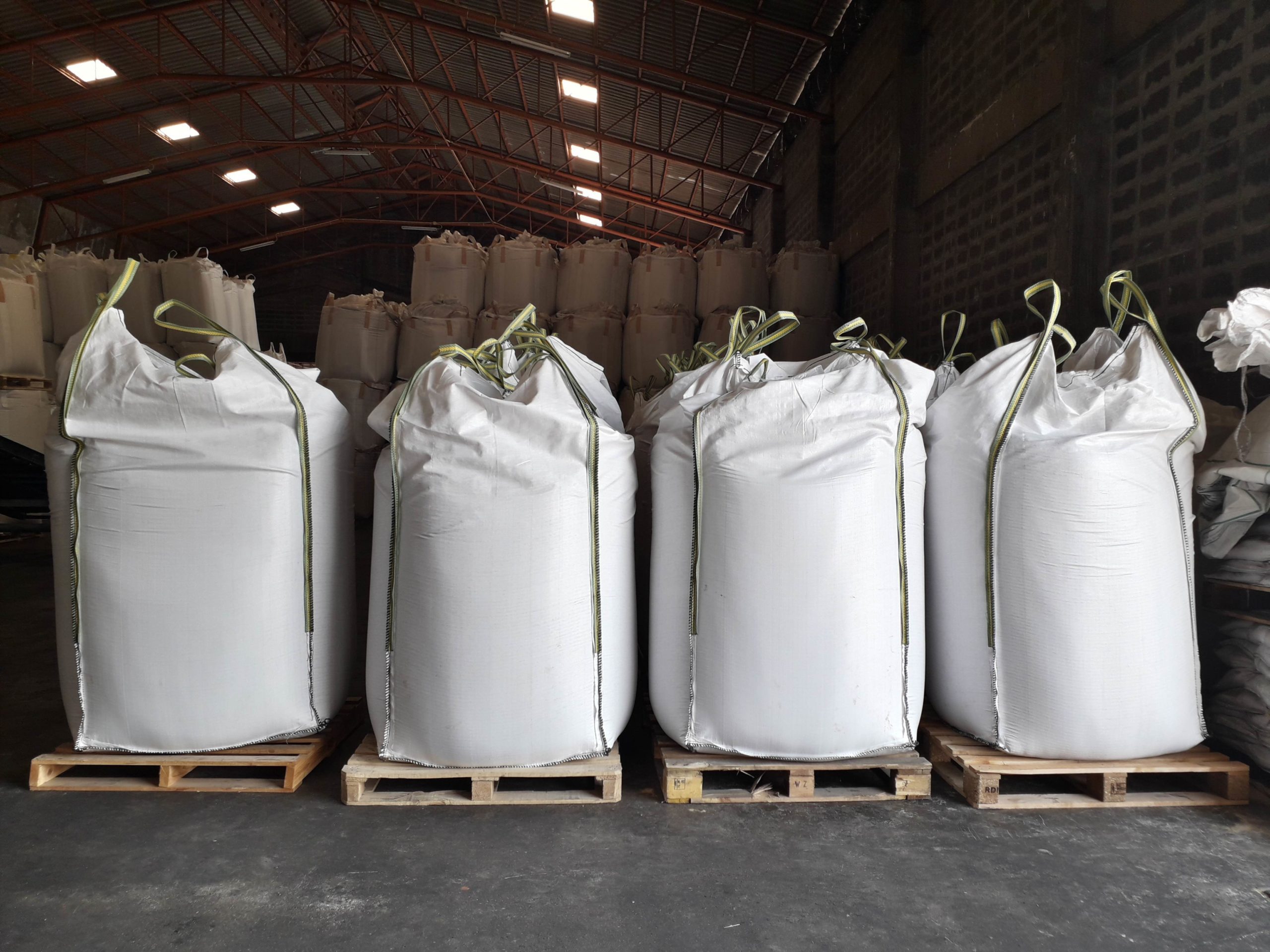
Understanding the nuances of proper storage is crucial for ensuring that fertilizers remain effective and free of mold. Moisture accumulation is a primary culprit in mold growth on fertilizers.
Therefore, here are key strategies to manage this risk:
- Utilize Airtight Containers: These help maintain controlled humidity levels, significantly reducing the potential for mold.
- Choose a Cool, Dry Location: This prevents temperature fluctuations that can lead to condensation and subsequent mold issues.
- Incorporate Desiccants: Using moisture-absorbing materials within storage areas can further mitigate moisture levels, preserving the quality of your fertilizers.
Regular checks for early detection of moisture or mold are vital.
I can’t stress enough how these steps are foundational in preventing mold and ensuring the longevity and efficacy of your fertilizers.
Impact of Environmental Conditions
After exploring the importance of proper storage to prevent mold in fertilizers, we now examine how environmental conditions further influence mold growth.
High humidity levels, notably above 60% relative humidity, provide the essential moisture spores need to flourish. Warm temperatures, especially in areas lacking adequate ventilation, can significantly speed up the metabolic rates of mold, hastening its proliferation on nutrient-rich fertilizers.
Furthermore, stagnant air exacerbates the situation, allowing spores to settle and thrive in these conducive environments. Insufficient lighting can also contribute, maintaining moisture levels high enough to support mold development.
Thus, controlling humidity, temperature, and air flow becomes critical in managing mold growth on fertilizers, emphasizing the need for comprehensive environmental management strategies.
Role of Organic Matter in Mold Growth
Organic matter in fertilizers acts as a fertile ground for mold, particularly saprophytic fungi that decompose plant and animal residues. This relationship is crucial because it underscores the complexity of managing mold growth in agricultural settings.
Here’s why:
- Nutrient Source: Organic matter provides essential nutrients that fuel mold proliferation, notably when coupled with high nitrogen levels.
- Moisture Retention: These materials often retain moisture, creating an ideal microhabitat for molds to thrive.
- Enhanced Microbial Activity: The presence of organic matter boosts microbial activity, further contributing to mold growth.
Understanding these dynamics is essential for preventing mold in fertilizers. Properly managing moisture levels and soil conditions can mitigate these risks, ensuring healthier soil and crop outcomes.

Recommendations for Fertilizer Application
To effectively mitigate mold risks in agricultural settings, it’s crucial to apply organic fertilizers under the right conditions. For instance, applying during dry periods can significantly minimize odor and curb the onset of mold growth.
It’s essential to incorporate these fertilizers into the soil, avoiding surface application, which exposes them to air and excess moisture, thus preventing mold proliferation. Adhering to recommended application ratios is vital to avoid nutrient buildup that fosters mold.
Additionally, consistently monitor moisture levels in the soil, adjusting irrigation to maintain ideal humidity levels conducive to plant health but unfavorable to mold.
Lastly, selecting fertilizers with lower nitrogen levels can be beneficial if mold remains a persistent problem, as high nitrogen can exacerbate mold issues in moist conditions.

Future Perspectives on Mold Control
With the organic fertilizer market set to reach $15 billion by 2027, the push for innovative mold control strategies becomes increasingly imperative.
As we look forward, several key developments are poised to transform how we manage mold in organic fertilizers:
- Enhanced Biofertilizers: Leveraging advances in biotechnology to create biofertilizers that inherently resist mold growth while promoting robust soil health.
- Advanced Composting Techniques: Implementing cutting-edge composting methods that minimize mold proliferation, ensuring higher product quality.
- Government-Led Initiatives: Increasing government incentives to adopt sustainable farming and mold control practices, which will likely spur further innovation and adoption.
These strategies not only respond to growing consumer demand but also underline a commitment to sustainable agriculture and superior product safety.