
I’ll share how moonlight truly affects plants, revealing not just romantic moonlit landscapes but practical impacts on their growth. During its waxing phase, the moon enhances plant metabolism and nutrient transport, significantly influencing how gardeners and farmers plan their planting and harvesting schedules. Exposure to moonlight modulates plants’ bio-electric activity, improving growth and optimizing conditions for root development and starch storage. All these effects are synchronized with the lunar cycle, aligning perfectly with the moon’s phases to boost the overall health and productivity of plants. There’s much more to uncover about this intriguing method that ties astronomy to agriculture.
Lunar Influence on Plant Growth
The phases of the moon significantly impact plant growth, a fact that has intrigued scientists and gardeners alike for decades. During the waxing phase, there’s a noticeable increase in sap flow, which directly influences how nutrients are transported within plants.
As the moon waxes towards a full moon, this enhanced sap flow can boost plant metabolism, leading to more vigorous growth and better overall health. Additionally, understanding the nutrient composition of the soil can further enhance the benefits of moon phase farming by ensuring that nutrients are optimally available during key growth phases.
Research also shows that moisture content in plants fluctuates with the lunar cycle, altering by up to 10%. This variation is crucial as it affects water uptake and nutrient absorption.
Furthermore, moonlight exposure during certain moon phases seems to stimulate rootlet growth and affects how plants store starch, thus optimizing their bio-electric activities and aligning agricultural practices with lunar rhythms for better crop yield.
Historical and Cultural Practices
Drawing on centuries of agricultural tradition, many farming communities have aligned their planting and harvesting schedules with the lunar cycles. This synchronization isn’t just folklore; it’s a refined ecological strategy that enhances agricultural success. Here’s how:
- Optimal Planting Times: Traditional farming practices dictate planting during specific phases of the moon, believed to influence germination rates and crop yields.
- Pest Management: Timing planting with lunar phases helps in naturally controlling pest populations, reducing the need for chemical interventions. Additionally, such practices may complement bee-friendly environments by aligning agricultural activities with ecological needs, promoting healthier bee populations and enhanced pollination.
- Harvesting and Material Collection: Indigenous communities and others harvest during particular lunar phases to ensure lower moisture content in materials, enhancing durability.
Such practices illustrate a deep understanding of lunar impacts, integrating scientific accuracy with cultural wisdom in lunar gardening.

Mechanisms of Moonlight Effects
While historical and cultural practices have long harnessed the lunar cycles for agricultural success, a deeper understanding of the scientific mechanisms at play reveals how moonlight itself directly influences plant life.
Moonlight, though much weaker than sunlight, penetrates soil affecting water surface tension and cellular dynamics. This interaction can shift the moisture and chemical composition within plants throughout lunar cycles, impacting their health and development.
Further, research suggests moonlight modulates bio-electric activity in plants, altering metabolic processes and possibly enhancing growth rates. Electromagnetic properties of moonlight could influence plant metabolism, although this area needs more exploration.
Additionally, the synchronization of starch storage and utilization with moon phases demonstrates moonlight’s role in effective energy management in plants.
Similarly, during the winter dormancy of succulents, environmental conditions markedly influence metabolic rates and moisture management, underscoring the broader impacts of external factors on plant physiology.
Practical Applications in Agriculture
Harnessing lunar cycles offers practical benefits in agriculture, particularly in optimizing planting and harvesting processes.
The integration of moon gardening into traditional and modern farming techniques can profoundly impact how we manage our crops and soil, ensuring sustainability and enhanced productivity.
Here’s how:
- Planting Schedule: Align planting times with lunar phases. Above-ground crops during the waxing moon, and below-ground crops in the waning phase, optimizing plant growth.
- Optimal Harvesting: Harvest crops at specific moon phases to enhance their potency and recovery, following the lunar cycle for maximum efficiency.
- Crop Rotation and Soil Management: Utilize moonlight increases at night for better planning of crop rotation and soil enrichment, incorporating ecological insights to bolster plant health and yield.
Community Engagement and Resources
How does community involvement enhance lunar gardening practices? Community engagement is pivotal in spreading the effectiveness of lunar gardening.
Platforms like forums and comment sections on gardening articles offer spaces where I can exchange insights and gather diverse gardening tips that hinge on the moon phases. These interactions foster a collaborative learning environment, enriching my understanding of both traditional practices and innovative lunar gardening techniques.
Resources such as the Permaculture Calendar, which provides local planting guides that align with moon phases, are invaluable. They help optimize planting schedules and enhance the practical application of lunar gardening principles.
Understanding Moon Phases
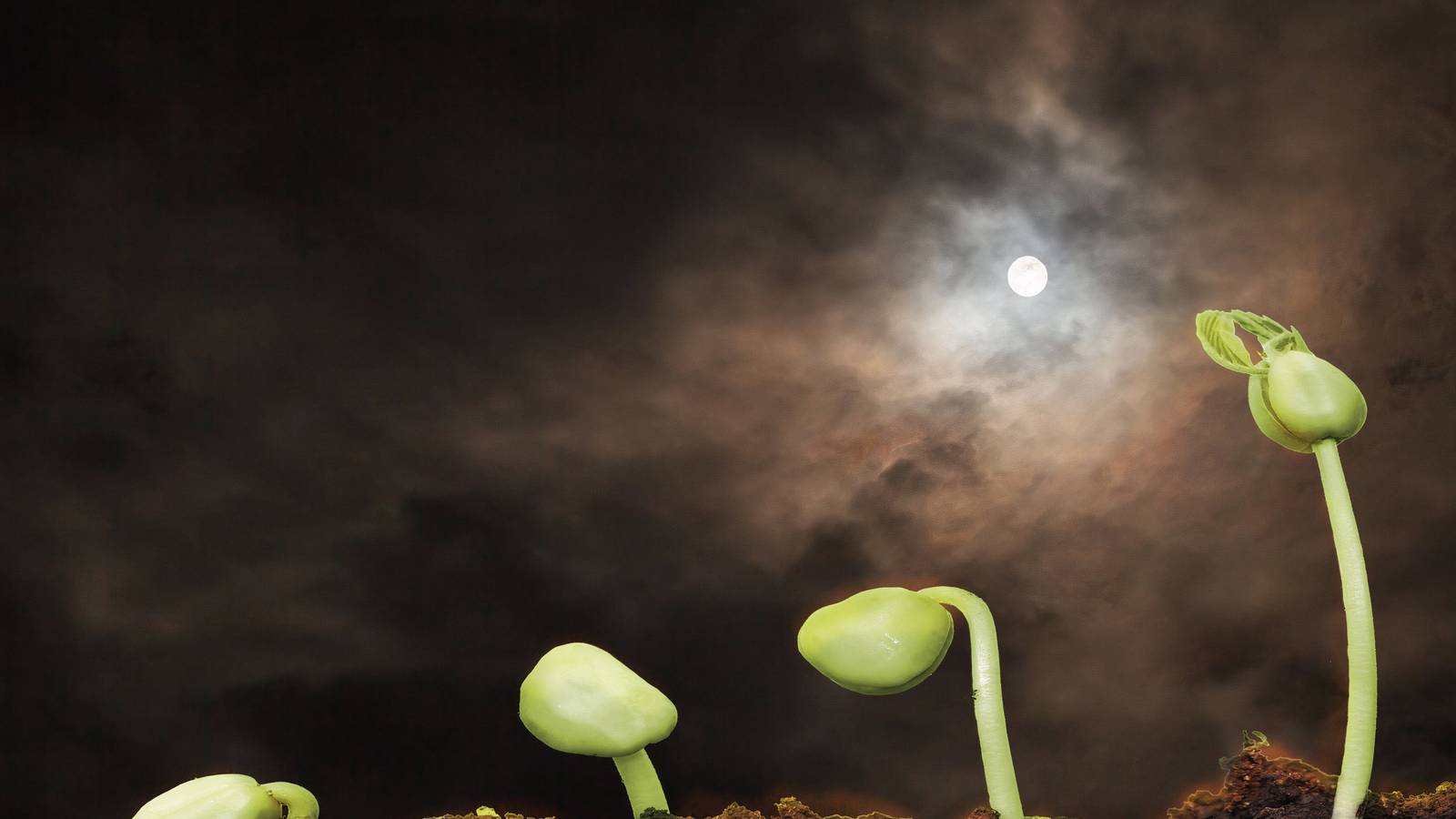
Understanding the phases of the moon is crucial for optimizing plant growth in lunar gardening. Here’s how the lunar cycle influences your plants:
- Waxing Phase: From new moon to full moon, the increasing light and gravitational pull enhance water absorption and seed germination. This phase is prime for planting above-ground crops like corn and tomatoes, which benefit from vigorous growth.
- Full Moon: During the full moon, increased moonlight and gravitational effects may boost starch utilization in plants, enhancing their growth momentarily.
- Waning Phase: As the moon wanes from full to new, it’s an optimal time for planting root crops such as onions and potatoes. This phase supports root development, linked to the moon’s diminishing gravitational pull on soil moisture.
Guidelines, Resources, and Seasonal Considerations
To optimize plant growth, aligning your gardening activities with the lunar cycles is essential, as detailed by the Almanac Planting Calendar.
By adhering to this calendar and the Moon Phase Calendar, you can pinpoint the best times for planting based on lunar phases, ensuring optimal growth. This approach is particularly crucial for vegetables and other edibles, where timing can significantly influence yield.
Resources like the Old Farmers Almanac provide specific guidance for planting schedules, tailored to lunar phases and local climate conditions.
It’s vital to adjust these schedules, especially in cold-weather areas, to accommodate seasonal considerations. Keeping a lunar calendar helps you track planting and lunar events efficiently, enhancing your garden’s success by syncing with the natural rhythms of moonlight.

Astrological Best Days for Planting
Building on the principles of gardening by lunar phases, it’s also valuable to consider the Moon’s position in zodiac signs to determine the best days for planting.
Drawing from the moon calendar, here’s how you can synchronize your planting schedule for optimum results:
- Waxing Moon Phase: Ideal for sowing above-ground crops. The increasing moisture uptake aids germination and improves plant growth.
- Descending Moon Phase: Best for planting root vegetables. The gravitational pull encourages root development, enhancing stability and nutrient absorption.
- Zodiac Positioning: Plant during Cancer, Scorpio, Pisces, or Taurus days for heightened fertility and improved crop yield.
Challenges and Gardening Techniques
While lunar gardening offers intriguing benefits, several challenges can hinder its practical application. Finding accurate lunar planting calendars is tough, and recent changes in website usability often make it harder to access essential resources on lunar gardening. This frustrates many gardeners trying to align their planting times with moon phases.
To overcome these obstacles, it’s crucial to monitor soil moisture closely to ensure seeds are sown in optimal conditions for germination and plant growth.
Additionally, consistently experimenting with different seeds and documenting results can refine your lunar gardening techniques. By establishing reliable planting times based on personal experiments, you can enhance the effectiveness of gardening by the moon and achieve better yields in your garden.