

When you’re deciding between a compost pile and a compost bin, consider your space and waste output. Compost piles, ideal for larger outdoor spaces, handle substantial volumes of waste and rely on natural processes. They require more space but support broader biodiversity and soil health. In contrast, compost bins suit smaller or indoor spaces, offer quick conversion times—especially electric models like Lomi, and include odor control features critical for indoor use. They’re practical for urban settings where space is limited. Deciding which option aligns with your needs can transform your approach to sustainability and waste management. More insights await as you explore further.
Composting Methods Overview
Composting, a key component of sustainable waste management, involves two primary methods: indoor compost bins and outdoor compost piles.
If you’re wrestling with food waste, understanding these options is crucial. Indoor compost bins are fantastic for smaller spaces, minimizing odors through tightly sealed systems and offering rapid decomposition. Techniques like electric, anaerobic, and vermicomposting fit under this umbrella, each catering to different needs and scales of organic waste production.
Meanwhile, outdoor compost piles cater to those with more space and larger volumes of organic waste. These piles leverage a slower, more natural composting process, making them ideal for extensive garden waste.
Each method significantly slashes food waste, boosting environmental health through efficient recycling of organic materials.
Additionally, integrating composting methods like the Bokashi method can effectively handle more complex compostables such as pasta with dairy and meat, enhancing the scope of materials that can be composted.
Outdoor Compost Pile Characteristics
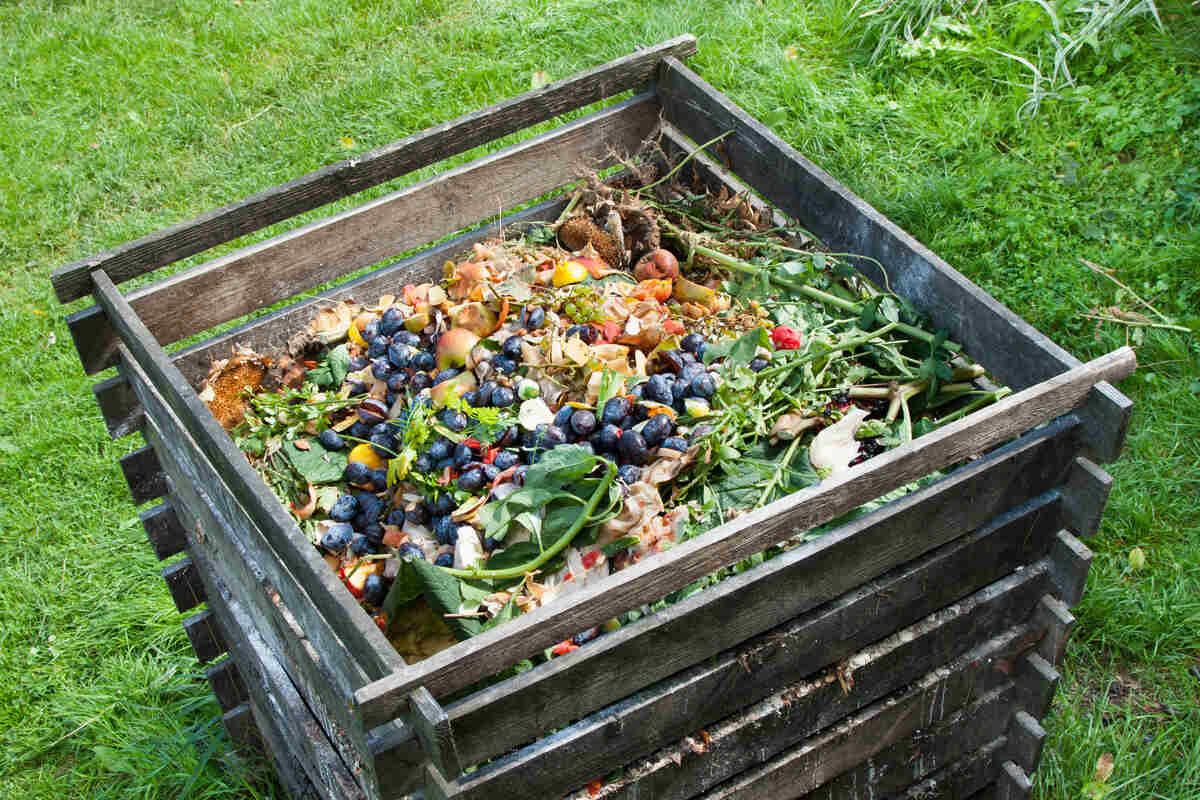
In my backyard, an outdoor compost pile serves as a crucial station for converting kitchen scraps, garden clippings, and fallen leaves into nutrient-rich soil.
Here’s why it’s effective:
- Natural Decomposition: The pile utilizes a slow, natural process driven by a balanced mix of green and brown materials. By maintaining a greens to browns ratio of 1:2, the composting process is optimized, fostering a thriving ecosystem for microbial activity.
- Ample Space: It requires sufficient space, making it ideal for those with larger yards.
- Pest Management: Adequate protection is necessary to deter rodents and other pests.
- Volume Handling: It’s perfectly suited for handling large volumes of organic waste, which can be more challenging with smaller, enclosed systems.
Analyzing these factors ensures that my outdoor compost pile not only supports sustainable waste management but also enhances soil fertility efficiently.
Indoor Compost Bin Features
Transitioning from the spacious requirements of an outdoor compost pile, indoor compost bins offer a versatile solution, particularly for those with limited space.
These bins cater to various composting preferences, with methods ranging from electric composting to vermicomposting. Each type is tailored for efficient handling of organic waste. The inclusion of odor control features, such as charcoal filters, is essential in maintaining a fresh atmosphere within smaller, enclosed areas.
Moreover, the rapid conversion of waste to fertilizer by electric composters, sometimes in less than 24 hours, suits the fast-paced lifestyle of urban dwellers. Vermicomposting, in particular, promotes sustainability by using natural processes to enrich soil and reduce waste.
Capacity also varies, allowing you to find an indoor compost bin that matches your household’s organic waste output, ensuring both practicality and aesthetic appeal in compact living environments.

Recommended Indoor Compost Bins
Several indoor compost bins stand out for their unique features and suitability for urban living spaces.
Here’s a detailed analysis of four top options:
- Silky Road Composting Bin: Combines style with functionality, featuring an aesthetic design and odor-containment filters, making it ideal for maintaining a pleasant indoor environment while managing organic waste.
- Lomi: An electric compost bin that transforms food scraps into fertilizer in under 24 hours, optimizing space and time for indoor composting enthusiasts in compact living situations.
- Bokashi Bin: Utilizes Bokashi bran to ferment composting material effectively in confined spaces, perfect for apartment dwellers.
- Bamboozle Composter: Made from biodegradable bamboo fiber, this compost bin offers a sustainable, odor-controlled solution to indoor composting, aligning with eco-friendly values.
Educational Resources on Composting
Delving into the world of composting, I find it essential to highlight various educational resources that simplify the process for beginners and experts alike.
These resources provide step-by-step guides on setting up both compost piles and bins, focusing on practical aspects like the balance of green and brown materials, moisture levels, and aeration techniques.
By educating on different systems—such as aerobic, anaerobic, and vermicomposting—they detail specific requirements and benefits, enhancing the efficiency of organic waste breakdown.
Furthermore, local community initiatives play a crucial role, promoting sustainable practices that not only reduce landfill waste but also curb methane emissions, a potent greenhouse gas.
Such efforts ultimately foster broader awareness and participation in environmentally conscious waste management.
:strip_icc()/GettyImages-884028998-12f5f2624f6149ba81aa89f7e3e347d1.jpg)
Environmental Benefits and Impact
Composting significantly cuts down on the volume of organic waste destined for landfills, thus playing a key role in reducing methane emissions, a potent greenhouse gas.
Here’s how this process benefits our environment:
- Methane Reduction: By diverting organic waste from landfills, composting can mitigate potential methane emissions, significantly impacting global warming potential.
- Soil Health Improvement: Compost acts as a natural soil conditioner, enriching the soil’s structure and nutrient content, which supports resilient ecosystems and healthier plant growth.
- Chemical Fertilizer Reduction: Utilizing compost reduces reliance on chemical fertilizers, decreasing environmental pollution and enhancing agricultural yields.
- Biodiversity Boost: Effective composting practices increase biodiversity by fostering beneficial microorganisms essential for a thriving ecosystem.
Practical Considerations for Composting
When considering the setup of a composting system, it’s essential to evaluate the space available and the volume of waste you produce.
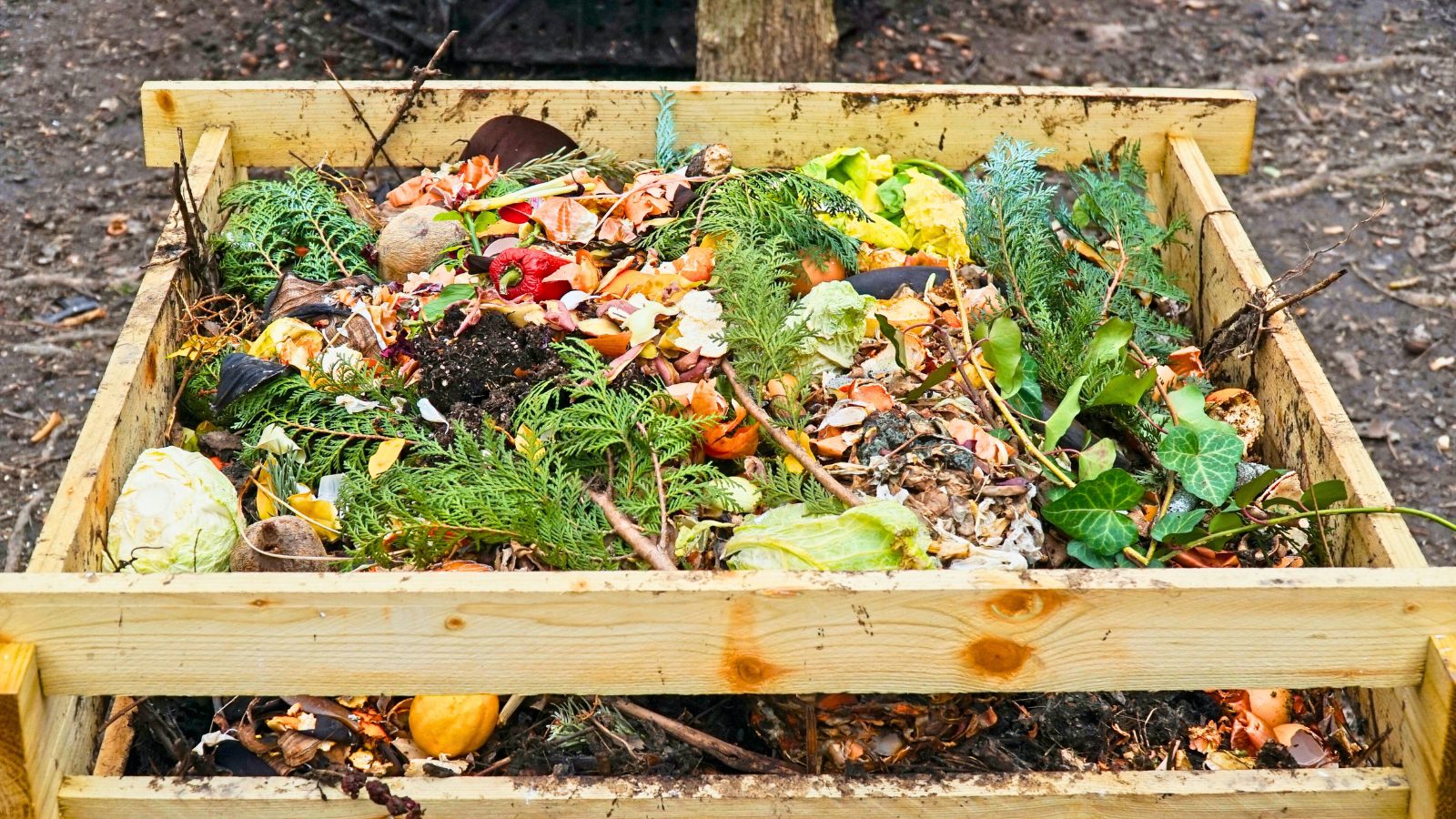
If you’re dealing with large amounts of organic materials, like yard trimmings and kitchen scraps, a compost pile might be your best bet. It requires more space but is ideal for improving soil on a larger scale.
Conversely, a composting bin is perfect for smaller gardens or indoor settings where space is at a premium. These bins can be equipped with features that control odor and manage decomposition effectively.
Economic Advantages of Composting
Establishing composting facilities requires an initial investment of approximately $110 billion, significantly less than the $171 billion needed for new landfill construction.
Here’s how this impacts you economically:
- Long-term Savings: While compost facilities might’ve higher initial operating costs, the reduction in landfill usage can significantly lower overall waste management expenses.
- Job Creation: Composting promotes job opportunities in the recycling and composting sectors, enhancing local economies.
- Agricultural Productivity: Improved soil health from using compost increases crop yields, benefiting local farmers economically.
- Household Savings: Composting at home using organic waste reduces your need for costly chemical fertilizers and cuts down on waste disposal fees.
Incorporating a compost heap at home is a smart move financially, helping you and the broader community reduce waste and enrich soil.