
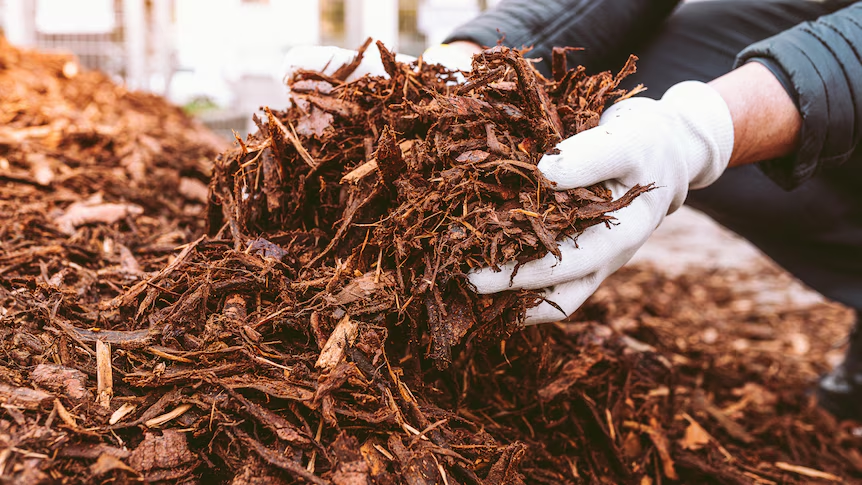
While you can burn mulch, it’s crucial to understand both the advantages and the potential setbacks. Dry mulch catches fire easily, quickly releasing heat and resulting in a large amount of ash. This might initially seem an effective disposal method, but the combustion process emits harmful pollutants like carbon monoxide, which can worsen air quality and pose health risks, especially from any treated or dyed mulch. Moreover, local regulations often restrict burning to prevent fire hazards and mitigate environmental damage. There are safer and more sustainable alternatives to consider, such as composting or using mulch in landscaping to support soil health. Exploring these options benefits not only your garden but the broader environment around you.
Understanding Mulch Combustibility
Understanding the combustibility of mulch is crucial for both environmental and safety reasons. Dry mulch is highly combustible, easily igniting due to its low moisture content. This rapid combustion results in high heat output but also produces significant ash, making cleanup a hassle, especially with treated or dyed mulch that emits unpleasant odors.
Additionally, ashes from burned mulch can enhance soil nutrient profile, if they’re from untreated sources, making them useful for garden soil amendment in some cases. However, burning mulch can release excessive smoke and harmful chemicals if the mulch contains contaminants.
Its lack of structural integrity compared to traditional wood fuel leads to uneven burning and lower heating efficiency. Moreover, regulations may limit burning mulch in certain areas to prevent these issues.
It’s essential to understand these factors before considering burning mulch, ensuring compliance and minimizing environmental impact.
Safety Considerations in Burning
Burning mulch, while sometimes necessary, demands strict safety measures to protect both the environment and our health. When mulch catches fire, it can release toxic fumes and produce excessive smoke that irritates our skin, eyes, and lungs.
To mitigate these risks, employing natural control methods like those used in lawn grub management can be beneficial, focusing on prevention rather than dealing with consequences. It’s crucial to wear protective gear and ensure good air circulation.
Always check local laws before you start; many places restrict or ban burning to safeguard air quality and prevent fire hazards. Given that mulch can ignite quickly under direct sunlight, it’s essential to monitor the fire closely and keep flammable materials at a safe distance.
Always have a water source or a fire extinguisher ready. These safety considerations aren’t just guidelines; they’re necessities to prevent harm and ensure responsible burning practices.
Environmental Impacts Explained
The environmental toll of burning mulch is significant, releasing harmful pollutants such as carbon monoxide and particulate matter into the atmosphere.
When you consider burning your mulch, it’s crucial to understand the broader environmental impact. Additionally, improper handling of organic materials can lead to anaerobic conditions, similar to those causing bad smells in potted plant soil, further compounding the environmental issues.
Here are three compelling reasons to reconsider:
- Air Quality Degradation: The smoke deteriorates air quality, posing health risks especially to children and those with respiratory conditions.
- Toxic Chemical Release: Colored or treated mulch can emit toxic chemicals, contributing to long-term pollution.
- Ecosystem Damage: Improper disposal of ash can harm soil and water sources, affecting local ecosystems.
Always check local regulations before proceeding, as they’re designed to protect us and our environment from these adverse effects.
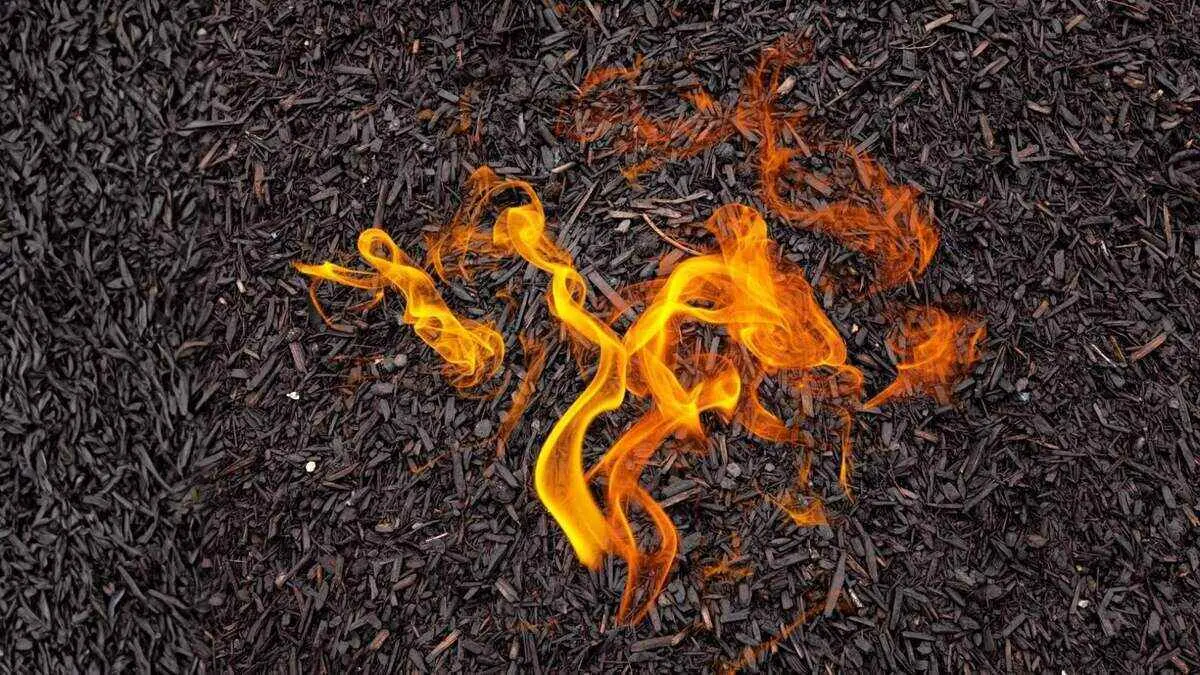
Legal Restrictions and Guidelines
Before you decide to burn mulch in your backyard, it’s essential to familiarize yourself with the local legal restrictions to ensure you’re not only compliant but also preserving our environmental health.
Many regions impose specific regulations on burning yard waste, including mulch. These rules may completely ban open burning or limit it to certain periods within the year. You’ll need to check local laws thoroughly to steer clear of fines or other legal issues.
Often, a permit to burn yard waste is required, and not acquiring this permit could lead to penalties. Given variables like air quality alerts or dry seasons, these regulations can fluctuate.
Additionally, it’s important to consider the impact of such activities on community spaces and public parks, as burning mulch could affect local flora and communal areas.
Always consult your local fire department or environmental agency for the most precise guidelines on burning mulch.
Alternative Disposal Methods
Exploring alternative disposal methods for mulch provides environmentally friendly options that enhance soil health and contribute to sustainable practices. Instead of burning mulch, consider these impactful strategies:
- Composting: Add mulch to your compost pile. This recycles organic matter, reintroducing vital nutrients into your soil, which helps in suppressing weed seeds and boosting fertility.
- Reuse in Garden Beds: Shred and distribute old mulch across your garden beds. This not only improves soil structure but also keeps garden beds healthy by curbing weed growth and maintaining moisture.
- Donate to Community Projects: Give surplus mulch to community gardens or eco-projects. This supports local sustainability efforts and promotes a sense of community involvement.
These methods ensure your gardening remains both productive and environmentally responsible.
Comparing Mulch to Traditional Fuel
Mulch’s rapid burn rate and high heat output starkly contrast with traditional wood logs, which are preferred for their ability to provide longer, more consistent heat.
If you’re considering whether to burn your mulch, it’s crucial to recognize its tendency for uneven burning. This not only challenges the efficiency of the heat but can also escalate the environmental impact, especially with mulches that may contain treatments or dyes.
Furthermore, the high ash production from burning mulch is a notable downside, complicating cleanup and demanding more frequent maintenance than traditional wood.
While traditional wood offers a steadier, more reliable burn, mulch requires careful handling, possibly specialized equipment, to mitigate these issues, making it a less practical option for regular heating purposes.
Community Experiences and Advice
Shifting focus to the real-world applications and opinions surrounding mulch burning, the dialogue among community members offers a wealth of practical insights.
Here’s what I’ve gleaned from engaging with other gardening enthusiasts about whether to burn mulch:
- Safety First: Many stress the importance of safety precautions. It’s crucial to know if your mulch is treated or dyed, as burning such materials can release harmful chemicals.
- Right Tools: Users recommend using burners designed for biomass to ensure effective combustion and minimize ash production, rather than traditional fire pits or wood stoves.
- Local Wisdom: There’s a strong emphasis on adhering to local regulations regarding yard waste burning. It’s not just about personal practice; it’s about community well-being.
These community experiences highlight a cautious, yet knowledgeable approach to handling organic material responsibly.
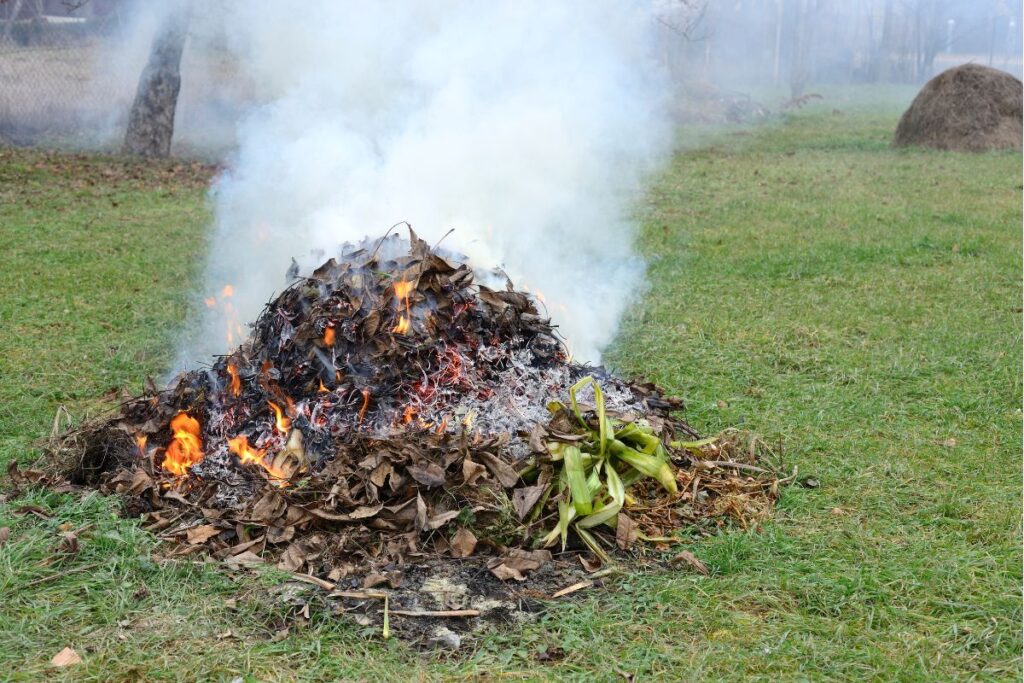
Health Risks From Smoke Exposure
The risks associated with smoke exposure from burning mulch are significant and multifaceted. When you burn mulch, the smoke released can irritate your skin, eyes, nose, and lungs, leading to serious respiratory issues.
This smoke contains harmful pollutants like carbon monoxide and particulate matter, which degrade air quality and pose health risks, especially to vulnerable groups.
Moreover, burning treated or dyed mulch releases toxic chemicals that can enter your respiratory system, increasing the risk of health complications.
Prolonged exposure exacerbates conditions like asthma or COPD, highlighting the need for strict adherence to local regulations that restrict mulch burning to protect public health.
It’s crucial to consider these impacts before deciding to burn mulch.
Fire Management and Control
Managing fire effectively when burning mulch is crucial for environmental safety and efficiency. Proper fire management requires a deep understanding and strict adherence to several practices.
Here are three key points to consider:
- Monitor Burn Rates: Keep an eye on how quickly the mulch burns. Rapid burn rates can lead to smoldering, posing serious safety hazards.
- Safety First: Always have a fire extinguisher and ample water supply ready. You’ll need these to tackle any unexpected fire spreads promptly.
- Follow Local Regulations: Ensure you’re up to date with local regulations on outdoor burning to avoid fines and enhance safety.
Seasonal Burning Tips
Why consider seasonal variations when planning to burn mulch? Choosing the right time of year is crucial to avoid uncontrolled fires and ensure good air contact for effective combustion.
Always select a calm, dry day, as wet conditions not only hinder the burning process but also increase the risk of producing excessive smoke and ash. Drying your mulch thoroughly before burning can keep moisture at bay, promoting quicker and cleaner burning.
Limiting your fire to small batches within a fire pit helps manage the size and prevents the possibility of spontaneous combustion. Additionally, always check local regulations that may dictate specific seasonal restrictions and always have a water source nearby for safety.
Spontaneous Combustion Risks
After discussing when to burn mulch safely, it’s important to consider how spontaneous combustion can pose a real threat under certain conditions.
Spontaneous combustion arises when heat builds up in decomposing mulch, especially if the moisture content is high, the pile density is substantial, and the organic material type is prone to heating.
Here’s what you need to know:
- Moisture Content: High moisture can trap heat within the mulch, increasing combustion risks.
- Pile Density: Thicker, denser piles retain more heat, elevating the danger.
- Monitoring Mulch: Regularly checking the temperature and condition of your mulch is crucial.
Adopting practices like turning and aerating mulch can mitigate these risks, ensuring both environmental safety and the health of your garden.
Fire-Resistant Mulch Options
In regions prone to wildfires, selecting the right type of mulch is crucial for both safety and environmental sustainability.
Fire-resistant mulch options, such as rock or gravel, not only reduce the spread of fire but also safeguard homes by acting as a protective barrier. These materials are particularly effective in fire-prone areas, where traditional organic options might pose a risk.
While organic mulches like shredded cedar or cypress do contain natural oils that offer some resistance, they aren’t foolproof. Implementing a 2-4 inch layer of fire-resistant mulch can significantly mitigate fire hazards.
Moreover, adhering to local regulations that advocate for these materials can further enhance the safety of mulch production and application in areas susceptible to wildfires.
Mulch Burning Best Practices
Burning mulch requires careful consideration and adherence to best practices to ensure it’s done safely and environmentally responsibly.
When deciding if it’s a good idea to burn mulch, first confirm it’s dry. Dry mulch ignites more readily and burns more cleanly. However, be cautious:
- Location Matters: Always choose a safe place like a fire pit, well away from structures and foliage. This minimizes risk.
- Control Your Fire: Burn mulch in small batches. This enhances air circulation, ensuring the mulch breaks down efficiently without smoldering.
- Stay Informed: Keep abreast of local regulations. Some areas restrict burning mulch due to the emissions mulch releases.