

While plants do rely on certain human actions for enhanced growth and agricultural productivity, they don’t strictly need us to survive. For instance, I contribute to their well-being through activities like breathing, which releases carbon dioxide essential for photosynthesis. My role in nutrient cycling, via composting and agricultural practices, also supports soil health, enriching it with nutrients crucial for plant growth. However, it’s crucial to note that ecosystems can manage and even thrive independently of my input. This hints at a broader ecological perspective, inviting you to explore further how interconnected these processes truly are.
Human-Produced Nutrients
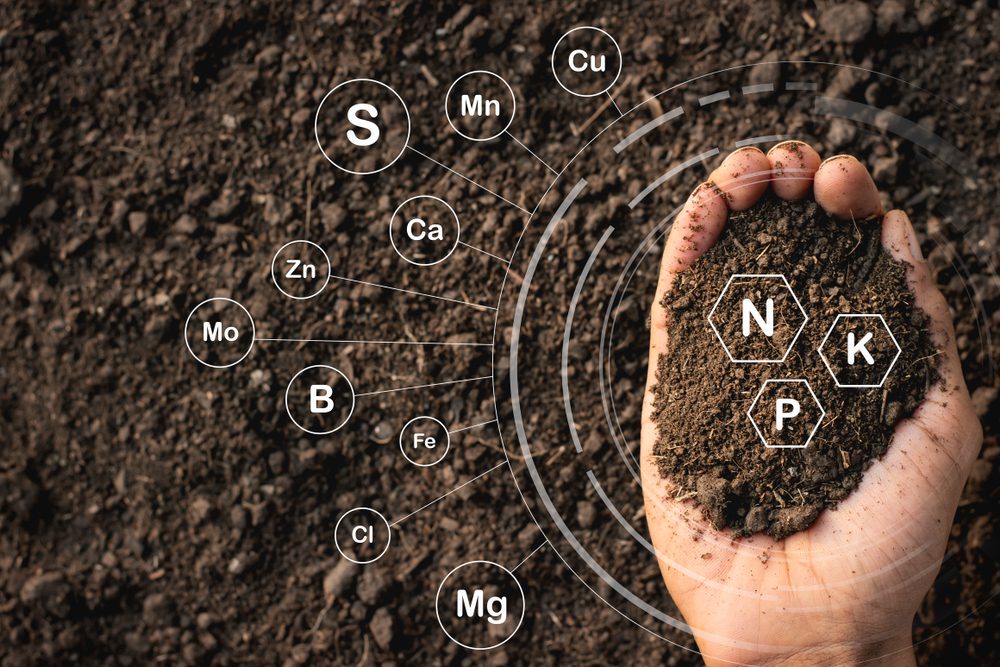
Although we mightn’t often consider it, humans play a critical role in supporting plant life through the production of essential nutrients. When our bodies decompose, they release nitrogen and phosphorus into the soil—key elements that are crucial for plant fertilization. This process enhances soil fertility, significantly supporting the health of various ecosystems.
Over time, human bones and tissues further contribute to nutrient cycling, enriching the soil and promoting robust plant growth. Similar to how dead leaves decompose and return vital nutrients to the earth, human remains also participate in this natural cycle.
This intricate relationship highlights how human existence is intertwined with natural cycles, ensuring that ecosystems not only survive but thrive. Thus, even in death, humans contribute vitally to ecological productivity, maintaining the balance necessary for plant sustainability.
Essential Carbon Dioxide
In addition to the nutrients we provide through our remains, humans also support plant life by exhaling carbon dioxide, a key component for photosynthesis. This process is crucial as over 95% of the carbon in plants comes from the CO2 in our atmosphere.
Our respiration adds significantly to these levels, continuously supplying the essential gas that plants require to convert light energy into chemical energy. Furthermore, the integration of sustainable gardening practices, such as using worm castings or compost, enhances the soil’s capability to support healthy plant growth, aligning human activity with ecological benefits.
Without sufficient CO2, plant growth and survival are severely hindered. Thus, the very act of breathing contributes indispensably to sustaining the flora around us.
This ongoing exchange underscores how intertwined our existences are, with human respiration playing a critical role in maintaining healthy plant life and, by extension, robust ecosystems.
Decomposition and Fertilization
Decomposing after death, human bodies release essential nutrients such as nitrogen and phosphorus into the soil, significantly enhancing its fertility.
This natural process plays a crucial role in maintaining soil health and supporting plant growth. As we break down, our remains increase the availability of vital nutrients, which are indispensable for the robust growth of surrounding plant life.
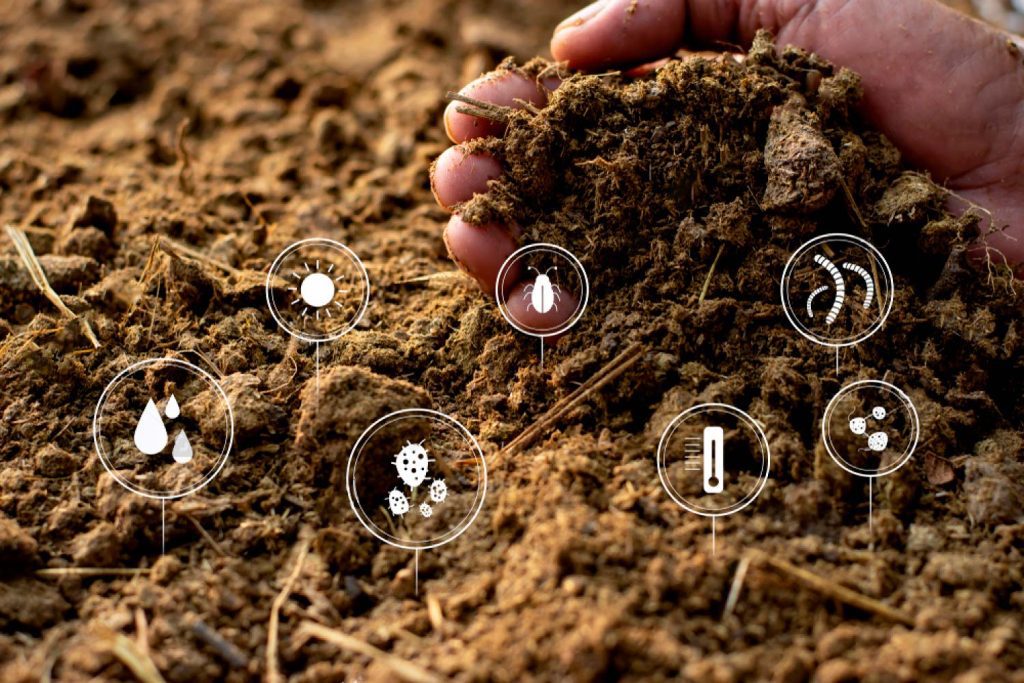
Moreover, the enhancement of microbial activity due to the influx of nutrients from our decomposed bodies further aids in plant health. This microbial boost not only helps in breaking down organic matter more efficiently but also improves soil structure.
Adding essential minerals like potassium and calcium, similar to the benefits of ashes, can further enrich soil quality, promoting even healthier plant growth.
Consequently, this enriched soil increases its capacity to retain moisture, providing a more nurturing environment for plants to thrive.

Contribution to Nutrient Cycling
Human activities, including respiration and decomposition, play a pivotal role in the nutrient cycling essential for plant growth. When our bodies decompose, they aren’t just returning to the earth; they’re actively enhancing it.
The breakdown releases nitrogen, phosphorus, and other crucial nutrients, directly boosting soil fertility and thus plant health. Consider the bones and tissues from our decomposed remains; they aren’t merely remnants but active contributors to the nutrient milieu, enriching the soil further.
This continuous cycle of decay and nutrient release facilitates a more nutrient-rich environment, enabling plants to thrive more robustly. It’s a profound reminder of our integral role in maintaining the ecological balance that supports plant life.
Human Respiration Effects
While we consider how our remains contribute to soil fertility after death, our role in plant nutrition begins much earlier, specifically through the act of breathing.
Every time I exhale, I release carbon dioxide, a gas crucial for photosynthesis. Surprisingly, over 95% of the carbon in plants originates from the atmosphere, with a significant portion contributed by human respiration.
This steady outpour of CO2 ensures that plants around us have a constant supply to convert into oxygen and glucose, vital for their survival and growth.
In areas with low CO2 levels, plants often show stunted growth, underscoring the critical role our breathing plays in maintaining balanced atmospheric conditions and, consequently, healthy plant life.

Agriculture and Human Adaptability
One often overlooks the remarkable adaptability of humans when considering agricultural advancements. Our capacity to develop various agricultural techniques shows a profound flexibility that immensely benefits plant growth.
We’ve enhanced crop yields and refined soil management practices through a nuanced understanding of ecology and agronomy. Historically, agriculture depended heavily on human labor, showcasing our ability to adapt to myriad tasks—from planting to harvesting.
Unlike robots, we can swiftly alter our methods in response to environmental shifts or unforeseen challenges. This evolutionary advantage in problem-solving allows us to cultivate diverse crops, thereby supporting food security and maintaining biodiversity within ecosystems.
It’s clear that our adaptability plays a crucial role in advancing agricultural practices and ensuring the health of our planet’s flora.
Intelligence in Farming
Building on the adaptability highlighted in agricultural advancements, it’s evident that intelligence plays a pivotal role in the evolution of farming practices.
Innovative techniques like crop rotation and permaculture not only preserve soil health but also enhance biodiversity, showcasing human ingenuity in sustainable agriculture.
The development of precision farming and automated irrigation systems further exemplifies our capability to optimize resource use through advanced technologies.
Unlike automated systems, we can swiftly adapt to unpredictable challenges such as weather changes or pest invasions, ensuring effective and timely interventions.
Our unique ability to learn from past experiences and creatively apply knowledge underpins our critical advantage in tackling agricultural challenges, making human intelligence indispensable in the realm of farming.
Human Labor in History
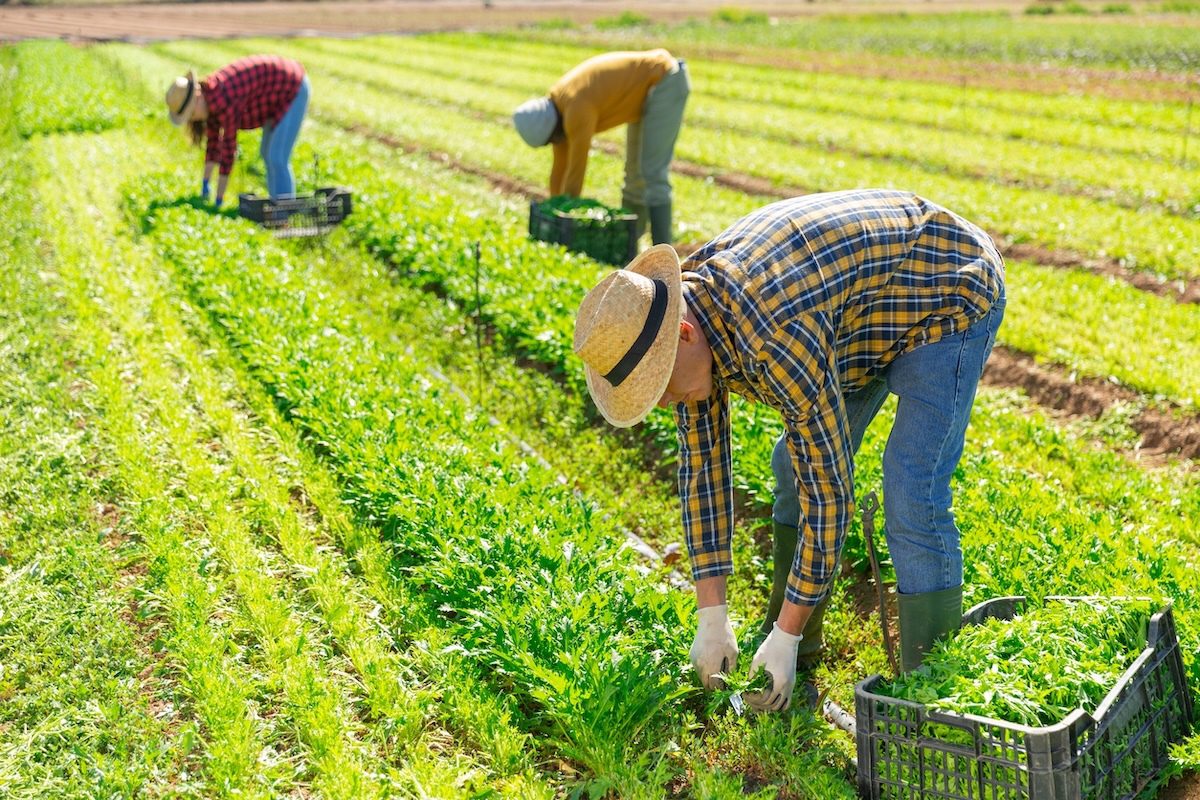
As we delve into the historical significance of human labor in agriculture, it becomes clear that from the earliest civilizations, people have played a pivotal role in the cultivation of crops and the establishment of farming communities.
The adaptability of humans allowed for the development and refinement of various farming techniques, crucial in responding to changing environmental and societal demands. In ancient times, our predecessors engineered sophisticated irrigation systems and effective land management strategies that significantly boosted crop yields and enhanced food security.
Even as the Industrial Revolution introduced machinery into agriculture, it was human insight and oversight that remained indispensable, optimizing production and adapting technologies to new challenges.
Today, despite technological advances, our intelligence and adaptability are still essential in navigating complex agricultural issues and promoting sustainability.
Challenges in Robot Adaptability
While humans have historically adapted their farming techniques to meet various challenges, modern robots still struggle to match this flexibility in agricultural settings.
Despite their precision in repetitive tasks, robots falter when faced with the unpredictable nature of farming environments. Their programming constraints significantly limit their ability to perform creative problem-solving and make real-time decisions, crucial abilities that farmers employ daily.
Unlike humans, who intuitively adjust techniques based on firsthand experience and environmental feedback, robots typically require extensive reprogramming to cope with new or changing conditions.
This inherent rigidity highlights a critical evolutionary advantage of human labor: the seamless integration of physical work with adaptive cognitive skills, a synergy that robots have yet to replicate.

Nutritional Value Differences
Humans produce carbon dioxide, which is essential for plant photosynthesis, yet the overall nutritional value we contribute to ecosystems pales in comparison to other animals.
The nutrients we offer are mostly locked away until after we pass, and even then, they don’t compare to what animals provide.
Consider the following differences:
- Decomposition: Human bodies slowly release nitrogen and phosphorus, far less efficiently than animal remains.
- Immediate Utility: Vital nutrients from humans aren’t available to plants during our lifetime.
- Agricultural Systems: Domestic animals directly enhance soil more effectively.
- Efficiency: Humans are less efficient in nutrient cycling within ecosystems.
- Historical Views: Our perceived ecological utility is often overstated due to societal biases rather than actual necessity.
Reproductive and Management Efficiency
How do domesticated animals outpace humans in agricultural efficiency? Well, let’s dive into the details.
Domestic animals boast shorter reproductive cycles compared to humans, significantly enhancing their role in rapid population turnover and agricultural productivity. Unlike human offspring, who require long gestation periods and extensive care, livestock can be bred and managed to quickly replenish and increase stock.
Moreover, the advent of agricultural machinery has minimized the need for human labor, spotlighting the efficiency of animal contributions. These animals aren’t only easier to manage but can be selectively bred to amplify desirable traits, ensuring more predictable outcomes.
Essentially, in terms of energy input versus yield, animals yield a higher return, making them indispensable in agriculture.
Human Utility Misconceptions
Exploring the role of domesticated animals in agriculture highlights their efficiency, but it also leads to questioning the actual necessity of human intervention in natural ecosystems.
The narrative that we’re indispensable is deeply flawed. Here’s why:
- Many attribute a special role to human decomposition, claiming it uniquely boosts nutrient cycling; however, all decomposing organisms release nitrogen and phosphorus.
- It’s often said that without human labor, agriculture would fail, yet history shows this belief stems from exploitation, not ecological facts.
- Humans are just one of many CO2 producers; our respiratory contributions are mirrored by countless animal species.
- The resilience of plant life is consistently underestimated; many ecosystems thrive precisely because they remain untouched by human hands.
Ecological Role of Humans
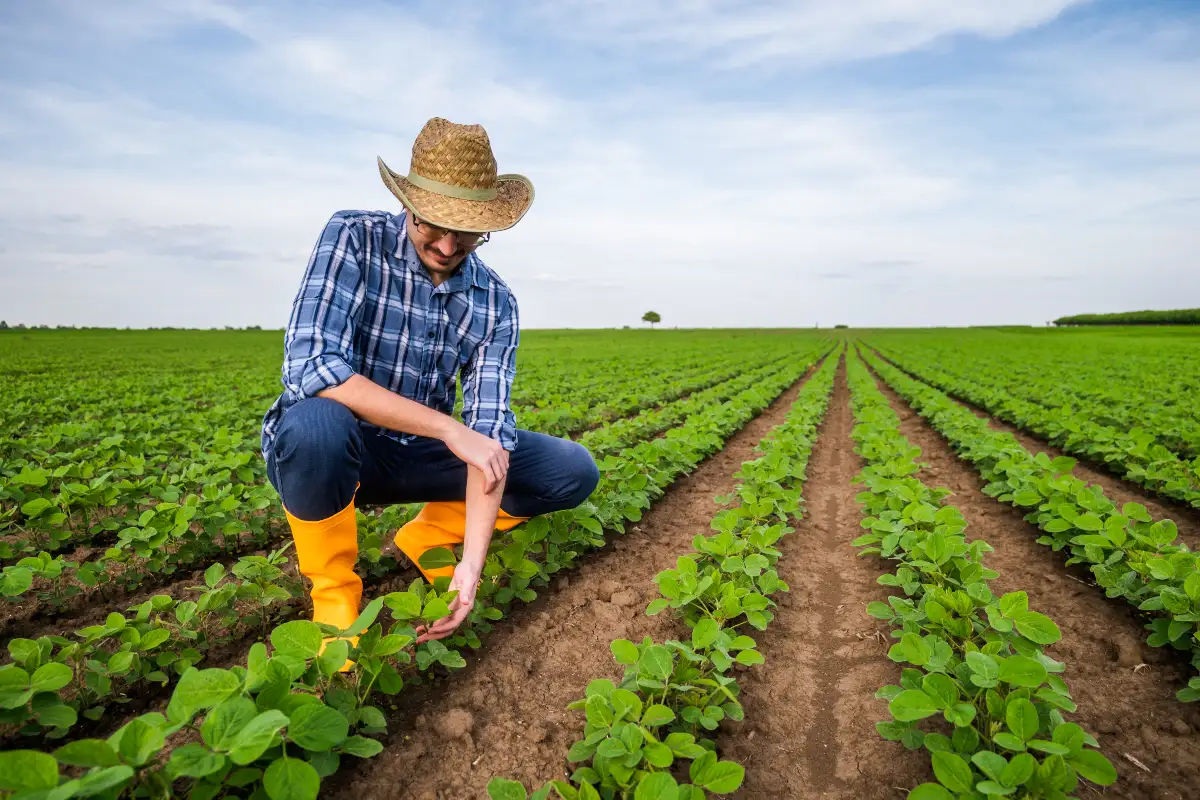
Delving into the ecological role of humans reveals a complex interplay between our biological processes and environmental impacts.
Humans contribute to the ecosystem primarily by exhaling carbon dioxide, a vital component for plant photosynthesis. As we breathe, we unknowingly support countless plants.
Furthermore, as our bodies decompose, they enrich the soil by releasing nutrients like nitrogen and phosphorus, which boost soil fertility and spur plant growth. The resultant nutrient cycling from our remains elevates the availability of essential elements that are crucial for robust plant development.
Our adaptability and intelligence have also shaped agricultural practices, significantly influencing plant cultivation and management.
However, ecological studies indicate that, despite these contributions, we mightn’t be indispensable for plant health and growth compared to other natural nutrient sources.