

To keep a constant water level in your aquaponic system, I recommend using a combination of overflow pipes and float valves, which you’ll install in both your fish tank and grow beds. Float valves are particularly handy as they automatically add water from a reservoir when the level drops below your preset threshold. Don’t forget to regularly check these mechanisms and calibrate them to counteract evaporation, especially in warmer climates where water loss is more pronounced. A sump tank can also help manage these fluctuations effectively. Mastering these components and their interactions will set you on the path to a more resilient and prosperous system.
Understanding Water Dynamics

Understanding water dynamics in an aquaponic system is essential for maintaining a healthy environment for both plants and fish. Keeping water levels constant aids in effective nutrient cycling. The U siphon mechanism plays a crucial role here, allowing water to overflow from the grow bed back to the fish tank, ensuring a balanced water exchange.
Moreover, adequate water circulation prevents temperature layers from forming; it mixes the water to keep the temperature uniform, which is vital for fish health and plant growth. Utilizing a sump tank in setups with multiple grow beds helps manage these levels efficiently, accommodating the fluctuating water needs due to evaporation, plant uptake, and fish metabolism.
Regular monitoring and adjustments to your filtration system are imperative to sustain these dynamics. Additionally, ensuring proper water circulation and aeration is crucial for maintaining the health of the biofilter, which in turn supports the overall stability of the aquaponic system.
Essential System Components
Several key components are crucial for the smooth operation and maintenance of an aquaponic system. Here’s what you need to know:
- Sump Tank: The sump tank is vital as it manages water levels by collecting excess water from the grow beds, ensuring a consistent flow between the fish tank and grow beds.
- Water Level Sensors: These sensors are key to automatically monitoring and regulating water levels. They activate pumps to refill the system, maintaining optimal conditions without constant manual checking.
- Overflow Pipes: Installed in grow beds, overflow pipes prevent water from rising too high by draining excess water back into the fish tank, aiding in maintaining a stable water level throughout the system.
To enhance system efficiency, consider upgrading parts such as sensors and pumps, which can significantly improve water management and stability.
Understanding these components will help you keep your aquaponic system running efficiently.
Implementing Float Valves
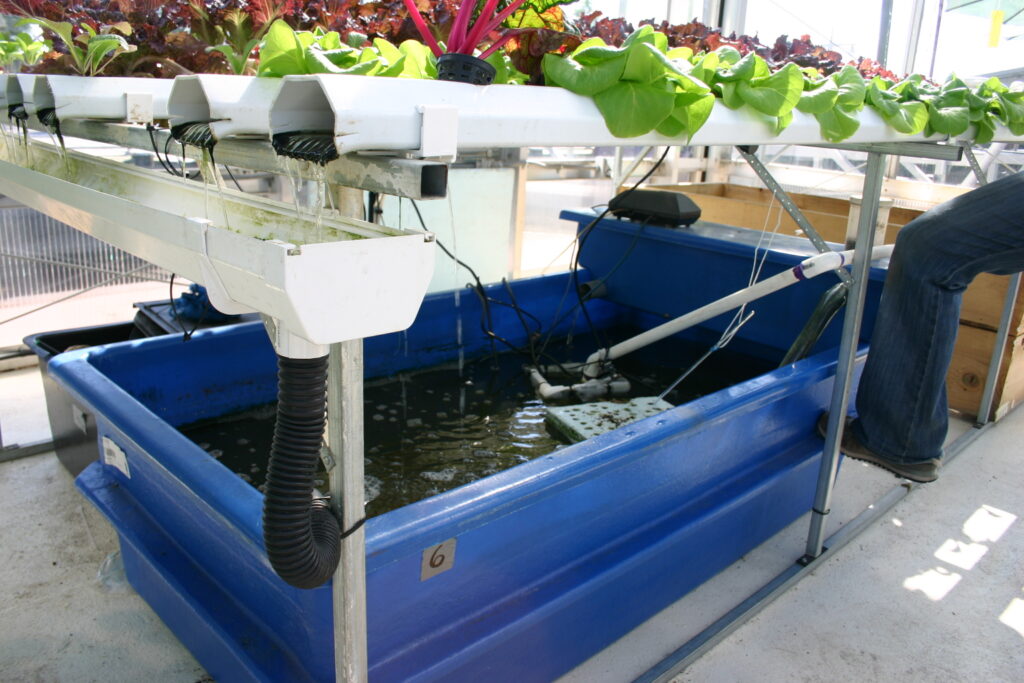
Implementing float valves in your aquaponic system offers a practical solution for maintaining consistent water levels, crucial for the health of both fish and plants.
These devices automatically adjust by opening or closing as the water level changes. Typically, you’ll install them in either the fish tank or grow bed.
When water dips below a certain point, the float valve triggers a refill from your reservoir, ensuring stable conditions for your aquatic life and vegetation.
This setup not only streamlines water management but also cuts down on the labor of manual checks.
Similar to the self-watering planters which maintain balanced moisture levels for plant health, float valves in aquaponics ensure water levels remain optimal for both plant and fish health.
To keep everything running smoothly, regular maintenance is key. Make sure to clean and inspect your float valves to avoid any malfunctions that could disrupt your aquaponic system.
Setting Up Overflow Pipes
After setting up float valves to manage water input in your aquaponic system, attention must shift towards ensuring that excess water doesn’t compromise your setup.
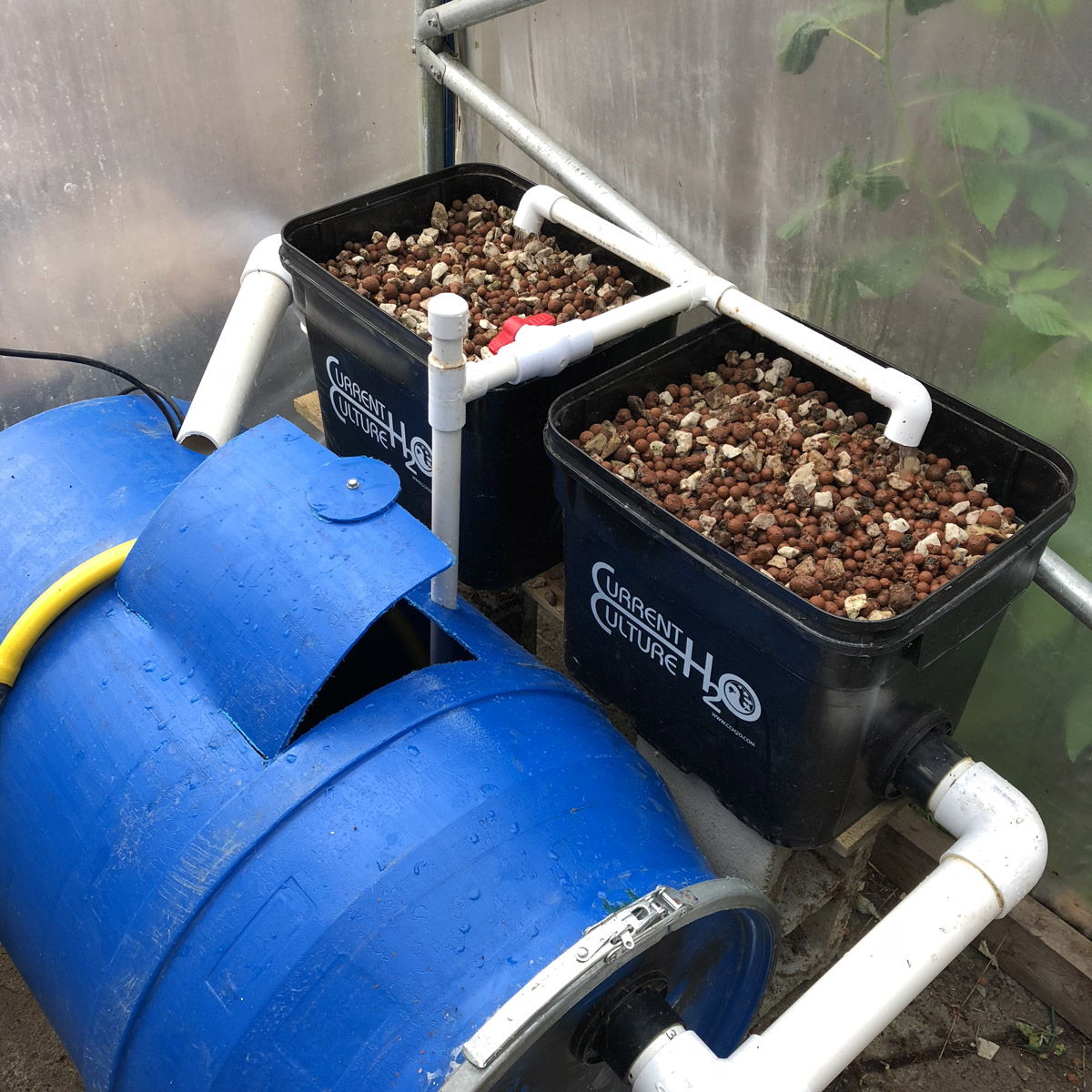
Installing overflow pipes is crucial for maintaining a constant water level and providing efficient drainage. Here’s how to set them up effectively:
- Positioning: Install the overflow pipe at the desired water level in your grow bed. This positioning ensures that excess water drains out, keeping the water level optimal for your plants’ roots.
- Pipe Diameter: Choose a pipe with a diameter that can handle the maximum expected flow rate. This prevents clogging and accommodates heavy rain or additional water inputs.
- Sealing: Use a bulkhead fitting to secure the overflow pipe, creating a watertight seal and reducing leak risks.
With these steps, you’ll keep your system running smoothly!
Regular Monitoring Practices
Monitoring your aquaponic system regularly is essential to maintain its health and efficiency. I recommend you check the water levels daily in both the fish tank and grow beds. Keeping these levels within the optimal range prevents stress on your fish and ensures your plants receive adequate nutrients.
Use a water level gauge or a float switch; these tools automate the monitoring process and help maintain consistent water levels.
Watch out for evaporation, particularly in warm climates. You’ll need to adjust the water levels to counteract any loss.
Lastly, don’t forget to perform regular water changes. This practice isn’t just about maintaining water volume; it’s crucial for replenishing nutrients that keep your system thriving.
Adjusting Water Inputs

To keep your aquaponic system running smoothly, it’s essential to fine-tune the water inputs. Here are key steps in adjusting water inputs effectively:
- Install a Reliable Water Input Mechanism: A float valve is crucial. It automatically adjusts, ensuring water circulation is essential for system balance.
- Monitor and Adjust Regularly: Keep an eye on the system’s water levels, adjusting inputs to match the rate of evaporation and plant uptake. This helps maintain stability without overflows.
- Utilize Timers and Sump Tanks: In larger setups, use timers for precise control and a sump tank for even distribution across grow beds.
Adjusting water inputs according to these guidelines ensures the health and productivity of both your plants and fish.
Handling Evaporation Losses
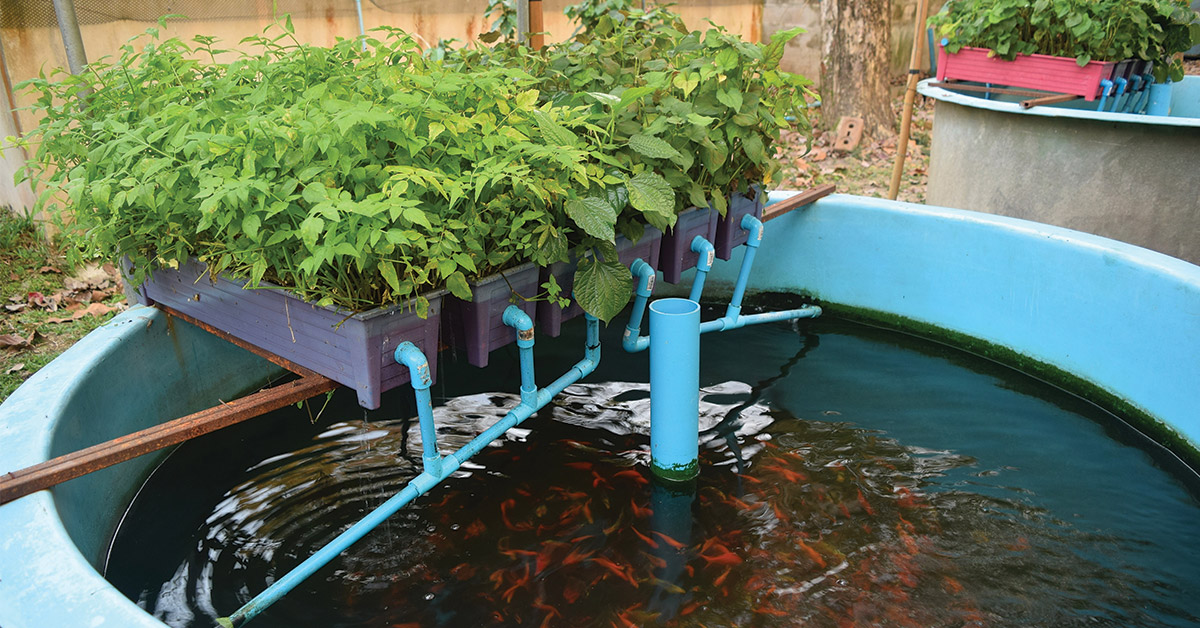
Regularly checking water levels in your aquaponics system is crucial for managing evaporation losses, which can claim 1-2% of your total water volume daily, especially in warm climates.
To tackle this, consider installing a top-off system equipped with float valves or sensors. These devices automatically add water when levels dip, maintaining stability without constant manual intervention.
Additionally, shielding your system with a cover or shade cloth drastically cuts evaporation rates, particularly beneficial in sun-drenched outdoor setups.
Remember, larger tanks and grow beds have more surface area, hence they’re more prone to quicker water loss.
It’s essential to frequently monitor and adjust water levels, ensuring water quality remains optimal, preserving the health of your fish and plants.
Managing System Leaks
After addressing evaporation, another key aspect of maintaining your aquaponics system’s water level is managing potential leaks.
Here’s how you can keep those troublesome leaks at bay:
- Regular Inspections: Routinely check pipes, tubing, and fittings. Spotting and fixing leaks early prevents drastic water level drops that could harm your system.
- Seal Properly: Use quality sealants or pipe tape on threaded connections. This ensures a watertight seal, keeping your water where it belongs.
- Monitor and Maintain: Install a water level monitoring system and keep an eye on water pumps and filters. These steps help you detect and respond to leaks swiftly, maintaining the necessary stability for your plants and fish.
Seasonal Adjustments and Considerations

Seasonal changes significantly impact the water dynamics within your aquaponics system. As the temperatures shift, you’ll find monitoring water levels becomes more crucial to maintain a consistent water level.
During the hot months, expect higher evaporation rates. You’ll need to add water more frequently to counterbalance the loss and keep your fish and plants healthy.
Conversely, in the cold months, watch for freezing risks which can block circulation and endanger your aquatic life. Insulating your tanks can be a lifesaver here.
Also, consider the plants’ varying water needs as they go through different growth cycles throughout the year. Regular checks and calibration of your water level sensors or float valves are essential to navigate these seasonal adjustments smoothly.