

To master planting in peat pots, consider their benefits like promoting healthy root development. Start by wetting the pots thoroughly for easy breakdown. As you transplant seedlings, gently tear the bottoms for better root penetration and post-transplant hydration. Choose eco-friendly alternatives like coconut coir or rice hull pots. Troubleshoot with consistent moisture levels and prevention of mold growth. Keep an eye on root-bound roots and handle the pots delicately. These practical tips ensure successful gardening. Uncover more insights to enhance your peat pot planting skills.
Benefits of Peat Pots

Curious about the advantages of using peat pots for your seedlings? Peat pots are not only eco-friendly but also promote optimal plant development. These environmentally friendly containers are crafted from renewable peat moss, making them a sustainable choice for your gardening practices. When it comes to seedling growth, peat pots excel in nurturing robust root systems. Through air pruning, the roots are naturally encouraged to grow stronger, leading to improved nutrient absorption post-transplant. Additionally, peat pots simplify the transplanting process, reducing the risk of transplant shock and ensuring a smoother transition for your plants. By opting for peat pots, you are not only reducing waste associated with traditional plastic pots but also embracing a more sustainable approach to gardening. Embrace the benefits of peat pots for your seedlings and watch your plants thrive while contributing to a greener environment.
Starting Seeds in Peat Pots
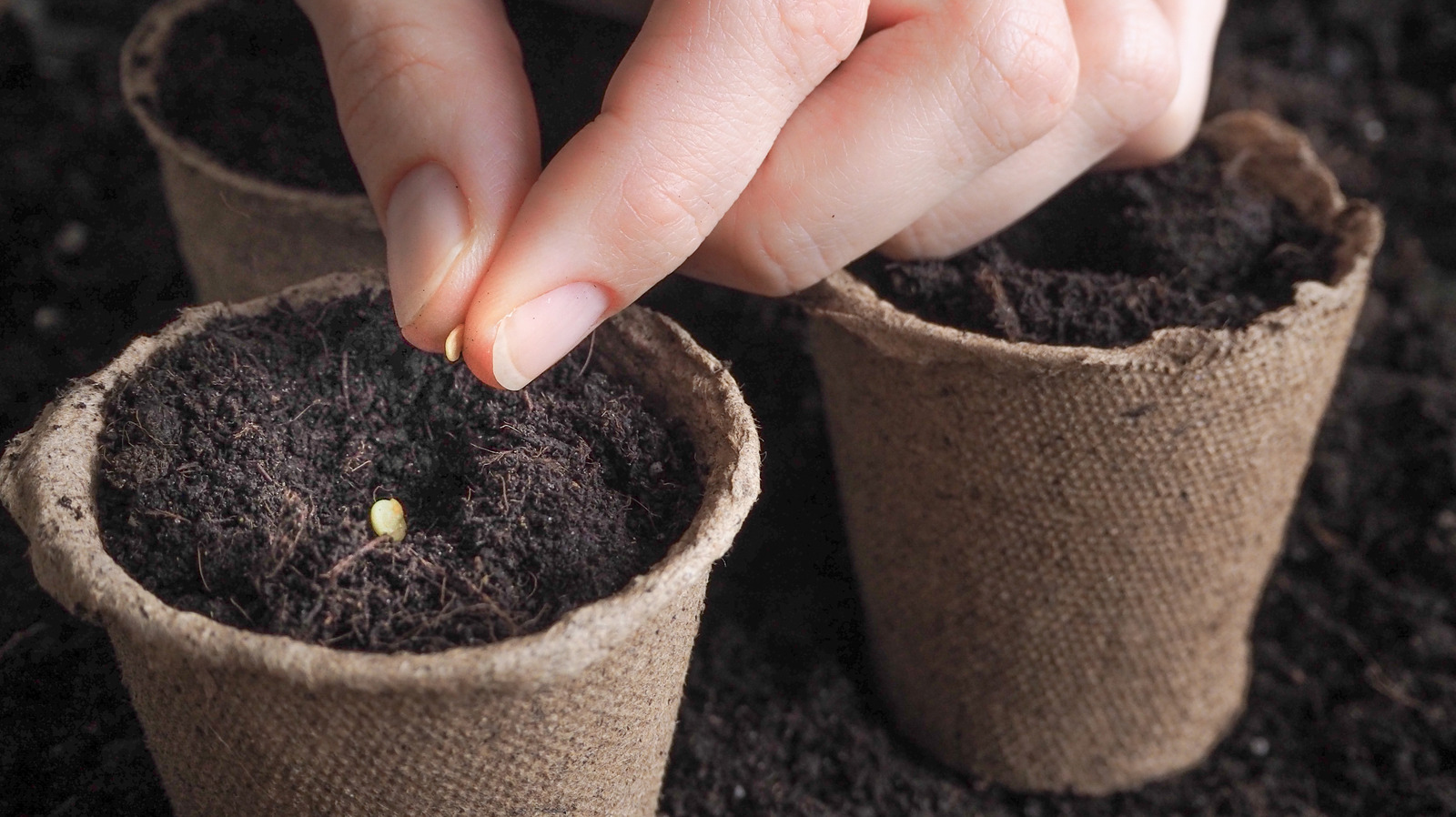
When starting seeds in peat pots, you are choosing a biodegradable and practical option for promoting healthy root development and minimizing transplant shock in delicate seedlings. Peat pots are perfect for starting seeds indoors, providing a sustainable gardening approach. Here are some key points to consider:
- Promotes Healthy Root Development: Peat pots allow seedlings to develop strong root systems by allowing roots to grow through the pot walls.
- Minimizes Transplant Shock: Delicate seedlings experience less shock when transferred to the soil as the peat pots biodegrade naturally.
- Optimal Environment for Seed Germination: Using soilless potting mix in peat pots helps maintain consistent moisture levels, aiding in successful seed germination.
- Eco-Friendly Choice: Opting for biodegradable pots reduces plastic waste and supports sustainable gardening practices.
- Direct Planting: You can plant peat pots directly into the soil, avoiding disturbance to the seedlings’ roots during transplant.
Starting seeds in peat pots is a practical and environmentally conscious way to kickstart your gardening journey.
Transplanting Seedlings
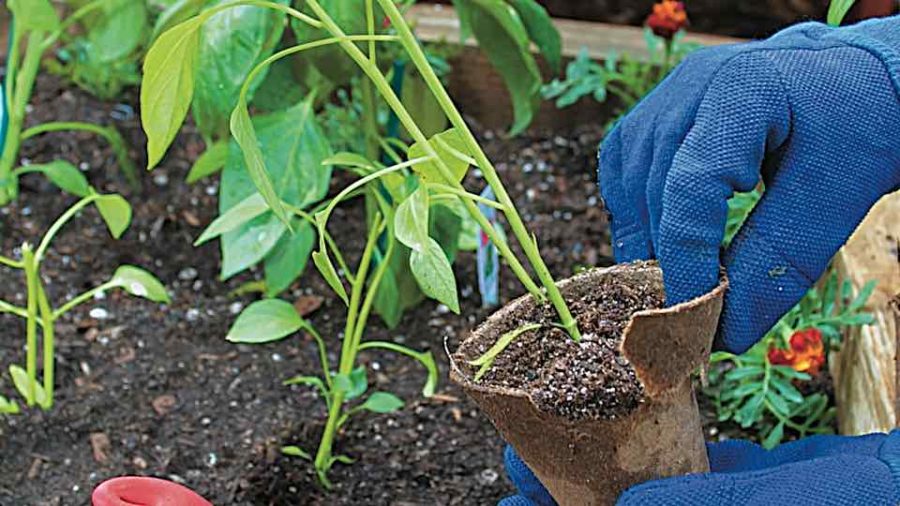
To successfully transplant seedlings from peat pots, ensure thorough wetting of the pots to facilitate easy breakdown. When transplanting, gently tear the bottom of the peat pot if roots are visible, promoting better root penetration into the soil. After the seedlings are in their new location, water them generously to help them settle and establish. Keep a close eye on the seedlings for any signs of stress post-transplant, such as wilting or yellowing leaves, and adjust care as needed. Common issues during transplanting include pots drying out too quickly, which can stress the seedlings, as well as the risk of root-bound roots due to restricted growth within the peat pot. Additionally, premature disintegration of the peat pots can occur if they are not adequately moistened before transplanting. By being attentive to these factors, you can ensure a successful transition for your seedlings.
Peat Pot Alternatives

If you are exploring more sustainable options for seedling starting materials, consider biodegradable alternatives to peat pots such as coconut coir pots, rice hull pots, and paper pots. These alternatives provide a great alternative to plastic pots while being environmentally-friendly and sustainable. Here are a few key points to help you choose the right peat pot alternative:
- Coconut Coir Pots: Made from coconut husks, these pots offer good aeration for roots and are a sustainable choice.
- Rice Hull Pots: Created from agricultural waste, these pots decompose quickly in the soil, reducing plastic waste.
- Paper Pots: Eco-friendly and easy to make at home, these pots break down naturally in the soil, making them a good option for starting seedlings.
- Environmentally-friendly: Opting for these alternatives helps in reducing plastic waste and promotes sustainability.
- Sustainable choice: Choosing biodegradable pots like these ensures you are making a positive impact on the environment while providing good aeration for your plants.
Troubleshooting Common Issues
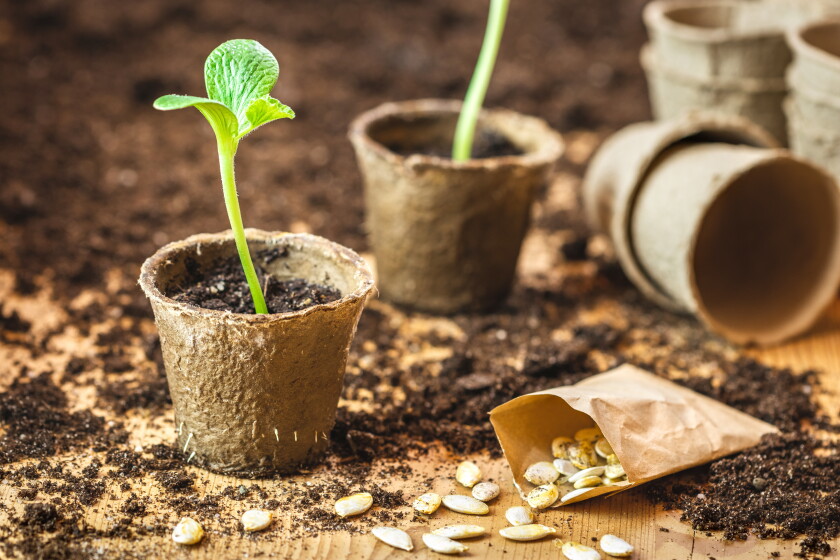
Addressing common issues with peat pots requires attention to moisture levels and careful handling during transplanting to prevent stress on seedlings. One frequent problem is peat pots drying out too quickly, which can lead to seedlings becoming stressed and their delicate roots being harmed. To combat this issue, ensure that the peat pots are consistently moist but not waterlogged. Mold growth in peat pots is another concern that arises from improper moisture levels. Proper ventilation and avoiding overwatering can help prevent mold from developing. Additionally, leaving seedlings in peat pots for too long can result in root-bound roots, hindering healthy root growth. When transplanting, handle the peat pots gently to avoid premature disintegration. By monitoring moisture levels, providing adequate airflow, and transplanting seedlings in a timely manner, you can address these common issues effectively when using peat pots for planting.
Practical Tips for Homestead Gardeners
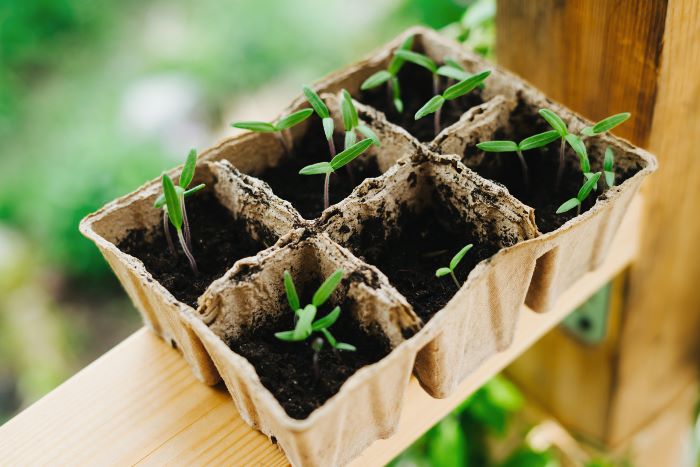
Homestead gardeners can optimize their seed starting process by implementing practical tips for using peat pots effectively. When it comes to planting in peat pots, follow these essential tips for starting plants successfully:
- Proper Moisture Control: Maintain consistent moisture levels in peat pots to support healthy seedling growth.
- Transplant Shock Prevention: Use peat pots for sensitive plants to reduce transplant shock and ensure a smooth transition to the garden.
- Regular Maintenance: Provide proper care by monitoring moisture levels, ensuring adequate drainage, and removing any mold or algae growth.
- Reuse for Sustainability: Consider reusing peat pots for multiple growing seasons to save money and reduce waste.
- Troubleshooting: Be vigilant for signs of overwatering, pests, diseases, or slow growth and take prompt corrective actions.