

To clean a bird bath correctly and safely, use a mixture of water and white vinegar as a gentle cleaning solution. Scrub with a stiff brush, focusing on corners and edges where debris collects. Rinse thoroughly with clean water and dry completely to prevent mold growth. Ensure water depth is around 2 inches for bird comfort. Utilize copper pennies to deter algae growth naturally. By following these steps, you’ll maintain a clean, inviting bird bath while promoting a healthy environment for your feathered friends.
Why Clean Bird Baths Regularly
Regularly cleaning bird baths is essential for preventing the spread of diseases among bird populations and ensuring their health and safety. Birds rely on water sources like bird baths for hydration, making it crucial to maintain a clean environment free from contaminants. Dirty bird baths can harbor harmful bacteria and parasites, attracting pests like mosquitoes that can transmit diseases to birds. Neglecting to clean bird baths can lead to the growth of algae, which produces toxins that can be harmful to birds upon ingestion. By regularly cleaning bird baths, you provide a safe and inviting watering spot for birds, reducing their risk of contracting illnesses and maintaining their overall well-being. Additionally, clean bird baths contribute to the overall health of the environment by preventing the spread of diseases and preserving the delicate balance of ecosystems. To ensure the health and safety of birds, it is imperative to prioritize the cleanliness of their bathing water.

Importance of Safe Cleaning Practices
Maintaining safe cleaning practices when tending to your bird bath is vital to safeguarding the health of both avian visitors and the surrounding environment. Birds are sensitive creatures, and using harsh chemicals can harm their delicate plumage and potentially lead to health issues. Opting for gentle cleaning solutions like diluted vinegar or simply water ensures that no harmful residues are left behind in the bird bath. These safe practices not only protect the birds but also contribute to maintaining a healthy ecosystem around your yard.
Gather Cleaning Supplies
To effectively clean your bird bath, ensure you have a stiff scrub brush, white vinegar, clean water, a bucket or bowl, and water-resistant work gloves ready for use. The scrub brush will help you remove algae and other debris, while the white vinegar, when mixed with clean water to create a vinegar solution, serves as a natural disinfectant to eliminate harmful bacteria. Regular cleaning using these supplies is crucial to maintaining a healthy environment for the birds.
Having a bucket or bowl handy will make it easier to mix the vinegar solution and transport water for rinsing. Additionally, wearing water-resistant work gloves will protect your hands from any potential irritation or exposure to contaminants during the cleaning process. By having all these supplies prepared before you begin, you can ensure a thorough and efficient cleaning routine that promotes bird health and enjoyment in your yard.

Cleaning Agents for Different Bath Materials
When cleaning different bath materials, such as concrete or stone bird baths, you can utilize various cleaning agents like hydrogen peroxide, baking soda, or distilled vinegar for optimal results. For concrete or stone bird baths, distilled vinegar can be mixed with water, scrubbed onto the surface, and rinsed thoroughly to effectively clean the bath. Hydrogen peroxide, when diluted with water, can be used to scrub the bird bath, ensuring a clean result after thorough rinsing. Similarly, baking soda can be sprinkled on the bath’s surface, scrubbed, rinsed, and reapplied if necessary to ensure a comprehensive cleaning process for concrete or stone bird baths.
Choosing the right cleaning agent is crucial for maintaining your bird bath. These options are effective at removing dirt, grime, and buildup without damaging the bath’s material. By utilizing these agents properly, you can keep your concrete or stone bird bath clean and inviting for your feathered friends while preventing algae growth, which we will explore in the next section.
Preventing Algae Growth
To prevent algae growth in your bird bath, consider utilizing copper pennies as a natural deterrent. Copper has been found to be an effective method for inhibiting algae growth in bird baths due to its antimicrobial properties. When copper pennies are added to the water, they release copper ions that create an environment where algae struggle to thrive. Regular cleaning of both the copper pennies and the bird bath is crucial to maintain this algae-preventing effect. Algae in bird baths can pose risks to the health of birds that use them, making prevention essential.
Using copper pennies as a preventative measure is a safe and environmentally friendly way to keep your bird bath clean and free from algae. It is recommended to periodically check the condition of the pennies and replace them if they show signs of wear. By incorporating copper pennies into your bird bath cleaning routine, you can enjoy a clear and algae-free environment for your feathered friends.
Establishing Cleaning Schedule
Considering the level of bird activity and weather conditions, establish a routine for cleaning your bird bath to ensure optimal hygiene and bird health. Regular monitoring and adjusting the cleaning frequency will help in maintaining a clean bird bath. Aim to clean the bird bath every 2-3 days to prevent stagnation and buildup, which can lead to unhealthy conditions for the birds. In hot weather or if the water becomes dirty quickly due to increased bird traffic, you may need to clean the bird bath more frequently. Consistent cleaning is essential to create a healthy environment for the birds and prevent the spread of diseases.
| Aspect | Cleaning Frequency | Monitoring Required |
|---|---|---|
| Bird Traffic | Every 2-3 days | Regularly |
| Weather Conditions | Adjust as needed | Watch for changes |
| Water Clarity | Regularly inspect | Check daily |
| Debris Removal | Every cleaning | Visual inspection |
| Water Refill | Daily | Check water levels |
Monitoring Bird Bath Condition
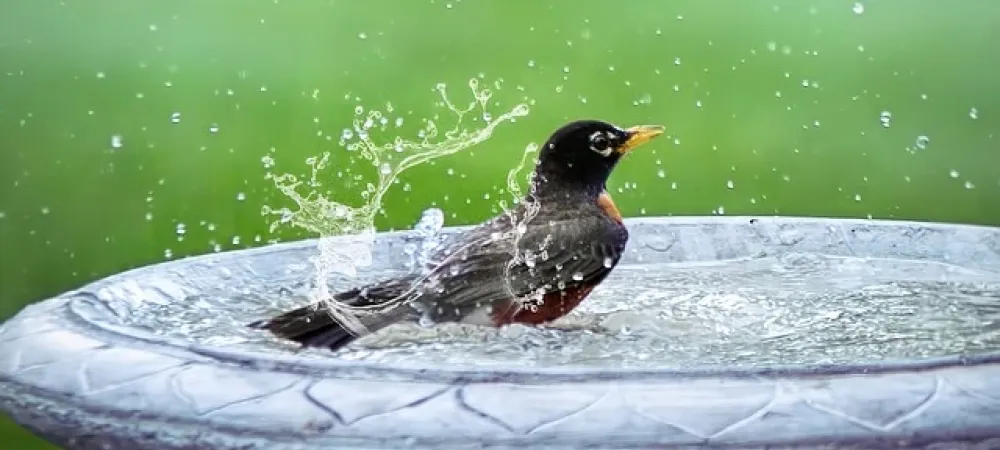
Regularly assessing the clarity and cleanliness of the bird bath water is crucial for maintaining a healthy environment for avian visitors. By monitoring the condition of the water, you can keep the bird bath safe and inviting. Here are four essential tips for monitoring your bird bath effectively:
- Check for Clarity: Look at the water in the bird bath. If it appears murky or discolored, it’s time for a cleaning.
- Watch for Traffic: If you notice an increase in bird activity around the bath or see a buildup of feathers, droppings, or other debris, consider cleaning the bath more frequently.
- Use the ‘Eyeball Test’: Regularly inspect the bird bath visually. If you see algae, mold, or slime forming, it’s a sign that cleaning is needed.
- Maintain a Healthy Environment: Monitoring the bird bath condition helps in creating a safe and healthy space for birds to drink and bathe. Regular checks ensure that the water remains fresh and free from contaminants.
Dump Out Old Water
Monitoring the water clarity in your bird bath is a key step in ensuring a clean and healthy environment for your feathered visitors. When the water becomes murky or stagnant, it’s crucial to dump out the old water promptly. Stagnant water can harbor algae growth, bacteria, and other contaminants that are harmful to birds. By regularly discarding the old water, you prevent the accumulation of debris and droppings, maintaining a hygienic space for the birds to drink and bathe.
To emphasize the importance of dumping out old water, consider the following table:
| Benefits of Dumping Out Old Water |
|---|
| Prevents algae growth |
| Removes contaminants |
| Maintains water clarity |
| Provides clean water for birds |

Remove Debris
To maintain a clean and healthy environment for your avian visitors, it is essential to regularly remove leaves, twigs, and other debris from your bird bath. Follow these steps to effectively eliminate debris from your bird bath:
- Scoop Out Debris: Using a net or your hands, carefully scoop out any leaves, twigs, or other visible debris floating on the water’s surface.
- Clean Corners: Pay close attention to the corners and crevices of the bird bath where debris tends to accumulate. Gently remove any buildup to prevent blockages.
- Check for Clogs: Inspect the drainage holes or any mechanisms that could be clogged with debris. Ensure proper water flow by clearing these areas.
- Regular Maintenance: Make debris removal a part of your routine bird bath cleaning schedule to keep the water fresh and inviting for your feathered friends.
Mix Cleaning Solution

When it comes to cleaning a bird bath, the first step is to mix a cleaning solution using equal parts of water and white vinegar. By combining water and vinegar in equal proportions, you create a potent cleaning solution that is effective at breaking down dirt, algae, and other residues that may have accumulated in the bird bath. Vinegar is a natural cleaning agent that is safe for both birds and the environment, making it an ideal choice for maintaining a clean and hygienic bird bath.
Ensure that the cleaning solution is well-mixed before applying it to the bird bath surface. The acidic properties of vinegar work to dissolve and loosen stubborn debris, making it easier to scrub away during the cleaning process. This simple mixture of water and vinegar can help keep your bird bath clean and inviting for your feathered friends.
Scrub and Rinse Basin
Using a stiff scrub brush, thoroughly scrub the basin to remove any dirt or debris accumulated on the surface. When cleaning the bird bath, ensure you pay special attention to corners and edges where dirt tends to collect. Follow these steps to effectively scrub and rinse the basin:
- Scrub Methodically: Start at the center of the basin and work your way towards the edges, applying firm pressure to remove any stubborn dirt or algae.
- Focus on Corners and Edges: Use the bristles of the scrub brush to reach into the corners and along the edges where buildup is common.
- Rinse Thoroughly: After scrubbing, rinse the basin with clean water, ensuring all soap residue and loosened debris are completely washed away.
- Inspect for Cleanliness: Once rinsed, visually inspect the basin to ensure all surfaces are clean and free of any remaining dirt or grime.
:max_bytes(150000):strip_icc()/how-to-clean-a-bird-bath-386985-10-b4fceb79880b43fba17af31b8c6b4147.jpg)
Dry the Basin
After thoroughly scrubbing and rinsing the basin, proceed to ensure it is completely dry before refilling the bird bath. Drying the basin plays a crucial role in maintaining water clarity and preventing the accumulation of debris. By allowing the basin to thoroughly dry, you are reducing the chances of mold and algae growth, which can lead to murky water and potential health hazards for birds.
To achieve a thoroughly dry basin, use a clean, dry cloth or towel to wipe down all interior surfaces of the bird bath. Pay close attention to any crevices or areas where water may pool. Additionally, consider leaving the basin exposed to sunlight and airflow for some time to aid in the evaporation process.
Ensuring the basin is completely dry is especially important in humid or rainy conditions, as moisture can quickly accumulate and compromise the cleanliness of the bird bath. By taking the time to thoroughly dry the basin, you are contributing to a healthier environment for birds to enjoy.
Refill the Bath
Once the bird bath basin is thoroughly dry, the next step is to refill it with clean, fresh water to provide a welcoming watering spot for birds. Here’s how to refill the bath correctly:
- Use Fresh Water: Refill the bird bath with fresh water to ensure birds have access to clean and safe water for drinking and bathing.
- Regular Refills: Make it a habit to refill the bath regularly to maintain a constant supply of clean water, attracting a diverse range of bird species to your yard.
- Attractiveness: Clean water in the bird bath acts as a magnet for birds, encouraging frequent visits and creating a lively environment in your garden.
- Optimal Water Level: Maintain the water level at around 2 inches to allow birds to comfortably drink and bathe. This depth is ideal for most bird species and helps create a suitable environment for their needs.
Maintaining a Healthy Environment

To maintain a healthy environment for birds in your yard, regular cleaning and proper maintenance of the bird bath are crucial steps to prevent the spread of diseases and ensure a safe watering spot for avian visitors. Dirty bird baths with stagnant water can attract pests like mosquitoes, which pose health risks to both birds and humans. Algae growth in bird baths can also be harmful, making it essential to clean and prevent its formation. By regularly cleaning and disinfecting bird baths, you can contribute to a thriving ecosystem in your yard, promoting bird health and well-being.
Proper maintenance of bird baths not only helps in keeping the water clean and safe for birds but also creates a welcoming space for them to hydrate and bathe. Remember to scrub bird baths with a brush, rinse thoroughly, and refill with fresh water regularly to provide birds with a clean and inviting watering spot. By following these tips for maintaining bird baths, you can attract more birds to your yard and contribute to a healthier avian environment.
Expert Tips for Bird Bath Care

Regularly cleaning and maintaining your bird bath is essential for the health and safety of avian visitors in your yard. To ensure optimal bird bath care, consider these expert tips:
- Monitor Bird Traffic: Keep an eye on the frequency of bird visits to adjust your cleaning schedule accordingly. More traffic may require more frequent cleaning to maintain a safe environment.
- Tailor Cleaning Methods: Different types of bird baths may require specific cleaning methods. For concrete or stone baths, using hydrogen peroxide, baking soda, or distilled vinegar can effectively remove dirt and debris.
- Use Copper Pennies: Adding copper pennies to the water basin can help prevent algae growth and maintain a safe environment for birds. Regularly check and clean the pennies to ensure their effectiveness.
- Regular Maintenance: Consistent cleaning of both the bird bath and copper pennies is crucial for optimal bird bath care. Regular maintenance will help keep the water clean and safe for your feathered visitors.