

To ensure winter hummingbird feeding success, provide supplemental food, select suitable feeders with heaters and perches, and prepare a correct sugar-water ratio. Remember to avoid harmful additives, clean feeders every 4-5 days, and adjust the sugar-water mix when needed. Challenges like freezing temperatures and reduced flower sources can be overcome by consistent monitoring and extra nutrition. Conservation efforts involve maintaining clean feeders, offering shelter and water sources, and planting native plants for natural food. Supporting winter hummingbirds requires attention to detail and a balanced approach. More insights await on enhancing your care for these delicate creatures.
Importance of Winter Feeding
Winter feeding of hummingbirds is essential for their survival during the colder months when natural food sources become scarce. Hummingbirds rely heavily on flower nectar and insects for their diet, but these food sources diminish as winter sets in. Providing supplemental food during this time is crucial for maintaining the energy levels of hummingbirds. The harsh weather conditions that come with winter can make it challenging for these tiny birds to find enough food on their own. By offering winter feeding stations, you can support hummingbirds in surviving through the cold season.
Proper winter feeding ensures that hummingbirds have access to essential nutrients and hydration when their natural food sources are limited. Without this additional food source, hummingbirds may struggle to find enough sustenance to keep them going. Therefore, setting up winter feeding stations can significantly aid hummingbirds in coping with the challenges brought on by the harsh weather conditions of winter.
:max_bytes(150000):strip_icc()/GettyImages-1085124388-3eb2b3a59a9742c5905ab268b33d9011.jpg)
Choosing the Right Feeder
To ensure optimal feeding conditions for hummingbirds during the colder months, selecting the appropriate feeder is crucial. When choosing a feeder for winter, consider models with built-in heaters to prevent nectar from freezing in cold weather. These heaters help maintain a liquid consistency, ensuring hummingbirds have access to food even in freezing temperatures. Look for feeders that feature perches, as they provide resting spots for hummingbirds while feeding and are beneficial during the winter when they need to conserve energy. Opt for feeders with easy-to-clean designs to facilitate maintenance in winter conditions.
Additionally, select feeders equipped with bee guards and ant moats to deter unwanted visitors that may be more prevalent during winter. Choosing feeders made of UV-resistant materials is essential to withstand the cold temperatures and exposure to sunlight without deteriorating. To attract hummingbirds during the winter months, opt for feeders with bright colors or red accents, as these hues are known to catch the attention of these tiny birds even in the drearier winter landscape.
Making Sugar-Water Mix
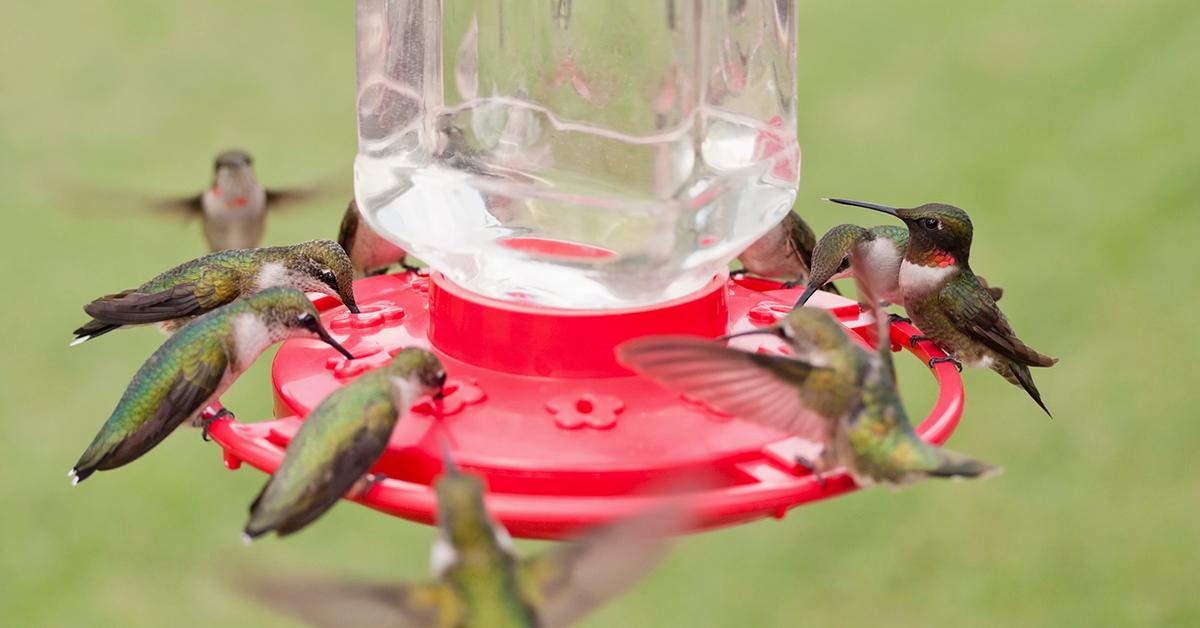
Creating the sugar-water mix for hummingbird feeders involves following specific guidelines to ensure the birds receive proper nutrition and energy during the colder months. The ideal ratio for the sugar-water mix is 1 part white sugar to 4 parts water. It is crucial to use only regular white sugar, as brown or organic sugars can be harmful to hummingbirds. To prepare the nectar, heat the mixture until the sugar completely dissolves, stirring gently. Allow the solution to cool down before filling the feeder to prevent any harm to the birds. Any unused nectar can be stored in the refrigerator for up to a week for future use. Remember, it is best to skip adding food coloring to the nectar, as hummingbirds are naturally attracted to red objects. By following these precise steps, you can provide the hummingbirds with a safe and nutritious sugar-water mix to help them thrive during the winter months.
Avoiding Harmful Additives
When preparing nectar for hummingbirds, it is important to avoid harmful additives that can negatively impact their health and well-being. Opt for a simple nectar mix of white granulated sugar and water, steering clear of honey, brown sugar, or maple syrup. These alternatives lack essential nutrients and can ferment quickly, posing health risks to the hummingbirds. Additionally, red dye, often used to attract hummingbirds, is advised against due to potential unknown health effects.
To ensure the safety of the hummingbirds visiting your feeders, it is crucial to maintain a clean environment. Regularly cleaning the feeders prevents harmful bacteria growth and contamination. Furthermore, inspect the feeders for any sticky residues or dangling items that may harm the delicate birds. Keeping the feeders in good condition is essential to prevent bird entrapment and injuries.
| Additives to Avoid | Reason | Recommended Alternatives |
|---|---|---|
| Honey, Brown Sugar, Maple Syrup | Lack essential nutrients and can ferment quickly | White granulated sugar |
| Red Dye | Potential unknown health effects | – |
Feeder Cleaning Frequency
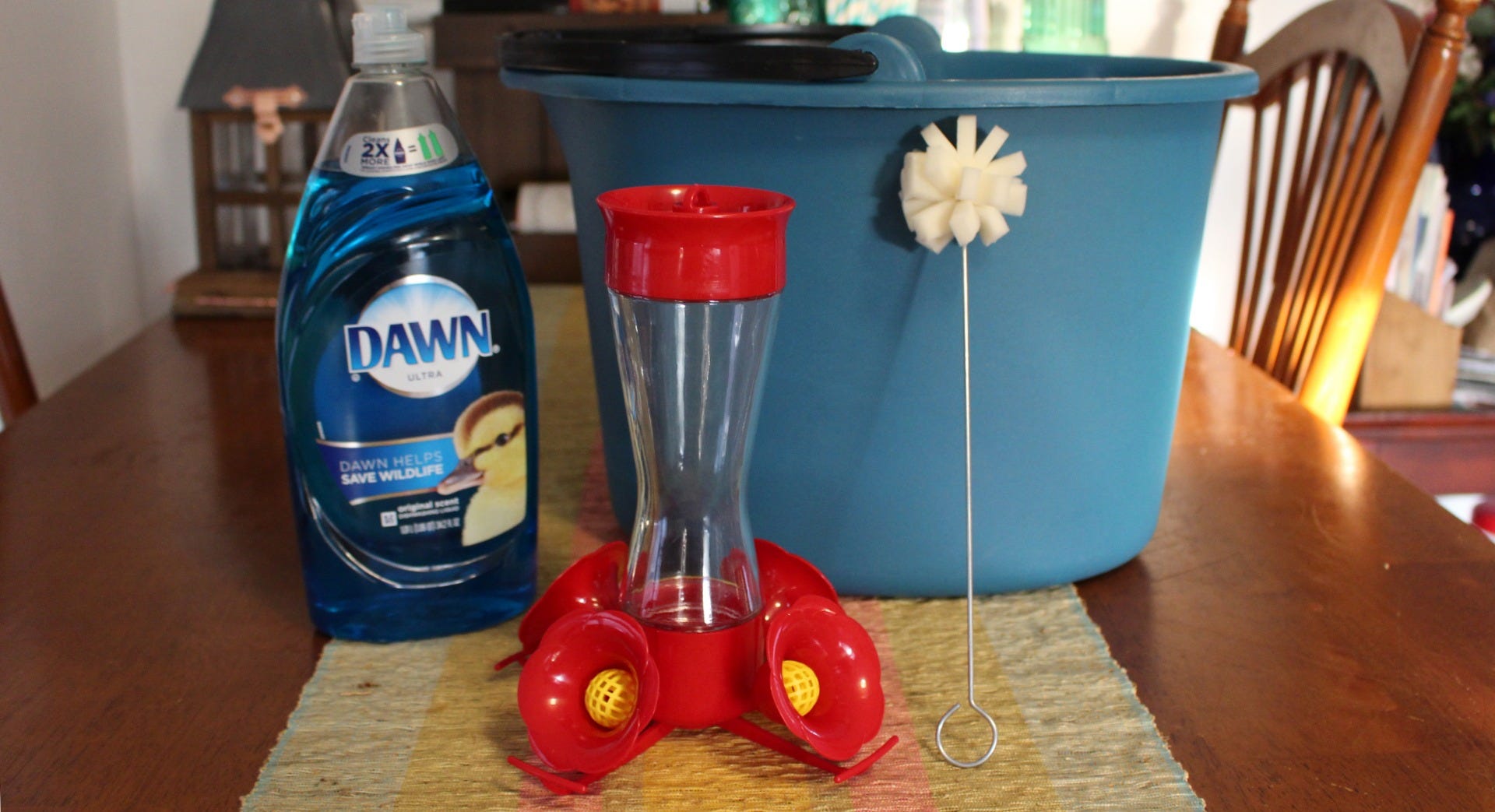
Regular cleaning of hummingbird feeders is crucial to prevent harmful bacteria growth and maintain a healthy feeding environment for these delicate birds. To ensure the cleanliness of your feeders, follow these guidelines:
- Cleaning Frequency: It is recommended to clean your hummingbird feeder every 4-5 days. This regular cleaning schedule helps prevent the accumulation of mold, bacteria, and other contaminants that can be harmful to hummingbirds.
- Feeder Cleaning Solutions: When cleaning your feeder, use a 1:2 vinegar or hydrogen peroxide solution for thorough disinfection. If you prefer to use bleach, a few tablespoons diluted in water can also be effective. Remember to rinse the feeder thoroughly after using any cleaning solution to avoid exposing the hummingbirds to harmful residues.
- Utilize Ant Moats: Ant moats are an effective way to prevent ants from reaching the nectar in your feeder. By placing ant moats above the feeder, you can create a barrier that deters ants from contaminating the nectar with their presence.
Preventing Bacteria Growth
How can you effectively inhibit the growth of harmful bacteria in hummingbird feeders? To prevent bacteria buildup, it is crucial to clean the feeders every 4-5 days using a 1:2 vinegar or hydrogen peroxide solution. Additionally, regular cleaning with a few tablespoons of bleach followed by thorough rinsing helps maintain a bacteria-free environment. By implementing these cleaning practices, you can ensure the health of the hummingbirds that visit your feeders.
Using ant moats can also aid in preventing bacteria growth by stopping ants from reaching the nectar and potentially contaminating it. Ant moats act as a barrier, keeping ants away from the feeder and the nectar, thus reducing the chances of bacterial contamination. Proper maintenance and cleaning of hummingbird feeders are essential to create a safe and healthy environment for these delicate birds.
Nighttime Feeder Care
To ensure optimal nighttime care for hummingbird feeders, maintaining a consistent food source is crucial for sustaining their energy levels during the winter months. Hummingbirds, known to enter a state of torpor during sleep where their metabolism slows down significantly, rely on a stable food supply to endure the cold nights. Here are three essential tips for nighttime feeder care:
- Regular Refilling: It is imperative to refill hummingbird feeders before nightfall to ensure that the tiny birds have access to food throughout the night. This practice helps them maintain their energy levels and survive the low temperatures.
- Warm Morning Feeding: Providing a warm feeder early in the morning can prevent hummingbirds from experiencing a sudden drop in body temperature, also known as “brain freeze.” This measure helps them conserve energy and stay warm during the day.
- Protection from Predators: Placing feeders in safe locations can protect hummingbirds from nocturnal predators. Ensuring the feeders are positioned close to natural shelter, such as trees or shrubs, can offer the birds a safe roosting spot during the night.

Insulating Feeders
Maintaining proper insulation for hummingbird feeders during winter is vital to prevent nectar from freezing and ensure a constant food source for the birds. Insulating feeders effectively can be achieved through various methods. Using hand warmers, holiday lights, or bubble wrap around the feeder can help trap heat and prevent freezing. External heat sources such as hummingbird feeder warmers or spotlights can also provide consistent warmth to keep the nectar fluid. However, it is crucial to exercise caution and avoid using heat sources that could potentially harm the hummingbirds or damage the feeder while insulating it. Proper insulation of feeders plays a critical role in supporting hummingbirds during cold temperatures and ensuring their survival throughout the winter months. By implementing these insulating techniques, you can create a hospitable environment for hummingbirds and help them thrive even in the chilliest of winter days.
Adjusting Sugar-Water Ratio

Achieving the optimal sugar-water ratio is fundamental for supporting the energy requirements of winter hummingbirds. Hummingbirds drink nectar to fuel their high metabolic rate, especially crucial during the cold winter months. Here are key points to consider when adjusting the sugar-water ratio for hummingbird feeders:
- Ideal Ratio: The recommended sugar-water ratio for hummingbird nectar is 1 part sugar to 4 parts water. This balance ensures that the birds receive enough energy without the risk of dehydration.
- Energy Requirements: A specific sugar concentration is necessary to provide the required energy for hummingbirds. Higher sugar concentrations can lead to dehydration, while lower concentrations may not meet their metabolic needs.
- Health Considerations: Maintaining the correct sugar-water ratio is essential for the overall health and well-being of winter hummingbirds. By offering nectar with the appropriate sugar content, you can help these tiny creatures thrive during the colder months.
Adjusting the sugar-water ratio in hummingbird feeders is a critical aspect of winter bird feeding.
Winter Feeding Challenges
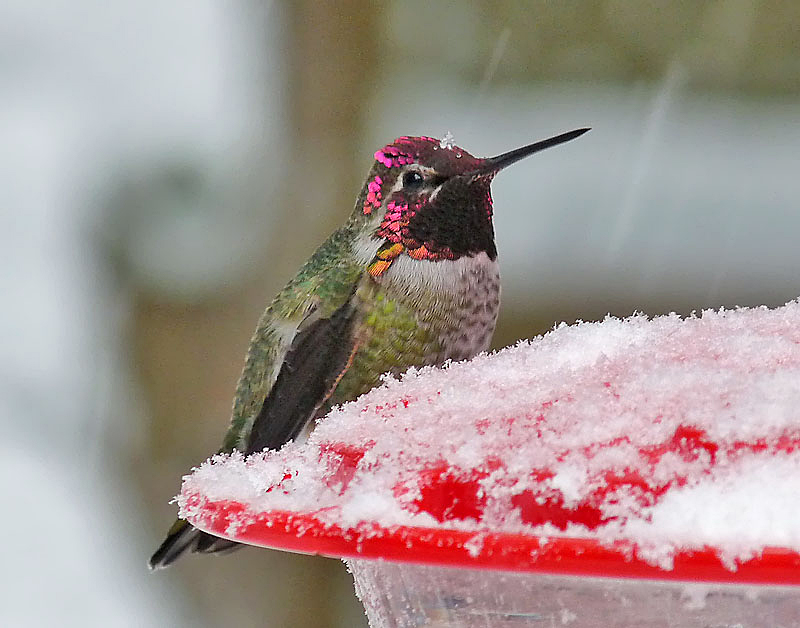
Facing reduced flower availability and freezing temperatures, winter poses significant challenges for hummingbirds in finding the necessary food sources to sustain their energy levels. Colder weather can cause nectar in feeders to freeze, rendering it inaccessible to the tiny birds. To combat this issue, it is crucial to keep feeders clean and free of ice buildup to ensure a constant food supply. Additionally, unused nectar should be promptly replaced to prevent it from freezing and becoming unusable for the hummingbirds.
Hummingbirds require more nectar intake during the winter to stay warm and maintain their metabolic rate. With natural food sources scarce, the competition among hummingbirds for available resources intensifies. Providing a reliable food source through well-maintained feeders becomes vital in supporting these delicate creatures during the harsh winter months. By understanding and addressing these winter feeding challenges, you can help ensure the well-being and survival of hummingbirds in your area.
Providing Additional Nutrition
To ensure the optimal nutrition intake for wintering hummingbirds, it is imperative to provide a balanced diet that includes both sucrose-rich nectar and protein-rich insects. Hummingbirds rely on nectar as a fuel source during winter, while insects offer crucial protein, vitamins, and minerals necessary for their well-being. Here are three key points to consider when providing additional nutrition for hummingbirds:
- Nectar Mix Ratio: A nectar mix with a 1:4 sugar to water ratio is recommended for supplemental feeding. This ratio closely mimics the sucrose content found in natural flower nectar, providing the energy boost that hummingbirds need during colder months.
- Consistent Feeding: Feeding hummingbirds a consistent nectar mix helps sustain them through the winter. Regular access to this energy-rich food source can help them maintain their metabolic rate and body temperature in low temperatures.
- Food Variety: Offering a variety of food sources like nectar and insects can provide the necessary nutrition for winter hummingbirds. While nectar offers a quick energy source, insects supplement their diet with essential proteins and other nutrients vital for their overall health.
Monitoring Hummingbird Activity

Monitoring hummingbird activity plays a crucial role in comprehending their feeding behaviors and preferences. One effective method is to observe their visitation frequency, which averages every 30 minutes during the day, with potentially higher activity in the mornings and evenings. Placing multiple feeders can help attract more hummingbirds for observation, providing a broader understanding of their behaviors. To enhance monitoring, consider utilizing lights near the feeders, as they can make it easier to observe hummingbird activity, especially during darker hours. Additionally, counting the number of hummingbirds visiting and multiplying this count by 10 can offer an estimate of the local hummingbird population. By monitoring hummingbird activity closely and employing strategies like multiple feeders and lighting, individuals can gain valuable insights into the feeding patterns and behaviors of these fascinating birds.
Winter Hummingbird Conservation

In winter, the conservation of hummingbirds involves providing essential supplemental food sources like nectar feeders. To support winter hummingbird survival, it is crucial to understand their behavior and adapt feeding practices accordingly. Here are three key aspects of winter hummingbird conservation:
- Maintaining Nectar Feeders: Keeping feeders clean and filled with a proper nectar solution is vital during winter. Regular cleaning prevents mold or bacteria growth, ensuring the health of visiting hummingbirds.
- Providing Shelter and Water Sources: Offering shelter from harsh weather conditions and access to unfrozen water sources can further aid in conservation efforts. Providing refuges like evergreen trees or shrubs can offer protection from cold winds.
- Planting Native Plants: Planting native flowers and shrubs that bloom in winter can provide natural food sources for hummingbirds. This not only supplements their diet but also encourages their natural foraging behavior, contributing to their overall well-being. By incorporating these practices, you can contribute significantly to the conservation of winter hummingbirds.