

Owls go through winter by adapting their behaviors to survive. They migrate to areas with more food and better shelter. Snowy Owls may head to places like the Midwest. Some owls stay put and hunt actively to conserve energy. They select roosting spots strategically for warmth and safety. It’s fascinating how they adjust to changing prey availability and environmental conditions in winter. If you want to know more about how owls navigate through the colder months, keep exploring the complexities of their winter survival strategies.
Owl Migration Patterns in Winter

During winter, owl migration patterns reveal a fascinating journey of survival and adaptation to changing environmental conditions. Owl movements are influenced by factors such as prey availability, environmental changes, and the need to find suitable habitats for the colder months. Irruptions, which occur when owls migrate further south due to cold temperatures and limited food sources, are common phenomena observed in various owl species. Snowy Owls, for example, may venture into Midwestern states during irruption years in search of food.
Moreover, productive reproductive years can lead to increased owl movements as young owls explore new territories and resources. These migrations serve as indicators of environmental changes and food scarcity in their usual habitats, highlighting the intricate balance between prey availability and survival strategies. Understanding owl migration patterns in winter provides valuable insights into how these majestic birds navigate and adapt to the challenges of shifting seasons while ensuring their continued existence in the face of adversity.
Winter Roosting Habitats of Owls

Owls strategically select various winter roosting habitats to ensure protection from harsh environmental conditions and optimize their chances of survival. Different owl species exhibit preferences for specific roosting spots during the winter months. While some owls seek shelter in dense coniferous trees to shield themselves from the cold weather and wind, others like Barn Owls may choose man-made structures such as barns and silos for warmth. Snowy Owls, on the other hand, favor open fields, dunes, or shorelines for their winter roosting habitats. Additionally, owls may roost in tree cavities, thick foliage, or other sheltered areas to conserve heat and stay insulated during the winter season.
| Owl Species | Winter Roosting Habitats | Preferences |
|---|---|---|
| Barn Owls | Barns, silos, structures | Warmth |
| Snowy Owls | Open fields, dunes, shorelines | Open spaces |
| Various Owls | Tree cavities, thick foliage | Heat conservation |
Snowy Owls’ Winter Territories
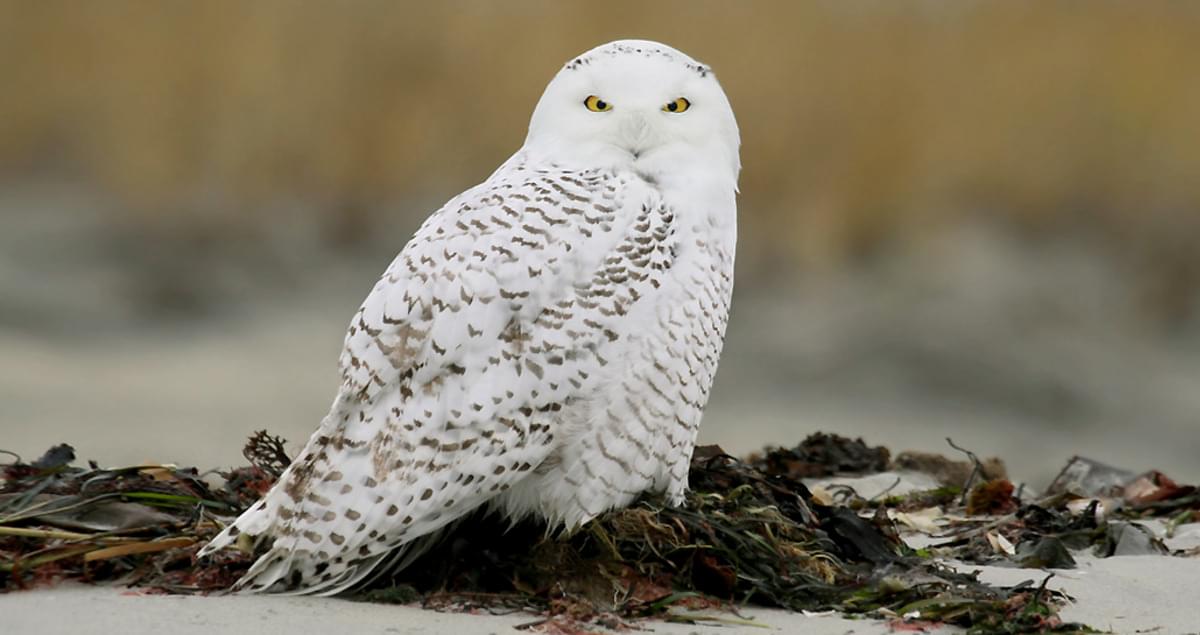
Snowy Owls establish diverse winter territories ranging from open grasslands to coastal areas, reflecting their migration patterns and adaptability to varying environmental conditions. These majestic birds migrate south during winter to escape the harsh Arctic conditions of their breeding grounds. The selection of winter territories by Snowy Owls is crucially influenced by prey availability and the presence of suitable roosting spots. They can be observed roosting on farm buildings, silos, or even beaches, showcasing their ability to adapt to different surroundings. Snowy Owls are known to cover long distances during migration, displaying their impressive navigation skills in search of food sources. By strategically choosing their winter territories based on these factors, Snowy Owls demonstrate their remarkable ability to thrive in diverse habitats while facing the challenges of their seasonal movements.
Winter Behavior of Resident Owls

In winter, resident owls exhibit adaptive behaviors to ensure their survival and maintain their territories. Great Horned, Barred, and Eastern Screech Owls remain active during the colder months, relying on their hunting skills to secure prey essential for sustenance. To combat the harsh winter conditions, these owls seek shelter in dense coniferous trees during daylight hours, utilizing their specialized feathers and efficient blood circulation to withstand cold temperatures and conserve warmth.
Despite the challenges posed by food scarcity in winter, resident owls maintain their territories by vocalizing through hooting or calling. This communication not only serves to establish their presence but also aids in connecting with potential mates. By conserving energy and hunting strategically, resident owls navigate the winter months with resilience and adaptability, ensuring their survival in the face of challenging environmental conditions.
Habitat Preferences of Winter Visitors
Short-eared Owls demonstrate a preference for roosting in vast open areas such as marshes and prairies during the winter months. Saw-Whet Owls, on the other hand, typically seek out coniferous forests and open woodlands with trees less than 12 feet tall as their winter roosting areas. Snowy Owls, known for their striking appearance, favor roosting on farm buildings, silos, and open spaces resembling their tundra habitats during the winter season. Long-eared Owls adapt by blending in with coniferous forests and open fields, strategically choosing these habitats for winter roosting.
Winter visitors like Snowy Owls may be spotted near lakes or on dunes, showcasing specific habitat preferences during the winter season. Understanding these habitat preferences of winter owl visitors is essential for conservation efforts and monitoring their populations. By studying the winter roosting areas of different owl species, researchers can gain valuable insights into their ecology and behavior during the colder months.

Seasonal Prey Availability for Owls
Owls’ ability to survive winter months heavily relies on the availability of prey, a factor that plays a significant role in determining their hunting success and overall survival rates during this challenging season. Prey abundance, particularly voles for Barn Owls, is crucial. Low vole numbers can lead to increased mortality among Barn Owls, while abundant voles result in better survival rates. Snow cover poses an additional challenge, making hunting more difficult for owls by impacting their ability to find and catch prey.
During winter, Barn Owls may adjust their hunting strategies and activity patterns based on seasonal prey availability. They might alter their hunting grounds or the timing of their hunts to optimize their chances of securing food. Snow cover can influence these decisions, leading owls to concentrate efforts in areas with less snow or where prey is more accessible. Understanding and adapting to fluctuations in prey abundance and environmental conditions are vital for owl survival during the winter months.
Migratory Owls Vs. Resident Owls
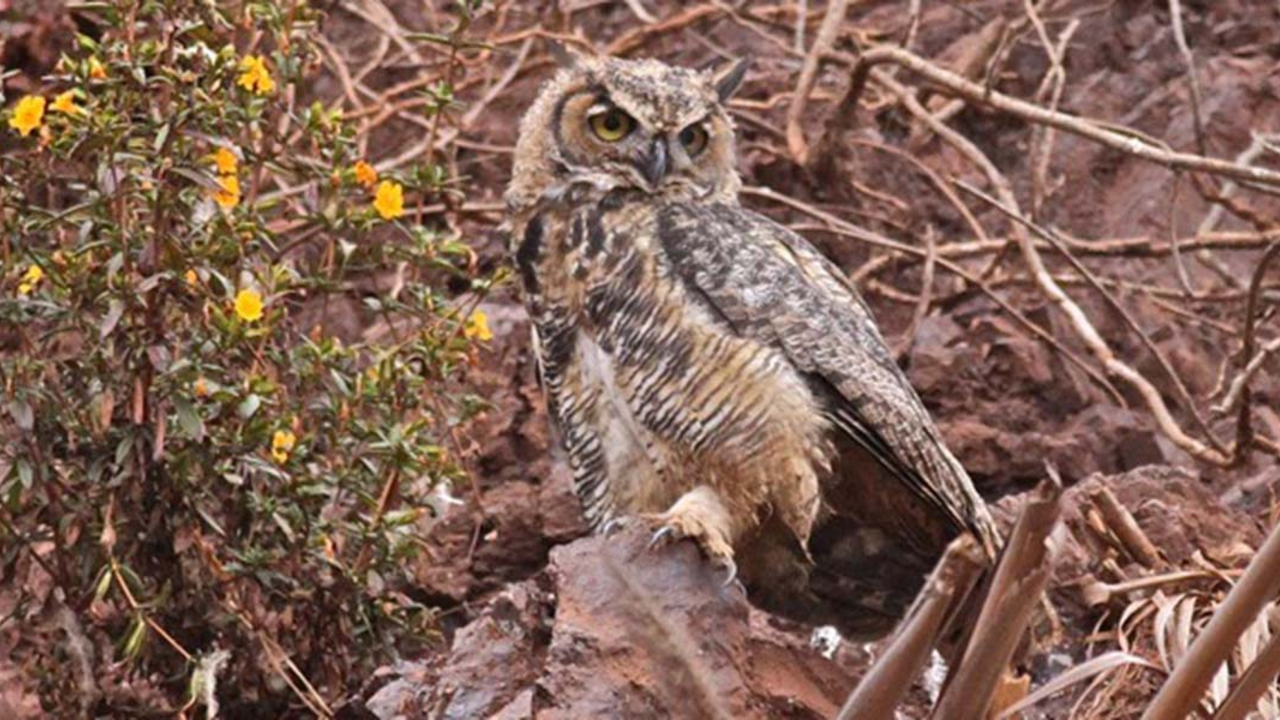
Resident owls like the Great Horned Owls, Barred Owls, and Eastern Screech Owls remain in their habitats throughout the year, exhibiting adaptations that enable them to survive the winter season within their familiar territories. These owls have evolved mechanisms to endure the harsh winter conditions, such as growing thicker plumage for insulation and adjusting their metabolism to conserve energy during food scarcity. By contrast, migratory owls, including Snowy Owls, Short-eared Owls, and Northern Saw-Whet Owls, may venture south in search of suitable wintering grounds and abundant food sources. Understanding the distinctions between resident and migratory behaviors is crucial for tracking owl populations and implementing effective conservation strategies. Conservation efforts must consider the varying needs of resident and migratory owls to safeguard their habitats and ensure their survival amidst changing environmental conditions. By monitoring and protecting these unique behaviors, researchers can contribute to the preservation of owl populations for future generations.
Impact of Winter Conditions on Owls

Winter conditions significantly impact owl survival, influencing factors such as food availability, energy expenditure, and physiological adaptations for temperature regulation and hunting strategies. Owls face challenges during winter due to cold temperatures affecting their habitat and prey availability. To survive in these conditions, owls have developed specialized features and behaviors:
- Food scarcity: Winter leads to a decrease in prey availability, forcing owls to expand more energy to find food.
- Feather insulation: Owls use specialized feathers to insulate themselves against the cold, reducing heat loss.
- Blood circulation adaptations: Physiological adaptations in owls help regulate body temperature in response to winter conditions.
- Adapted hunting strategies: Owls may adjust their hunting techniques to adapt to changes in prey behavior and availability during the winter months.
Conservation efforts play a crucial role in supporting owl populations during winter by preserving habitats that provide food sources and shelter necessary for their survival.