
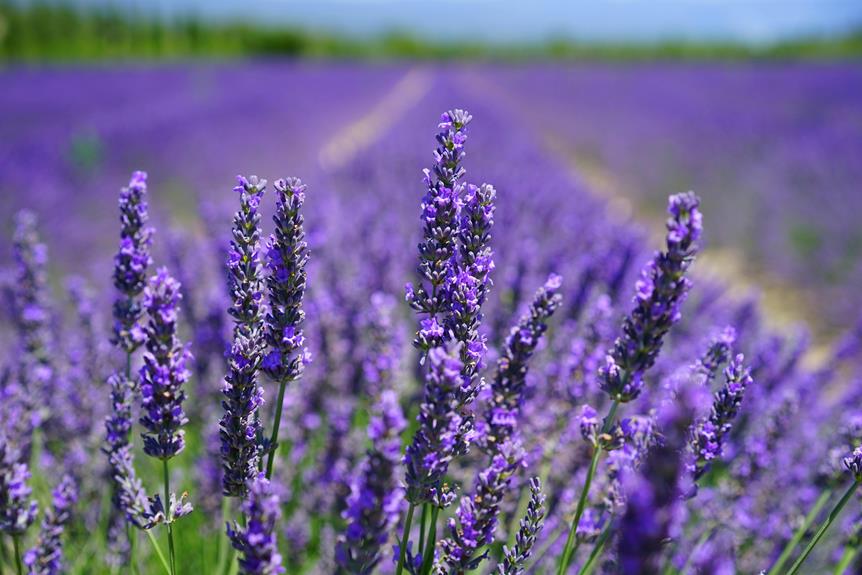
With proper care, lavender will return each year, showcasing its aromatic beauty in your garden. Adequate sunlight, regular watering, and mindful pruning are key for promoting growth and vibrant blooms. Neglecting care can hinder lavender’s annual comeback, so ensure well-drained soil and good air circulation for optimal conditions. Understanding lavender’s growth cycle, from spring emergence to post-flowering care, is crucial for its longevity. For successful regrowth, address winter harshness cautiously and troubleshoot any growth issues promptly. Learn more about essential care, soil impact, and harvesting practices to further support your lavender’s perennial nature.
Lavender: A Perennial Plant Overview
Perennial lavender plants, known for their fragrant blooms and resilience, have the ability to return each year when provided with proper care and attention. These plants are versatile and can thrive in various conditions, but to ensure their longevity, specific care is essential. Adequate sunlight, moderate watering, and attention to their needs are key factors in promoting lavender’s growth and blooming cycle. Proper pruning, especially in the spring, plays a crucial role in maintaining the health of the plant. It is important to strike a balance with pruning to avoid over-pruning, which can hinder growth. Neglecting lavender’s care needs can also impact its ability to return each year. By creating optimal conditions, such as well-draining soil and good air circulation, you can promote consistent growth and blooms in your lavender plants, making them reliable perennials in your garden or landscape.
Understanding Lavender’s Growth Cycle
During the growth cycle of lavender, new growth emerges in spring, initiating the process of bud formation and eventual flowering. Pruning lavender after flowering is vital as it stimulates new growth, ensuring a bountiful bloom the following year. This practice encourages the plant to focus its energy on producing fresh shoots, which leads to robust foliage and vibrant flowers. Understanding lavender’s growth cycle is essential for its annual return. Proper maintenance, such as regular watering and providing adequate sunlight, supports the plant through its growth stages. By caring for your lavender plant diligently, you enhance its longevity and blooming potential. This perennial plant thrives on a well-defined growth cycle, where each stage plays a crucial role in its overall health and ability to return year after year. Embrace the growth cycle of lavender, and you will be rewarded with a beautiful and fragrant display in your garden.
Factors Affecting Lavender’s Return
Factors influencing lavender’s annual return include proper sunlight exposure, well-drained soil conditions, and minimal watering. To ensure your lavender plants come back each year, consider the following:
- Sunlight: Lavender thrives in full sunlight, requiring at least 6-8 hours of direct sunlight daily to flourish.
- Soil: Lavender plants prefer well-drained soil with good aeration; sandy or loamy soil types are ideal to prevent waterlogging.
- Water: Overwatering is detrimental to lavender’s health; water only when the soil is dry to the touch, as these plants are drought-tolerant.
Essential Care for Lavender Regrowth
For optimal regrowth of lavender plants each year, it is crucial to provide consistent care through proper maintenance practices. Lavender, being a perennial plant, requires specific attention to thrive and return annually. Adequate sunlight is essential for lavender to regrow successfully. Ensure your lavender receives at least 6-8 hours of sunlight daily for optimal growth. Proper pruning is key to encouraging new growth and maintaining the plant’s shape. After flowering, trim back the stems to promote healthy regrowth.
When it comes to watering, lavender prefers well-drained soil to prevent root rot. Water your lavender moderately, allowing the soil to dry out slightly between waterings. Overwatering can be detrimental to the plant’s health and regrowth. Additionally, regular weeding around the lavender bed helps prevent competition for nutrients and water.
Minimal fertilization and avoiding excessive watering support the plant’s natural ability to come back each year. By following these maintenance practices diligently, your lavender can thrive and provide vibrant blooms season after season.
The Role of Soil in Lavender’s Return
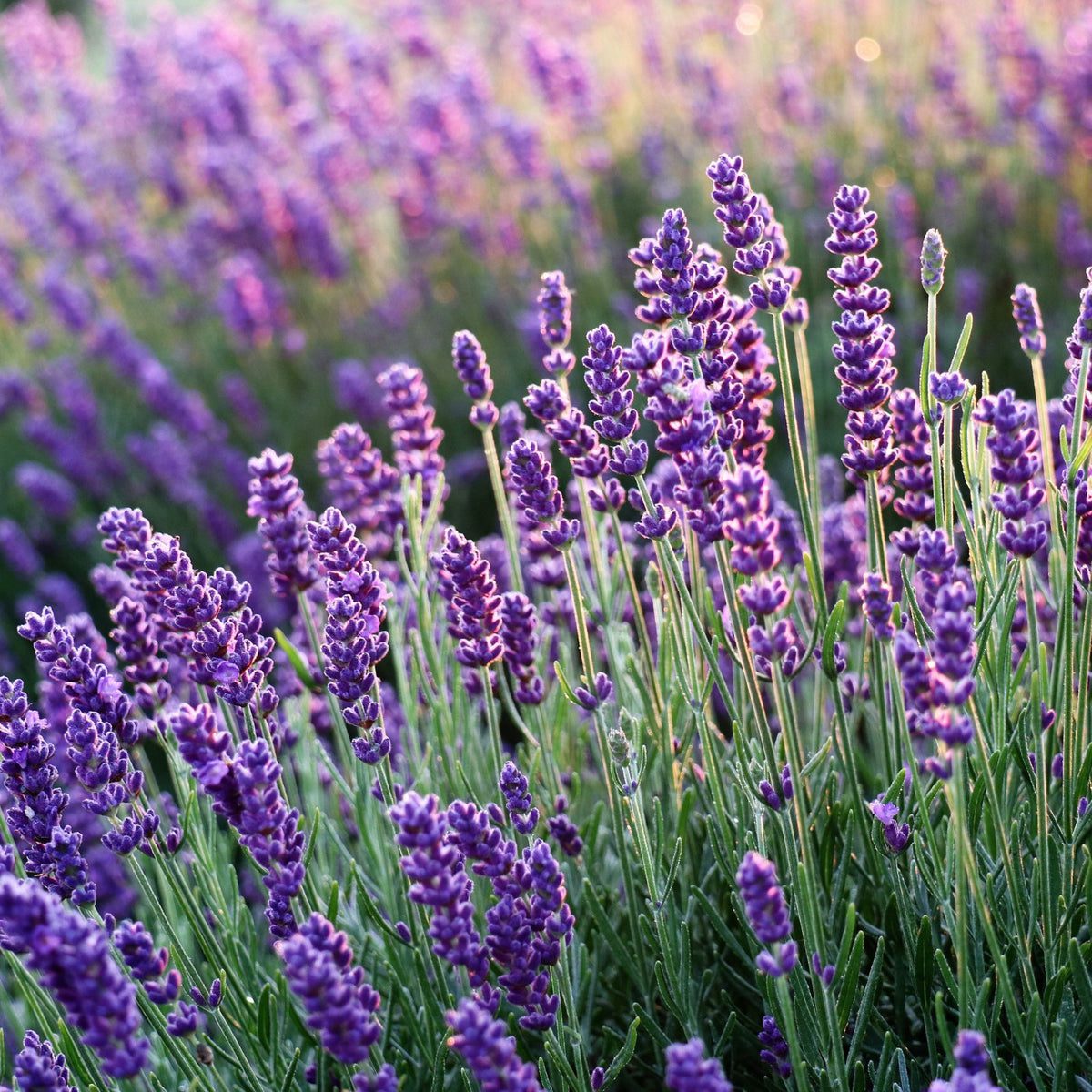
To ensure the successful return of lavender plants each year, the quality of the soil plays a critical role in supporting the perennial nature of these aromatic herbs. Lavender thrives in well-drained, sandy, and rocky soil that allows for proper air circulation around the roots and prevents waterlogging. Here’s how soil composition affects lavender’s ability to come back annually:
- Good Drainage: Lavender requires soil with good drainage to prevent water accumulation around the roots, which can lead to root rot and hinder the plant’s longevity.
- Avoid Soggy Conditions: Overwatering or planting lavender in soil that retains too much moisture can result in soggy conditions that are detrimental to the plant’s health and its ability to return each year.
- Plant Longevity: The right soil composition not only ensures lavender’s successful return but also promotes the longevity of the plant, allowing it to thrive and bloom year after year.
Sunlight Requirements for Lavender
Proper sunlight exposure is essential for the successful growth and flowering of lavender plants, requiring a minimum of 6 hours of direct sunlight daily. Lavender thrives in full sun, and inadequate sunlight can result in issues like leggy growth, decreased flowering, and overall plant weakness. The perennial nature of lavender, ensuring it comes back each year, heavily depends on receiving sufficient sunlight. Without proper sun exposure, lavender plants may weaken over time, impacting their ability to return year after year. Ensuring that your lavender receives the right amount of sunlight is crucial for its long-term health and resilience. By providing the necessary sunlight, you can support the growth, flowering, and perennial characteristics of your lavender plants, ultimately enhancing their overall vitality and ability to return reliably each year. Remember, sunlight is a key factor in the successful cultivation of healthy and robust lavender plants.
Pruning Techniques for Lavender Plants
Sufficient sunlight exposure is crucial for the healthy growth of lavender plants, and when it comes to maintaining their vitality, mastering proper pruning techniques is essential. Here are some key points to consider when pruning your lavender plants:
- Prune in Spring: It is best to prune lavender in spring before new growth emerges. This helps shape the plant and encourages abundant flowering.
- Avoid Fall Pruning: Refrain from pruning lavender in the fall as this can lead to winter damage and hinder healthy growth.
- Stimulate New Growth: Trim dead parts of the plant above budding areas. This practice stimulates new growth and ensures the plant remains vigorous.
Overwintering Lavender: Tips for Success
For successful overwintering of lavender plants, implementing proper protective measures is crucial to ensure their survival during harsh winter conditions. Overwintering lavender involves strategic steps to shield the plant from the detrimental effects of cold temperatures. One key practice is mulching, which helps insulate the plant’s roots and protect them from freezing. Before winter sets in, it is advisable to prune lavender by removing dead growth and shaping the plant for the upcoming cold months. Adequate drainage is essential as excessive moisture around the roots can lead to rot, especially during winter. Additionally, ensuring proper air circulation around the plant can prevent issues such as mold or mildew. By actively protecting your lavender plant from harsh winter conditions through mulching, pruning, ensuring adequate drainage, and promoting air circulation, you increase its chances of surviving the winter and thriving when spring arrives.
Signs of Lavender Plant Survival
When assessing the survival of your lavender plant, look for the presence of green growth in the spring as an initial indicator of its health and viability. This green growth signifies that the plant is alive and actively growing. To further evaluate the status of your lavender, consider the following signs of life:
- Prune Lavender: In the fall, pruning your lavender can improve visibility and help you assess the overall health of the plant. Look for any signs of new growth while pruning.
- Snap Test: Perform a snap test by cutting a stalk close to the base. If the inside of the stalk is green and moist, it indicates live sections of the plant.
- Deadwood Management: Address deadwood by waiting for green buds to appear. Carefully remove the dead parts and observe if grey sections show signs of potential revival.

Reviving Lavender After Harsh Winters
To revive lavender after enduring harsh winters, assess the plant for signs of life by examining it closely for green growth and conducting a snap test to identify live sections. Start by carefully inspecting your lavender plant for any green shoots or leaves, as these indicate areas of active growth. Perform a snap test by cutting a stem close to its base; if it snaps easily and shows signs of moisture, that section is still alive. After identifying live portions, proceed to prune away any deadwood by carefully cutting back to just above the new green growth. Patience is key as you wait for signs of new growth to emerge from the plant. With proper care, including adequate sunlight, well-draining soil, and limited moisture, your lavender can recover from the harsh winter conditions and thrive once again, rewarding you with its fragrant blooms.
Troubleshooting Lavender Growth Issues
Addressing lavender growth issues involves identifying common problems and implementing targeted solutions to support the plant’s health and vitality. When troubleshooting lavender plants, consider the following:
- Look for signs of life in spring: Check for green growth on your lavender plants as a positive indication of their health and potential for regrowth.
- Perform a snap test: Cut a stem close to the base and inspect for live sections, as this can help determine areas that need attention or removal.
- Address deadwood carefully: Wait for signs of green buds on your lavender and then remove dead sections cautiously to promote new growth and overall plant health.
Dividing and Transplanting Lavender
Check the health of your lavender plants by dividing and transplanting them every 3-4 years to maintain vigor and prevent overcrowding. Dividing lavender is a beneficial practice that helps rejuvenate the plants and promote better blooming. When dividing lavender, start by carefully digging up the plant and gently separating the root clumps. Ensure each division has enough roots and foliage to support its growth. Replant the divisions in well-drained soil, spacing them adequately to prevent overcrowding as they grow.
Transplanting lavender can also be done to refresh growth and maintain plant health. To transplant lavender, dig up the entire plant, ensuring you disturb the roots as little as possible. Divide the plant into smaller sections if desired and replant them in suitable locations with well-drained soil. This process not only helps with the health of the lavender but also encourages blooming and overall plant vigor. Proper care during dividing and transplanting will promote the longevity and vibrancy of your lavender plants.
Harvesting Lavender: Best Practices for Success
Harvest lavender early in the morning during spring to ensure optimal freshness and fragrance. When it comes to harvesting lavender, following best practices is crucial for success. Here are some expert tips to help you make the most of your lavender harvest:
- Cut lavender stems carefully: Make clean cuts 1/8 to 1/4 inch above new growth to encourage the plant to produce more blooms, leading to a healthier and more abundant lavender plant.
- Dry lavender properly: After harvesting, hang the lavender in small bundles in a warm, dark area for 7-10 days. This method helps preserve the aroma and color of the lavender, ensuring it retains its quality for various uses.
- Promote plant health: By employing proper harvesting techniques, you not only ensure a successful harvest but also support the overall health of your lavender plant. This, in turn, leads to more vigorous growth and abundant blooms in the upcoming seasons.