
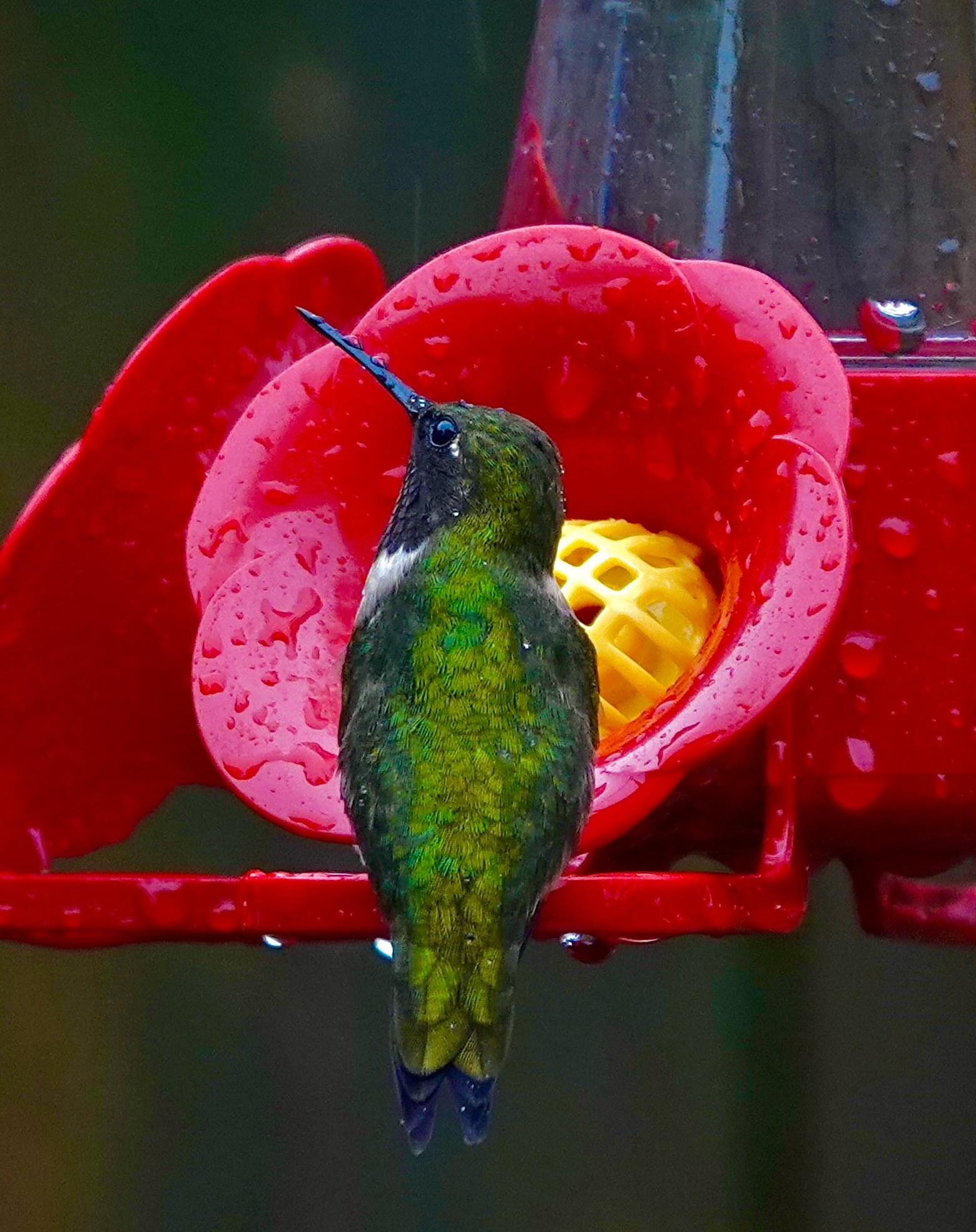
Hummingbirds adapt feeding behavior to minimize water exposure, continuing foraging efficiently even in light rain. They seek sheltered spots and exhibit resilience, adjusting flight paths to avoid raindrops and preferring nectar-rich flowers. Rain may temporarily halt feeding during heavy downpours, but post-rain feeding frenzy replenishes energy. These tiny birds adjust dietary preferences and increase feeding activity to cope with challenging weather conditions. Understanding their coping strategies during rainy days offers insights into their remarkable adaptations.
Rainy Day Hummingbird Feeding Behavior
During rainy days, hummingbirds exhibit adaptive feeding behavior to navigate challenging weather conditions and maintain their energy levels. When heavy rain falls, hummingbirds face difficulties in finding a source of food due to reduced insect activity. In such conditions, they may rely more on artificial sources like sugar water feeders to sustain themselves. Seeking sheltered spots during heavy rain helps hummingbirds avoid getting wet and conserve energy. While they may temporarily avoid feeding during intense rain, once the rain subsides, hummingbirds swiftly resume their feeding activities to replenish their energy stores.
The ability of hummingbirds to adjust their feeding patterns based on rain intensity showcases their remarkable adaptability to changing environmental conditions. By strategically utilizing sugar water feeders during heavy rain and promptly resuming feeding post-rainfall, hummingbirds demonstrate their resilience and resourcefulness in overcoming challenges posed by inclement weather. This adaptive behavior highlights the importance of understanding and supporting hummingbirds in maintaining their energy balance during adverse weather conditions.
Rainfall Impact on Hummingbird Feeding
Rainfall influences hummingbird feeding behavior by altering their foraging patterns and food source preferences. Severe weather conditions, such as rain, can impact the availability of natural food sources for hummingbirds. During rain, the limited insect activity may lead hummingbirds to rely more heavily on nectar from flowers or feeders as a primary food source. In response to rain, some hummingbirds may increase their feeding activity to compensate for the decrease in insect availability and to replenish their energy reserves. The altered foraging patterns during rainfall suggest that hummingbirds adapt their feeding strategies to mitigate the effects of changing environmental conditions. Additionally, seeking out feeder sources during rain may provide hummingbirds with easier access to food when natural sources are scarce. Understanding how rainfall influences hummingbird feeding can provide insights into their behavioral adaptations to challenging weather conditions and the importance of food availability for their survival.
Hummingbirds’ Rainy Weather Adaptations
Hummingbirds adapt to rainy weather conditions by seeking shelter in areas with dense foliage to stay dry and protected from the elements. This behavior helps them conserve energy and maintain body temperature. Additionally, during rainy days, hummingbirds adjust their flight kinematics to ensure stability and energy efficiency. By altering their wing movements and body positions, they can navigate through inclement weather with greater ease.
When it comes to feeding during rainy weather, hummingbirds may modify their behavior to minimize exposure to heavy rain. During light rainfall, they exhibit a preference for feeding from flowers that provide natural protection from the rain, such as those with overhanging petals or dense clusters. This allows them to continue feeding while reducing the impact of raindrops on their delicate feathers.
After the rain subsides, hummingbirds often show increased feeding activity to replenish their energy reserves. This post-rain feeding frenzy is crucial for their survival, especially during periods of inclement weather when food sources may become scarce.
Feeding Challenges During Rainy Days
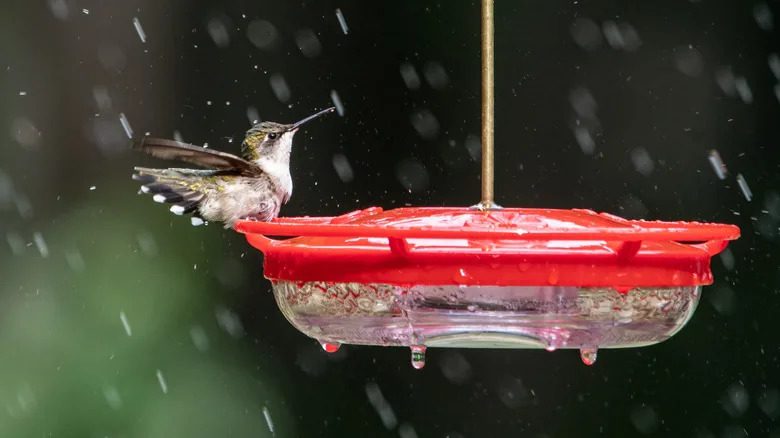
In rainy weather, feeding poses challenges for hummingbirds due to the impact of raindrops on their small bodies, hindering their access to nectar sources. Wet weather challenges not only make it harder for hummingbirds to feed but also reduce their overall foraging efficiency. The feeding struggles arise from the rain interfering with their ability to hover steadily near flowers or feeders, causing them to expend more energy in the process. During heavy rain, when insect activity decreases, hummingbirds may face a scarcity of alternative food sources, pushing them to rely more on nectar. In response to these rainy day adaptations, hummingbirds might seek shelter in covered areas or perch on branches to wait out the downpour before resuming feeding activities. Even during light rain, these tiny birds may adjust their feeding behaviors, such as opting for shorter feeding bouts to minimize exposure to the rain.
Raindrops and Hummingbird Feeding Habits
Raindrops, acting like tiny projectiles, present a formidable challenge to hummingbirds’ feeding habits due to their small size and high velocity. In wet weather, these small creatures face significant flight challenges as they strive to continue their nectar collection. A single raindrop, weighing up to a third of a hummingbird’s body weight, can disrupt their delicate feeding process. Despite these obstacles, hummingbirds exhibit remarkable resilience and determination.
Their ability to beat their wings up to 50 times per second showcases their agility in navigating through rain showers. These birds are relentless in their pursuit of flowers with sugar-rich nectar, even in adverse weather conditions. Their unique physical adaptations, such as long beaks and rapid tongue movements, play a crucial role in efficiently extracting nectar during rainfall.
The intricate dance between raindrops and hummingbirds highlights the extraordinary capabilities of these tiny creatures. Their unwavering commitment to feeding, even in challenging circumstances, underscores the importance of nectar collection for their survival.
How Rain Affects Hummingbird Feeding
Influencing hummingbirds’ foraging behavior, rain plays a significant role in shaping their feeding patterns and strategies. During wet weather, hummingbirds exhibit specialized wet weather feeding techniques to cope with the challenges posed by rainy conditions. Rainy day foraging strategies often involve an increased focus on nectar consumption as insect activity diminishes. These tiny birds adapt their flight and feeding behaviors, such as seeking sheltered feeding spots to minimize exposure to rain. However, weather-related feeding challenges do arise, particularly when heavy rain dilutes nectar in feeders, prompting hummingbirds to avoid them until fresh nectar is provided. Understanding how rain affects hummingbird feeding is crucial for conservation efforts and for providing appropriate support during inclement weather. By observing and studying their behavior during rainy conditions, researchers gain valuable insights into the feeding preferences and strategies of these remarkable birds.
Strategies for Feeding in the Rain
During periods of rainfall, hummingbirds employ various strategic approaches to sustain their feeding behaviors and adapt to the challenges posed by wet conditions. When faced with a rainy day, these tiny birds may seek shelter in dense foliage or under branches to minimize exposure to the rain while waiting for the weather to improve. To navigate through the rain, hummingbirds adjust their flight kinematics, altering their wing movements for increased stability and energy efficiency. They may also exhibit wet weather feeding strategies by selecting flowers that provide natural protection from rain, allowing them to feed more comfortably. In heavier rains, hummingbirds may opt for more secure and hidden spots to stay dry, ensuring their feathers remain in optimal condition. Additionally, during the rainy season, these birds may increase their feeding activity before or after rain events to compensate for the energy expended during flight in challenging weather conditions. These rainy day foraging techniques showcase the remarkable adaptability of hummingbirds in the face of inclement weather.
Rainy Weather Feeding Patterns
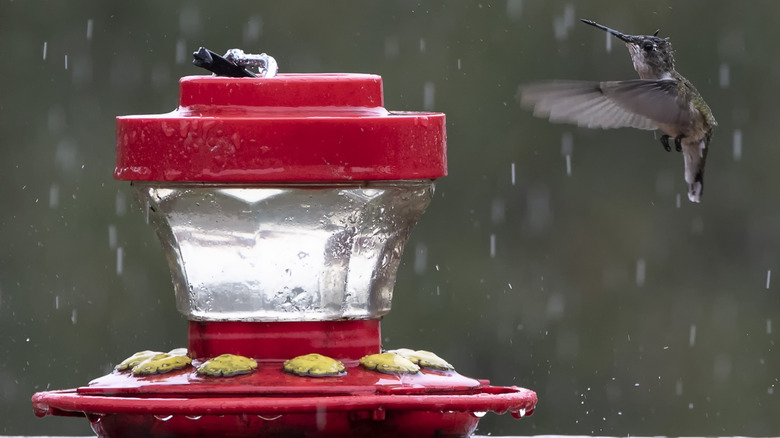
Feeding patterns of hummingbirds in rainy weather often reflect adjustments in their foraging strategies to adapt to the challenges presented by wet conditions. During wet weather, hummingbirds employ specific wet weather foraging techniques to ensure they can meet their energy requirements. Rainy day feeding strategies may involve an increase in feeding activity, as the birds seek to conserve body heat and reduce the flying costs associated with staying warm. Due to limited insect availability during rain, hummingbirds may compensate by consuming more nectar, which serves as a readily available energy source. Nectar seeking in rain becomes crucial as natural food sources become temporarily scarce, leading hummingbirds to focus on specific high-energy food sources like feeders. Post-rain, hummingbirds may exhibit heightened feeding activity to replenish energy reserves depleted by the inclement weather, ensuring they can maintain their high metabolic rates and sustain their active lifestyles even in challenging weather conditions.
Rainfall Effects on Hummingbird Diet
Hummingbirds adjust their dietary preferences in response to rainfall, showcasing a strategic shift in their foraging behavior. During the wet season, these tiny birds exhibit distinct feeding patterns influenced by rainy days. When faced with limited insect availability due to rain, hummingbirds rely more heavily on nectar sources to sustain their energy needs. Rainy day foraging strategies often involve targeting specific flowers that provide ample nectar, ensuring a readily available food source despite the challenging weather conditions.
In rainfall, hummingbirds display a preference for nectar-rich blooms that remain unaffected by the wet weather. This selective feeding behavior allows them to optimize their foraging efforts and maintain their nutritional requirements. Moreover, after rainfall, hummingbirds may intensify their feeding activity to replenish the energy expended during inclement weather. Overall, rain impacts hummingbird diet preferences, leading to a dynamic interplay between their foraging strategies and the availability of nectar sources in rainfall.
Rain’s Influence on Hummingbird Feeding
In rainy conditions, the influence of precipitation on hummingbird feeding behavior becomes evident through their adaptive responses to ensure sustained energy intake. Hummingbirds may exhibit increased feeding activity during wet weather to compensate for decreased insect availability, a crucial protein source for their diet. They often seek out sheltered feeding spots to avoid raindrops and maintain their energy levels, showcasing their resilience in adapting to environmental challenges. However, rain can dilute nectar in feeders, impacting the birds’ food source and potentially leading to decreased feeder use. Despite this, hummingbirds display remarkable wet weather feeding strategies, such as adjusting their foraging patterns and exploring alternative food sources during rainy days foraging. Monitoring feeder conditions and nectar quality is essential to attract hummingbirds back after rain and ensure a sustainable feeding environment for these incredible avian creatures.
| Wet Weather Feeding | Rainy Day Foraging | Feeding in Showers |
|---|---|---|
| Increased activity to compensate for insect scarcity | Seek sheltered spots to avoid raindrops | Adapt foraging patterns to ensure sustained energy intake |
Rainy Day Feeding Tactics of Hummingbirds
When faced with rainy conditions, hummingbirds strategically seek shelter in dense foliage to protect themselves from the wet weather while maintaining their feeding activities. These tiny birds have specific feeding strategies and rainy day adaptations that help them thrive even when it’s pouring outside. Here are some tactics they employ:
- Seeking Shelter: Hummingbirds choose spots under thick branches or amidst dense shrubs to avoid getting wet.
- Flight Adjustments: They adjust their flight techniques to dodge raindrops and continue feeding during light rainfall.
- Secure Locations: During heavier rains, they opt for more secure and hidden locations to wait out the weather.
- Increased Activity: These birds may increase their feeding activity after rain to replenish energy expended during flight in wet conditions.
- Adaptability: Hummingbirds showcase remarkable adaptability in finding ways to feed effectively despite the challenges posed by wet weather.
Coping With Rain While Feeding
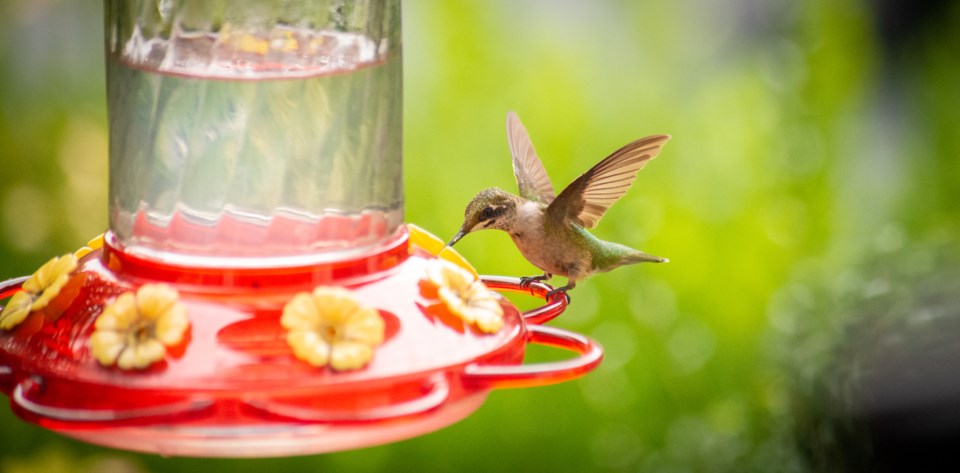
To effectively cope with rain while feeding, hummingbirds employ a range of adaptive strategies that showcase their ability to thrive in challenging weather conditions. During rainy days, hummingbirds exhibit specific foraging techniques to ensure they can still access necessary nectar. They may seek sheltered spots under dense foliage to continue feeding during light rain, adjusting flight patterns to avoid raindrops and potentially increasing feeding activity before and after precipitation. These wet weather feeding strategies allow them to sustain their energy levels even in inclement weather. Additionally, hummingbirds display a preference for nectar-rich flowers that provide natural protection from rain, enabling them to continue their feeding routine. When faced with heavy rain, they adapt by finding more secure feeding spots and focusing on specific food sources to meet their nectar consumption needs. Monitoring their behavior under various rainfall intensities can offer valuable insights into their resilience and feeding habits.
Rainy Conditions and Hummingbird Behavior
During rainy conditions, hummingbirds exhibit adaptive behaviors that enable them to efficiently navigate and cope with inclement weather while maintaining their feeding routines.
- Rainy day foraging techniques: Hummingbirds adjust their flight patterns to avoid raindrops and may focus on flowers that provide natural shelter from the rain.
- Wet weather feeding strategies: They seek sheltered spots under foliage or thick branches to stay dry while continuing to feed during light rain.
- Rainy season feeding habits: In heavier rains, hummingbirds opt for more secure and hidden locations to wait out the weather.
- Agile flying techniques: Utilizing their nimble flying skills, hummingbirds dodge raindrops with precision.
- Increased feeding activity: During rainy conditions, hummingbirds may intensify their feeding to compensate for the lack of insects and maintain their energy levels.
These behaviors showcase the remarkable adaptability of hummingbirds in dealing with challenging weather conditions while ensuring their survival and feeding needs are met.
Feeding Behavior in Wet Weather
Amidst wet weather conditions, how do hummingbirds adapt their feeding behavior to navigate the challenges posed by rain? When faced with rainy day refueling, these tiny birds showcase remarkable feeding adaptations. During wet weather foraging, hummingbirds may adjust their flight paths to avoid raindrops, utilizing their agility to minimize exposure. Seeking sheltered spots or dense foliage allows them to feed while staying dry, showcasing their resourcefulness. However, in heavy rain, hummingbirds may temporarily pause feeding and find secure locations to wait out the storm, highlighting their ability to prioritize safety over sustenance. Post-rain, these resilient birds often increase their feeding activity to replenish energy depleted during inclement weather, demonstrating their efficiency in managing fluctuating environmental conditions. Studying hummingbird behavior under varying rainfall intensities provides valuable insights into their feeding preferences and adaptive strategies, shedding light on the intricate ways in which they navigate the challenges of wet weather.
Rain’s Role in Hummingbird Feeding
Hummingbirds’ feeding behavior in wet weather is significantly influenced by the presence of rain, impacting their foraging strategies and food sources. When it rains, hummingbirds adapt their feeding patterns to cope with the challenges posed by inclement weather. Here’s how rain influences hummingbird feeding:
- Hummingbirds may adjust their feeding behavior in light rain to minimize exposure to water and continue foraging efficiently.
- Rain can limit insect availability, leading hummingbirds to rely more on nectar for sustenance during rainy days.
- The birds increase feeding activity after rain to compensate for lost foraging time due to the weather conditions.
- Seeking sheltered feeders during rain showers is a common behavior observed in hummingbirds, allowing them to feed while staying dry.
- Rain impacts the availability and quality of natural food sources, prompting changes in hummingbird feeding patterns as they navigate the challenges of wet weather.