
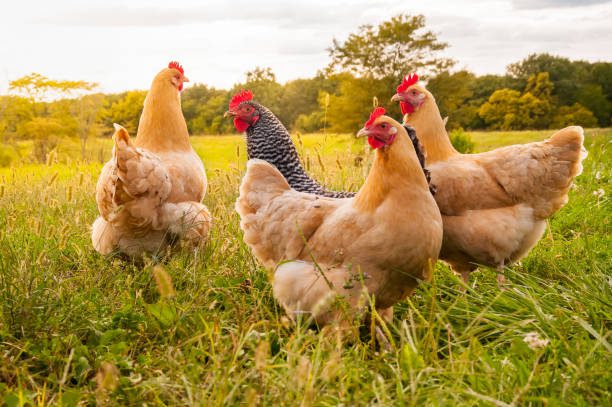
Free-range chickens typically roam up to 300 feet from their coop, focusing on specific foraging areas. Factors like breed type, food availability, and environmental conditions influence their roaming behavior. It’s crucial to provide a safe coop environment with effective fencing to control their range. Training with treats, clear boundaries, and distinct signals for coop return can help manage their roaming habits. Predator-proofing measures are vital to protect free-ranging chickens from harm. By understanding these key points, you can ensure your chickens’ safety and promote their natural behaviors for a harmonious and enriched environment.
Chicken Natural Foraging Behavior
The free-range chicken’s natural foraging behavior is driven by instinctive actions such as scratching, pecking, and exploring for diverse food sources within its roaming range. Chickens, being opportunistic feeders, utilize their keen sense of sight to locate insects, seeds, and vegetation to supplement their diet. This foraging instinct is deeply ingrained in their behavior, leading them to cover various terrains like pastures, lawns, and wooded areas in search of sustenance. By roaming up to 300 feet from their coop, free-range chickens can access a wider array of food options, promoting a balanced diet and overall well-being.
Furthermore, chickens tend to focus on specific foraging areas before moving on to new locations, indicating a methodical approach to satisfying their natural instincts. This behavior not only aids in meeting their nutritional needs but also allows them to engage in natural behaviors essential for their physical and mental health. As chickens roam and explore, their foraging behavior contributes to a more enriched environment, benefiting both the birds and the ecosystem.
Factors Influencing Roaming Distance
Influencing the roaming distance of free-range chickens are various factors such as breed type, food availability, predation risk, familiarity with the area, and environmental conditions. Larger breeds like Rhode Island Reds tend to cover more ground compared to smaller breeds. Chickens will roam further distances if there are diverse food sources available, prompting them to explore for better options. The presence of predators such as hawks can restrict the roaming range of chickens, as they become more cautious under higher predation risks. Additionally, the familiarity of chickens with their surroundings can lead to increased roaming distances, as they feel more secure in the area. Environmental factors like open spaces encourage chickens to range more extensively compared to areas with dense vegetation.
| Factors | Influence on Roaming Distance |
|---|---|
| Breed Type | Larger breeds roam more |
| Food Availability | Varied food sources extend range |
| Predation Risk | Higher risk limits roaming |
Safe Coop Environment Importance
Creating a secure coop environment is paramount for safeguarding free-range chickens from potential threats and ensuring their overall welfare. When it comes to chicken keeping, coop design plays a crucial role in providing a safe haven for your flock. A well-thought-out coop layout not only impacts the chickens’ comfort but also influences their ranging tendencies. Incorporating predator-proofing measures is essential to keep your chickens safe from predators, especially during the night when they are most vulnerable. Enriching the coop with features like perches and nesting boxes not only promotes natural behaviors but also contributes to the chickens’ contentment and well-being. Moreover, a well-designed coop offers adequate space for chickens to live, engage, and feel secure, ultimately contributing to their overall health and happiness. By prioritizing the safety of your coop environment, you are ensuring that your free-range chickens can thrive in a protected and nurturing space.

Effective Fencing and Barriers
Implementing sturdy fencing and barriers is essential to control the roaming distance of free-range chickens, with a minimum height of 4 feet recommended to prevent excessive wandering. Chickens have a natural tendency to explore, and without proper barriers, they can roam up to 300 feet from their coop. To effectively manage their range, it is crucial to invest in secure fencing that can withstand the chickens’ attempts to breach it. Additionally, consider measures like wing clipping or higher fences to limit their roaming distance if needed. Predators pose a significant threat to free-ranging chickens, especially during the daytime. Therefore, ensuring that the fences around their roaming area are secure is vital for their safety. Overhead netting can also be a valuable addition to deter flying predators and contain the chickens within their designated area. By prioritizing effective fencing and barriers, you can maintain a safe and controlled environment for your free-ranging chickens.
Training Chickens to Stay Close
To train chickens to stay close, utilize treats as positive reinforcement during consistent training sessions. Chickens respond well to rewards, and using treats can help reinforce desired behaviors, such as staying near the coop or designated areas. During training, establish clear boundaries and gradually increase roaming distances to build trust and obedience in your chickens. It’s important to supervise them closely and provide immediate rewards when they stay close, as this reinforces the behavior you want to see.
In addition to treats, consider establishing distinct calls or signals that chickens can associate with returning to the coop or staying within a certain range. Consistency is key when training chickens, so make sure to schedule regular training sessions to reinforce the desired behavior. By combining positive reinforcement, clear boundaries, and consistent training, you can effectively teach your chickens to stay close while enjoying their free-range environment.
Predator Protection Measures
Secure fencing is essential to protect free-range chickens from potential nocturnal predators that may pose a threat even during daylight hours. When keeping chickens safe, consider the following predator protection measures:
- Sturdy Fences: Sturdy fencing can slow down ground predators like raccoons and foxes, giving chickens a chance to seek shelter.
- Overhead Netting: Installing overhead netting can deter flying predators such as hawks from targeting free-ranging chickens.
- Secure Coop: Ensure the chicken coop is secure at night to protect against nighttime predator attacks.
- Predator-Proofing: Implement predator-proofing measures like burying wire mesh to prevent predators from digging under fences to reach the chickens.
Implementing these strategies can significantly reduce the risk of predator attacks on your free-range chickens. By combining secure fencing, overhead netting, and proper coop security, you can create a safer environment for your flock to roam freely.
Real-life Chicken Roaming Stories
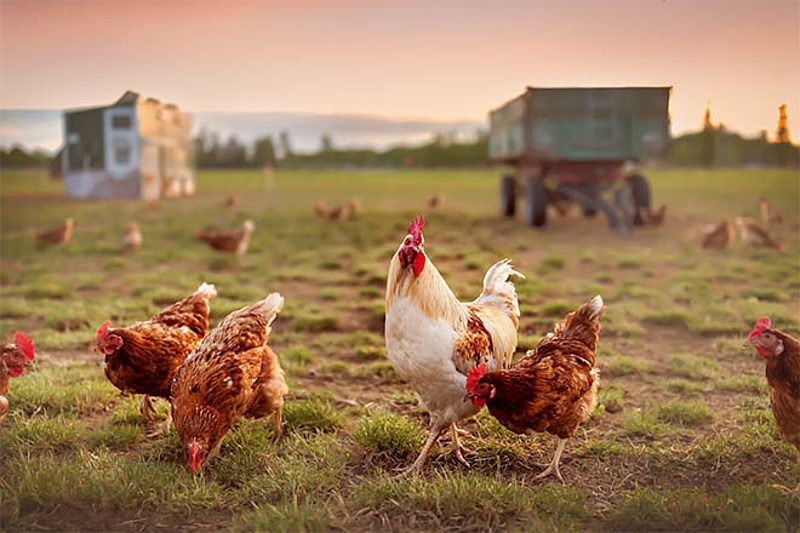
Chickens in various settings have demonstrated a roaming capacity of up to 300 feet from their coop, with some individuals venturing as far as half an acre or even several acres. Understanding the roaming behavior of chickens is essential for keeping them safe and healthy. Different breeds exhibit varying roaming tendencies influenced by their habitat and familiarity with the surroundings. It’s crucial to provide an environment that meets their foraging needs close to home to prevent them from straying too far. By strategically placing scratch near the coop, you can encourage chickens to stay within a reasonable roaming distance. Observing their behavior patterns can help you anticipate their movements and ensure they are not exposed to potential risks outside their usual range. Keeping chickens close to home not only enhances their safety but also allows you to monitor their well-being effectively. Remember, knowing how far chickens roam is key to successfully managing a free-range flock.
Benefits of Free-Ranging Chickens
Free-ranging chickens benefit from a diverse diet, improved flock dynamics, and enhanced physical well-being. When chickens roam freely, they have the opportunity to fulfill their natural behaviors and needs. Here are some key benefits of allowing chickens to free-range:
- Chickens need a diverse diet: Free-ranging allows chickens to forage for bugs, greens, and seeds, providing essential nutrients and contributing to overall health and egg quality.
- Keep them safe: Roaming freely reduces boredom-related behavioral issues, decreasing aggression within the flock and promoting a more harmonious environment.
- Curious creatures: Free-ranging offers chickens mental stimulation and entertainment, satisfying their natural curiosity and enhancing their overall welfare and happiness.
- Chickens learn: By exploring and foraging, chickens learn valuable skills, such as predator evasion and food identification, improving their ability to thrive in their environment.
Risks of Free-Ranging Chickens
Minimize the risks associated with allowing chickens to roam freely by implementing predator-proofing measures and securing the coop at night. Free-ranging chickens face various dangers, with predators being a significant threat. Daytime predators like hawks, dogs, and foxes can pose a risk to the safety of roaming chickens. Additionally, nocturnal predators such as raccoons, snakes, and coyotes may target free-ranging chickens, emphasizing the importance of securing the coop and fencing to protect them from harm. Even neighbors’ dogs can present a danger to free-ranging chickens, potentially leading to conflicts and injuries. To safeguard your chickens, it is crucial to take proactive steps to mitigate these risks. By ensuring that the coop is predator-proof and securely locked during the night, you can significantly reduce the likelihood of predators attacking your free-ranging chickens. Remember, prevention is key when it comes to protecting your flock from potential threats.