
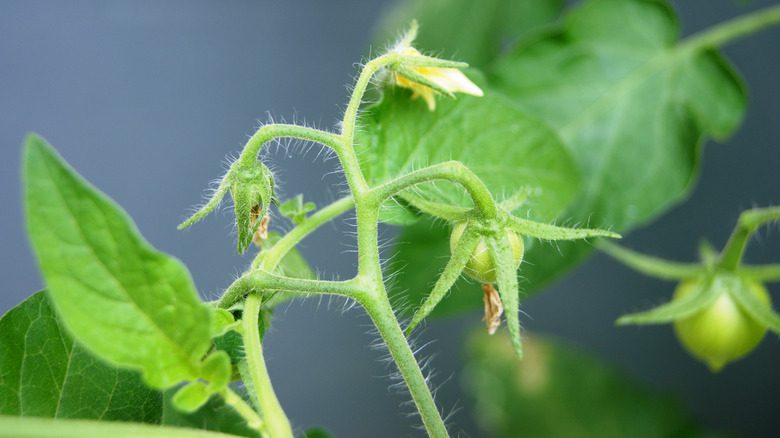
Yes, plants do have hairs known as trichomes, which are crucial for their survival. These specialized structures can be found on leaves, stems, and flowers, offering protection against herbivores and reducing water loss. Some trichomes release toxic compounds, while others act as physical barriers. Glandular trichomes even secrete substances for defense and nutrient absorption. The evolution of glandular hairs is fascinating, with some plants moving towards carnivory. These hairs play a significant role in plant adaptation and defense mechanisms. Their diverse functions are essential for plant survival and interaction with the environment.
Plant Trichomes Overview
Trichomes, as outgrowths of the epidermis on plant surfaces, play crucial roles in plant physiology and defense mechanisms. These hair-like structures can be found on various parts of plants, such as leaves, stems, and flowers. Trichomes serve as a physical barrier, deterring herbivores from feeding on the plant by causing irritation or injury through their rigid and often sharp structures. Additionally, some trichomes secrete toxic compounds, acting as a chemical defense mechanism against pests.
Moreover, trichomes contribute to the plant’s adaptation to environmental conditions. Certain trichomes provide shade by reducing the amount of sunlight that reaches the leaf surface, thereby preventing excessive water loss through transpiration. These structures also play a role in protecting the plant from harmful UV radiation, helping to maintain the plant’s overall health and fitness.
Studying trichomes is essential for understanding plant defense strategies and developing sustainable pest management techniques that can help in agriculture and environmental conservation efforts.
Types of Plant Hairs
Differentiating plant hairs into various types provides insights into their diverse functions in plant defense and adaptation mechanisms. One key type of plant hair is the glandular trichome. These trichomes play a crucial role in plant defense by producing toxic compounds or emitting foul-smelling substances to deter herbivores. Glandular trichomes can come in different forms, such as sharp structures that physically deter insects or glands that secrete chemicals for protection.
On the other hand, non-glandular trichomes act as a physical barrier against herbivorous insects. They often contain hard substances like silica, impeding the movement of insects and reducing the likelihood of damage to the plant.
Interestingly, trichomes tend to increase on young leaves after older leaves have been consumed, indicating a dynamic response in plant defense strategies.
Studying the various types of plant hairs, including glandular trichomes, provides valuable insights into plant adaptation and defense mechanisms, which can inform pest management strategies for better plant protection.
Functions of Plant Hairs
Plant hairs, also known as trichomes, serve vital protective functions in various plant species. These microscopic structures play a crucial role in defending plants against herbivores and environmental stresses. Here are some key functions of plant hairs:
| Function | Description |
|---|---|
| Deter herbivores | Plant hairs can physically deter herbivores by causing irritation and releasing toxic compounds. |
| Reduce water loss | Trichomes help reduce water loss through evaporation, aiding plants in maintaining hydration levels. |
| Reflect sunlight | Hairs on plants reflect sunlight, protecting delicate tissues and helping regulate temperature. |
| Defense mechanisms | Varying in structure and density, plant hairs provide defense mechanisms against predators. |
| Secretion of substances | Glandular hairs on some plants secrete sticky substances or toxic compounds for defense or trapping insects. |
Understanding the functions of plant hairs highlights their significance in ensuring the survival and well-being of plants in diverse ecosystems.
Evolution of Glandular Hairs
Glandular hairs on plants play a crucial role in secreting various substances that aid in defense mechanisms against herbivores and other environmental threats. These specialized hairs are evolving to adapt to their surroundings, with some species even showing signs of transitioning towards carnivory by using their glandular hairs to trap and digest insects for additional nutrients.
Studies have highlighted the significance of protocarnivorous capabilities in plant species with glandular hairs, showcasing the dynamic nature of these structures in plant evolution.
Glandular Hair Functions
Some plant species exhibit a fascinating evolutionary trend towards utilizing glandular hairs for enhanced functions beyond traditional defense mechanisms. Glandular hairs serve as specialized structures that protect plants by secreting oils, resins, and sticky substances. These secretions deter herbivores and provide protection against environmental stresses.
Interestingly, certain plants with glandular hairs are showing signs of evolving towards carnivory. For instance, Geranium viscosissimum displays protocarnivorous capabilities, indicating a potential shift in their diet to include insects for nutrient absorption. Plants like Sundews have already adapted this strategy, using glandular hairs to trap and digest insects, thereby obtaining essential nutrients like nitrogen, especially in nutrient-poor environments.
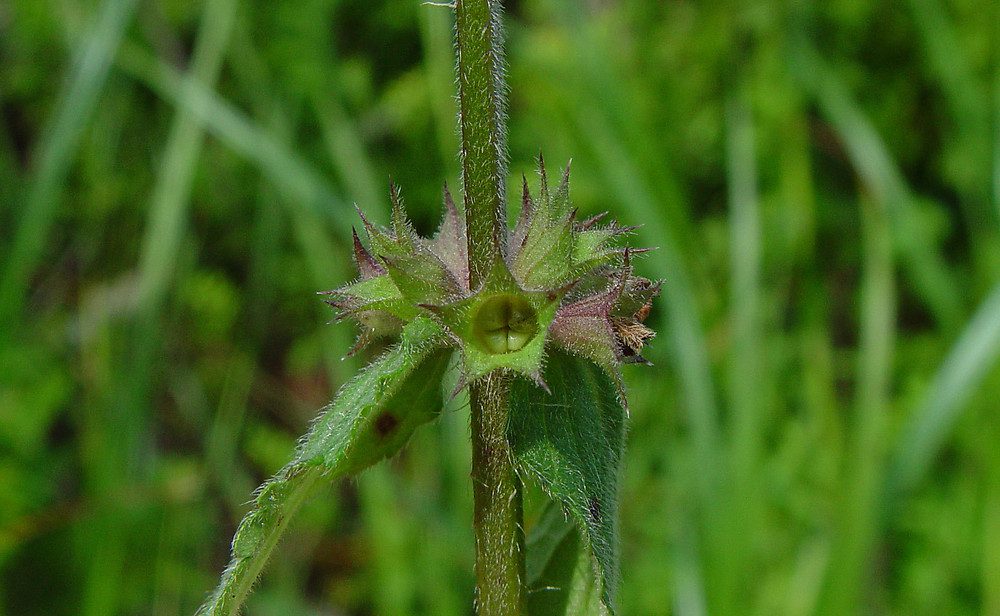
Additionally, the exudates and secondary metabolites produced by glandular hairs contribute significantly to the chemical defense mechanisms of plants like Marsh Woundwort and Orobanchaceae species. These glandular hairs play a crucial role in the survival and evolution of these plant species.
Adaptation to Environment
Adapting to their environment, plants with glandular hairs have undergone evolutionary changes aimed at enhancing their survival strategies. Trichomes, the glandular hairs found on these plants, play a crucial role in their adaptation process. These specialized structures have evolved to secrete sticky substances that deter herbivores and trap insects, providing a defense mechanism for the plants. Additionally, some species, like Cross-leaved Heath, have shown potential evolution towards carnivory by utilizing their glandular hairs to trap insects for additional nutrients.
The table below highlights key evolutionary adaptations seen in plants with glandular hairs:
| Evolutionary Adaptation | Description | Examples |
|---|---|---|
| Chemical Defense | Trichome exudates act as chemical defenses against pests | Marsh Woundwort, Orobanchaceae species |
| Nutrient Acquisition | Mucilage from glandular hairs aids in capturing insects | Yellow Bartsia, Restharrow |
| Carnivorous Behavior | Glandular hairs aid in trapping insects for nutrient acquisition | Geranium viscosissimum, Cross-leaved Heath |
Through these evolutionary adaptations, plants with glandular hairs have developed sophisticated mechanisms to thrive in their environments.
Importance of Glandular Hairs
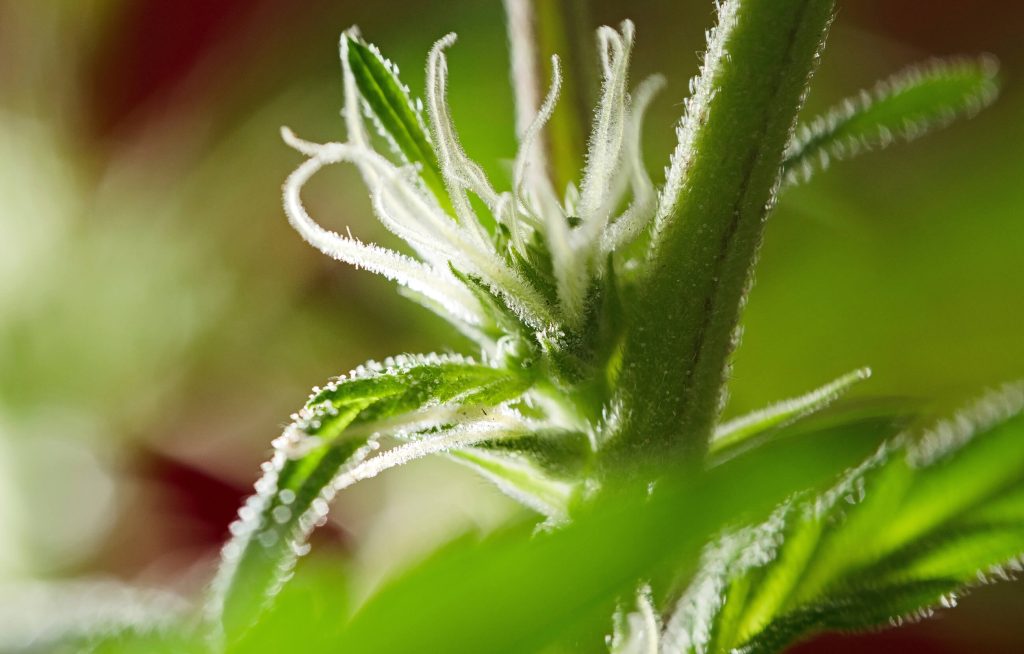
In plants, the presence of glandular hairs serves a vital role in defense mechanisms and adaptation to environmental challenges. Glandular hairs are specialized structures found on various plant species, secreting oils, resins, and sticky substances that deter herbivores and protect against environmental stresses.
These secretions not only repel potential threats but also aid in trapping insects for additional nutrients or as part of defense mechanisms. The secondary metabolites present in glandular hairs are essential for plant defense and their ability to adapt to harsh environments.
For example, plants like Sundews have glandular hairs capable of digesting insects, showcasing potential carnivorous evolution. Research on plants such as Marsh Woundwort and Geranium viscosissimum emphasizes the diverse functions and evolutionary significance of glandular hairs.
Carnivorous Plants and Hairs
Carnivorous plants, such as Sundews and Pitcher Plants, possess specialized glandular hairs that play a crucial role in their unique ecological strategy of trapping and digesting insects for nutrient acquisition. These glandular hairs secrete sticky substances that aid in the entrapment of insects. Once an unsuspecting insect lands on these hairs, it becomes stuck, unable to escape. The glands on the hairs then release digestive enzymes that break down the insect’s body, allowing the plant to absorb essential nutrients like nitrogen. This ability to supplement their nutrient intake with insects is particularly advantageous for carnivorous plants growing in nitrogen-deficient environments.
Moreover, the presence of glandular hairs on carnivorous plants showcases a remarkable evolutionary adaptation towards carnivory. These structures not only help in capturing insects but also enable the plants to digest and absorb nutrients efficiently, providing them with a competitive edge in habitats where traditional nutrient sources may be limited.
Adaptive Significance of Hairs
Plant hairs serve important functions in plant defense and water conservation. Trichomes act as a shield by reflecting sunlight, protecting delicate tissues, and deterring herbivores. Glandular hairs play a role in enhancing defense mechanisms by secreting substances that can trap insects or prevent desiccation.
Plant hairs play a crucial role in protecting plants from herbivores and reducing water loss through evaporation. Trichomes act as a shield, reflecting sunlight to safeguard delicate tissues and deterring herbivores. Glandular hairs further enhance defense mechanisms by secreting substances that trap insects or prevent desiccation.
Protective Role of Hairs
Trichomes on plants play a crucial role in protecting against herbivores and reducing water loss through evaporation. These microscopic hairs serve as a shield for the plant, offering a range of protective functions essential for its survival:
- Herbivore Deterrence: Trichomes act as a physical barrier, making it difficult for herbivores to consume plant tissues. Some trichomes also produce toxic compounds that deter insects from feeding on the plant.
- Water Conservation: By reducing water loss through evaporation, trichomes help plants retain moisture, especially in arid environments. They insulate the plant surface and disrupt airflow, limiting transpiration rates and conserving precious water resources.
- Sunlight Reflection: Trichomes can reflect sunlight, reducing the amount of radiation absorbed by the plant’s delicate tissues. This protection against excessive solar radiation helps prevent damage and maintains the plant’s overall health and productivity.
Understanding the adaptive significance of trichomes highlights their importance in the plant kingdom, showcasing how these structures have evolved to safeguard plants against environmental challenges and predation.
Moisture Retention Function
Indispensable in arid environments and crucial for plants with limited access to water, the moisture retention function of plant hairs significantly contributes to their overall survival and water-use efficiency.
Plant hairs play a vital role in reducing water loss through evaporation from the leaf surface. By creating a microclimate, trichomes on plants help decrease transpiration rates, conserving precious water resources. Additionally, these tiny structures act as a barrier against desiccation by slowing down air movement over the leaf surface, further aiding in moisture retention.
The adaptive significance of plant hairs in moisture retention can’t be overstated, especially for plants facing water scarcity or growing in arid regions. Through their ability to reduce water loss, plant hairs enhance the overall water-use efficiency of plants, enabling them to thrive in challenging environmental conditions.
Therefore, the evolutionary development of plant hairs to fulfill this crucial function highlights their importance in the survival and adaptation of various plant species.
Hairs as Defensive Mechanisms
The defensive role of plant hairs, also known as trichomes, against herbivorous insects is crucial in safeguarding the plant’s tissues. Trichomes serve as a physical barrier, impeding insects from feeding on the plant and potentially causing damage. Here’s why trichomes are essential in plant defense mechanisms:
- Physical Barrier: Trichomes act as a deterrent by physically obstructing herbivorous insects from accessing the plant’s tissues.
- Chemical Defense: These hairs can cause harm to insects through sharp structures and the release of toxic compounds, deterring herbivores effectively.
- Multi-functional Role: Trichomes not only protect plants from herbivory but also provide shade, shield against harmful UV radiation, and delay caterpillar feeding, contributing to the overall plant defense system.
Understanding the diversity and functions of trichomes among plant species is crucial for comprehending plant defense strategies against herbivorous insects. Researchers study trichomes to develop efficient pest management strategies and gain insights into plant-insect interactions.
Insect-Plant Interactions
Insect-plant interactions encompass a wide array of mechanisms that play pivotal roles in the defense and reproduction strategies of both organisms. Trichomes, specialized plant hairs, serve as key players in these interactions by acting as physical barriers and releasing toxic compounds that deter herbivorous insects. These structures hinder insect feeding, providing plants with a robust defense mechanism against potential damage.
Furthermore, trichomes not only protect plants against herbivores but also offer additional benefits such as shielding against UV radiation and delaying caterpillar feeding. Insects, on the other hand, contribute significantly to plant reproduction through essential processes like pollination, showcasing the intricate and mutually beneficial relationship between plants and insects.
The study of trichomes is crucial in developing effective pest management strategies and furthering our understanding of the evolutionary arms race between plants and insects. By unraveling the complexities of insect-plant interactions, researchers can gain insights into how these mechanisms shape ecosystems and drive the coevolution of these organisms.

Nutrient Absorption Through Hairs
Plants’ hairs, specifically glandular trichomes, play a crucial role in nutrient absorption by secreting substances that aid in trapping and digesting insects for essential nitrogen intake.
These specialized hairs exhibit protocarnivorous capabilities, enabling some plants to capture insects and absorb vital nutrients.
The secretion of oils, resins, and sticky substances by glandular hairs not only traps insects but also helps prevent desiccation, contributing significantly to nutrient uptake in nutrient-poor environments.
Root Hair Function
Root hairs on plants play a critical role in the absorption of nutrients from the soil, enhancing the efficiency of water and mineral uptake. These microscopic structures significantly increase the surface area of roots, allowing for better nutrient absorption.
The thin and elongated shape of root hairs is specifically designed for the efficient uptake of essential nutrients like nitrogen, phosphorus, and potassium. Here are some key points to understand the importance of root hairs in plants:
- Root hairs are short-lived but constantly replaced to ensure optimal nutrient absorption.
- The presence of root hairs is essential for the healthy growth and development of plants by facilitating nutrient uptake.
- Root hairs play a vital role in water and mineral uptake from the soil, contributing to the overall health and vigor of plants.
Nutrient Uptake Mechanism
Plant hairs, particularly root hairs, serve as crucial extensions of root epidermal cells that significantly enhance the surface area available for efficient nutrient absorption.
These fine and elongated structures are essential for plants to absorb water, minerals, and ions effectively from the soil.
Root hairs play a vital role in nutrient uptake mechanisms by increasing the plant’s ability to explore a larger volume of soil, maximizing nutrient absorption.
The presence of root hairs is particularly important for the uptake of essential nutrients like nitrogen, phosphorus, and potassium, which are necessary for the plant’s growth and development.
By increasing the surface area for absorption, root hairs enhance the plant’s capacity to take up water and nutrients efficiently, supporting overall plant health and productivity.
Understanding the nutrient uptake mechanism through root hairs is crucial for optimizing plant growth and ensuring proper nutrient availability for various physiological processes.
Hair Structure Importance
The microscopic structures found on plant surfaces play a vital role in enhancing nutrient absorption by increasing the surface area available for contact with essential elements in the soil. Root hairs, also known as trichomes, are specialized structures that aid in the uptake of water and crucial minerals necessary for plant growth.
Here’s why these hair-like structures are essential for nutrient absorption:
- Root hairs are single-celled extensions from the epidermis of roots, maximizing the plant’s ability to acquire nutrients.
- Trichomes significantly increase the contact surface between the plant and the soil, facilitating nutrient uptake.
- The presence of root hairs is particularly crucial for efficient nutrient absorption in plants cultivated in soils lacking essential elements.
Medicinal Properties of Hairy Plants
Hairy plants, particularly those with glandular hairs, exhibit promising medicinal properties attributed to the presence of secondary metabolites in their structures.
Extracts from these plants, such as Stachys palustris and Marsh Woundwort, have shown potential therapeutic effects. The chemical defenses found in glandular-haired plants provide a rich source of compounds that can be harnessed for medicinal purposes.
For instance, the exudates from trichomes in Orobanchaceae species contribute to their chemical defense mechanisms, opening avenues for novel medicinal applications. Plants like Geranium viscosissimum, with glandular hairs, not only exhibit medicinal properties but also hint at protocarnivorous capabilities, suggesting there are unexplored medicinal benefits waiting to be uncovered.
The presence of these secondary metabolites in glandular-haired plants offers a promising area for the development of new pharmaceuticals and natural remedies, showcasing the potential of these plants beyond their physical appearance.
Research on Protocarnivorous Plants
Research on protocarnivorous plants delves into fascinating adaptations like glandular hairs that aid in prey attraction and digestion for nutrient absorption.
Studies have unveiled the chemical defense mechanisms of trichome exudates in species like Orobanchaceae, suggesting evolutionary advantages in nutrient-poor environments.
Understanding the health benefits of extracts from plants like Stachys palustris sheds light on the intricate balance between defense mechanisms and carnivorous adaptations in botanical species.
Carnivorous Plant Adaptations
Glandular hairs found on certain plant species, such as Geranium viscosissimum and Sundews, play a crucial role in the protocarnivorous capabilities exhibited by these plants. These adaptations are essential for their survival in nutrient-poor environments, where they supplement their diet by capturing and digesting insects.
Here are some key points to consider:
- Nitrogen Absorption: Research indicates that plants like Geranium viscosissimum use glandular hairs to attract and digest insects, absorbing essential nitrogen for growth.
- Evolutionary Pathway: Sundews employ sticky substances secreted by their glandular hairs to trap insects, suggesting an evolutionary pathway towards carnivory.
- Diverse Defense Mechanisms: Plants like Marsh Woundwort utilize chemical defense mechanisms through trichome exudates, showcasing the variety of strategies employed by hairy plants.
Understanding these carnivorous plant adaptations sheds light on the fascinating ways in which plants have evolved to thrive in challenging environments.
Prey Attraction Mechanisms
In exploring prey attraction mechanisms in protocarnivorous plants, a significant focus lies on the intricate functions of glandular hairs and their role in capturing insects for nutrient absorption.
These glandular hairs, found on plants like Geranium viscosissimum, secrete sticky substances that act as traps for unsuspecting insects. As insects get caught on these sticky secretions, they become a crucial nutrient source for the plant, especially for nitrogen uptake.
Studies on species such as Marsh Woundwort reveal the diverse strategies employed by protocarnivorous plants to lure and capture prey effectively. The presence of glandular hairs on these plants showcases a fascinating evolutionary adaptation towards carnivory, raising intriguing questions about how and why certain plant species have developed such unique prey attraction mechanisms.
Through the utilization of glandular hairs, protocarnivorous plants have evolved sophisticated ways to supplement their nutrient intake by preying on insects, marking a remarkable aspect of plant biology.
Evolutionary Advantages of Protocarnivorous Plants
Occasionally, protocarnivorous plants with glandular hairs exhibit evolutionary advantages in nutrient acquisition through the trapping and digestion of insects. These plants have evolved unique mechanisms that provide them with benefits such as:
- Enhanced nutrient uptake: Glandular trichomes on these protocarnivorous plants enable them to capture and digest insects, supplementing their nutrient intake, especially in nutrient-poor environments.
- Improved defense strategies: The development of glandular hairs in these plants not only aids in trapping prey but also serves as a defense mechanism against herbivores, deterring them from feeding on the plant.
- Potential pharmacological significance: Studies on plants like Stachys palustris suggest that extracts from these glandular-haired plants may possess medicinal properties, hinting at potential pharmaceutical applications of these structures.
The evolutionary adaptation of protocarnivorous plants with glandular trichomes highlights the intricate balance between nutrient acquisition, defense mechanisms, and potential pharmacological benefits in the plant kingdom.
Implications for Plant Evolution
Plant hairs, such as trichomes, hold significant implications for plant evolution due to their pivotal role in defense mechanisms and adaptation to diverse environmental conditions. The evolutionary dynamics of plant hairs reveal a fascinating story of how plants have developed sophisticated strategies to thrive in various habitats.
Trichomes and glandular hairs act as physical barriers against herbivores, while also secreting chemicals that deter pests or attract beneficial insects. These adaptations showcase the co-evolutionary relationship between plants and other organisms, shaping plant diversity and ecological interactions.
The presence of plant hairs reflects the long history of plants evolving to survive in challenging environments. From reducing water loss in arid regions to protecting against herbivory in lush forests, the diversity of plant hairs highlights the adaptability of plants to different ecological niches.
Commercial Applications of Plant Hairs
The utilization of plant hairs in various industries stems from their diverse applications, ranging from textiles to biotechnology. Plant hairs have several commercial applications:
- Textiles: Fibers from plants like cotton, which have plant hairs, are used in the textile industry to create clothing and fabrics.
- Cosmetics: Plant hairs from sources like coconuts are incorporated into cosmetics for their moisturizing properties, adding value to skincare products.
- Traditional Medicine: Certain plant hairs, such as those from the stinging nettle plant, are used in traditional medicine for their potential medicinal properties.
These commercial applications highlight the versatility of plant hairs beyond their botanical functions. From contributing to the production of everyday textiles to being integral components in cosmetics and traditional medicine, plant hairs play a crucial role in various commercial sectors.
Exploring the diverse applications of plant hairs opens up opportunities for innovation and advancements in multiple industries, showcasing the significant impact these tiny structures have on commercial ventures.
Future Directions in Plant Hair Studies
Exploring the genetic mechanisms underlying trichome development and function is a key focus in future plant hair studies. Scientists are delving into the intricate molecular pathways that regulate the formation of trichomes on plant surfaces. Understanding how different environmental cues, such as light intensity or nutrient availability, impact the density, length, and chemical composition of trichomes is crucial for unraveling their biological significance.
Furthermore, uncovering the genetic blueprint that governs trichome development can pave the way for engineering plants with enhanced pest resistance through targeted manipulation of trichome traits.
Advances in microscopy and imaging technologies offer unprecedented opportunities to visualize the ultrastructure of trichomes at a nanoscale level and study their interactions with insects in minute detail.
Conclusion
In conclusion, the presence of hairs on plants, known as trichomes, serves a variety of important functions including protection against herbivores, UV radiation, and water loss.
Glandular hairs, in particular, have evolved to play a role in attracting and capturing prey in some protocarnivorous plants.
Research on plant hairs has implications for understanding the evolution of plants and has potential commercial applications.
Future studies in this area will continue to shed light on the fascinating world of plant biology.