
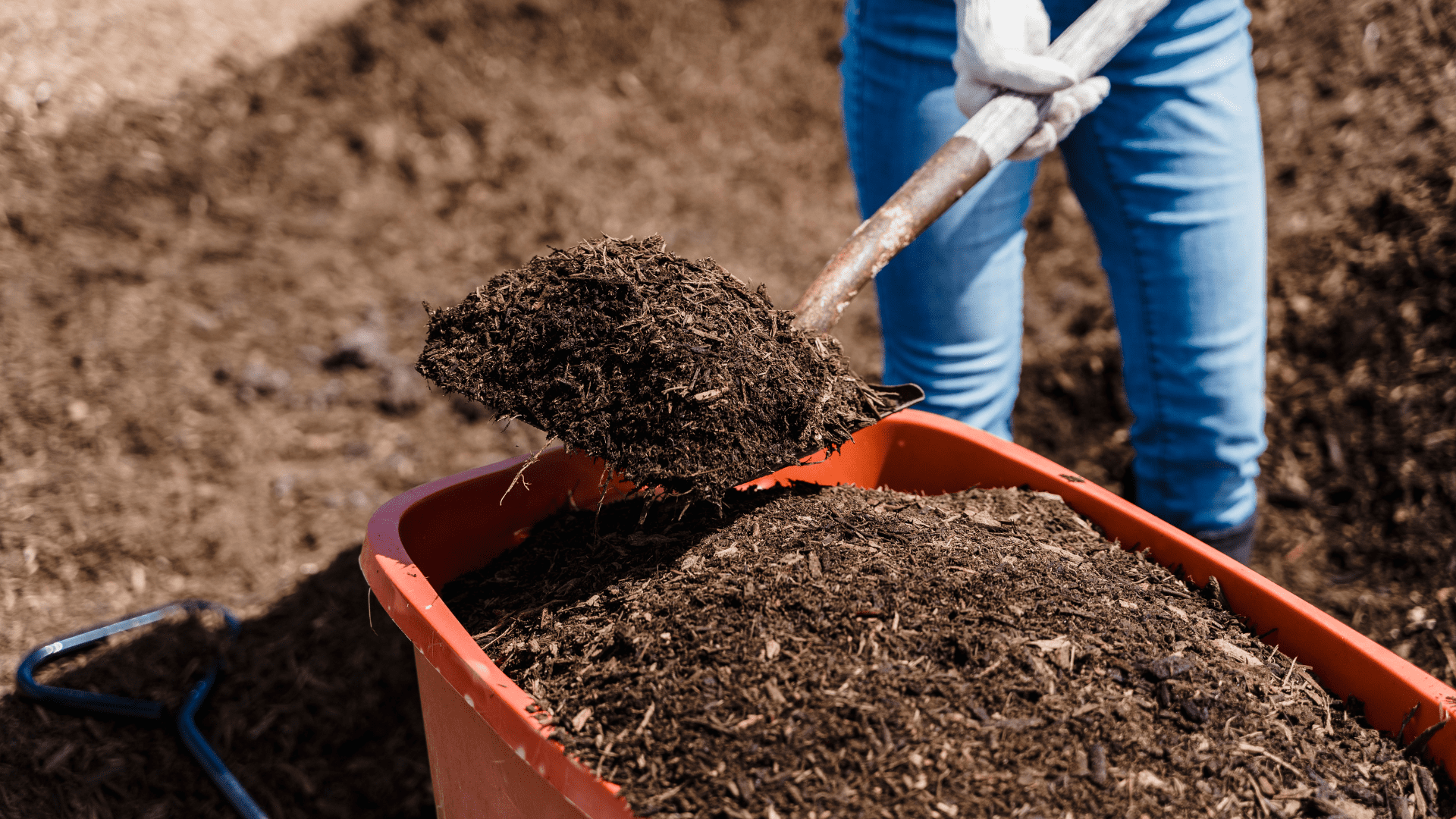
Yes, you can compost mulch to enrich your soil and support plant growth. However, it’s crucial to be cautious. Avoid treated wood, synthetic mulches, and harmful substances. Composting mulch can enhance soil health, promote microbial activity, and provide essential nutrients for plants. Remember, factors like climate and moisture levels influence decomposition speed. Ensure proper maintenance to prevent risks like herbicides or chemical contamination. By following best practices, composting mulch can be a valuable way to recycle nutrients and improve your garden’s vitality. Find out more about the benefits and considerations of composting mulch to maximize your gardening efforts.
Mulch Vs Compost
When comparing mulch and compost, the key distinction lies in their respective functions and compositions within the realm of gardening. Mulch serves primarily as a protective layer spread on the soil surface. It aids in retaining moisture, suppressing weeds, and regulating soil temperature. This protective barrier helps maintain soil health and supports plant growth by reducing evaporation and erosion.
Mulch differs from compost in that it doesn’t add significant nutrients to the soil. Instead, its focus is on providing a physical barrier that shields the soil from external elements.
Compost, on the other hand, is a nutrient-rich soil amendment derived from decomposed organic matter. Compost enriches the soil with essential nutrients, improves soil structure, and enhances microbial activity.
While mulch breaks down slowly over time, compost decomposes more rapidly, releasing nutrients into the soil.
Both mulch and compost play vital roles in gardening, with mulch primarily focusing on soil protection and moisture retention, complementing the enriching properties of compost.

Benefits of Mulch
Mulch is a versatile garden ally with numerous benefits for your plants. From enhancing soil health to controlling moisture levels, mulch plays a crucial role in maintaining a thriving garden.
Understanding the advantages of using mulch can significantly improve your gardening experience and the overall health of your plants.
Mulch for Soil Health
Enhancing soil health with mulch involves a variety of benefits that contribute to a thriving plant ecosystem. Mulch serves as an organic fertilizer, introducing essential nutrients into the soil as it decomposes. This process enhances soil fertility, providing plants with the necessary elements for robust growth.
Different types of mulch, such as shredded leaves, wood mulch, hay, and grass clippings, offer unique advantages to soil health. By retaining moisture and reducing weed growth, mulch helps maintain a healthy environment for plants to thrive.
Additionally, proper mulching techniques play a crucial role in regulating soil temperature, decreasing evaporation, and overall promoting plant vitality. When combined with compost, mulch creates a synergistic effect, further enriching the soil and supporting a diverse and flourishing plant ecosystem.
Embracing mulch for soil health not only nurtures your plants but also fosters a sustainable gardening practice that benefits the environment.
Mulch for Moisture Control
To maintain optimal soil moisture levels and promote healthy plant growth, utilizing mulch serves as a beneficial technique. Mulch plays a crucial role in moisture control by reducing evaporation from the soil surface. Acting as a barrier, it prevents water loss and helps maintain consistent soil moisture levels.
This is especially beneficial during periods of high temperatures and dry conditions, as mulch can reduce the need for frequent watering. By ensuring that plants receive adequate water, proper mulching not only improves plant health but also promotes the development of healthier root systems. The overall result is enhanced plant growth and vitality.
Incorporating mulch for moisture control in your gardening practices can have long-lasting positive effects on the well-being of your plants. Remember, choosing the right type of mulch and applying it correctly can significantly impact its effectiveness in maintaining optimal soil moisture levels.
Mulch in Garden Beds
Utilizing mulch in your garden beds plays a crucial role in maintaining soil health and promoting plant growth. Here are some key points to consider when using mulch in garden beds:
- Moisture Retention: Mulch helps to retain moisture in the soil, reducing the need for frequent watering and preventing water runoff.
- Temperature Regulation: By acting as a barrier, mulch insulates the soil, keeping it cooler in hot weather and warmer in cold weather, which benefits plant roots.
- Weed Suppression: A layer of mulch in garden beds inhibits weed growth by blocking sunlight and reducing the germination of weed seeds.
- Nutrient Enrichment: Composting mulch from garden beds not only recycles organic matter but also enriches the soil with essential nutrients, promoting healthier plant growth.
Incorporating mulch into your garden beds not only enhances the aesthetic appeal but also contributes to the overall well-being of your plants and the environment.
Effects on Soil Health
When you compost mulch, you’re enhancing the nutrient content of your soil, providing essential elements for plant growth.
This process also promotes the activity of beneficial microorganisms in the soil, aiding in nutrient cycling.
Additionally, the enrichment of organic matter through mulch composting improves soil structure, moisture retention, and overall soil health.
Soil Nutrient Enhancement
Enhancing soil health through the addition of composted mulch involves enriching the soil with organic matter and essential nutrients. When you incorporate composted mulch into your soil, you aren’t only recycling nutrients but also supporting a more sustainable environment for your plants to thrive.
Here are some key points to consider:
- Nutrient-Rich Soil: Composted mulch decomposes gradually, releasing valuable nutrients into the soil that are essential for plant growth.
- Improved Soil Structure: The nutrients released during mulch decomposition help improve soil structure, making it more conducive for root growth and enhancing overall fertility.
- Microbial Activity: Composted mulch fosters beneficial microbial activity in the soil, aiding in nutrient breakdown and uptake by plants.
- Moisture Retention: The addition of composted mulch helps retain moisture in the soil, reducing water loss through evaporation and supporting plant hydration needs.
Microbial Activity Promotion
By promoting microbial activity in the soil, composted mulch plays a vital role in enhancing soil health and fostering nutrient availability for plant growth.
Microbial activity is crucial for breaking down organic matter within the mulch, releasing essential nutrients that plants need to thrive. Through the decomposition process, microorganisms in composted mulch contribute to the nutrient cycling process, ensuring that plants have access to the required elements for their development.
Moreover, the active microbial community present in composted mulch aids in improving soil structure, water retention, and aeration. These benefits directly impact the overall health of the soil, creating a conducive environment for plant roots to access nutrients and water effectively.
The increased availability of essential nutrients resulting from microbial activity within composted mulch further supports plant growth and overall soil fertility. Therefore, incorporating composted mulch in gardening and landscaping practices can significantly enhance soil health through the promotion of microbial activity.
Organic Matter Enrichment
Composting mulch’s enrichment of soil with organic matter and nutrients contributes significantly to improving soil health and fostering optimal conditions for plant growth. When mulch is added to compost piles, it breaks down over time, releasing essential nutrients and organic matter into the soil.
Here are four key ways in which this process positively impacts soil health:
- Nutrient-Rich Soil: Mulch composting enriches the soil with vital nutrients like nitrogen, phosphorus, and potassium, essential for plant growth.
- Improved Soil Structure: The organic matter from composted mulch helps improve soil structure, enhancing aeration and drainage.
- Enhanced Water Retention: Composted mulch aids in retaining moisture in the soil, reducing water runoff and improving drought resistance.
- Reduced Need for Synthetic Fertilizers: By providing natural nutrients, mulch composting can decrease reliance on synthetic fertilizers, promoting sustainable soil management practices.
Mulch Types to Avoid
To ensure successful composting, it’s crucial to steer clear of certain types of mulch that could hinder the decomposition process or introduce harmful substances into your compost pile. When it comes to wood chips, avoid using those made from treated wood or that have been in contact with chemicals or preservatives. These can introduce toxins into your compost, affecting the quality of the final product.
Mulch with high oil content or glossy coatings should also be avoided to prevent contamination.
Furthermore, synthetic mulches like rubber or plastic shouldn’t be composted due to their non-biodegradable nature, which can disrupt the composting process. Additionally, mulch containing large rocks, stones, or gravel should be excluded from composting as they can impede decomposition and create obstacles in your pile.
:max_bytes(150000):strip_icc()/GettyImages-1406447013-4d820b714d17472086bcf0eac0ff0d97.jpg)
Mulch Decomposition Process
The decomposition process of mulch involves the gradual breakdown of organic materials such as wood chips or leaves over time. As these materials break down, they release essential nutrients into the soil, promoting healthier plant growth. Understanding the mulch decomposition process can help you make informed decisions when composting in place.
Here are four key points to consider about the mulch decomposition process:
- Role of Microorganisms: Microorganisms, fungi, and insects play vital roles in breaking down mulch materials. They aid in the decomposition process by converting organic matter into rich humus.
- Nutrient Release: Mulch decomposition releases nutrients like nitrogen, phosphorus, and potassium into the soil. These nutrients are beneficial for plant uptake and growth.
- Influence of Factors: Factors such as the type of mulch used, climate conditions, and moisture levels can impact the speed at which mulch decomposes.
- Composting Benefits: Composting mulch materials can accelerate the decomposition process and improve soil health by enriching it with organic matter.
Composting Mulch Risks
When considering composting mulch, it’s crucial to be aware of the potential risks associated with the process. Composting mulch can introduce herbicides or pesticides into your compost pile, which may hinder the decomposition process.
Mulch containing chemicals or dyes should be avoided for composting to prevent contamination. Additionally, improper management of mulch in compost can lead to pest attraction or the creation of anaerobic conditions, affecting the overall quality of the compost.
Thick or dense mulch layers can impede airflow and water penetration, slowing down the composting process. To mitigate these risks, it’s advisable to mix mulch with other compostable materials to achieve a balanced carbon-nitrogen ratio, promoting successful composting.
Mulch as Soil Amendment
When using mulch as a soil amendment, you’re boosting soil health by adding valuable organic matter and nutrients. This process enhances soil structure, increases water retention, and promotes overall plant vitality.
Mulch Enhances Soil
Enhancing soil with mulch as a soil amendment can significantly improve soil fertility and structure. Organic mulches like compost play a crucial role in enhancing soil quality through the addition of valuable organic matter.
Here are some key points to consider:
- Nutrient Release: Mulch decomposes slowly, releasing essential nutrients into the soil over time, providing a steady source of nourishment for plants.
- Soil Structure: By incorporating mulch into the soil, you can enhance soil structure, creating a better environment for root growth and improving overall soil health.
- Moisture Retention: Mulch helps retain moisture in the soil, reducing water evaporation and the need for frequent watering, especially during dry periods.
- Aeration and Root Growth: The incorporation of mulch can increase soil aeration, promoting beneficial microbial activity and fostering robust root development in plants.
Benefits of Mulching
Mulching as a soil amendment provides numerous benefits that contribute to soil health and plant vitality. When organic mulch is used as a soil amendment, it serves as a powerhouse of nutrients for your plants.
As the mulch breaks down, it adds organic matter to the soil, improving its structure and enhancing water retention. This organic matter acts as a natural fertilizer, enriching the soil with essential nutrients that plants need to thrive. By incorporating mulch into your soil, you can reduce the reliance on synthetic fertilizers, promoting a more sustainable gardening approach.
Moreover, mulch helps in creating a conducive environment for beneficial soil organisms, fostering a healthy ecosystem underground.
Additionally, proper mulching can aid in minimizing soil compaction, which is crucial for root development and overall plant growth. Embracing mulch as a soil amendment not only benefits your plants but also promotes the long-term health of your garden.
Mulch Layering in Compost
Layering mulch in your compost pile is a beneficial practice that helps maintain moisture and enrich the organic content of the mixture. By strategically incorporating mulch into your composting process, you can optimize the decomposition and nutrient content of the final product. Here are some key points to keep in mind when layering mulch in your compost:
- Balancing Act: Mulch serves as an excellent brown material in compost, balancing the green and brown components necessary for successful decomposition.
- Aiding Decomposition: Adding a layer of mulch between compost layers can facilitate the breakdown of organic materials, speeding up the composting process.
- Nutrient-Rich Results: Mulch in compost contributes to creating a nutrient-rich soil amendment that can benefit your plants and garden.
- Microbial Activity: Properly layered mulch enhances microbial activity within the compost pile, leading to efficient decomposition and a healthier compost mix overall.
Compost Pile Maintenance
To properly maintain your compost pile, ensure you turn or aerate it regularly, every week or two, to promote decomposition.
Keep an eye on the temperature of the pile and add water as needed to maintain optimal moisture levels.
Turning Compost Regularly
Regularly turning your compost pile is essential for maintaining optimal conditions that promote efficient decomposition and prevent odors. Here are some key reasons why turning compost regularly is crucial:
- Aeration: Turning the compost pile facilitates the intake of oxygen, which is vital for the decomposition process and helps prevent the formation of anaerobic pockets that can cause foul odors.
- Moisture Control: Regular turning assists in maintaining the right moisture levels within the compost pile. This balance is essential for the breakdown of organic materials.
- Heat Distribution: By turning the compost regularly, you ensure that heat generated during decomposition is evenly distributed throughout the pile. This promotes consistent breakdown of materials.
- Microorganism Activity: Proper aeration resulting from turning the compost encourages the activity of beneficial microorganisms, which play a crucial role in the decomposition process and the creation of nutrient-rich compost.
Consistent turning of the compost pile not only accelerates the decomposition process but also yields usable compost faster.
Monitoring Pile Temperature
Monitoring the temperature of your compost pile is key to ensuring successful decomposition and nutrient breakdown. The ideal temperature range for a compost pile to efficiently decompose organic matter is between 135-160°F. Regularly checking the temperature allows you to make adjustments to moisture levels and aerate the pile if necessary. This monitoring process ensures that the compost pile remains active and is effectively breaking down the organic materials. Fluctuations in temperature can indicate underlying issues such as poor aeration, imbalanced moisture, or insufficient organic material. By keeping a close eye on the temperature of your compost pile, you can address these issues promptly and maintain a healthy environment for decomposition.
| Importance of Monitoring Temperature | Benefits |
|---|---|
| Ensures efficient decomposition | Adjust moisture levels as needed |
| Facilitates nutrient breakdown | Allows for timely aeration |
| Indicates pile activity | Identifies potential issues |
| Helps maintain a healthy pile | Promotes effective decomposition |
| Allows for timely adjustments | Ensures optimal composting process |
Adding Water When Needed
Maintaining proper moisture levels in your compost pile is essential for promoting decomposition and creating a conducive environment for microorganisms. Here are some crucial tips for adding water when needed:
- Check Moisture Regularly: Monitor the moisture content of your compost pile by feeling it with your hands. It should feel like a damp sponge, not too soggy or dry.
- Adjust Watering: If your compost pile is too dry, add water gradually using a sprinkler or watering can. Mix the pile well to distribute the moisture evenly.
- Avoid Overwatering: Excess moisture can lead to anaerobic conditions, slowing down the decomposition process and causing foul odors. Ensure proper drainage to prevent waterlogging.
- Maintain Consistent Moisture: Aim for a moisture level of around 50-60% in your compost pile. Consistent moisture ensures that beneficial microorganisms thrive, breaking down materials efficiently.
Balancing Green and Brown
Achieving the optimal balance between green and brown materials is crucial for successful composting, ensuring efficient decomposition and a nutrient-rich end product. When composting every year, aim for a ratio of approximately 2 parts brown (carbon-rich) materials to 1 part green (nitrogen-rich) materials.
Green components like fruit/vegetable scraps, grass clippings, and coffee grounds contribute nitrogen and moisture to the compost, while brown elements such as dry leaves, straw, and paper provide essential carbon for the decomposition process.
Maintaining the right balance of green and brown materials is key to speeding up decomposition, preventing unpleasant odors, and developing high-quality compost. Proper layering of these materials is essential to create an environment that fosters beneficial microbial activity and efficient breakdown.

Mulch for Moisture Retention
To enhance moisture retention in your soil, utilizing mulch is a beneficial practice that can significantly benefit your plants and garden. Mulch plays a crucial role in maintaining soil moisture levels, offering a range of advantages for plant growth and health.
Here are four key ways mulch assists in moisture retention in the soil:
- Reducing Evaporation: Mulch acts as a protective layer, shielding the soil from direct sunlight and wind, which helps minimize water loss through evaporation.
- Regulating Soil Temperature: By insulating the soil, mulch helps maintain a more stable temperature, preventing rapid moisture evaporation during hot weather.
- Improving Soil Structure: Organic mulches like compost can enhance soil structure, promoting better water retention capacity and reducing runoff.
- Minimizing Watering Needs: With an effective mulch layer, the soil retains moisture more efficiently, decreasing the frequency of watering required for your garden and landscapes.
Mulch for Weed Suppression
Mulch plays a vital role in suppressing weeds by creating a barrier that inhibits sunlight and nutrient access for weed seeds. When you apply mulch to your garden, whether using organic options like straw, wood chips, or leaves, or nutrient-rich compost, you’re effectively smothering weed growth naturally.
The thick layer of mulch, ideally 2-4 inches deep, acts as a physical barrier that prevents weeds from germinating and penetrating through. This obstruction not only hinders weed development but also enriches the soil as organic mulches decompose, providing essential nutrients for your plants.
Mulch Temperature Regulation
Regulating soil temperature through the strategic application of mulch is essential for creating a stable environment that supports healthy plant growth year-round. Mulch temperature regulation plays a vital role in ensuring optimal conditions for plants to thrive in various climates.
Here are some key points to consider:
- Insulation from Extremes: Mulch acts as a protective layer, insulating the soil from extreme heat in hot climates and preventing water evaporation, thus maintaining a cooler and more consistent temperature.
- Winter Protection: During winter, mulch serves as a barrier that retains heat, preventing the soil from freezing and safeguarding root systems from damage caused by cold temperatures.
- Reduced Temperature Fluctuations: Proper mulching techniques help reduce temperature fluctuations in the soil, creating a more stable environment that promotes healthier plant growth and increases overall plant resilience.
- Optimal Growing Conditions: Mulch temperature regulation is crucial for maintaining optimal growing conditions throughout the seasons, providing plants with the necessary support for development and longevity.
Mulch and Nutrient Recycling
Enhancing soil fertility and plant nutrition through the composting of mulch is a sustainable gardening practice that promotes nutrient recycling and supports overall soil health. Composting mulch breaks down the organic material into valuable nutrients that benefit plant growth. The table below highlights the key benefits of composting mulch for nutrient recycling and soil improvement:
| Benefits of Composting Mulch |
|---|
| Enhances soil fertility |
| Promotes nutrient recycling |
| Improves soil structure |
Composted mulch not only enriches the soil with essential nutrients but also aids in water retention, fostering a healthier environment for plant roots. By recycling mulch through composting, you contribute to reducing waste and promoting sustainable gardening practices. This eco-friendly approach maximizes the benefits of both mulch and compost, creating a nutrient-rich soil that supports a thriving garden ecosystem.
Conclusion
In conclusion, composting mulch can be a beneficial practice for improving soil health, retaining moisture, suppressing weeds, regulating temperature, and recycling nutrients in your garden beds.
By understanding the differences between mulch and compost, as well as the various types of mulch to avoid, you can make informed decisions about incorporating mulch into your gardening routine.
Remember to always consider the specific needs of your plants and soil before implementing mulch in your garden.