
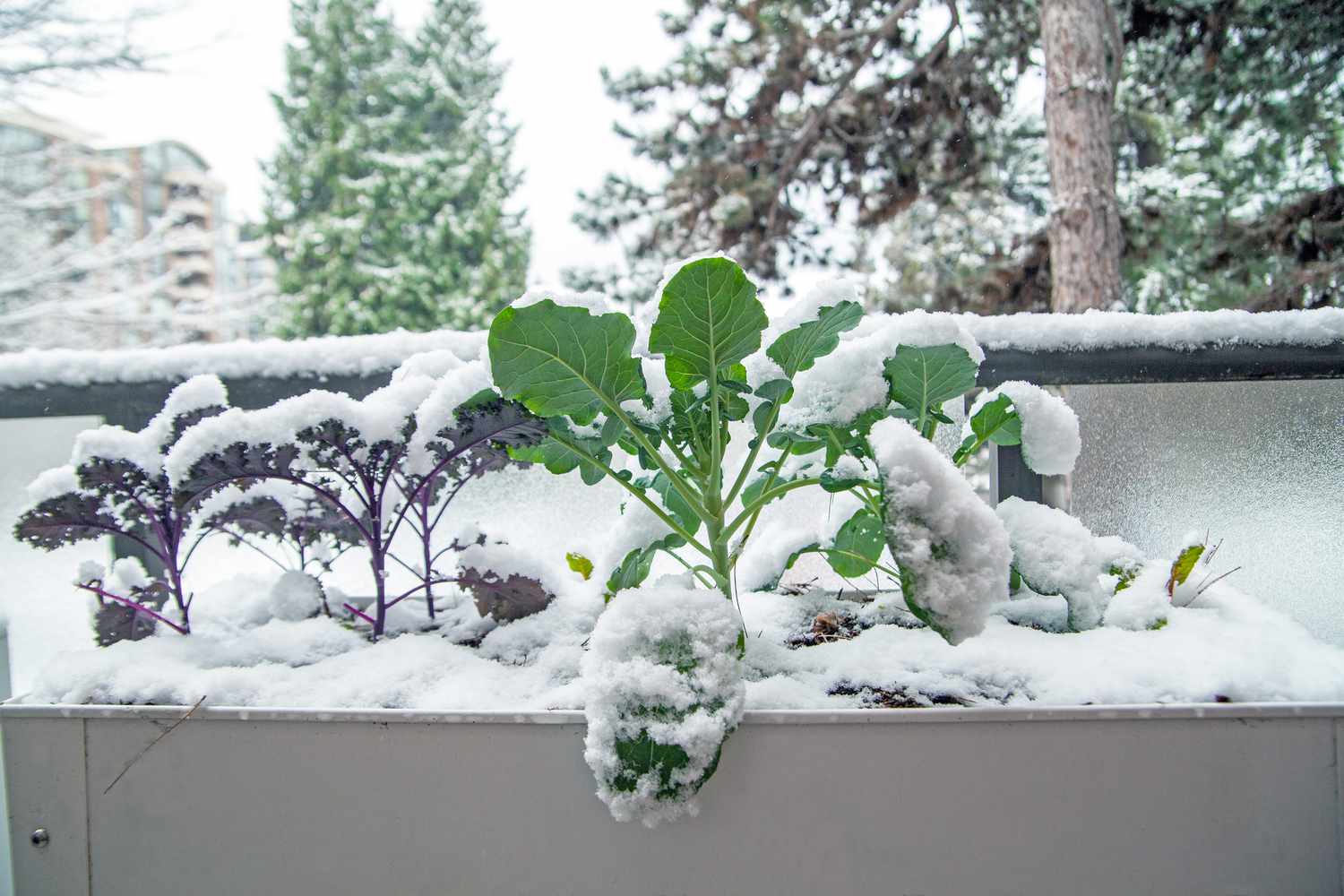
Yes, you can fertilize plants in the winter to support their health and growth. Winter fertilization prevents nutrient deficiencies and prepares them for robust spring growth. Use organic fertilizers for gradual release of nutrients and adjust frequency based on plant response. Recognize plant dormancy and focus on root development during this time. Look for signs like pale leaves indicating hunger for essential nutrients. Remember, fertilizing in winter sets the stage for vibrant growth ahead. Explore further for detailed insights on winter fertilization dos and don’ts, best fertilizers, and tips for ensuring your plants thrive.
Winter Fertilization: An Overview
During the winter months, fertilizing plants is essential to promote growth and prepare them for the upcoming spring season. Winter fertilization plays a crucial role in providing plants with the necessary nutrients they require during their dormant phase. One of the primary reasons for fertilizing plants during winter is to prevent nutrient deficiency, which can lead to stunted growth, yellowing of leaves, and overall poor plant health. By monitoring your plants closely for signs of nutrient deficiency, such as pale leaves or slowed growth, you can determine the appropriate timing and type of fertilizer needed. Organic fertilizers are often preferred during winter feeding as they release nutrients slowly, reducing the risk of root damage caused by harsh chemicals. Adjusting the frequency of fertilization based on how your plants respond is key to avoiding overfeeding, which can be detrimental to their health. Providing essential nutrients in winter sets the foundation for robust growth once spring arrives, ensuring your plants thrive throughout the growing season.
Understanding Plant Growth Cycles
As a gardener, recognizing winter plant dormancy and nutrient uptake changes is crucial for effective fertilization. Understanding how plants transition between growth phases helps you pinpoint the ideal times for providing nutrients during the colder months. Active growth periods signal when plants are most receptive to fertilization, ensuring they receive essential nutrients for sustained health and vigor.
Winter Plant Dormancy
Understanding the natural cycle of winter plant dormancy is crucial for effectively managing plant growth and health throughout the changing seasons. Winter plant dormancy is a period where plants slow down their growth to conserve energy and prepare for the upcoming spring growth cycle. Here are some key points to consider during winter plant dormancy:
- Root Development: Plants shift their focus to root development during dormancy, strengthening their foundation for future growth.
- Nutrient Storage: While actively growing plants need nutrients, during dormancy, plants store essential nutrients in preparation for the next growth phase.
- Light Fertilization: Some plants may exhibit signs of growth during winter, indicating a need for light fertilization to support their limited growth requirements.
Nutrient Uptake Changes
Plants undergo distinct growth cycles that directly impact their nutrient uptake requirements and fertilization needs. Understanding these cycles is crucial for ensuring that plants receive the nutrients they need when they need them. Indoor plants, in particular, rely on caretakers to provide the right balance of fertilizers during different growth stages. During active growth periods, such as the flowering stage, plants have increased nutrient demands to support their development. It’s essential to adjust fertilization schedules accordingly to meet these heightened requirements. Conversely, during rest periods or dormancy, plants may require fewer nutrients, and over-fertilizing can be detrimental. Monitoring plant behavior and growth patterns is key to determining the optimal timing for fertilization. By aligning fertilization practices with the specific growth cycles of plants, you can promote optimal nutrient uptake and overall plant health. Remember, the right nutrients at the right time make a significant difference in the well-being of your indoor plants.
Signs Your Plants Need Fertilizing
If you notice pale or yellow leaves on your plants, this could indicate a nutrient deficiency. Slow growth may also be a sign that your plants are hungry and in need of fertilization. Regularly monitoring your plants’ health and responding promptly to signs of nutrient deficiency are crucial for ensuring optimal growth and overall plant health.
Pale Leaves Indicate Nutrient Deficiency
Observing pale leaves on your plants during winter serves as a crucial indicator of potential nutrient deficiencies, signaling the need for timely fertilization. When leaf discoloration occurs, it’s essential to address the issue promptly to ensure your plants receive the necessary nutrients for optimal growth and health during the colder months. Here are key points to consider:
- Nutrient Absorption: Winter care is crucial for plants to absorb nutrients effectively. Cold temperatures can impact nutrient uptake, leading to deficiencies that manifest as pale leaves.
- Symptom Recognition: Yellowing or fading foliage is a common symptom of nutrient deficiency in plants during winter. Monitoring your plant’s leaf color changes can help you identify when fertilization is needed.
- Timely Intervention: Addressing pale leaves promptly through fertilization supports plant growth and overall well-being during winter. Providing essential nutrients ensures that your plants have the resources they need to thrive despite potential winter nutrient deficiencies.
Slow Growth Signals Hunger
Noticing sluggish growth in your indoor plants can serve as a clear indicator that they are in need of fertilization to replenish essential nutrients for healthy development. During winter feeding, plants may exhibit signs of hunger through slow growth, which is a common signal of nutrient deficiency. To address this, it is crucial to understand plant nutrition and respond promptly to growth signals to ensure optimal health. Regular monitoring of your plants’ health allows you to identify signs of hunger, such as pale or yellow leaves, indicating the need for fertilization.
Implementing best practices for feeding hungry plants can help support their growth and overall well-being. Adjusting the frequency of fertilization based on plant response is key to preventing underfeeding and providing adequate nourishment. Diluting fertilizer to half strength, applying it in the morning, and ensuring proper drainage are effective strategies to meet your plants’ nutritional needs during winter.
| Plant Nutrition | Growth Signals |
|---|---|
| Nutrient deficiency leads to pale or yellow leaves | Slow growth indicates hunger |
| Regular monitoring helps identify signs of hunger | Adjusting fertilization frequency based on plant response is crucial |
| Proper application methods support plant growth | Respond promptly to slow growth signals for optimal health |
Best Fertilizers for Winter Use
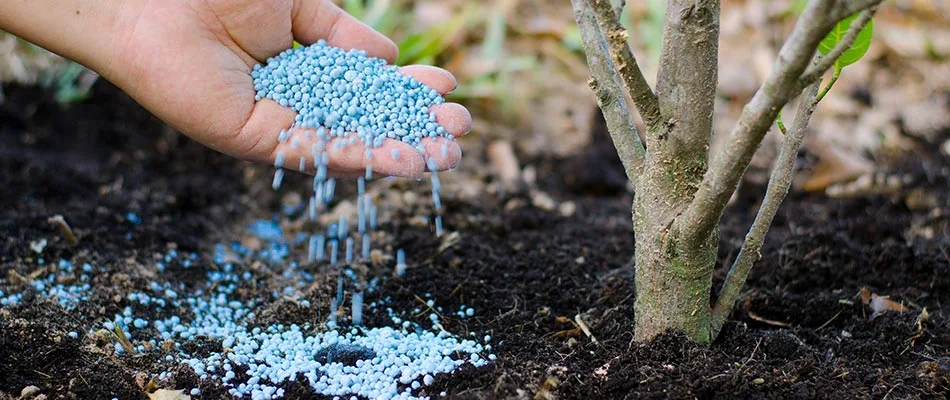
For optimal winter plant care, selecting organic fertilizers like kelp, soybean, and compost-based products is crucial. These fertilizers provide essential nutrients and support plant health during the cold months. Here are the best fertilizers for winter use:
- Kelp Products: Rich in micronutrients, kelp fertilizers are vital for ensuring plant nutrition in winter. They help combat deficiencies and promote overall plant vigor during the colder season.
- Compost-Based Fertilizers: These products introduce beneficial soil microbes that aid in nutrient uptake and enhance plant growth even in low temperatures. They contribute to soil health and long-term plant resilience.
- Soybean and Molasses-Based Fertilizers: Effective options for nourishing plants in winter, these fertilizers provide a balanced mix of nutrients and organic matter, supporting plant growth and development despite the challenging cold weather conditions. Choose clearly labeled organic fertilizers to ensure your plants receive the best care and nutrition during winter.
Dos and Don’ts of Winter Fertilization
To ensure effective winter fertilization practices, it is important to understand the dos and don’ts that will help you maintain plant health and promote growth during the dormant season. When it comes to winter fertilization timing, it is crucial to apply fertilizers before the ground freezes to allow for proper absorption. Maintaining a proper nutrient balance is essential to support plant health during winter, ensuring that plants have the necessary nutrients to thrive. Organic fertilizers are preferred during this period to avoid root damage, as they provide a slow release of nutrients without the risk of burning roots. When fertilizing in winter, it is important to avoid root damage by not applying fertilizers too close to the base of the plant. By following these dos and don’ts of winter fertilization, you can help your plants stay healthy and prepare for robust growth when the growing season resumes.
Adjusting Fertilizer Frequency in Winter
Monitor plant growth during winter to assess the necessity of adjusting the frequency of fertilization based on signs of new growth or nutrient deficiency. It’s crucial to adapt your fertilization schedule to meet the specific needs of your plants during the winter months. Here are some essential tips to consider:
- Winter Fertilization: Timing Tips
- Check for signs of new growth, such as leaf buds or shoots, which indicate that the plant is actively growing and may benefit from additional nutrients.
- Monitor for symptoms of nutrient deficiency, such as yellowing leaves or stunted growth, which may signal the need for fertilization.
- Consider the type of plant you are fertilizing, as some species have different nutrient requirements during the winter months.
Adjusting your fertilizer schedule based on these factors will help ensure that your plants receive the necessary nutrients to thrive during the winter months. Proper winter plant nutrition is essential for maintaining healthy growth and preparing your plants for the upcoming growing season.
Fertilizing Indoor Vs. Outdoor Plants
When comparing the fertilization needs of indoor and outdoor plants, it is important to consider their growth patterns and responses to seasonal changes. Indoor plants typically do not go through true dormancy like outdoor plants, necessitating year-round fertilization during active growth phases. In contrast, outdoor plants in colder regions may enter dormancy in winter, reducing the demand for fertilization during this period.
For indoor plants, consistent and balanced fertilizing methods are crucial to ensure they receive adequate plant nutrition throughout the year. Monitoring growth cues and adjusting fertilization based on active growth phases can help promote healthy development. Outdoor plants, on the other hand, may require less frequent fertilization during winter dormancy to align with their natural growth cycles.
Tailoring proper fertilization practices to the specific needs of indoor and outdoor plants is essential for supporting optimal growth and overall plant health, especially during winter plant care. By understanding the distinct requirements of indoor and outdoor plants, you can effectively manage their fertilization to encourage strong, healthy growth.
Monitoring Plant Response to Fertilizer
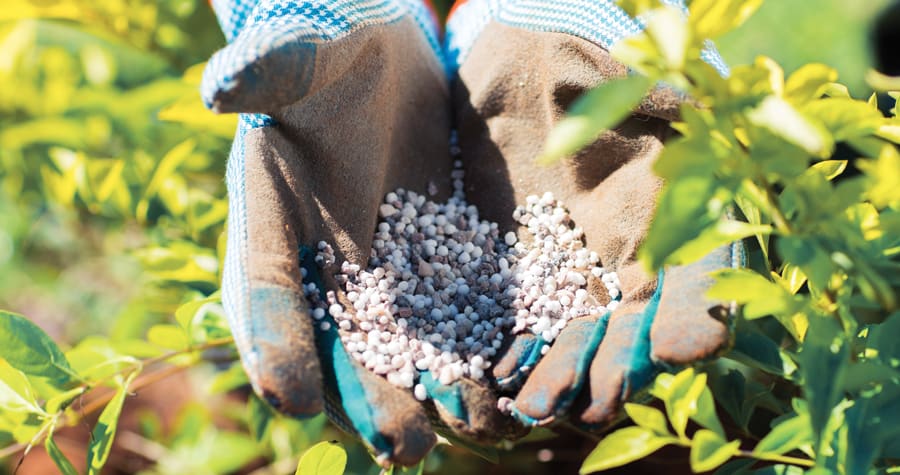
Observing the plant response to fertilizer involves closely monitoring indicators such as improved growth, greener leaves, and increased flowering. To ensure your plants are receiving the right nutrients and responding positively to fertilizer application, pay attention to the following:
- Fertilizer Application: Check for signs of yellowing or wilting leaves, which may indicate overfeeding or nutrient imbalances. Adjust the fertilizer type or concentration accordingly to prevent negative effects on plant health.
- Growth Monitoring: Watch out for stunted growth, burnt leaf tips, or leaf drop post-fertilization. These could be signals of incorrect fertilizer application. Make necessary adjustments in dosage or frequency to promote healthy growth.
- Nutrient Deficiency: Tracking changes in plant health and growth is crucial in identifying nutrient deficiencies. If you notice any signs of nutrient deficiency, consider modifying the feeding regimen to ensure your plants receive the required nutrients for optimal health and development.
Winter Fertilization Tips for Success
To enhance the growth and health of your plants during the winter season, it is crucial to implement effective fertilization strategies. When fertilizing in winter, consider adjusting your watering routine to prevent nutrient leaching. It is essential to water your plants less frequently but deeply to avoid waterlogging the soil and ensure proper absorption of nutrients.
Additionally, pay attention to light requirements as shorter days and weaker sunlight can impact plant growth. Consider moving your plants to sunnier spots or supplementing with grow lights to provide adequate light levels for photosynthesis.
Moreover, check your soil pH before fertilizing as it influences nutrient availability. Most houseplants prefer slightly acidic to neutral soil pH. Use fertilizers that won’t drastically alter the pH, or amend the soil accordingly to create an optimal environment for nutrient uptake.