

Yes, owls, especially species like the Great Horned Owl, do eat squirrels. Their exceptional vision and silent flight help them hunt squirrels on the ground or in nests, using sharp talons to capture their prey. Baby squirrels are particularly vulnerable. Owls’ predation on squirrels plays a crucial role in maintaining ecological balance. Their efficient hunting tactics and preference for the vulnerable make them formidable predators in the natural world.
Owl Predation on Squirrels
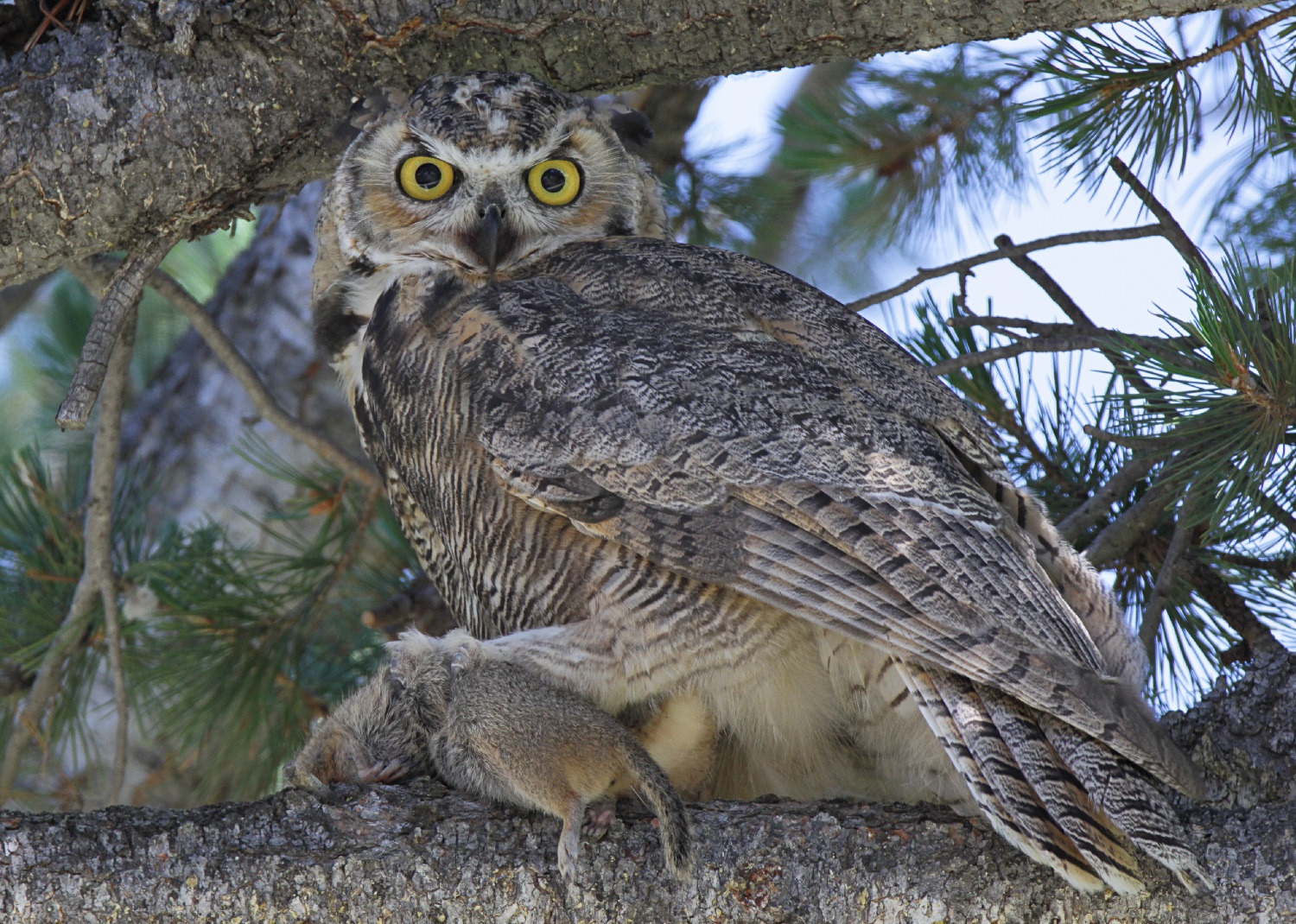
Great Horned Owls, a species of owl belonging to the owl family, are known predators of squirrels, often showcasing their hunting prowess by preying on these small mammals, including baby squirrels. Owls rely on their exceptional vision and silent flight to surprise their prey. Squirrels, vulnerable to owl predation when on the ground or in nests, can fall victim to these skilled hunters. Once an owl captures a squirrel, it uses its sharp talons to pin the prey down before consuming it. Baby squirrels are particularly susceptible to owl attacks due to their small size and vulnerability, making them easier targets for predation. Observing owls hunting and consuming squirrels provides valuable insights into the intricate predator-prey dynamics within ecosystems, highlighting the essential role that owls play in controlling squirrel populations and maintaining ecological balance.
Squirrel Prey for Owls
Owls, particularly species like the Great Horned Owl, view squirrels as viable prey, especially targeting baby squirrels due to their susceptibility and size. When an owl spots a squirrel, especially a young one, it must log several factors before deciding to strike. Here’s why squirrels make convenient prey for owls:
- Vulnerability on the ground or in exposed areas increases the chances of owl predation.
- Owls use their sharp talons to pin squirrels to the ground, incapacitating them.
- Baby squirrels, being smaller and less agile, are easier targets for owls.
- The size of squirrels, particularly babies, makes them suitable prey for various owl species.
- Owl predation on squirrels plays a crucial role in maintaining the balance of predator-prey dynamics in ecosystems.
Owl Hunting Techniques
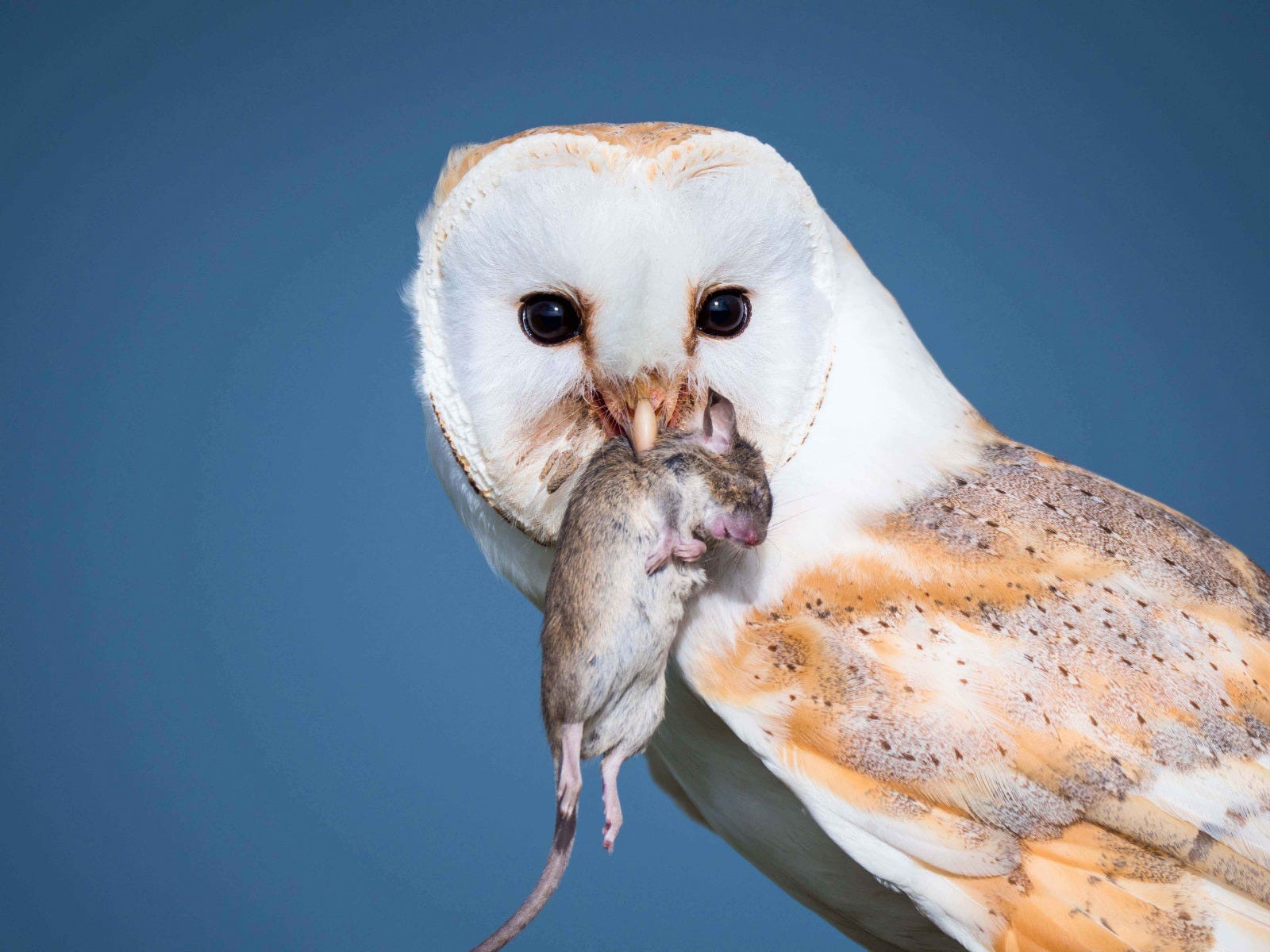
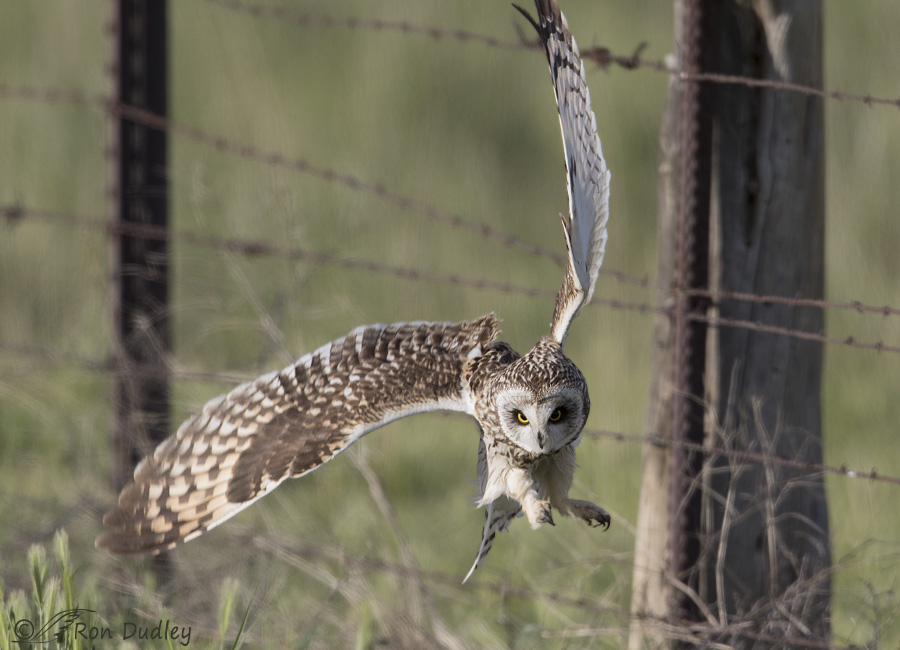
Utilizing their sharp talons and keen eyesight, owls employ stealth and precision in their hunting techniques to capture squirrels efficiently in their natural habitat. Owls’ stealth tactics are crucial for their success in capturing squirrels. They rely on their ability to approach silently, aided by their specialized feathers that reduce noise during flight. Once within striking distance, owls swiftly swoop down, using their sharp talons to pin squirrels to the ground. This squirrel capture technique is particularly effective against smaller or less experienced squirrels, which are easier targets due to their size and agility.
Furthermore, owls are adept nighttime hunters, taking advantage of the darkness when squirrels are inactive and vulnerable. Their keen eyesight allows them to navigate through the night with ease, spotting potential prey from a distance. By combining their silent flight with precise strikes, owls can surprise squirrels before they have a chance to escape. Overall, the combination of stealth tactics, squirrel capture techniques, and nighttime hunting strategies makes owls formidable predators in the hunt for squirrels.
Squirrel Vulnerability to Owls
Squirrels, due to their ground-dwelling nature and limited defenses, are particularly vulnerable to owl predation. Owls, with their sharp talons and silent flight, pose a significant threat to squirrels, especially the more vulnerable young ones. Here’s a closer look at the squirrel vulnerability analysis and the impact of owl predation:
- Ground-dwelling Nature: Squirrels spend much of their time on the ground foraging for food, making them more exposed to aerial predators like owls.
- Limited Defenses: Squirrels lack effective means of defense against owls, as they cannot fly and have minimal protection mechanisms.
- Owl Predation Impact: Owls use their talons to pin squirrels to the ground, making it easier for them to catch and consume their prey.
- Baby Squirrel Survival Strategies: Young squirrels, being less agile and experienced, are prime targets for owl predation, leading to lower survival rates among the juvenile population.
- Natural Predator-Prey Relationship: The hunting behavior of owls targeting squirrels is a natural part of the ecosystem’s balance, where predators play a crucial role in regulating prey populations.
Baby Squirrels as Prey

During their nesting season, baby squirrels serve as vulnerable and preferred prey for owls due to their smaller size and limited defenses. Owl competition for food sources drives them to target these young squirrels, which are easier to catch and consume than adult squirrels. Squirrel parenting strategies, such as creating nests high in trees, aim to protect their offspring; however, owls’ hunting behavior often overcomes these defenses. Owls may pin baby squirrels to the ground before feeding on them, showcasing their predatory skills. This predation has an impact on the squirrel population and ecosystem balance, as it regulates squirrel numbers and contributes to the food chain dynamics. Despite squirrel defense mechanisms like agility and tree-climbing abilities, they remain susceptible to owl attacks during their early stages of life. Understanding the interaction between owls and baby squirrels is crucial for comprehending the intricate web of relationships in the natural world.
Owl’s Ground Capture Skills
Owls demonstrate remarkable proficiency in utilizing their powerful talons to immobilize and capture squirrels on the ground for consumption. This hunting strategy showcases the predator-prey dynamics between owls and squirrels. The owl’s ground capture skills are a result of their adeptness at grasping and pinning squirrels with precision.
- Owls employ their powerful talons to secure squirrels on the ground.
- Ground capture is a common predatory behavior observed in owls.
- Owls rely on swift and precise movements to catch and subdue squirrels.
- This hunting strategy highlights the interaction between predator and prey in the ecosystem.
- Squirrels may try to evade capture through quick movements but often fall prey to the owl’s expertise in ground immobilization.
The owl’s ability to swiftly and effectively capture squirrels on the ground showcases their hunting prowess and illustrates the intricate predator-prey dynamics at play in the wild.
Squirrel Diet in Owl Ecosystem
How crucial is the role of squirrels in the diet of owls within their ecosystem? Squirrels play a vital part in the owl’s diet, as they are a preferred prey species due to their abundance and behavior. Squirrels are known to exhibit cautious behavior, especially when foraging on the ground, making them vulnerable to owl predation in open habitats within the owl’s habitat range. This prey selection by owls influences squirrel populations and contributes to maintaining ecological balance within the ecosystem. The hunting behavior of owls targeting squirrels is a significant factor in the natural food chain dynamics, where owls rely on squirrels as a primary food source. In areas where owls and squirrels coexist, squirrels form a substantial portion of the owl’s diet, highlighting the importance of this prey species in the owl ecosystem. Understanding the relationship between squirrels and owls sheds light on the intricate balance of predator-prey dynamics in nature.
Owl Efficiency in Hunting Squirrels
With their silent flight and sharp talons, owls efficiently hunt squirrels in their natural habitats. When it comes to owl hunting strategies, they exhibit remarkable tactics that make them successful predators of squirrels. Squirrel behavior plays a crucial role in their vulnerability to owl predation, especially baby squirrels, which are easier targets for owls. The nocturnal predation dynamics favor owls, allowing them to catch squirrels when they are less alert and active during the night. Owls make use of their strong beaks not only to capture but also to pin squirrels to the ground before consuming them. This method showcases the efficiency with which owls hunt squirrels and highlights the significance of squirrels in the diet of many owl species. Owls’ ability to adapt their hunting strategies to target squirrels demonstrates their effectiveness as skilled nocturnal predators.
Owls and Small Rodents

When considering the dietary habits of owls, their consumption of small rodents, such as squirrels, is a significant aspect of their natural feeding behavior. Owls are known for their efficient hunting skills when it comes to small rodents like squirrels. This feeding behavior is crucial, especially during the owls’ reproductive cycle. During nesting season, owls rely on small rodents to provide the necessary nutrients for their young. The relationship between owls and small rodents is intricate, as the owls’ hunting prowess directly impacts their reproductive success.
Owls exhibit specific nesting habits that coincide with their feeding behavior. Nesting in secluded areas allows owls to be closer to their prey, ensuring a steady supply of small rodents for themselves and their offspring. The reproductive cycle of owls is intricately linked to their feeding habits, with the availability of small rodents playing a vital role in the survival of owl chicks. Understanding the connection between owls and small rodents provides insight into the delicate balance of predator-prey interactions in the natural world.
Squirrels in the Owl Food Chain
Squirrels play a crucial role in the owl food chain as a primary source of prey for various owl species. These small rodents exhibit behaviors such as agile climbing and quick movements, making them a challenging yet rewarding target for owls. In owl habitats, where trees and open spaces intermingle, squirrels are easily accessible to these nocturnal hunters. Owls, with their predatory instincts finely tuned, capitalize on squirrels’ vulnerability on the ground, often pinning them down before consumption. Great Horned Owls, known for their strength and adaptability, are particularly fond of including squirrels in their diet, especially targeting baby squirrels for easier capture. The interaction between owls and squirrels not only sheds light on the intricacies of predator-prey relationships but also highlights the essential role these creatures play in maintaining the natural balance of wildlife interactions in nature.
Owl’s Prey Preference

Owls, particularly the Great Horned Owls, exhibit a clear prey preference for squirrels as a significant component of their diet. This preference is influenced by both squirrel behavior and owl predation patterns. Squirrels, being diurnal animals, are active during the day when owls are resting, making them vulnerable to nocturnal predators like owls. Owls, being skilled hunters, take advantage of this behavior to hunt squirrels mainly during the night when they are most active. Additionally, the habitat of owls, often wooded areas where squirrels are abundant, facilitates this prey preference. The predation patterns of owls also play a role, as their silent flight and sharp talons allow them to ambush and capture squirrels efficiently. Baby squirrels, in particular, are easier targets due to their smaller size and vulnerability, making them a preferred prey for owls. Overall, the predation preference of owls for squirrels serves to regulate squirrel populations in their ecosystems.
Predation Dynamics: Owls Vs. Squirrels
In the intricate ecosystem dynamics between owls and squirrels, the predation patterns of owls significantly impact squirrel populations.
- Predator avoidance: Squirrels have developed various predator avoidance strategies to evade owls, such as staying vigilant, seeking refuge in trees, and relying on their agility to escape.
- Ecological balance: The predation of squirrels by owls plays a crucial role in maintaining ecological balance by controlling squirrel populations, which in turn affects vegetation and other species in the ecosystem.
- Survival strategies: Squirrels exhibit survival strategies like creating complex burrow systems to protect themselves and their offspring from owl attacks.
- Impact on squirrel populations: The pressure from owl predation can lead to fluctuations in squirrel populations, influencing the overall ecosystem dynamics.
- Natural predator-prey dynamics: The interaction between owls and squirrels exemplifies the intricate dance of predator and prey in nature, highlighting the essential role of predation in ecosystem health.
Owls as Squirrel Predators
When considering the role of owls in the ecosystem, their predatory behavior towards squirrels is a significant aspect to analyze. Owls, especially Great Horned Owls, are skilled squirrel predators, often targeting vulnerable baby squirrels due to their smaller size. These nocturnal hunters have the upper hand over diurnal squirrels, making those on the ground or in exposed areas more susceptible to predation. Squirrels have developed various escape tactics to avoid falling victim to owls, such as quickly climbing trees or seeking refuge in dens. Owl hunting territories often overlap with squirrel habitats, increasing the chances of encounters between these predators and prey. Squirrel predator avoidance mechanisms are crucial for their survival, as owls play a vital role in controlling squirrel populations within ecosystems.
| Squirrel Escape Tactics | Owl Hunting Territories | Squirrel Predator Avoidance |
|---|---|---|
| Climbing trees quickly | Overlapping habitats | Vigilant behavior |
| Seeking refuge in dens | Hunting at night | Rapid response to danger |
| Acrobatic maneuvers | Strategic perching spots | Enhanced camouflage techniques |

Squirrel Population Impact
The impact of owl predation on squirrel populations is a crucial factor in regulating ecosystem dynamics. When considering the squirrel population impact, it becomes evident that owl predation plays a significant role in population regulation and ecosystem balance. Here are some key points to consider:
- Population regulation: Owls preying on squirrels help control squirrel populations, preventing overpopulation.
- Predation impact: The presence of owls as predators influences squirrel population dynamics through predation and natural selection.
- Ecosystem balance: Squirrel numbers may decrease in areas with high owl predation pressure, maintaining a balanced ecosystem.
- Biodiversity conservation: The predatory behavior of owls on squirrels contributes to biodiversity conservation by preventing one species from dominating.
- Wildlife management: Understanding the relationship between owls and squirrels is crucial for effective wildlife management strategies to ensure sustainable population sizes for both species.
Natural Food Source: Owls and Squirrels
Owls, particularly Great Horned Owls, incorporate squirrels as a natural food source within their diet, showcasing a predator-prey relationship in the ecosystem. When it comes to nesting behavior, squirrels are particularly vulnerable to owl predation, especially when they are inactive or nesting in trees. Owls, known for their nocturnal activity, have evolved prey detection mechanisms that make them efficient squirrel hunters. They can catch and consume squirrels, with a preference for young or vulnerable individuals. This predatory relationship between owls and squirrels offers valuable insights into the dynamics of predator-prey interactions in the natural world.
The ability of owls to feed on squirrels highlights the intricate balance of the food chain, where predators play a crucial role in regulating prey populations. By preying on squirrels, owls help maintain the overall health and balance of the ecosystem. Studying how owls interact with squirrels sheds light on the strategies these birds employ for hunting and survival in their natural habitats.