

Embark on a journey through Colorado’s owl kingdom. Witness the majestic Barn Owl with its heart-shaped face. Discover the Burrowing Owl’s diurnal habits in prairie dog towns. Listen to the Flammulated Owl’s unique hooting calls at night. Encounter the dominant Great Horned Owl, a hunter of small mammals. Spot the secretive Northern Pygmy-Owl in mountain regions. Explore the charming Long-eared Owl blending in with branches. Marvel at the flight of the Short-eared Owl over grasslands. Stay tuned to uncover the cryptic Boreal Owl’s nest site secrets and the Northern Saw-whet Owl’s nocturnal melodies.
1. Barn Owl
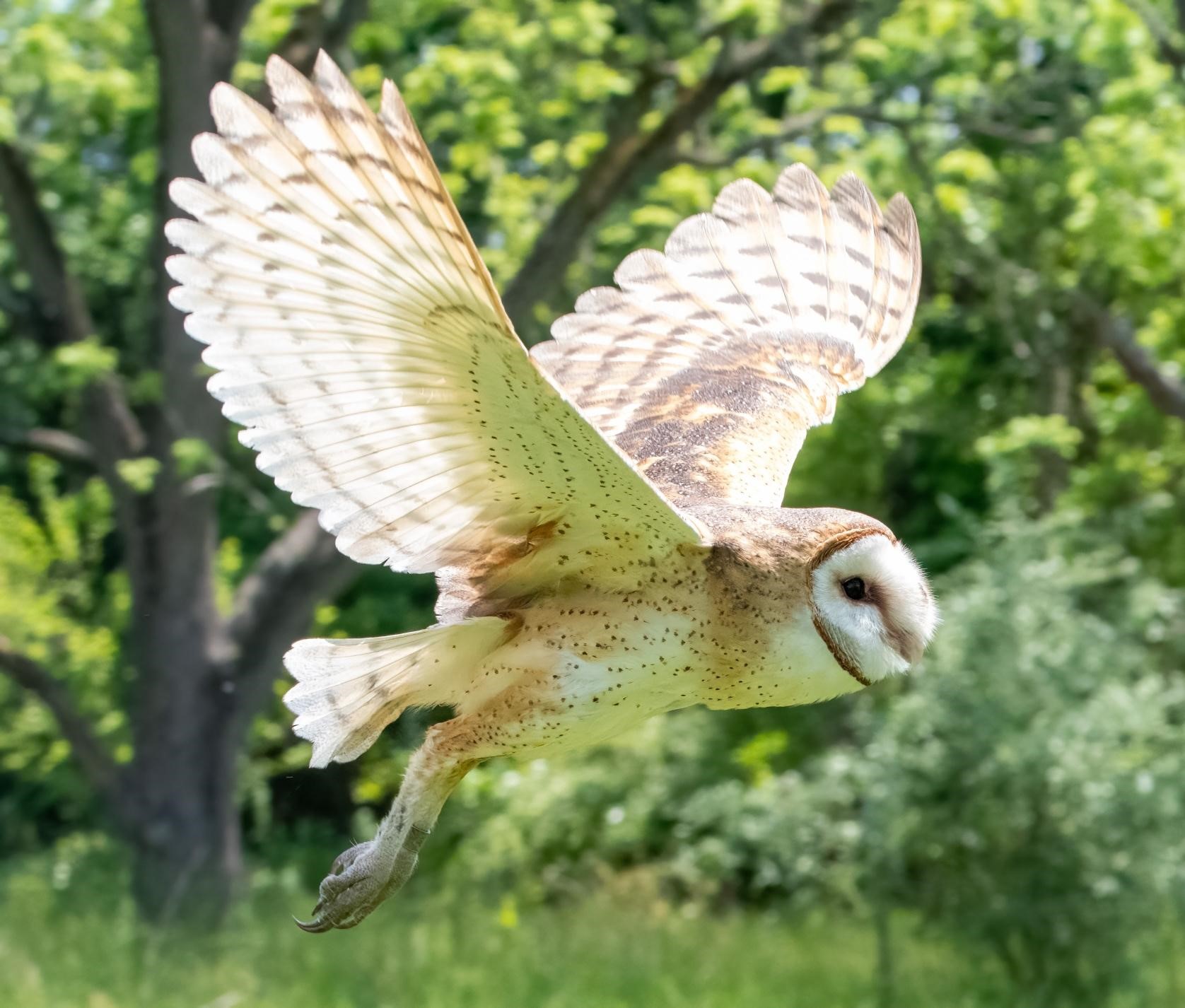
Nesting primarily in barns, attics, and abandoned buildings, the Barn Owl is the sole species from the Tytonidae family found in Colorado. With their distinctive heart-shaped faces and downward-facing bills resembling noses, these owls are easily recognizable. The Barn Owl’s exceptional hunting skills make them essential for controlling rodent populations in their habitat. Due to their vulnerability to habitat loss and human activities, conservation efforts are crucial for protecting these magnificent birds in Colorado.
Barn owls are efficient hunters, relying on their keen senses of sight and sound to locate prey such as mice and voles. Their silent flight allows them to surprise their victims with stealth. By keeping rodent populations in check, barn owls play a vital role in maintaining ecological balance. Conservation efforts, including preserving nesting sites and minimizing human disturbance, are essential to ensure the continued presence of these beneficial predators in Colorado’s ecosystem.
2. Burrowing Owl

The Burrowing Owl, a threatened species in Colorado, is known for its unique habitat preference of living in prairie dog towns. These diurnal and ground-dwelling owls are distinct for their behavior of digging their own burrows for shelter instead of nesting in tree cavities like many other owl species. During the winter, Burrowing Owls migrate to Mexico and the southwestern United States, returning to Colorado for nesting in the warmer months.
Their diverse diet includes insects and small mammals, making them adept hunters with a varied choice of food sources. This adaptability allows them to thrive in different environments, showcasing their resilience as a species. Observing Burrowing Owls in their natural habitat presents a fascinating opportunity to witness their unique nesting habits and foraging behaviors up close.
3. Flammulated Owl
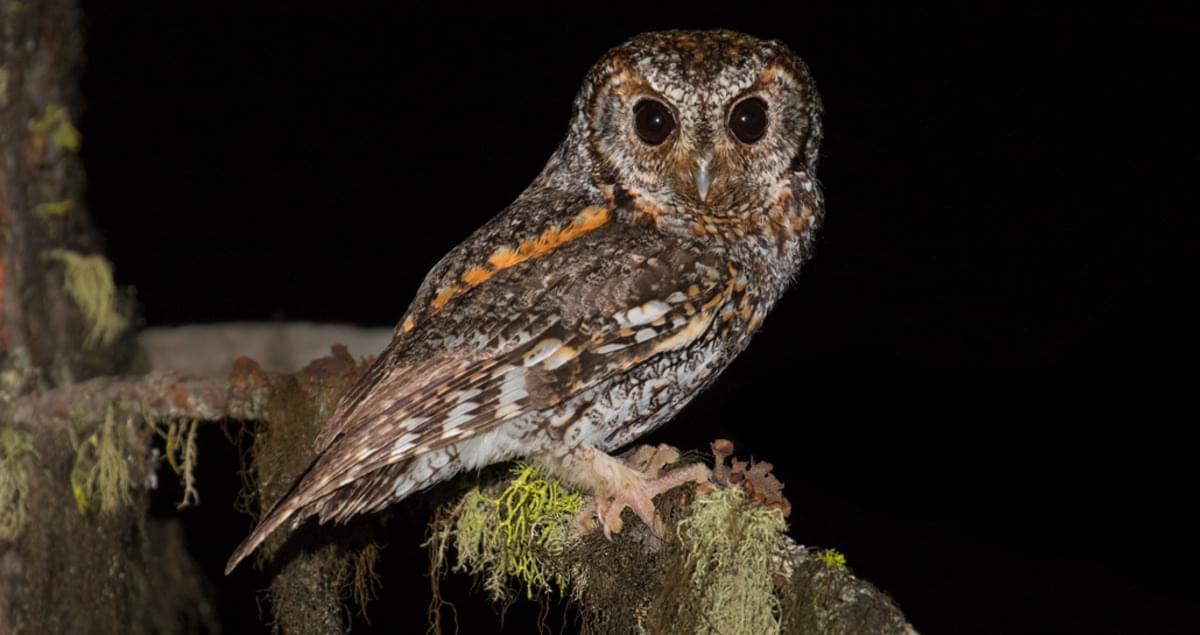
Measuring around 6.5 to 7.5 inches in length, the Flammulated Owl is the smallest owl species found in Colorado. These small owl species are expert nighttime hunters, known for their distinct hoots resembling the sound of a bouncing ball. Here are some key facts about Flammulated Owls:
- Flammulated Owls are nocturnal creatures, making them adept at hunting in the dark.
- Their unique hooting calls help distinguish them in the mountainous regions of Colorado.
- These owls have excellent camouflage skills, blending seamlessly with tree trunks to avoid predators.
- Flammulated Owls play a crucial role in the ecosystem by preying on insects, thus aiding in pest control.
Observing Flammulated Owls in their natural habitat showcases their remarkable adaptations for survival and their essential contribution to the balance of their ecosystem.
4. Great Horned Owl
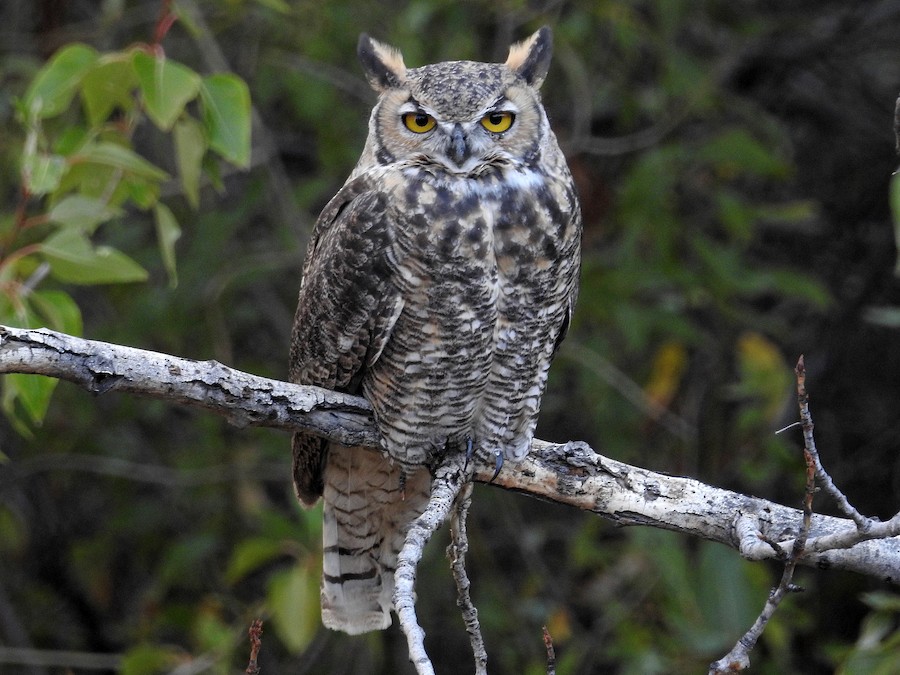
A prominent feature of the Great Horned Owl in Colorado is its impressive size, being the largest and most prevalent owl species in the region. Weighing between 1200 to 1600 grams, these owls are known for their distinctive plumicorn tufts on their heads, often mistaken for horns. Great Horned Owls exhibit a diverse diet, preying on cottontail rabbits, snakes, voles, and skunks, showcasing their adaptability and hunting prowess. Their wingspan, ranging from 91 to 153cm, allows them to efficiently navigate various habitats like suburban, urban, and forest areas throughout Colorado.
These owls play a crucial role in maintaining ecological balance by controlling populations of small mammals and pests. Their presence in Colorado signifies a healthy ecosystem, as they are top predators in their food chain. The Great Horned Owl’s ability to thrive in different environments and their varied diet make them a vital species in the Colorado wildlife landscape.
5. Northern Pygmy-Owl

Weighing between 50 to 70 grams, the Northern Pygmy-Owl, scientifically known as Glaucidium gnoma, is a small diurnal owl species commonly found in the foothills and mountains of Colorado.
- Diurnal Hunters: Northern Pygmy-Owls are active during the daytime, unlike many owl species, allowing them to hunt while the sun is up.
- Prey Preference: These owls primarily feed on small birds and mammals, showcasing their predatory nature and hunting skills.
- Nesting Habits: They nest in abandoned woodpecker holes, utilizing these natural structures for shelter and breeding purposes.
- Distinctive Call: Males of the Northern Pygmy-Owl species have a rhythmic call that aids in communication and territorial defense, helping them maintain their territories and attract mates effectively.
The Northern Pygmy-Owl’s unique characteristics, including its diurnal hunting behavior, choice of prey, nesting habits, and distinctive calls, contribute to its significance in the diverse owl population of Colorado.
6. Eastern Screech-Owl

The Eastern Screech-Owl, scientifically known as Megascops asio, is a small owl species found in Colorado with a notable adaptability to urban environments. Measuring between 16 to 25cm in length, these owls have a wingspan ranging from 46 to 61cm and weigh approximately 121 to 244g, making them relatively light compared to other owl species. Eastern Screech-Owls exhibit diverse feeding habits, preying on small mammals, insects, reptiles, birds, and even fruits. This varied diet showcases their ability to adapt to different food sources based on availability.
One remarkable trait of the Eastern Screech-Owl is its ability to thrive in urban areas, often nesting in hollow tree trunks within city limits. Despite their adaptability to urban environments, these owls remain primarily solitary, forming pairs only during the breeding season. This species displays monogamous behavior during the breeding period, highlighting their commitment to their partners in the wild.
7. Western Screech-Owl
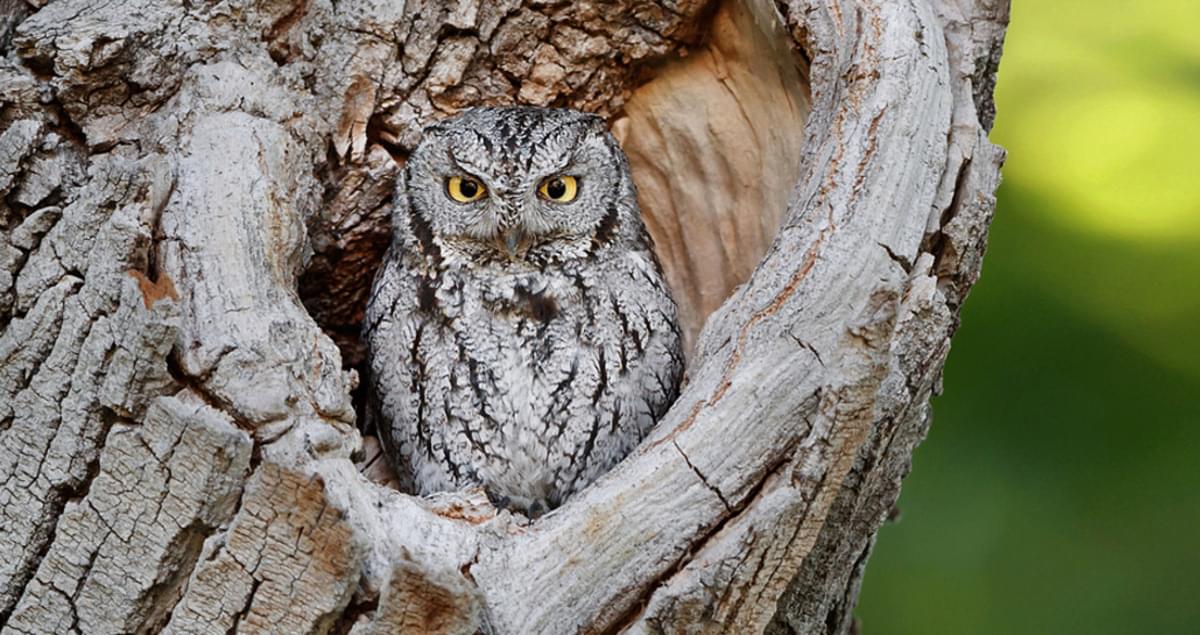
Found in the western regions of North America, the Western Screech-Owl, scientifically known as Megascops kennicottii, is a small owl species that displays remarkable characteristics in its natural habitat. These owls are known for nesting in tree cavities or woodpecker holes, providing them with shelter and protection. Western Screech-Owls have a diverse diet that includes insects, small mammals, birds, and reptiles, showcasing their opportunistic feeding behavior. As nocturnal hunters, they rely on their camouflaged plumage to blend in with their surroundings while actively seeking prey during the night.
- Western Screech-Owl
- Tree cavities
- Nocturnal hunters
- Conservation efforts
Conservation efforts play a vital role in safeguarding the Western Screech-Owl population and their habitats in Colorado. By preserving their nesting sites and ensuring the availability of prey, we can contribute to the protection of these fascinating nocturnal hunters.
8. Snowy Owl
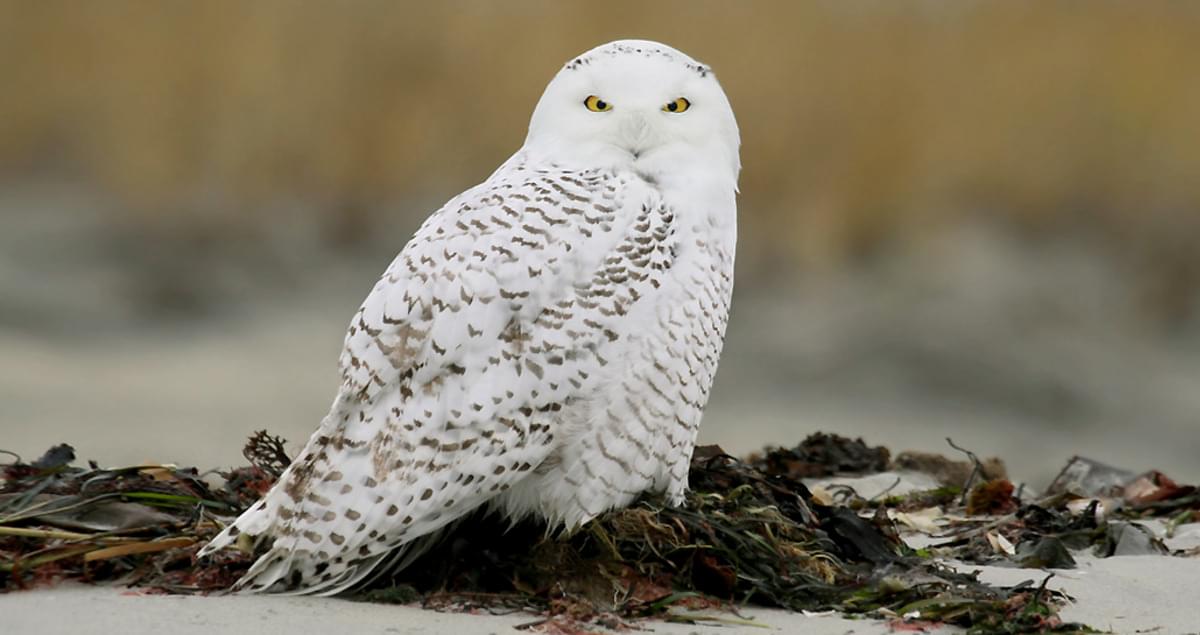
Snowy Owls, with their distinctive white plumage for Arctic camouflage, are remarkable avian predators known for their presence in Canada, Alaska, and on rare occasions, Colorado. These majestic birds were even observed in Westminster, Colorado, during the winter of 2017-2018. Snowy Owls are recognized for their striking appearance and impressive hunting skills. However, despite their resilience to harsh Arctic conditions, Snowy Owls face threats due to habitat loss and climate change, leading to their vulnerable conservation status.
In Colorado, Snowy Owls are a rare sight, mainly due to their preference for Arctic environments. The state’s landscape and climate are not typically conducive to supporting large populations of Snowy Owls. As a result, conservation efforts are crucial to protecting these magnificent birds, especially as they navigate through changing habitats and face increasing challenges in their traditional territories. By understanding and addressing the impacts of habitat loss and climate change, conservationists can work towards safeguarding the future of Snowy Owls not only in Colorado but also across their entire range.
9. Spotted Owl

Inhabiting forests and canyon areas of Colorado, the Mexican Spotted Owl is a species known for nesting on cliff ledges and canyon walls. This particular owl species, a threatened species in Colorado, faces challenges due to habitat loss and disturbances. Here are some key points about the Spotted Owl:
- Species Identification: The Spotted Owl found in Colorado is specifically the Mexican Spotted Owl, known for its distinct spotted plumage and dark eyes.
- Habitat Preference: These owls prefer mature forests with dense canopy cover and rugged canyon areas where they can find suitable nesting sites.
- Conservation Status: The Mexican Spotted Owl is listed as a threatened species in Colorado, highlighting the importance of conservation efforts to protect their populations.
- Ecological Role: As predators, Spotted Owls play a crucial role in maintaining the balance of prey populations, contributing to the overall health of forest ecosystems in Colorado.
10. Long-eared Owl

The Long-eared Owl, a species distinct for its exceptional camouflage and winter presence in Colorado, is known for its distinctive long ear tufts that are not actually ears. These tufts, more accurately referred to as plumicorns, play a role in communication and camouflage rather than hearing. Long-eared Owls are masters of blending in with their surroundings, often perching on tree branches where their mottled plumage mimics the textures of bark, providing them with effective concealment from predators and prey alike. In Colorado, these elusive owls primarily hunt small mammals such as mice and voles, using their keen eyesight and silent flight to ambush their unsuspecting prey. While not as commonly observed as some other owl species in the region, the Long-eared Owl’s presence in Colorado’s Western Slope during the winter months adds to the rich tapestry of avian diversity found in the state.
11. Short-eared Owl
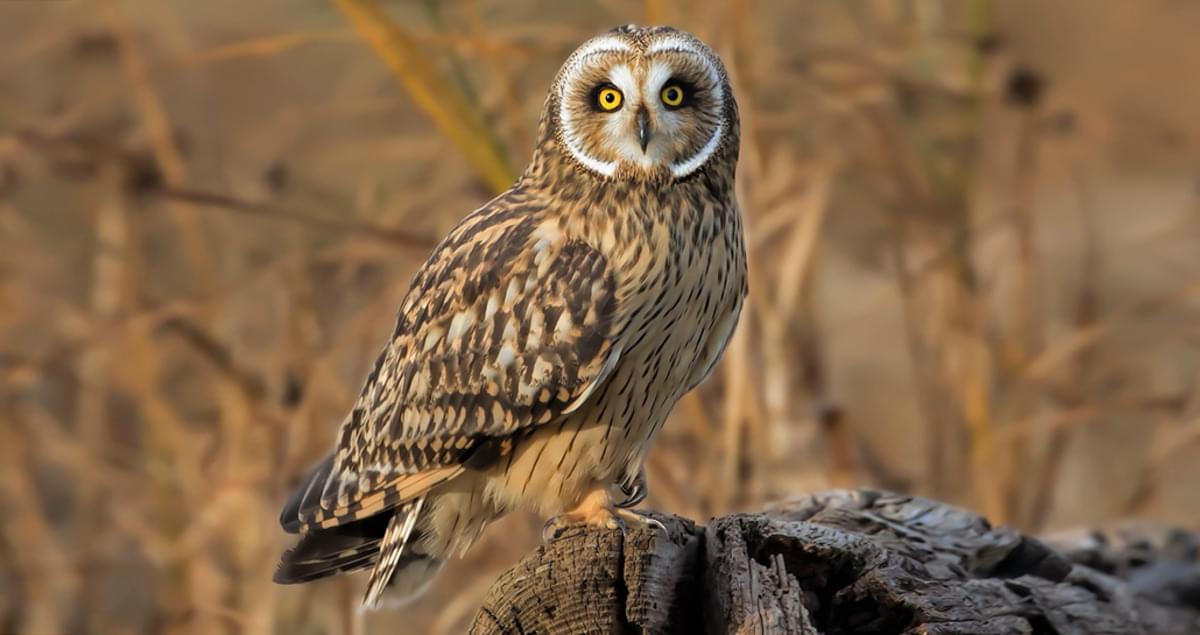
Short-eared Owls, recognized for their distinctive ear tufts and yellow eyes, are medium-sized raptors found in various habitats across North America.
- Short-eared Owls have a wingspan of approximately 85-103cm and weigh between 206-475g.
- These owls primarily feed on small mammals like voles and mice, and they are known for their distinctive facial disk markings.
- Their breeding season typically occurs from March to July, and they can be found in open grasslands, marshes, and tundra habitats.
- Short-eared Owls are known for their buoyant, moth-like flight patterns, and their hooting calls are often described as soft, raspy barks.
Observing Short-eared Owls in their natural habitat can be a rewarding experience, especially if you catch a glimpse of their elegant flight and hear their unique vocalizations. Their ability to hunt small mammals with precision showcases their remarkable predatory skills. If you ever find yourself near open grasslands or marshes, keep an eye out for these fascinating owls with their striking yellow eyes and distinctive appearance.
12. Boreal Owl
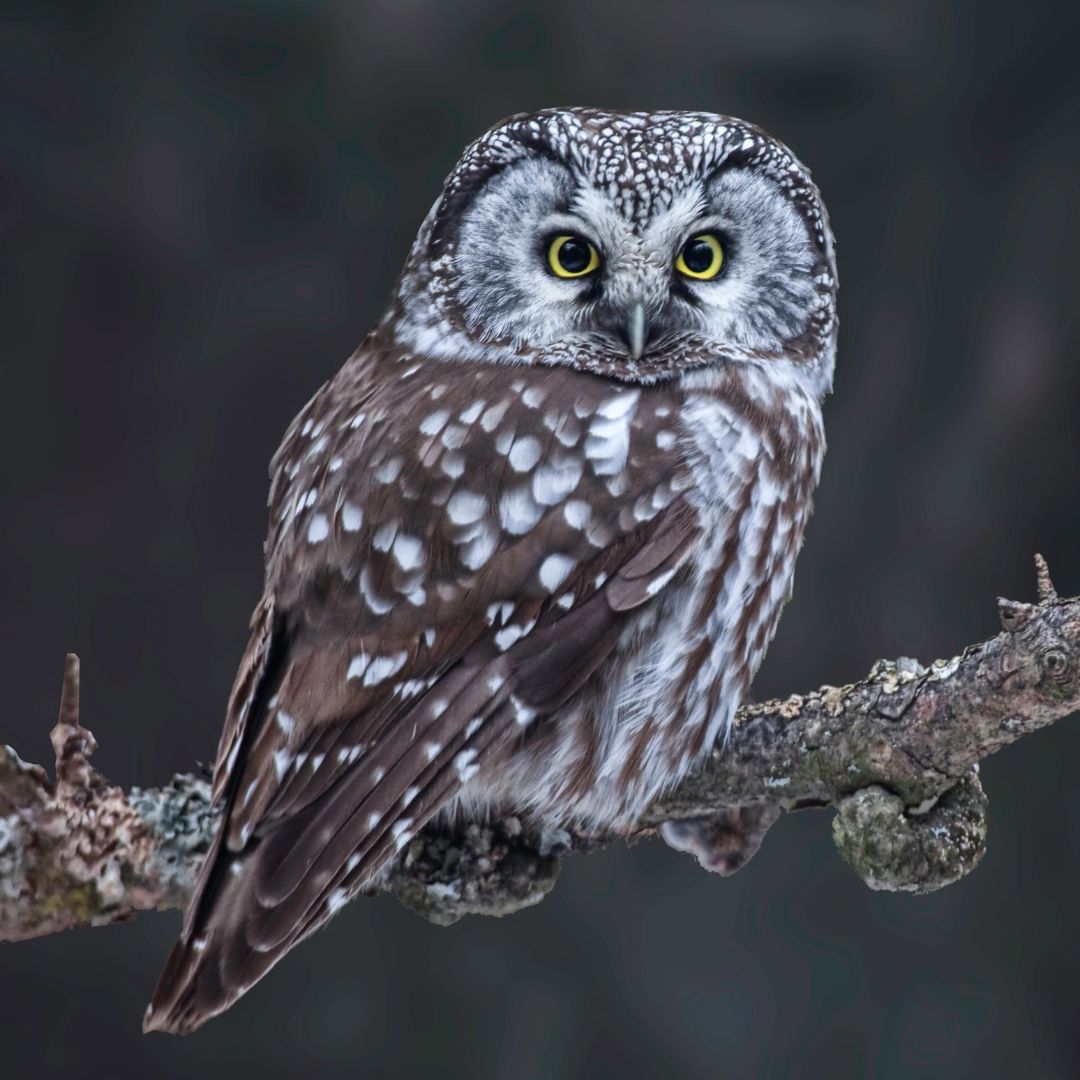
Found in Colorado’s central mountains year-round, the Boreal Owl is a species that nests in tree cavities or abandoned woodpecker holes. These small, secretive owls primarily feed on small mammals such as voles and mice. With their cryptic plumage, Boreal Owls blend seamlessly into their forest habitats, making them challenging to spot despite their presence.
In Colorado, conservation efforts play a crucial role in protecting the Boreal Owl population. Due to their reliance on specific nesting sites like tree cavities, habitat preservation is essential for their survival. By safeguarding these areas and ensuring the availability of prey species, conservationists can help maintain a stable population of these elusive birds in the region.
If you ever find yourself in the central mountains of Colorado, keep an eye out for the Boreal Owl’s distinctive call and watch for any signs of their presence in the trees. Observing these fascinating creatures in their natural habitat can be a rewarding experience for any bird enthusiast.
13. Northern Saw-whet Owl
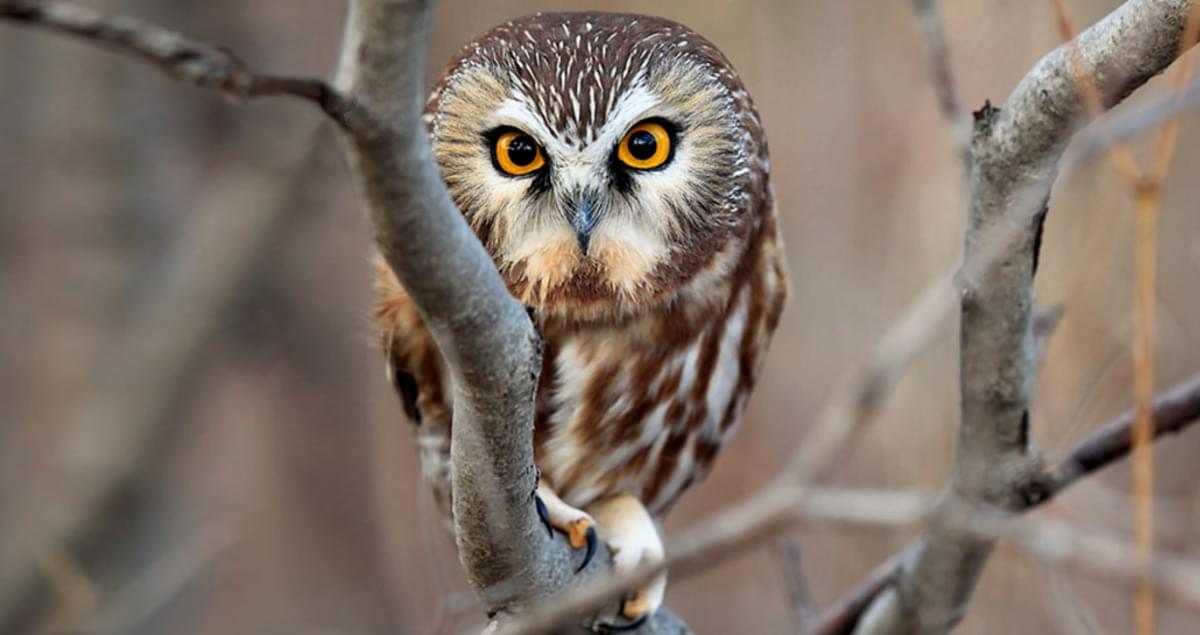
When observing the Northern Saw-whet Owl in the Colorado mountains, its distinctive call resembling a repetitive tooting or whistling can often be heard echoing through the night. These nocturnal hunters are fascinating creatures with unique characteristics:
- Habitat: The Northern Saw-whet Owl is found in the Colorado mountains, where it nests in tree cavities and sometimes utilizes nest boxes.
- Diet: Their primary food source consists of small mammals like mice and voles, making them essential for controlling rodent populations in their habitat.
- Hunting Behavior: As nocturnal hunters, Northern Saw-whet Owls rely on their exceptional hearing to locate prey in the dark, showcasing their adaptability to the night environment.
- Distinctive Call: The owl’s call, which sounds like a repetitive tooting or whistling, serves multiple purposes including territorial communication and mate attraction. Its unique vocalization adds to the allure of encountering these elusive birds in the Colorado wilderness.