

Birds can enjoy blueberries as a nutritious addition to their diet. Blueberries contain essential vitamins, antioxidants, and fiber that support bird health. They provide quick energy and are safe for consumption by various bird species, including cardinals. You can serve fresh or frozen blueberries in a shallow dish or platform feeder. Mixing them with other fruits can attract more birds and offer dietary variety. Ensure the berries are free of added sugars or preservatives. By offering blueberries to your feathered friends, you’re providing them with a safe and nutritious treat that contributes to their overall wellness.
Blueberries: Nutrient-Packed Bird Treat

Blueberries serve as a nutrient-packed bird treat that offers essential vitamins and antioxidants for avian health and energy. Birds, like cardinals, find blueberries appealing due to their soft texture, small size, and ease of consumption. These fruits are rich in vital nutrients such as vitamins C and K, fiber, antioxidants, and natural sugars, providing quick energy for our feathered friends. Serving fresh or frozen (thawed) blueberries, free of pesticides, can attract a diverse range of bird species to your yard. Furthermore, planting blueberry bushes in your garden not only adds beauty but also serves as a natural way to entice birds while offering them a reliable food source. To enhance the dietary variety of visiting birds, consider mixing blueberries with other bird-friendly fruits and seeds like sunflower and safflower. This blend can contribute to a well-rounded diet, ensuring the health and vitality of the avian visitors to your outdoor space.
Blueberries: Dietary Benefits for Birds
When considering the dietary benefits of blueberries for birds, it is essential to recognize their nutritional value and appeal to various avian species. Blueberries, categorized as fresh fruit, are a safe and nutritious option for feeding birds, including cardinals. They are soft, small, and packed with essential nutrients like vitamins C and K, fiber, and antioxidants. Offering fresh or frozen (thawed) blueberries to birds can provide natural sugars for quick energy and contribute to their overall health. To attract cardinals, consider growing blueberry bushes in your garden, regularly offering blueberries in feeders, and mixing blueberries with other bird-friendly fruits. Remember to maintain cleanliness, avoid added sugars or preservatives, wash the berries to remove potential pesticides, and serve an adequate amount for the day to prevent unwanted wildlife visits. By implementing these precautions and providing blueberries as part of a varied diet, you can ensure that cardinals and other birds enjoy this nutritious treat safely.

Blueberries for Healthier Pet Birds
To enhance the health of your pet birds, incorporating blueberries into their diet can provide essential nutrients and promote overall well-being. Blueberries are a safe and nutritious fruit for your feathered friends, packed with vitamins C and K, fiber, and antioxidants. These nutrients play a crucial role in supporting the health of your pet birds, contributing to their vibrant plumage, strong immune system, and overall vitality.
Consider the following table showcasing the nutritional benefits of blueberries for your pet birds:
| Nutrient | Function | Benefits |
|---|---|---|
| Vitamin C | Immune support | Helps fight off infections and illnesses |
| Fiber | Digestive health | Aids in digestion and prevents constipation |
| Antioxidants | Cell protection | Protects cells from damage and aging |
Including blueberries in your feathered friends’ diet can be a simple yet effective way to keep them healthy and happy.
Serving Blueberries to Pet Birds
Consider incorporating blueberries into your pet birds’ diet as a nutritious and safe option, providing essential vitamins and antioxidants for their overall health. Blueberries are not only safe for your feathered friends, but they also offer a range of health benefits. Here’s how you can serve blueberries to your pet birds effectively:
- Offer fresh or frozen (thawed) blueberries in a shallow dish or platform feeder for easy consumption.
- Mix blueberries with other bird-friendly fruits to provide variety and attract a wider range of birds to feed.
- Growing blueberry bushes in your garden can help attract wild birds and establish a reliable fruit source for them.
- Ensure that the blueberries you serve are fresh or frozen without added sugars or preservatives, and maintain cleanliness in the feeding area to prevent unwanted wildlife visits.
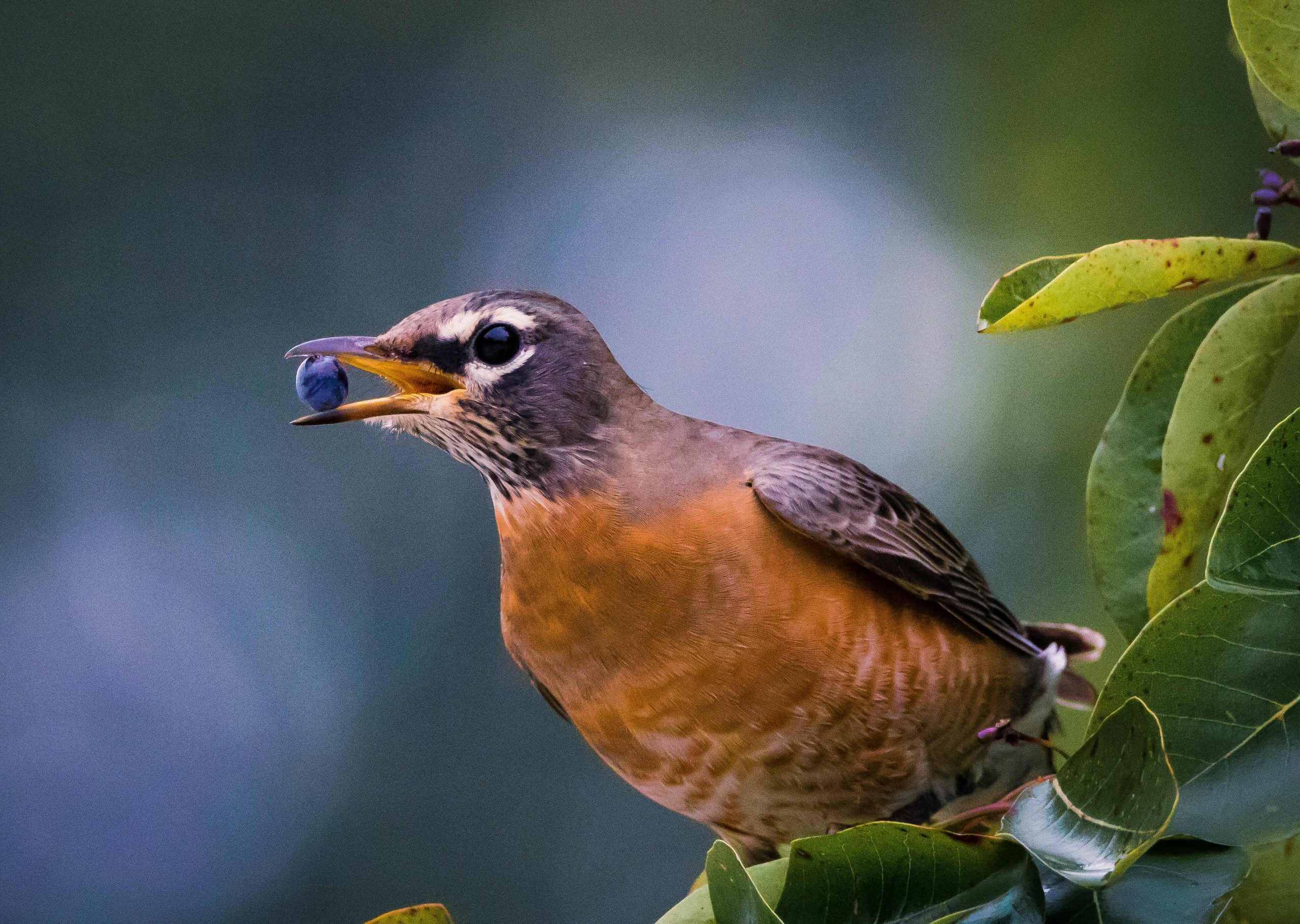
Blueberries: Preferred Bird Snack
Blueberries serve as a favored snack among many bird species due to their small size, soft texture, and nutrient-rich composition. Birds are known to enjoy fruits, and blueberries are a particularly popular choice due to their high content of vitamins C and K, fiber, antioxidants, and natural sugars. Cardinals, in specific, find blueberries to be a quick energy source and a beneficial addition to their diet. To attract birds like cardinals to your yard, consider serving fresh or frozen blueberries in a shallow dish or platform feeder. Additionally, planting blueberry bushes in your garden can provide birds with a natural food source while enhancing the biodiversity of your outdoor space.
| Nutrient Content | Vitamin C, Vitamin K, Fiber, Antioxidants, Natural Sugars |
|---|---|
| Bird Preference | Cardinals particularly enjoy blueberries as a snack |
| Feeding Method | Serve fresh or frozen blueberries in a shallow dish |
| Attracting Birds | Plant blueberry bushes to attract birds to your garden |
| Nutritional Benefits | Blueberries offer birds a nutritious and tasty option |
| Biodiversity Promotion | Blueberry bushes enhance the diversity of bird diets |
Blueberries: Safe Bird Food Option
Birds, including cardinals, benefit from consuming safe and nutritious blueberries as part of their diet. Blueberries serve as an excellent food source for bird species due to their nutritional value and ease of consumption. Here are some key points to consider:
- Blueberries are safe and nutritious, providing vitamins, fiber, and antioxidants essential for bird health.
- Cardinals find it easy to consume soft and small blueberries, obtaining natural sugars for quick energy.
- It is recommended to offer fresh or frozen (thawed) blueberries to birds, ensuring cleanliness and pesticide-free options.
- Blueberries can be presented in a shallow dish or platform feeder, either alone or mixed with other bird-friendly fruits to add variety to their diet.
Blueberries: Choking Hazard Prevention
To ensure the safety of birds while consuming blueberries, it is crucial to cut the fruit into small, manageable pieces to prevent choking hazards. Birds, especially smaller species, may struggle to eat large blueberries whole, increasing the risk of choking. By cutting blueberries into quarters or halves, you can make them easier for birds to consume without the danger of obstruction. It is best to avoid offering whole blueberries to birds to minimize the potential choking hazard. Adequately sized blueberry pieces not only help in preventing choking but also allow birds to safely enjoy this nutritious treat. Remember, when preparing blueberries for your feathered friends, prioritize their well-being by ensuring the fruit is cut into appropriate sizes to prevent any harm while they indulge in this tasty snack. By taking this simple precaution, you can make blueberries a safe and enjoyable addition to your bird’s diet.
Blueberries: Engaging Bird Treat
When considering the engagement of birds with blueberries as a treat, their natural attraction to the fruit’s sweetness and nutritional benefits becomes evident. Blueberries serve as an engaging bird treat due to their safety, nutrition, and appeal to various bird species, particularly cardinals.
- Nutritional Benefits: Blueberries offer vitamins, fiber, and antioxidants, making them a healthy option for birds like cardinals.
- Ease of Consumption: Cardinals can easily consume soft and small blueberries, providing them with natural sugars for quick energy.
- Attractiveness: Serving fresh or frozen blueberries in a shallow dish or platform feeder can effectively attract cardinals to your yard.
- Variety: Mixing blueberries with other bird-friendly fruits such as raspberries and currants can increase the overall interest of birds in your feeding area.
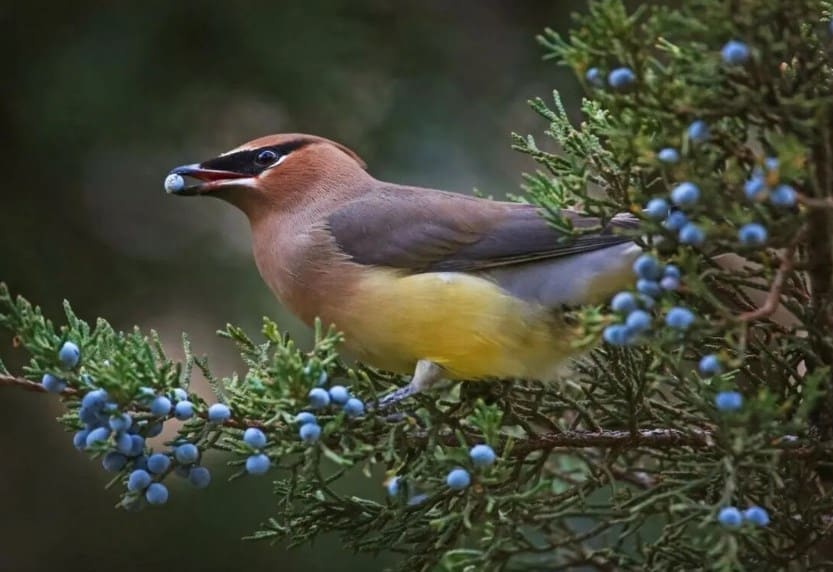
Blueberries: Promoting Bird Wellness
Blueberries contribute significantly to enhancing the wellness of cardinals and other bird species due to their safety, nutritional composition, and attraction properties. Blueberries are safe and nutritious, providing essential vitamins, fiber, and antioxidants for birds like cardinals. These small fruits are easy for cardinals to consume, offering natural sugars for quick energy. By offering fresh or thawed blueberries in a shallow dish or feeder, you can attract cardinals and promote their overall health. Additionally, planting blueberry bushes in your garden can provide cardinals with a natural food source while attracting them to your yard. Remember to ensure that the blueberries are clean, pesticide-free, and served in appropriate portions to keep your feathered visitors healthy and satisfied.
| Benefits of Blueberries for Birds | |||
|---|---|---|---|
| Nutrient-Rich | Easy to Consume | Attracts Birds | Promotes Health |
| Essential vitamins and antioxidants support bird health | Soft texture is ideal for birds like cardinals | Natural attraction for various bird species | Contributes to overall wellness of birds |
Blueberries: Bird Diet Variety
Bird diet variety can be significantly enhanced by incorporating blueberries due to their nutritional benefits and attractiveness to various bird species. Blueberries are safe and nutritious for birds, providing essential vitamins, fiber, and antioxidants. Cardinals and other bird species enjoy blueberries for their small size and easy consumption. Offering fresh or frozen blueberries in feeders can attract a variety of birds to your yard. Blueberries can be served in a shallow dish or platform feeder alongside other bird-friendly fruits. Growing blueberry bushes in your garden can create a natural food source that attracts birds like cardinals.
- Blueberries are safe and nutritious for birds, providing essential vitamins, fiber, and antioxidants.
- Cardinals and other bird species enjoy blueberries for their small size and easy consumption.
- Offering fresh or frozen blueberries in feeders can attract a variety of birds to your yard.
- Blueberries can be served in a shallow dish or platform feeder alongside other bird-friendly fruits.
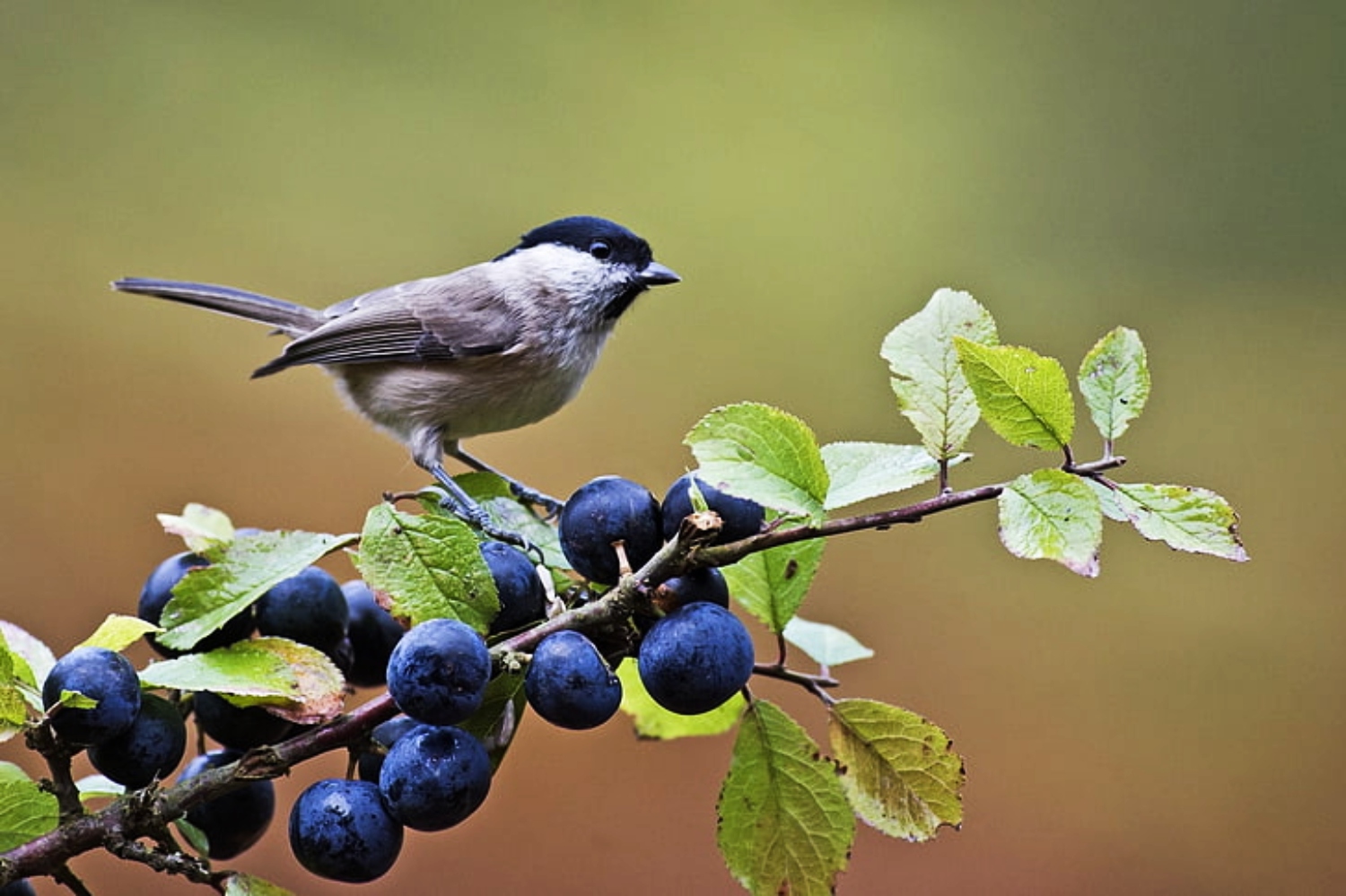
Blueberries: Bird-Friendly Nutrients
Rich in essential nutrients, these small, soft blueberries are a valuable addition to a bird’s diet. Packed with vitamins C and K, fiber, and antioxidants, blueberries offer a nutritious boost for our feathered friends. The natural sugars found in blueberries provide birds with quick energy, making them an excellent choice for bird feeders. Not only are blueberries safe for consumption, but they also attract birds like cardinals, enriching their diet with essential nutrients.
Whether served fresh or frozen, blueberries can entice birds to feeders, encouraging them to explore new food sources and diversify their nutritional intake. Additionally, growing blueberry bushes in your garden can provide birds with a natural foraging opportunity, as they are drawn to these nutrient-rich berries. By incorporating blueberries into a bird-friendly environment, you are not only supporting their health but also enhancing their feeding experience.
Blueberries: Bird Feeding Guidelines
To ensure optimal bird feeding practices, consider incorporating blueberries into your bird feeder setup. Blueberries are safe and nutritious for birds, including cardinals, providing essential vitamins, fiber, and antioxidants. When serving blueberries to birds, fresh or thawed ones can be placed in shallow dishes or platform feeders to attract species like cardinals. Additionally, having blueberry bushes in your garden can also entice birds and offer them a natural food source. Mixing blueberries with other bird-friendly fruits can help create a diverse and healthy diet for the feathered visitors in your yard. Remember to provide clean, pesticide-free blueberries in moderation to attract and benefit birds like cardinals. By following these bird feeding guidelines and incorporating blueberries, you can create an inviting environment for various bird species to enjoy a nutritious treat.
Blueberries: Pet Bird Enjoyment
When considering the enjoyment of pet birds, it is important to note that blueberries offer a safe and nutritious treat rich in essential vitamins, fiber, and antioxidants. Pet birds find the soft texture and small size of blueberries appealing, making them easy to eat and digest. These berries provide a natural source of sugars that can offer quick energy, contributing to the overall health and vitality of your feathered friend. Blueberries are notably high in vitamin C, a crucial nutrient for birds to maintain their immune system and overall well-being. Serving fresh or frozen (thawed) blueberries ensures a tasty and healthy snack for your pet bird. For added variety and to attract more birds, consider mixing blueberries with other bird-friendly fruits. By including blueberries in your pet bird’s diet, you are offering a flavorful and beneficial treat that they are sure to enjoy.

Blueberries for Lively Birds
Blueberries serve as a vibrant source of nutrition for energetic birds like cardinals, offering essential vitamins and antioxidants that contribute to their overall health. When considering incorporating blueberries into the diet of lively birds, there are several benefits to keep in mind:
- Nutrient-rich: Blueberries are packed with vitamins, fiber, and antioxidants that can help maintain the health of cardinals.
- Quick energy: Cardinals can easily consume soft and small blueberries, providing them with a rapid energy boost.
- Attractive feeding method: Serving fresh or frozen blueberries in a shallow dish or platform feeder can effectively draw cardinals to your yard.
- Diet variety: Mixing blueberries with other bird-friendly fruits can offer a diverse group of birds a balanced diet rich in essential nutrients.
Blueberries: Bird Nutrition Boost
Birds can benefit from the nutritional boost provided by incorporating blueberries into their diet. Blueberries offer a variety of essential nutrients such as vitamins C and K, fiber, and antioxidants, making them a valuable addition to a bird’s nutritional intake. These fruits contain high water content, aiding in hydration for birds, and their natural sugars provide quick energy, which is beneficial, especially during active periods. Additionally, blueberries are easy for birds to consume due to their small size and soft texture.
To showcase the nutritional value of blueberries for birds, consider the following table:
| Nutrient | Benefit | Source |
|---|---|---|
| Vitamin C | Boosts immune system and overall health | Blueberries |
| Fiber | Aids in digestion and promotes gut health | Blueberries |
| Antioxidants | Help protect cells from damage and reduce inflammation | Blueberries |
Including blueberries in a mix of other bird-friendly fruits not only provides variety but also attracts a diverse range of birds to your yard, enhancing your birdwatching experience.