
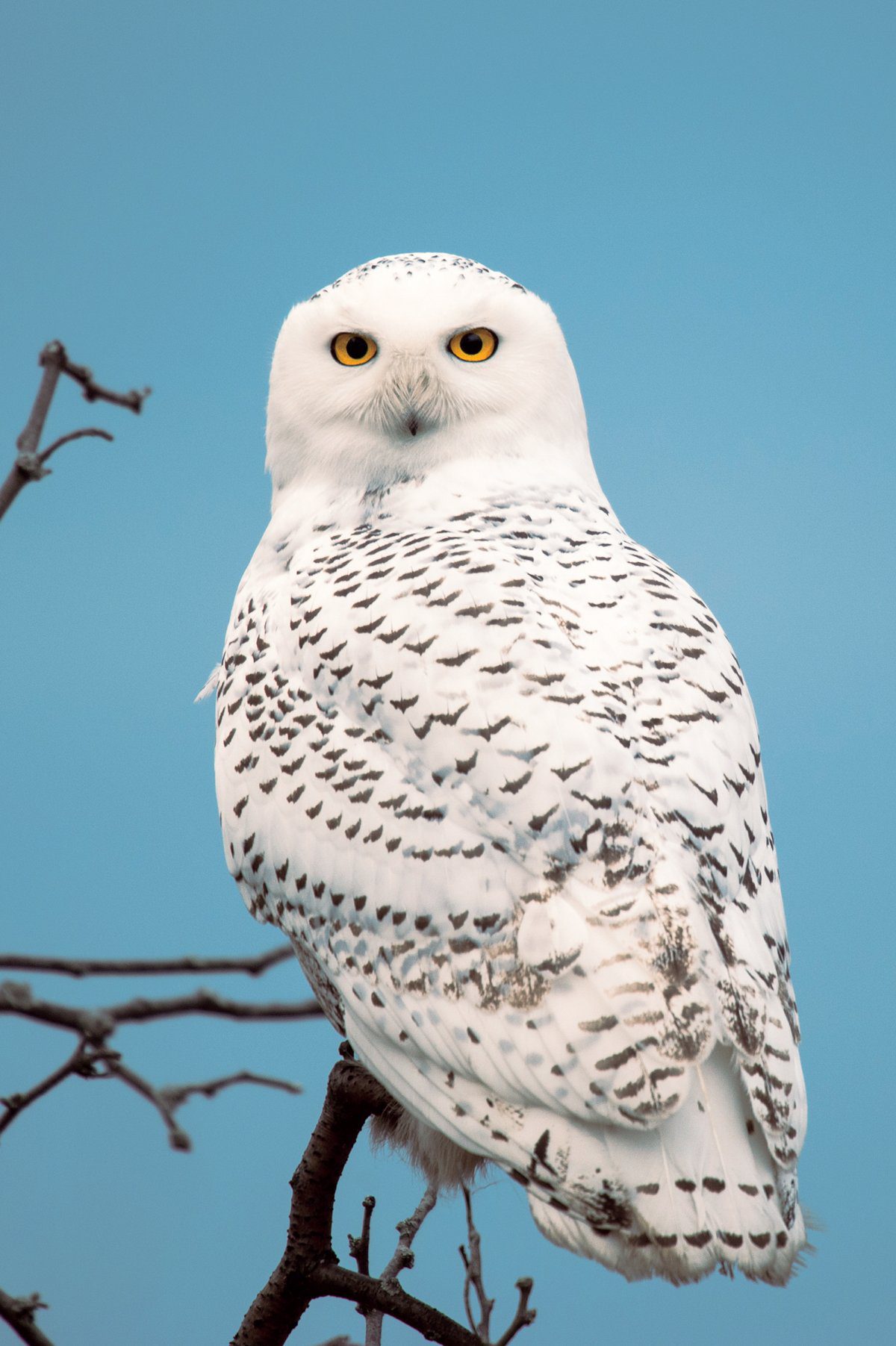
Yes, some owl species do come out during the day. Diurnal owl species, like the Little Owl or Snowy Owl, actively hunt in daylight hours. They adjust their schedules to take advantage of increased visibility. You might spot them perched on structures scanning for prey or actively hunting earthworms in the daytime. These owls have unique adaptations allowing them to thrive in bright environments. This daytime activity showcases their ability to navigate and hunt proficiently during the day, showcasing fascinating behavioral differences among owl species.
Diurnal Owl Species
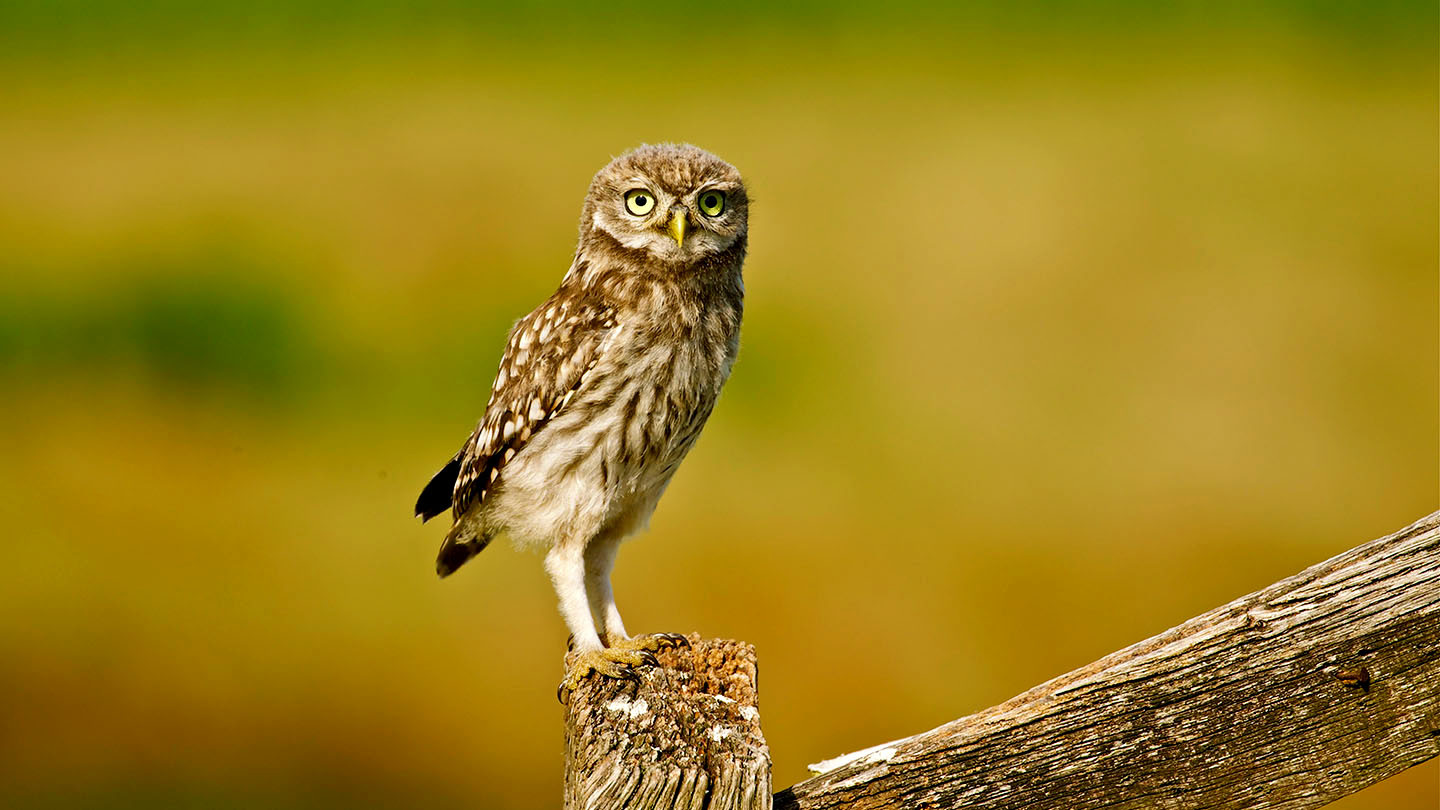
Little Owls, among the diurnal owl species, are known to actively hunt during the day, exhibiting increased daytime activity compared to their nocturnal counterparts. These diurnal creatures adjust their hunting schedules to the daylight hours, making them more visible in bright sunlight rather than just at dawn or dusk. Little Owls, categorized as diurnal owls, display distinct behaviors during the day, especially noticeable during breeding seasons. You can often spot these diurnal owl species perched on barn roofs or actively hunting for earthworms in fields, a behavior not commonly associated with owls. Unlike their nocturnal relatives, diurnal owl species like the Little Owl showcase a unique adaptation to the daytime environment, showcasing increased daytime activity and hunting habits. This distinction sets them apart from the typical nighttime habits of most owls and provides a fascinating insight into the diverse behaviors exhibited by these birds of prey.
Snowy Owl Behavior

Snowy owls, known for their striking white plumage, exhibit diurnal hunting behavior, actively pursuing prey during the day in their Arctic habitats. These diurnal animals utilize the extended daylight hours of the Arctic summer to hunt small mammals and birds. Their white feathers not only provide camouflage against the snowy landscape but also aid in capturing prey during daylight. While primarily diurnal hunters, snowy owls may also hunt at night, especially during the breeding season when they need to provide food for their young.
The behavior of snowy owls is intricately linked to the high Arctic summer light conditions, influencing their hunting patterns and activity levels. Their ability to hunt during the day sets them apart from many other owl species and showcases their adaptability to varying environmental factors. Observing snowy owls in their natural habitat provides valuable insights into the unique behaviors of these majestic birds, especially during the extended daylight hours of the Arctic summer.
Burrowing Owl Habits

In their diurnal habits, Burrowing Owls exhibit unique behaviors that distinguish them from strictly nocturnal owl species. Unlike their nocturnal counterparts, burrowing owls are active during the day, engaging in various activities such as hunting, feeding, and socializing in daylight hours. These owls have adapted to diurnal behavior, which sets them apart from most other owl species. One fascinating aspect of burrowing owl habits is their tendency to sunbathe and preen during the day, taking advantage of the sunlight to groom and maintain their feathers. Observations have shown that burrowing owls are also quite social during daylight, interacting with other owls in their vicinity. Their diurnal lifestyle is not only intriguing but also essential for their survival, as it allows them to hunt efficiently and navigate their unique habitat. Overall, the diurnal behaviors of burrowing owls showcase their adaptability and distinctive characteristics within the owl family.
Owl Activity Patterns
During their active periods, owls typically exhibit distinctive activity patterns that align with their nocturnal nature. Some owl species, like the Little Owl, can be active during the day, especially during breeding seasons or when hunting opportunities arise. Here are some behaviors that daytime owl activity may include:
- Daytime Hunting: Certain owl species may actively hunt during daylight hours, taking advantage of prey availability.
- Visible Perching: Daytime owls might be observed perching in visible locations, scanning their surroundings for potential prey.
- Territorial/Breeding Activities: Owls can engage in territorial displays or breeding activities during the day, establishing and defending their territories.
Owls occasionally emerge during the day due to disturbances, mobbing by other birds, or being flushed from their roosts. Although diurnal owl sightings are less common, species like the Little Owl demonstrate daytime activity patterns, particularly in bright sunshine or when hunting earthworms.

Daylight Hunting Adaptations
Owls that engage in daytime hunting exhibit specific adaptations to optimize their success in capturing prey under daylight conditions. Unlike their strictly nocturnal counterparts, these diurnal hunters have evolved unique traits to thrive in the brightness of day. For instance, their eyes are equipped with a higher density of cone cells, allowing for enhanced color vision and improved depth perception, which are advantageous when hunting in well-lit environments. Additionally, their facial discs, specialized feather structures designed to funnel sound to their ears, aid in pinpointing the exact location of prey amidst daytime noises.
Furthermore, owls that hunt during the day often have lighter-colored plumage compared to their nocturnal relatives. This adaptation serves to camouflage them better against the bright sky, helping them blend seamlessly into their surroundings while on the hunt. These daylight hunting adaptations showcase the remarkable flexibility and versatility of owls, enabling them to capitalize on opportunities presented by varying light conditions to secure their next meal.
Owl Competition Avoidance
To reduce competition with diurnal bird species for resources, some owls may strategically adjust their activity patterns. By primarily hunting and foraging under the cover of darkness, owls have evolved to minimize conflicts with diurnal birds and optimize their hunting efficiency. This competition avoidance strategy allows owls to maintain their ecological niche while exploiting prey items that are less accessible to their diurnal competitors.
- Owls adjust their activity patterns to be primarily nocturnal, avoiding direct competition with diurnal birds.
- By being active at night, owls can exploit prey items that are not easily accessible to diurnal predators, giving them a competitive advantage.
- Competition avoidance with diurnal birds influences owl behavior, shaping them into efficient nocturnal hunters that thrive in low-light conditions.
In essence, the evolutionary adaptation of nocturnal behavior in owls showcases a strategic response to reduce competition with diurnal species, ultimately aiding in their survival and ecological success.

Nocturnal Predators Interaction
When interacting with other nocturnal predators, owls exhibit complex behaviors that reflect their adaptive strategies for survival and resource competition. Owls are primarily active at night, utilizing their exceptional night vision and silent flight to hunt their prey. However, some species may be seen during the day, engaging in various activities like hunting, resting, preening, or caring for their young. This daytime owl activity can be triggered by disturbances, mobbing by other bird species, or if they are flushed out of their roost.
| Nocturnal Predator | Interaction Behavior |
|---|---|
| Owls | – Primarily active at night<br> – Daytime activity influenced by disturbances, mobbing, or being flushed from roost<br> – Engage in hunting, resting, preening, or caring for young |
| Other Nocturnal Predators | – Active at night<br> – Compete with owls for resources and territory<br> – May exhibit avoidance behaviors or direct competition with owls |
Prey Species Variation

Within different ecosystems, the availability and distribution of prey species play a crucial role in influencing the hunting habits and activity patterns of various owl species. Owl species demonstrate variations in their daytime activity based on the types of prey species present in their habitats.
- Barn Owls, Short-eared Owls, and Little Owls are known to hunt during daylight hours, showing adaptability to the diurnal activity of their prey.
- Little Owls, for example, may exhibit daytime hunting behavior, particularly when targeting earthworms in open fields where these creatures are more active during the day.
- Observations of owls in unusual locations, such as train stations, can suggest shifts in their hunting behaviors influenced by the presence of prey species in those areas.
These variations in daytime activity among owl species highlight their ability to adjust their hunting strategies based on the availability and behavior of their prey in different ecosystems.
Owl Diurnality Evolution
Evolutionary pressures have led most owl species to predominantly exhibit nocturnal hunting behavior to optimize their hunting success and minimize competition with diurnal birds. Owls have undergone significant evolutionary adaptations to thrive in their ecosystems, with diurnality being a rare trait among them. The preference for nocturnal activity is a result of the advantages it offers, such as reduced competition for prey and decreased predation risks during the cover of darkness.
Owls that have evolved diurnal behavior have done so in response to specific ecological niches. These diurnal owl species have found ways to coexist with their nocturnal counterparts by exploiting different resources or habitats. However, diurnality remains an exception rather than the norm within the diverse owl family, highlighting the strong influence of evolutionary pressures on their behavioral patterns.
The evolutionary history of owls demonstrates the intricate balance between adapting to ecological demands and optimizing hunting efficiency. Through diurnality and nocturnality, owls have carved out unique niches in their environments, showcasing the diverse strategies these birds have evolved to survive and thrive.
Diurnal Hunting Advantages
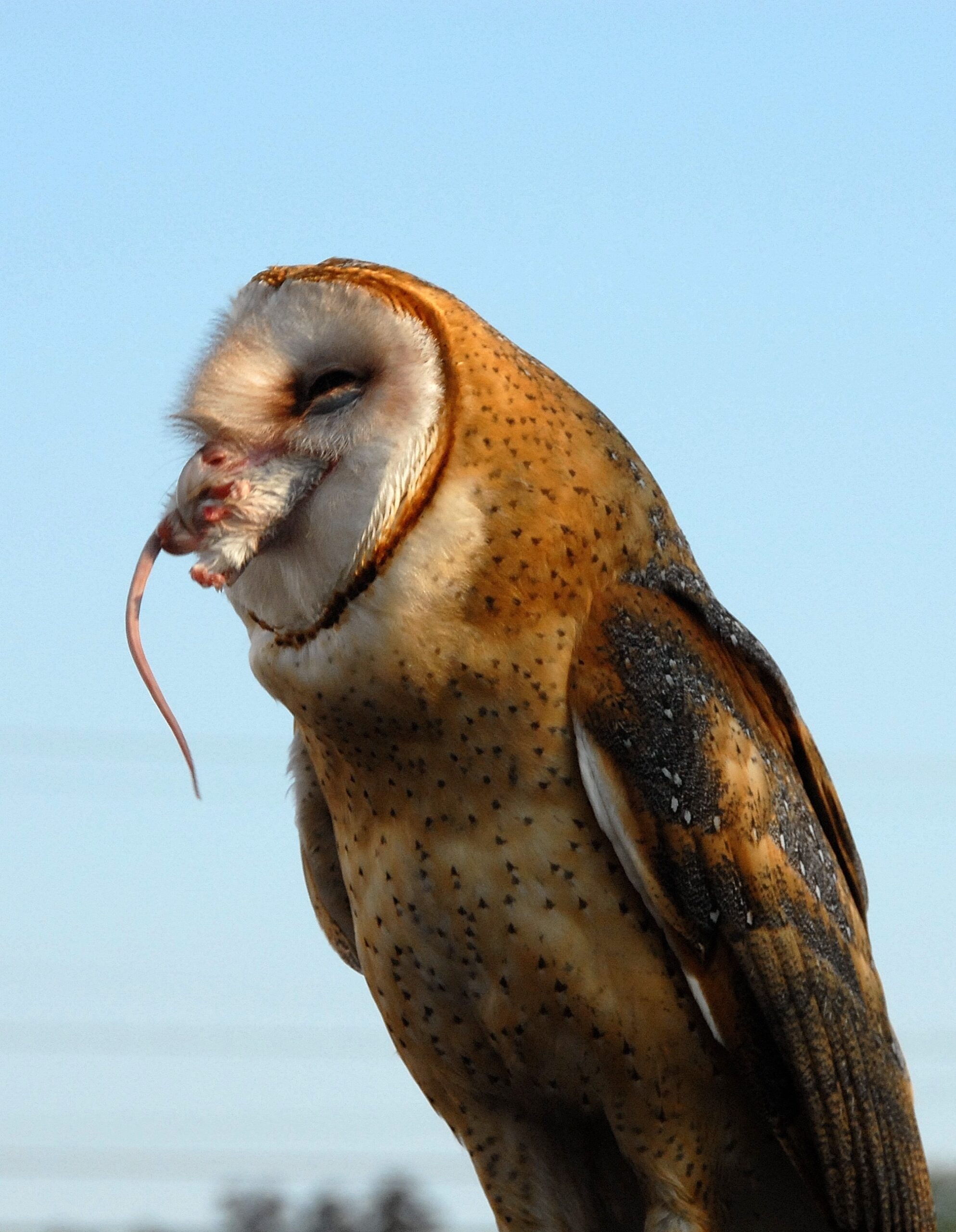
Diurnal hunting in owls offers unique advantages for securing prey sources and adapting to specific environmental conditions. Owls that engage in daytime hunting exhibit fascinating behaviors that contribute to their survival. Here are some key advantages of diurnal hunting in owls:
- Prey Availability: Hunting during the day allows owls to target prey that is active during daylight hours, expanding their food options and increasing hunting success rates.
- Environmental Adaptation: Diurnal hunting enables owls to adjust to specific environmental conditions, such as fluctuating temperatures and changing light levels, optimizing their hunting strategies accordingly.
- Competition Mitigation: By hunting during the day, owls can potentially avoid competition with other nocturnal predators, giving them a competitive edge in securing food sources.
These advantages highlight the adaptive nature of owls and how their diurnal hunting behavior plays a crucial role in their ecological niche. By observing these behaviors, researchers can gain valuable insights into the foraging habits and survival mechanisms of these fascinating birds.
Diurnal Vs. Nocturnal Owls
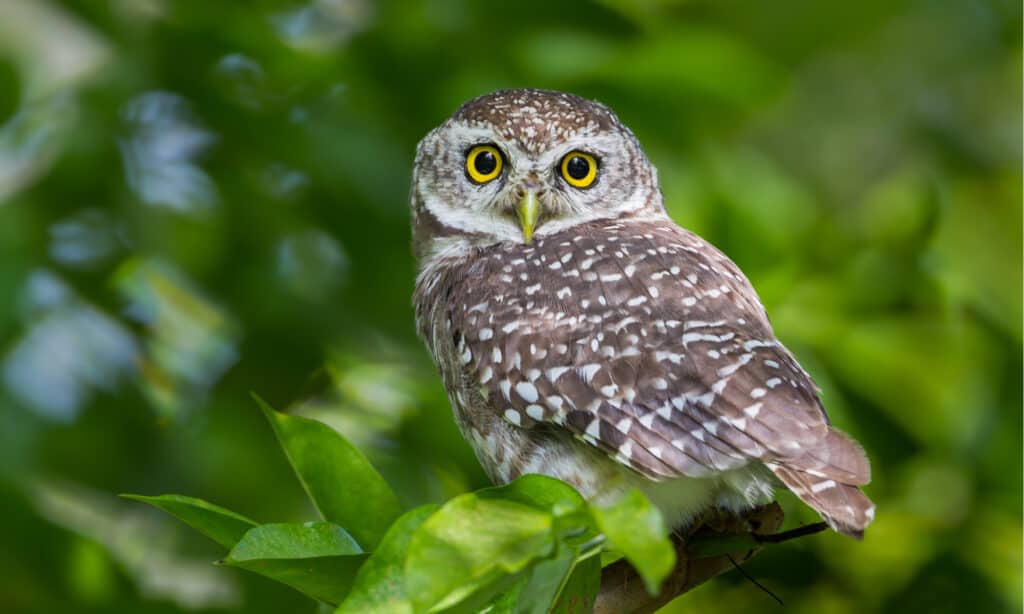
Most owl species predominantly exhibit nocturnal behavior, with some exceptions showing diurnal or crepuscular activity patterns. While the majority of owls are known for their nighttime hunting habits, diurnal owls like the little owl (Athene noctua) are active during the day. These diurnal owls may be observed hunting, resting, or engaging in breeding activities in daylight hours, showcasing a unique behavior compared to their nocturnal counterparts.
Factors such as breeding season, food availability, and disturbances can influence owl behavior to be more active during the day. Observations of diurnal owls being active during daylight hours, especially near nests, are not uncommon in certain owl species. Understanding the specific behaviors and adaptations of diurnal owls can provide valuable insights into their ecology and lifestyle patterns, offering a glimpse into the diverse habits of these fascinating birds.
Owl Visibility Advantages
Owls possess remarkable camouflage abilities, allowing them to blend seamlessly into their surroundings, which provides significant visibility advantages during the day. This unique adaptation enables owls to remain undetected by potential threats or prey while being active in daylight hours. Here are some key advantages of owl visibility during the day:
- Enhanced Hunting Success: Owls that are active during the day can take advantage of the natural light to spot and capture prey more effectively.
- Improved Observation Opportunities: Daylight offers better visibility for researchers and enthusiasts to observe owl behavior, movement patterns, and interactions with their environment.
- Adaptation to Diurnal Disturbances: Some owl species have adapted to tolerate daytime disturbances, such as human activities or changes in their habitat, by utilizing their camouflage to remain hidden while being active.
These visibility advantages highlight the versatility and adaptability of owls in utilizing daylight to thrive in various environments.
Owl Prey Catching Strategies
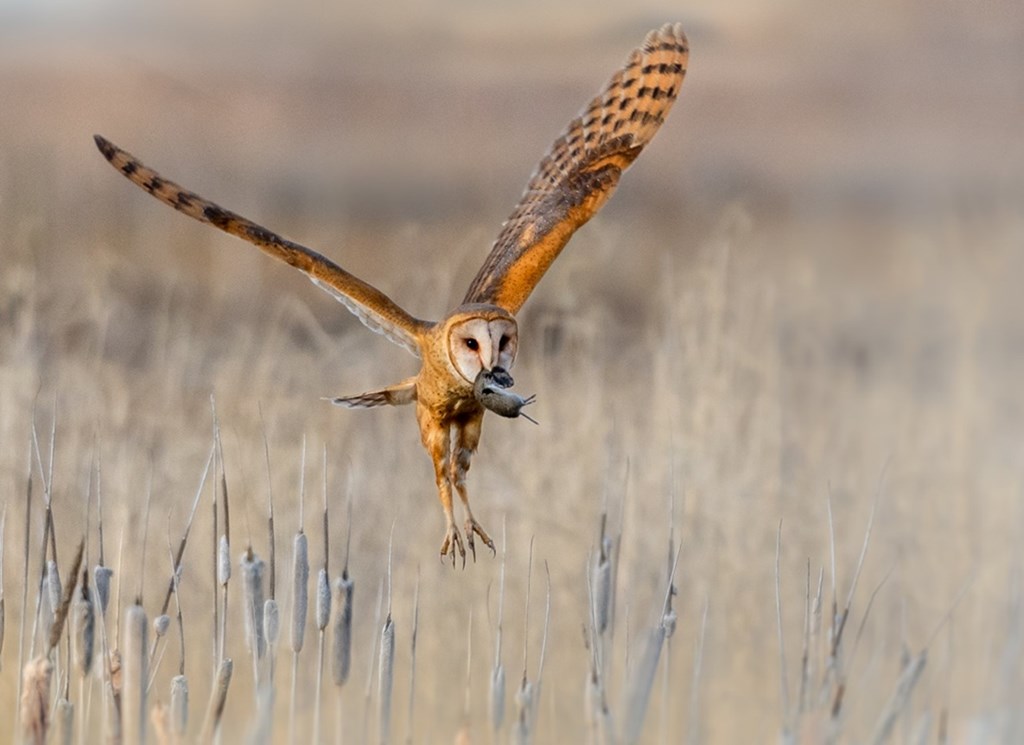
Utilizing their specialized hunting techniques and keen senses, owls demonstrate remarkable efficiency in capturing prey both during the night and, in some cases, during the day. While owls are primarily known for their nocturnal hunting prowess, certain species like the Barn Owl and Little Owl have adapted to hunt during the day as well. Daytime hunting by owls requires different prey catching strategies compared to their nighttime hunts. These diurnal hunters may take advantage of factors such as weather conditions, prey availability, or disruptions in their typical nocturnal patterns to secure their meals.
During daytime hunting, owls may target a diverse range of prey species, showcasing their adaptability and flexibility in different environments. Observing owls hunting during the day provides valuable insights into the various strategies they employ to secure food sources. Their ability to adjust their hunting patterns to different times of the day highlights the remarkable adaptability and resourcefulness of these fascinating birds of prey.
Owl Species Activity Differences
Daytime activity patterns among owl species exhibit notable variations, with certain owls like the Little Owl displaying diurnal behavior for specific purposes such as feeding and breeding. When it comes to owl species activity differences, daytime sightings can reveal intriguing behaviors unique to each species. Here are some key points to consider:
- Little Owls: Known for their diurnal habits, these owls are frequently observed hunting during daylight hours, particularly in open habitats like farmlands and grasslands.
- Barn Owls: While primarily nocturnal, Barn Owls are also active during the day, especially in regions where food availability is high.
- Short-eared Owls: These owls are known to fly and hunt during the day, often seen gliding low over fields in search of prey.
Observing these owl species during the day provides a rare opportunity to witness their natural behaviors firsthand, offering insights into their hunting strategies and breeding activities.

Owl Diurnal Behavior Adaptations
In diurnal behavior adaptations, certain owl species demonstrate unique activity patterns influenced by factors such as hunting strategies and breeding activities. While most owls are known to be nocturnal hunters, some species exhibit diurnal behavior, like the Little Owl, which can be more active during daylight hours, especially when breeding. Daytime owl activity may arise due to disturbances, interactions with other birds, or specific environmental conditions. Observations have shown that owls, such as the Barn Owl, engage in hunting during the day, a behavior not uncommon and often tied to prey availability or weather conditions. During daylight hours, owls may also be seen resting near nests, displaying territorial instincts driven by breeding behavior. The diurnal adaptations of certain owl species provide insights into their flexibility and ability to adjust their activity patterns based on various ecological and reproductive demands.