

Step into the mystical realm of Louisiana’s 7 captivating owl species. Encounter the regal Great Horned Owl, recognized by its tiger-like stripes and fierce hunting skills. Listen for the Barred Owl’s iconic call, “Who cooks for you?” as it prowls for prey. Explore the woodlands with the Eastern Screech Owl, blending seamlessly with its surroundings. Marvel at the haunting beauty of the Barn Owl, communicating through eerie screeches. Discover the vital role of the Short-eared and Long-eared Owls in balancing the ecosystem. Encounter the diminutive Northern Saw-whet Owl, a master of the night.ان’s intriguing world of owl species beckons.
1. Great Horned Owl
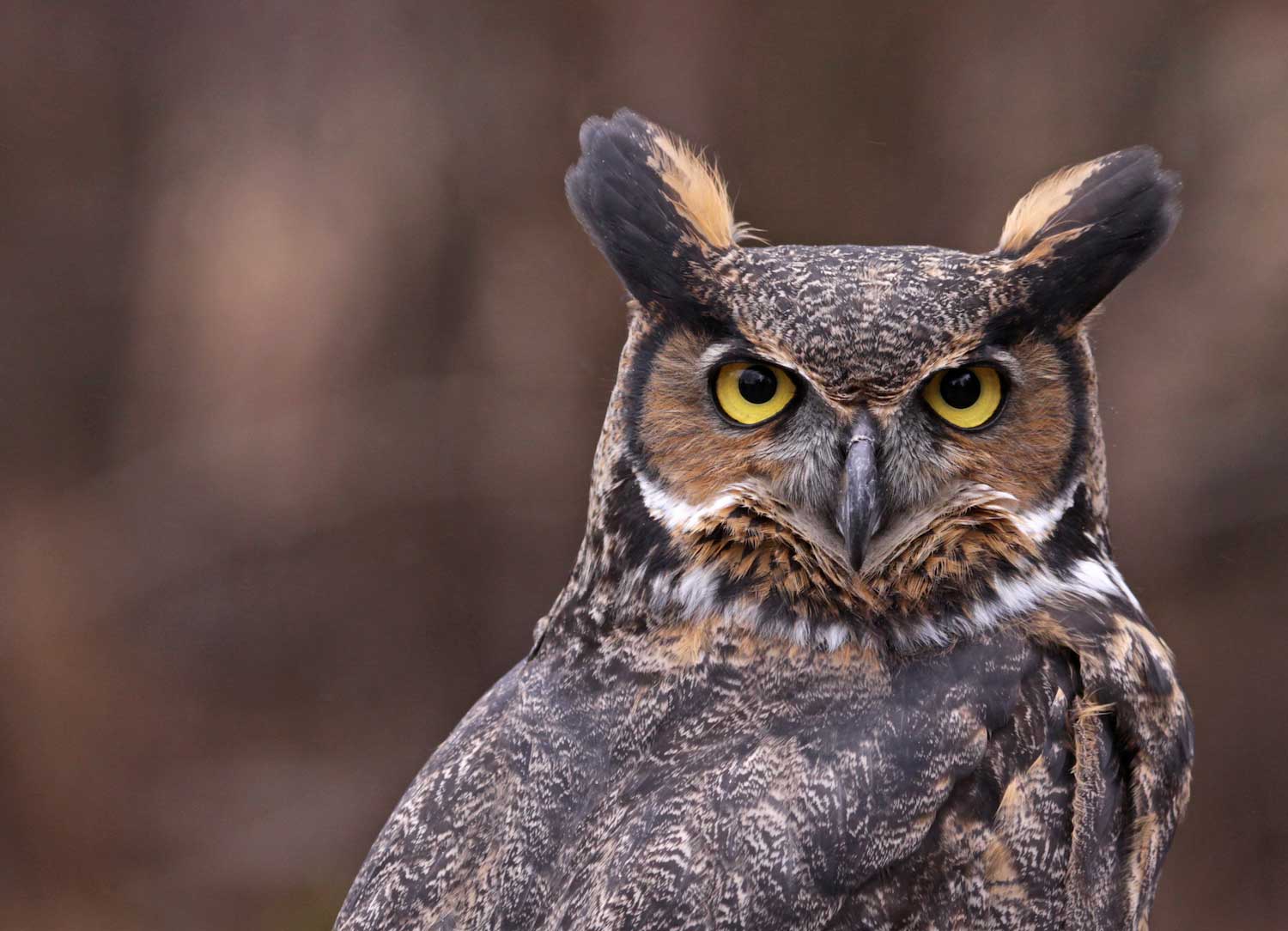
The Great Horned Owl, also known as Bubo virginianus, ranks as the third largest owl species in North America. This majestic bird is easily distinguished by its prominent ear tufts, which are not actually ears but rather feather tufts that help with camouflage and communication. Common in Louisiana, the Great Horned Owl showcases a remarkable adaptation to various habitats, from forests to urban areas. Its bright yellow eyes, fierce hunting behavior, and tiger-like striped plumage make it a formidable predator in the night skies.
The Great Horned Owl’s hooting call resonates through the night, a haunting sound that instills both fear and fascination. This owl’s keen eyesight and silent flight allow it to ambush prey with remarkable precision. With a diverse diet ranging from rodents to other birds, the Great Horned Owl plays a crucial role in maintaining ecological balance. Studying this magnificent creature provides valuable insights into the intricate dynamics of predator-prey relationships in Louisiana’s diverse ecosystems.
2. Barred Owl

Adapting seamlessly to Louisiana’s varied landscapes, the Barred Owl, known for its distinctive ‘Who cooks for you?’ call, thrives as a skilled predator of small mammals. With its brown-and-white-striped plumage, this owl is easily spotted in wooded areas and swamps across Louisiana. Barred Owls are proficient communicators, using a range of vocalizations such as hoots, screams, and hisses to establish territories and attract mates.
These owls are expert hunters, preying on small mammals like mice and squirrels. Their silent flight allows them to swoop down and surprise their unsuspecting targets. Barred Owls are highly adaptable, making homes in various habitats including forests and suburban areas. Their presence in Louisiana’s diverse landscapes is a testament to their ability to thrive in different environments.
Next, let’s delve into the Eastern Screech Owl, another fascinating owl species found in Louisiana.
3. Eastern Screech Owl

With its distinct trilling and whinnying calls, the Eastern Screech Owl, a small owl species in Louisiana, showcases remarkable adaptability in various habitats. Here are some key facts about the Eastern Screech Owl:
- Habitat Adaptability: The Eastern Screech Owl can thrive in woodlands, parks, and even suburban areas, utilizing its camouflage to blend seamlessly into the surroundings.
- Color Morphs: This owl species comes in two color morphs – gray and red, aiding in their concealment during daylight hours.
- Nocturnal Predators: Eastern Screech Owls feed on insects, small rodents, and birds. Their exceptional hearing and vision help them locate prey efficiently in the dark.
- Nesting Behavior: These cavity nesters make use of tree hollows or man-made nest boxes to breed and raise their young in Louisiana’s diverse ecosystems, contributing to the local ecosystem by controlling populations of small rodents.
The Eastern Screech Owl’s ability to adapt, hunt, and nest effectively makes it a fascinating addition to Louisiana’s owl population.
4. Barn Owl
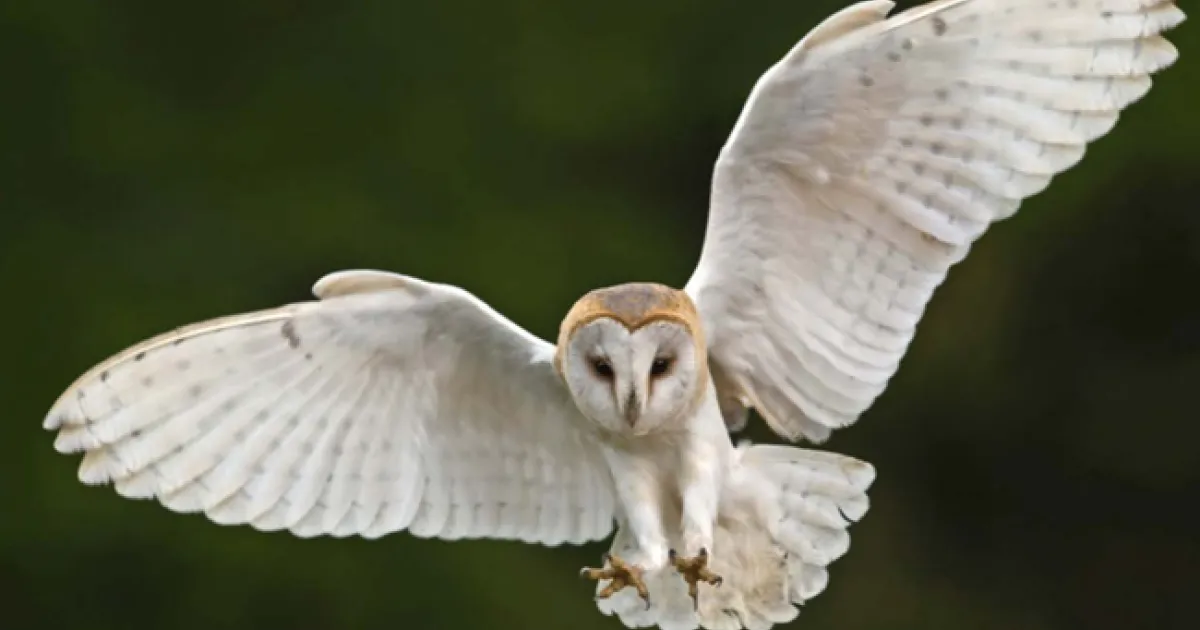
One of the most distinctive features of the Barn Owl is its haunting communication through eerie screeches and hissing sounds. As a nocturnal hunter, the Barn Owl’s white underside and pale plumage help it blend seamlessly into the night sky, making it a stealthy predator. These owls are found worldwide and often choose man-made structures like silos or church steeples for roosting.
The Barn Owl’s unique heart-shaped face, short tail, and comparatively smaller eyes set it apart from other owl species. Its exceptional hearing allows it to locate prey accurately even in complete darkness. When hunting, the Barn Owl relies on its silent flight and sharp talons to capture small mammals like mice and voles. Their ability to communicate through various vocalizations such as screeches, purrs, and hissing sounds adds to the mystique surrounding these fascinating creatures. To experience the eerie sounds of Barn Owls, visit www.allaboutbirds.org/guide/Barn_Owl/sounds.
5. Short-eared Owl
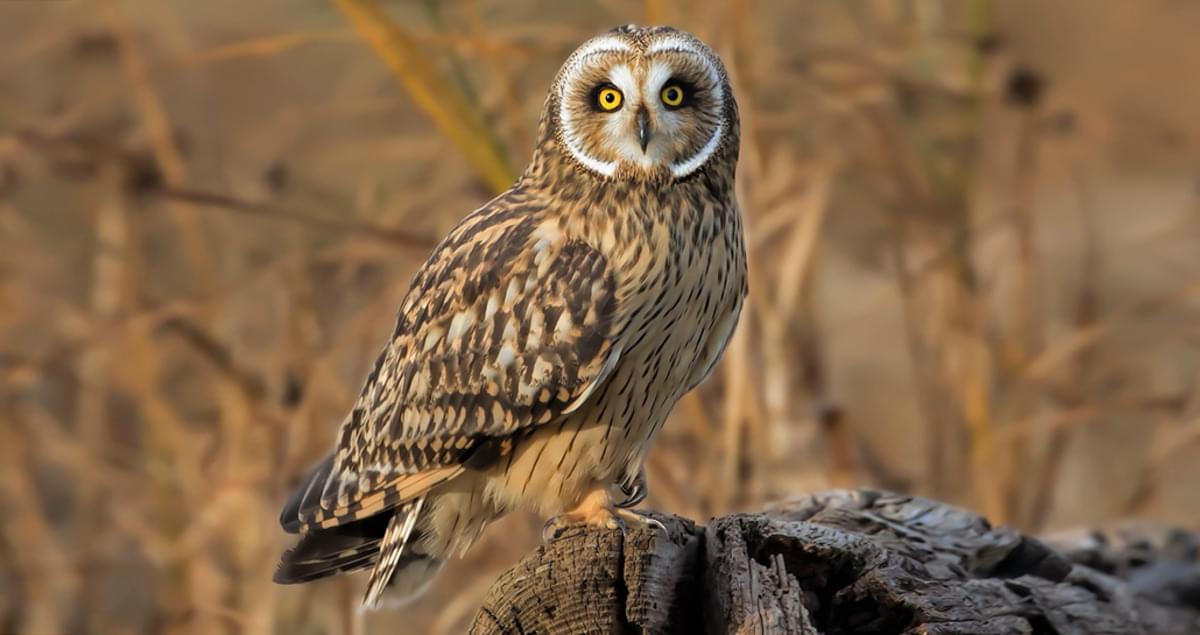
Short-eared Owls in Louisiana, characterized by their medium size and distinctive hunting behaviors, play a vital role in controlling rodent populations in fields and marshes. These owls measure between 13.4-16.9 inches (34-43 cm) in length, weighing from 7.3-16.8 ounces (206-475 g) with a wingspan of 33.5-40.5 inches (85-103 cm). Here are some key points about the Short-eared Owl:
- Habitat: Short-eared owls primarily inhabit fields and marshes, utilizing these open areas for hunting and roosting.
- Diet: Their diet mainly consists of voles and various prey sizes, making them crucial for controlling rodent populations in their ecosystem.
- Activity: While not completely nocturnal, Short-eared Owls are most active during the early morning, displaying unique hunting behaviors adapted to their environment.
- Importance: Due to their hunting habits and diet, Short-eared Owls contribute significantly to the balance of the ecosystem by helping manage rodent populations in fields and marshes.
6.Long-eared Owl
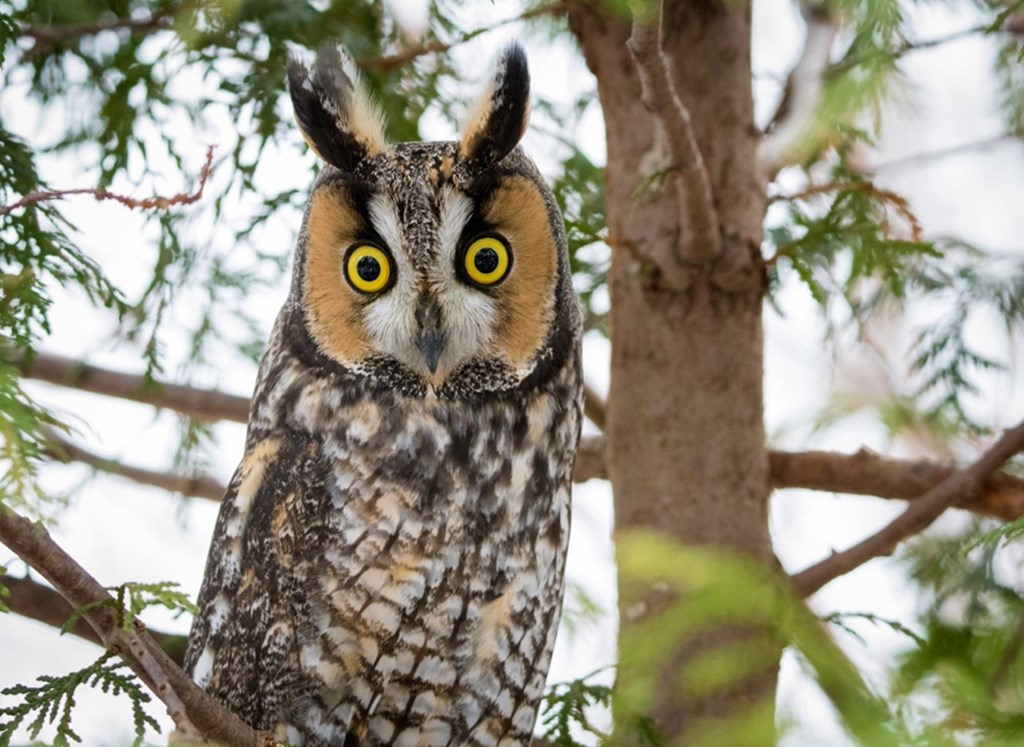
Long-eared Owls, a medium-sized owl species with distinctive ear tufts for communication and camouflage, are prevalent in Louisiana. These owls, scientifically known as Asio otus, can be identified by their long ear tufts, which are not ears but feather tufts that aid in signaling and blending into their surroundings. In Louisiana, Long-eared Owls can often be found with a wingspan ranging from 37 to 40 inches (94-101 cm) and weighing between 7 to 15 ounces (200-425 grams). Their diet primarily consists of small mammals such as voles, mice, and shrews, making them essential for controlling rodent populations in their habitat. During the breeding season, Long-eared Owls are recognized for their distinctive low-pitched hoots and barking calls, contributing to the rich tapestry of sounds in the Louisiana night. Observing these fascinating creatures in their natural environment can provide valuable insights into their behavior and ecological significance.
7. Northern Saw-whet Owl
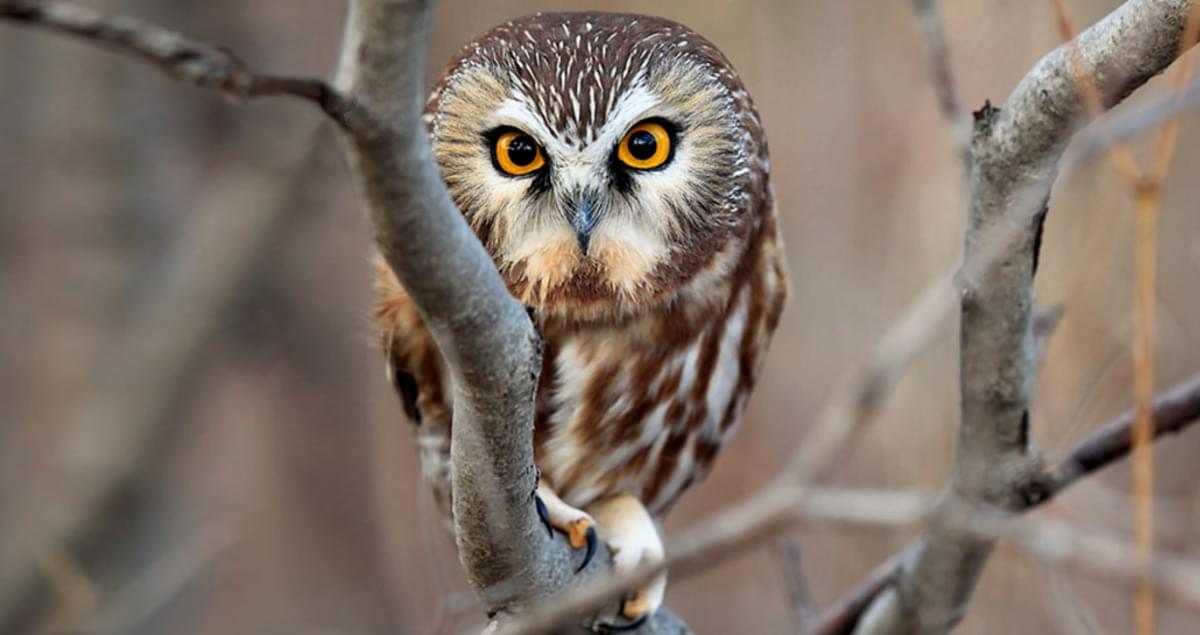
The Northern Saw-whet Owl, a diminutive owl species found in Louisiana, is known for its distinctive features and hunting prowess in wooded habitats. Here are some key points about this fascinating owl:
- Size and Appearance: The Northern Saw-whet Owl is one of the smallest owl species, measuring between 7.1-8.3 inches (18-21 cm) in length and weighing 2.3-5.3 ounces (65-151 g). It has a round head, yellow eyes, and brownish plumage with white markings, making it easily recognizable in its habitat.
- Hunting Behavior: This owl primarily preys on small mammals like mice and voles. With sharp talons and exceptional hunting skills, the Northern Saw-whet Owl is a proficient predator in capturing its prey under the cover of darkness.
- Vocalization: The Northern Saw-whet Owl is known for its unique tooting call, often described as resembling the sound of a saw being sharpened. This call is used for communication and territorial purposes.
- Lifespan: In the wild, these owls can live for 5-7 years, but individuals in captivity have been recorded to live up to 14 years, showcasing their adaptability and resilience.