

Step into Florida’s vibrant world of hummingbirds! Discover the Ruby-throated with its red throat, the Blue-throated’s blue dazzle, and the petite Calliope’s magenta streaks. Spot the rare Buff-bellied with its distinctive buffy hue and long red beak. Look for the Broad-tailed’s rose throat, the feisty Rufous in fiery orange-red, and the elusive Allens’ green and rusty-red hues. Find the Bahama Woodstar’s coastal grace and the Black-chinned’s white throated majesty. Each bird offers a unique spectacle in Florida’s skies, beckoning you to explore further.
Ruby-throated Hummingbird

The Ruby-throated Hummingbird, the most prevalent species in Florida, captivates observers with its vibrant red throat patch on males and whitish underparts on females. These tiny marvels of nature, with their iridescent green plumage and rapid wingbeats, are a common sight in the state. Ruby-throated Hummingbirds primarily feed on nectar from flowers, using their specialized long, tubular tongues to lap up the sweet liquid. They are also skilled hunters, preying on insects like mosquitoes, bees, and spiders to supplement their diet.
One of the most fascinating aspects of Ruby-throated Hummingbirds is their impressive migration journey. These birds travel from Central America to Florida, a journey spanning thousands of miles. Despite their small size, Ruby-throated Hummingbirds are hardy creatures, capable of surviving such long and arduous migrations.
In Florida, these hummingbirds can be found in a variety of habitats, including woodlands, marshes, and gardens. Their presence adds a touch of vibrancy and energy to the diverse ecosystems of the Sunshine State.
Blue-throated Hummingbird
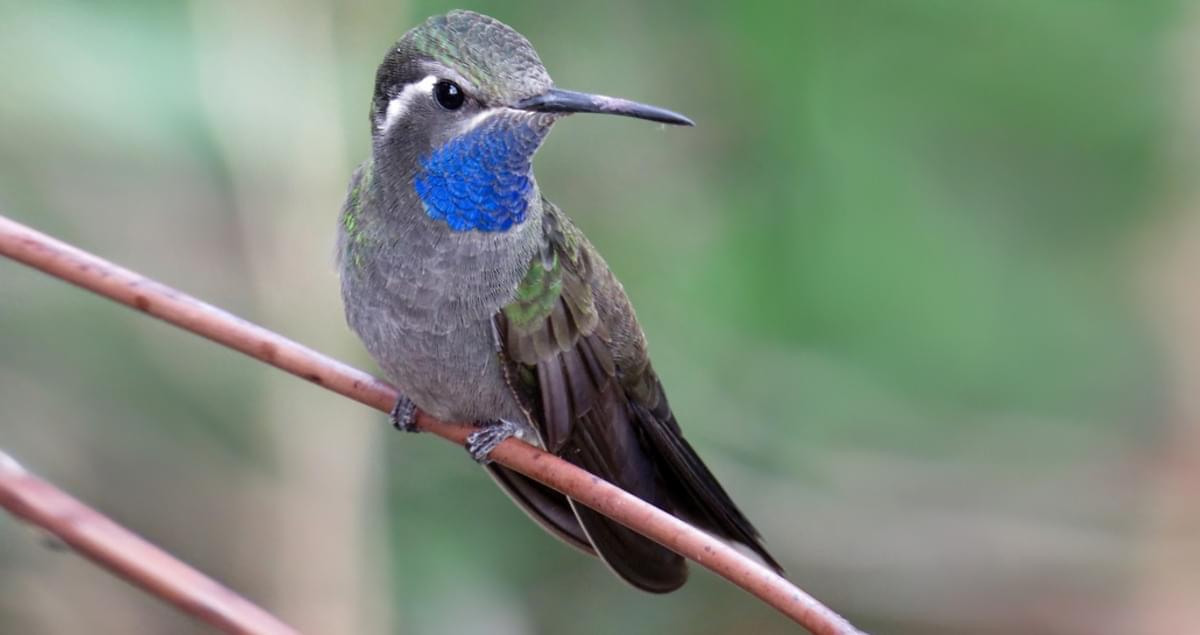
How does the Blue-throated Hummingbird’s size compare to other hummingbird species in Florida?
The Blue-throated Hummingbird is the largest hummingbird species found in Florida. When compared to other hummingbirds in the region, this majestic bird stands out not only for its size but also for its striking features. Here are three key points to understand more about the Blue-throated Hummingbird in Florida:
- Impressive Size: The Blue-throated Hummingbird can reach sizes of up to 5 inches in length, making it noticeably larger than many other hummingbird species in Florida.
- Distinctive Throat Patches: Male Blue-throated Hummingbirds exhibit vibrant iridescent blue throat patches, a unique feature that sets them apart from other hummingbirds. In contrast, females showcase white throats, adding to the visual contrast between the sexes.
- Habitat Preferences: These hummingbirds are commonly found near water sources within coniferous forests in Florida. Their habitat choice reflects their preference for areas abundant in nectar-producing flowers and insects for feeding.
Observing a Blue-throated Hummingbird in Florida is a remarkable experience due to its size, distinctive markings, and habitat preferences.
Calliope Hummingbird
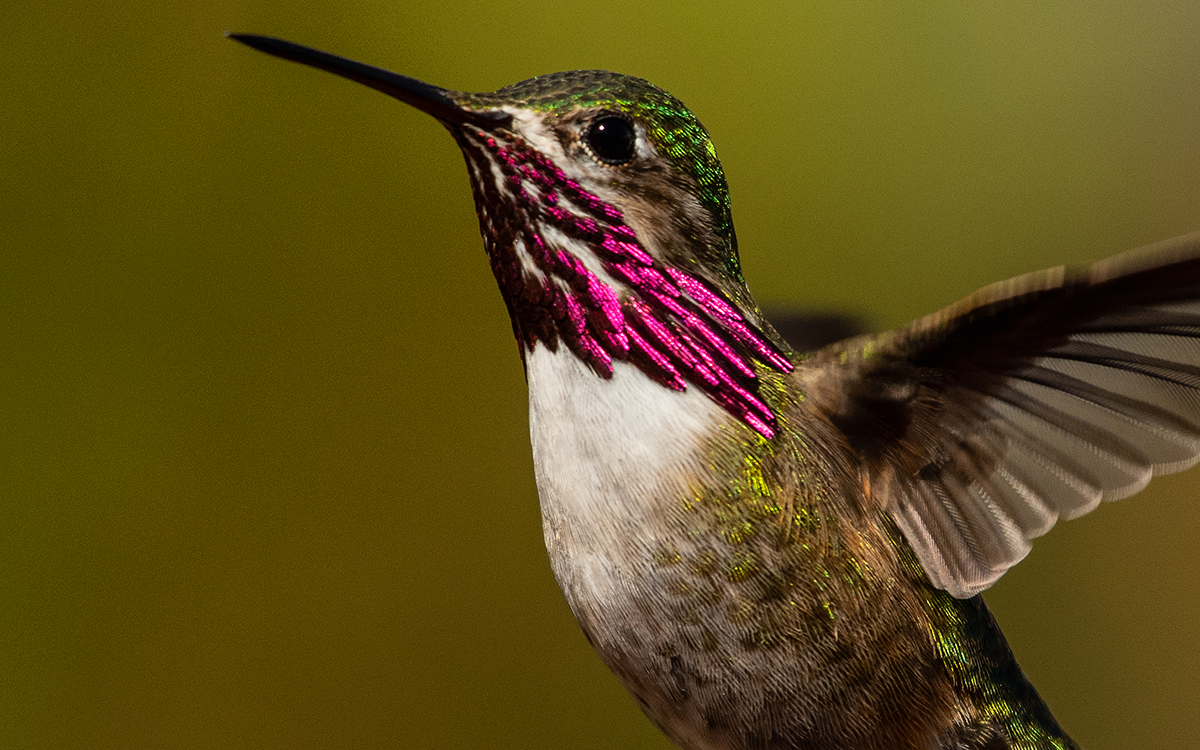
Comparatively to other hummingbird species in Florida, the Calliope Hummingbird stands out as the smallest bird species in America. These diminutive birds showcase remarkable physical features, with males displaying a striking streaked magenta throat, while females exhibit a captivating red-spotted throat. Their petite size and vibrant throat colors make them a sight to behold in the open shrubby areas, canyons, and forests they inhabit.
Calliope Hummingbirds are known for their extensive migration patterns across regions, showcasing their resilience and adaptability. Despite their tiny stature, they are not to be underestimated, often displaying territorial behavior to protect their foraging grounds and nesting sites. Observing these minuscule yet feisty creatures darting through the air with astonishing agility is a true marvel of nature.
In Florida, where a variety of hummingbird species can be found, the Calliope Hummingbird’s unique characteristics and behaviors make them a particularly fascinating addition to the state’s diverse avian population.
Buff-bellied Hummingbird

Not a native species in Florida, the Buff-bellied Hummingbird is recognized for its distinctive buffy-colored belly and long red beak. This medium-sized hummingbird, with bronzy green upperparts, is a wanderer that occasionally visits Florida, standing out due to its unique coloring and features compared to the state’s native hummingbirds.
- Uncommon Sightings: Buff-bellied Hummingbirds are not commonly seen in Florida, making any sighting a special and rare occurrence for birdwatchers in the state.
- Distinctive Features: The buffy-colored belly and long red beak of the Buff-bellied Hummingbird set it apart from other hummingbird species, adding to its allure when spotted in Florida.
- Wandering Nature: Known for its wandering behavior, this hummingbird species may stray from its typical range, gracing Florida with its presence from time to time, captivating those lucky enough to observe its beauty.
Broad-tailed Hummingbird

The Broad-tailed Hummingbird, a migratory species known for its vibrant rose-colored throats, can be spotted in Florida during the winter months. These stunning hummingbirds, typically measuring around 3.5 inches in length, exhibit remarkable aerial acrobatics. The males boast iridescent rose-red throats, which shimmer in the sunlight, making them easily distinguishable from other species. When in flight, the Broad-tailed Hummingbird emits a unique metallic buzzing sound, adding to its charm and allure.
Feeding primarily on nectar obtained from various flowers, these hummingbirds play a crucial role in pollination within Florida’s ecosystems. They may also supplement their diet with insects for added protein. During the breeding season, which occurs in mountainous regions, Broad-tailed Hummingbirds construct intricate cup-shaped nests using plant fibers, spider silk, and other available materials.
If you find yourself in Florida during the winter, keep an eye out for the Broad-tailed Hummingbird as it graces the region with its vibrant presence and enchanting behaviors.
Rufous Hummingbird

During their migration journey through Florida, keep an eye out for the vibrant orange-red throats and upperparts of the Rufous Hummingbird. These striking colors are characteristic of the male Rufous Hummingbirds, attracting attention as they zip through gardens and wooded areas in search of nectar-rich flowers. Here are some fascinating facts about these tiny yet mighty birds:
- Aggressive Behavior: Rufous Hummingbirds are known for their aggressive and territorial nature. They fiercely defend their feeding territories and will vigorously chase away intruders, including much larger birds.
- Long Migration Routes: These hummingbirds undertake one of the longest migration routes of any species. From their breeding grounds in the Pacific Northwest, they travel thousands of miles to reach their wintering grounds in Mexico and Central America.
- Common Sightings in Florida: Rufous Hummingbirds are commonly spotted in Florida during migration season. Their distinctive appearance and feisty behavior make them stand out among other hummingbird species that pass through the state.
Allens Hummingbird

Rarely seen in Florida except during migration, the Allens Hummingbird displays distinctive iridescent green and rusty-red coloring, making it a captivating sight for birdwatchers. The males boast vibrant green backs and throats adorned with rusty-red gorgets, while females exhibit a more subtle green hue with white breasts and throats. These hummingbirds are known for their agile flight patterns, swiftly hovering at flowers to extract nectar. Their unique metallic buzzing sound during flight sets them apart from other bird species.
When visiting Florida, consider setting up hummingbird feeders to attract these delightful creatures. Allens Hummingbirds have a preference for nectar-producing flowers, so having a feeder with a sugar-water solution can entice them to your garden. Observing their behavior up close is a rewarding experience, as they flit around with remarkable speed and grace. Keep an eye out for these enchanting birds during migration seasons to catch a glimpse of their striking plumage and fascinating aerial acrobatics.
Bahama Woodstar Hummingbird
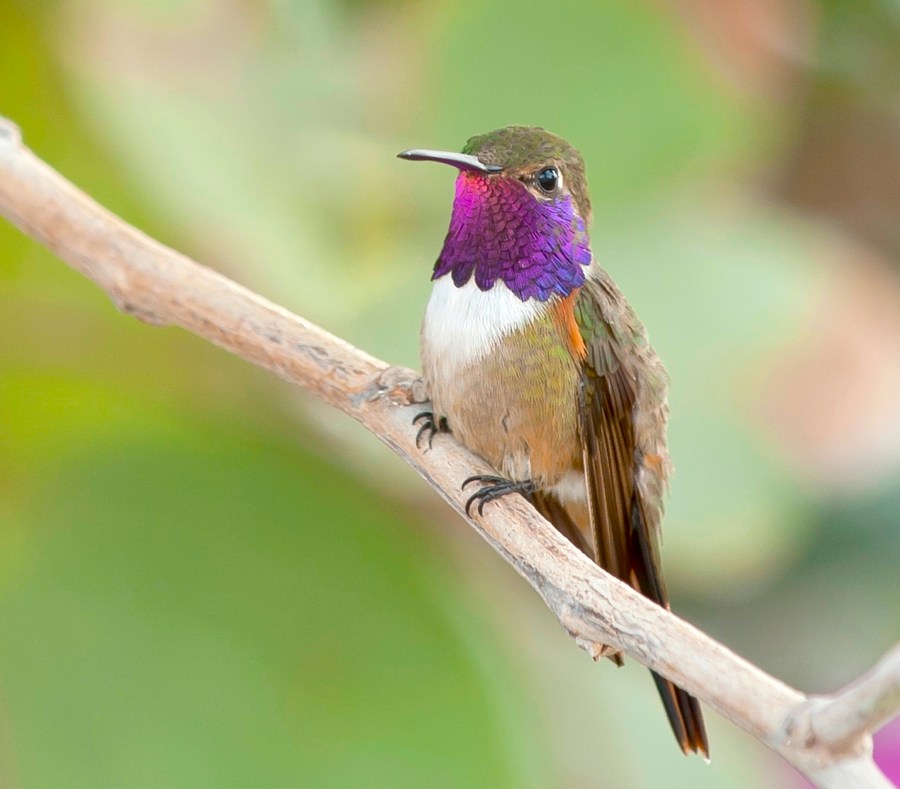
In Florida, the Bahama Woodstar Hummingbird can be spotted in coastal areas and pine rocklands, showcasing its distinctive green back, white underparts, and striking purple throat patch in males. This small species, native to the Bahamas and southern Florida, adds to the diverse hummingbird population found in the state. Here are some fascinating facts about the Bahama Woodstar Hummingbird:
- Habitat Preference: Bahama Woodstar Hummingbirds are commonly found in areas with flowering shrubs and trees, particularly in coastal regions and pine rocklands of Florida.
- Distinctive Features: Male Bahama Woodstar Hummingbirds are easily recognizable by their vibrant green back, white underparts, and the eye-catching purple throat patch that glistens in the sunlight.
- Feeding Behavior: These hummingbirds primarily feed on nectar from tube-shaped flowers, using their long, slender bills. Additionally, they exhibit agile flight maneuvers to catch small insects on the wing, supplementing their diet with protein-rich prey.
Black-chinned Hummingbird

The Black-chinned Hummingbird, a medium-sized species known for its distinctive black chin patch, displays fascinating characteristics in its appearance and behavior. Males boast an iridescent purple throat that shimmers in the sunlight, while females exhibit white throats that contrast elegantly with their green plumage. These hummingbirds showcase remarkable adaptability, thriving in diverse habitats ranging from deserts to mountains and forests.
One of the most captivating aspects of the Black-chinned Hummingbird is its nectar-feeding behavior. These agile flyers flit from flower to flower, using their specialized long, slender bills to extract sweet nectar. In addition to nectar, they supplement their diet with protein-rich insects like mosquitoes, bees, and spiders. This varied diet ensures that they receive the necessary nutrients to sustain their high energy levels and rapid metabolism.
Observing the Black-chinned Hummingbird in its natural habitat provides a unique opportunity to witness the intricate interplay between its physical attributes and foraging techniques, making it a truly captivating species to study in the wild.