

Hummingbirds are naturally drawn to Mandevilla plants for their tubular blooms rich in nectar. The vibrant colors and easy nectar access make Mandevilla a favorite for these energetic birds. The plant’s design suits hummingbirds’ long beaks, enhancing their attraction. Mandevilla’s nectar content sustains and energizes them, benefitting both the birds and your garden’s biodiversity. Providing direct sunlight and well-drained soil is crucial for continuous blooming and growth stimulation. Maintaining moist soil and a regular watering schedule support Mandevilla and hummingbirds thriving together in your garden. Embrace the allure of these plants to captivate hummingbirds in your outdoor space.
Benefits of Mandevilla for Hummingbirds
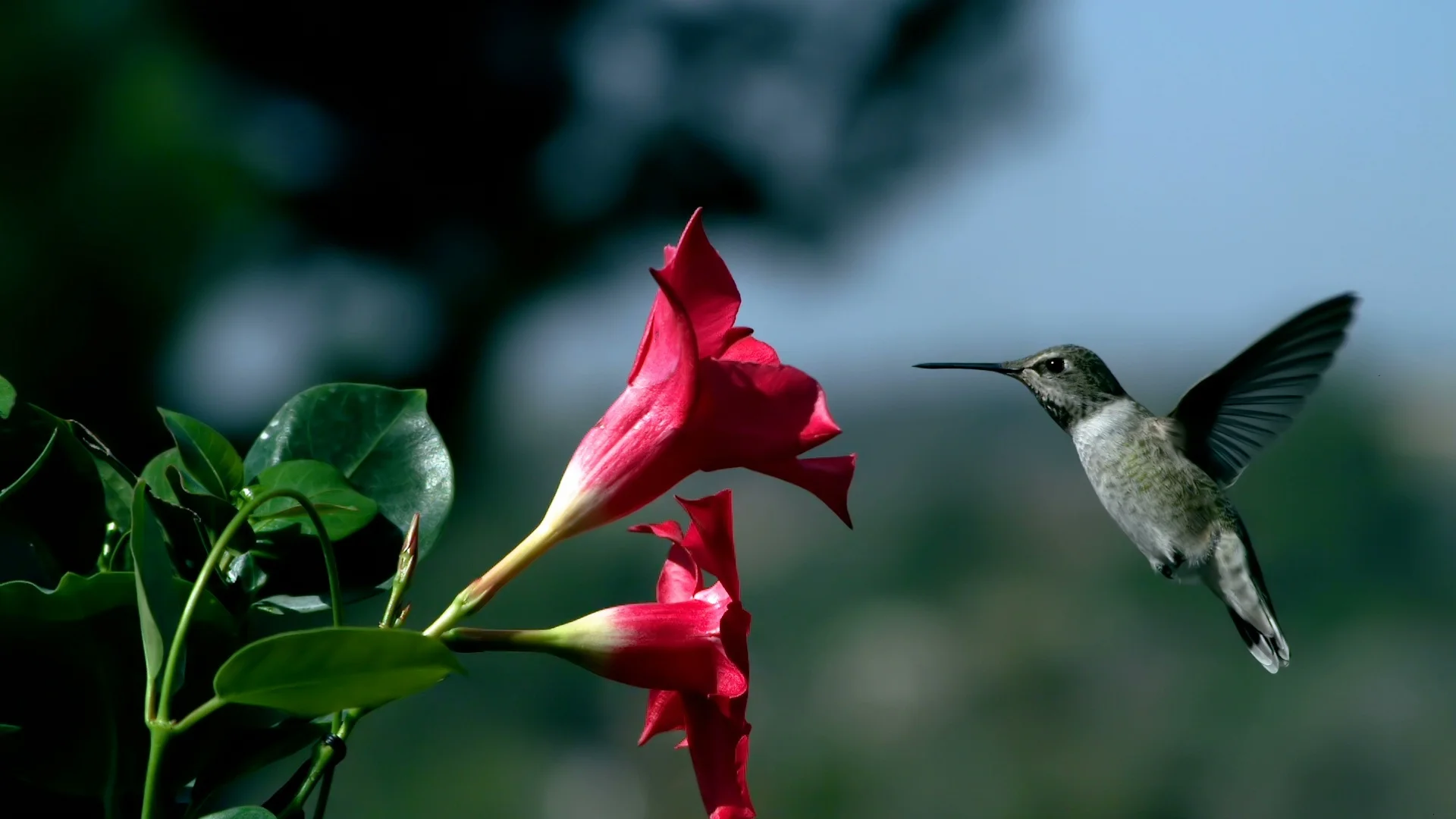
Hummingbirds benefit significantly from Mandevilla plants due to their large, tubular blooms that provide easy access to nectar. These tubular flowers are perfectly suited for hummingbirds, allowing them to reach the nectar with their long, specialized beaks. The variety of colors in Mandevilla blooms also plays a crucial role in attracting hummingbirds, as these birds are highly attracted to vibrant and colorful flowers.
Moreover, Mandevilla’s rich nectar content serves as a favorite food source for hummingbirds. The high energy content of the nectar helps sustain these energetic birds, making Mandevilla a valuable addition to any garden looking to attract and support hummingbird populations. Additionally, the showy and attractive blooms of the Mandevilla plant are particularly appealing to hummingbirds, enhancing the overall visual appeal of the garden while providing a vital food source for these remarkable avian creatures.
Ideal Growing Conditions for Mandevilla
:max_bytes(150000):strip_icc()/growing-dipladenia-or-mandevilla-in-containers-847910-03-a1d395bb466d47dc8d5359ca56bdda20.jpg)
Ideally, Mandevilla plants thrive in well-draining, rich soil under full sun to partial shade conditions, creating an inviting environment for hummingbirds with their vibrant, tubular blooms. These plants prefer full sun exposure to thrive and produce their characteristic colorful flowers that attract hummingbirds. Here are the ideal growing conditions for Mandevilla summarized in a table:
| Ideal Growing Conditions for Mandevilla | |
|---|---|
| Soil Type | Rich, well-draining |
| Light Exposure | Full sun to partial shade |
| Watering Needs | Moderate, avoid overwatering |
Providing Mandevilla vines with these optimal conditions will not only promote healthy growth but also increase the likelihood of attracting hummingbirds to your garden. The rich, moist soil allows for proper root development, while the full sun exposure ensures abundant blooming, offering a feast of nectar for the delightful hummingbirds. Remember to water your Mandevilla appropriately, keeping the soil moist but not waterlogged, to create a welcoming habitat for these charming birds.
Attracting Hummingbirds With Mandevilla Flowers

To attract hummingbirds with Mandevilla flowers, consider the plant’s tubular blooms and nectar-rich content that appeal to these agile birds seeking food sources. Mandevilla flowers are specifically designed to attract hummingbirds, making them a popular choice for those looking to invite these birds into their gardens. Here are some key factors that make Mandevilla an excellent option for attracting hummingbirds:
- Tubular Blooms: The shape of Mandevilla flowers allows hummingbirds easy access to the nectar inside.
- Vibrant Colors: The bright hues of red, pink, and yellow in Mandevilla blooms catch the attention of hummingbirds searching for nectar sources.
- Nectar-Rich Content: Hummingbirds are naturally drawn to plants with high nectar content, making Mandevilla a desirable option for these birds.
- Accessibility: The design of Mandevilla flowers makes it convenient for hummingbirds to feed, further enhancing their appeal for these tiny creatures.
Nectar-Rich Characteristics of Mandevilla

With large, tubular blooms boasting nectar-rich characteristics, Mandevilla vines are known to attract a variety of nectar-seeking creatures. The vibrant array of colors, including red, pink, rose, yellow, and white, make Mandevilla flowers particularly appealing to hummingbirds. The tubular shape of the blooms serves as a natural attraction for hummingbirds, offering easy access to the abundant nectar hidden inside. This nectar acts as a vital food source for hummingbirds, meeting their energy requirements and supporting their daily needs. The nectar produced by Mandevilla vines serves as a valuable resource for hummingbirds frequenting gardens, providing a reliable and nutritious option for sustenance. The nectar-rich characteristics of Mandevilla not only benefit hummingbirds but also contribute to the overall biodiversity of the garden environment, fostering a symbiotic relationship between the plants and these graceful avian visitors.
Maintenance Tips for Mandevilla and Hummingbirds
For optimal maintenance of Mandevilla vines and to attract hummingbirds, consider the following key tips.

- Provide Direct Sunlight: Mandevilla vines thrive in full sun, so ensure they receive at least 6 hours of direct sunlight daily to support healthy growth and abundant blooming.
- Maintain Moist, Well-Drained Soil: Hummingbirds are attracted to Mandevilla’s nectar-rich blooms, so keep the soil consistently moist but well-drained to support continuous flower production.
- Regular Watering: To attract hummingbirds, maintain a watering schedule that keeps the soil evenly moist but not waterlogged, especially during hot summer months when Mandevilla is actively growing and blooming.
- Prune for Growth: Regular pruning of Mandevilla vines not only helps shape the plant but also stimulates new growth and more blooms, providing hummingbirds with fresh nectar sources throughout the growing season.