

To clear a garden full of weeds, start by slashing them close to the ground and layering with mulch to hinder their growth. Use thick cardboard to block sunlight from reaching the weeds, an eco-friendly way to suppress germination. For deep-rooted weeds, ensure to dig deep to remove the entire root system. Consider using water treatments to weaken roots for easier removal. To manage persistent bindweed, cultivate regularly, apply mulch, and engage in autumn digging to disrupt growth patterns. These strategies will aid in restoring your garden’s health and vitality.
Slash and Mulch Technique

To effectively implement the slash and mulch technique for clearing a garden full of weeds, start by slashing down the weeds to ground level to weaken their growth. This initial step is crucial as it reduces the weeds’ ability to regenerate and spread throughout your garden. Once the weeds are slashed, the next key component is applying a generous layer of mulch over the exposed area. Mulch, whether it be compost, wood chips, or straw, acts as a natural barrier that blocks sunlight from reaching the soil beneath, effectively smothering any remaining weed growth. By depriving the weeds of sunlight, the mulch inhibits their ability to photosynthesize and thrive. Additionally, the mulch helps to suppress weed seeds from germinating and taking root in the cleared space. Over time, the mulch will break down, enriching the soil with valuable nutrients and creating a fertile ground for new plants to flourish. This sustainable and chemical-free approach not only clears the garden of weeds but also sets the stage for a healthy and vibrant garden ecosystem.
Cardboard Smothering Method
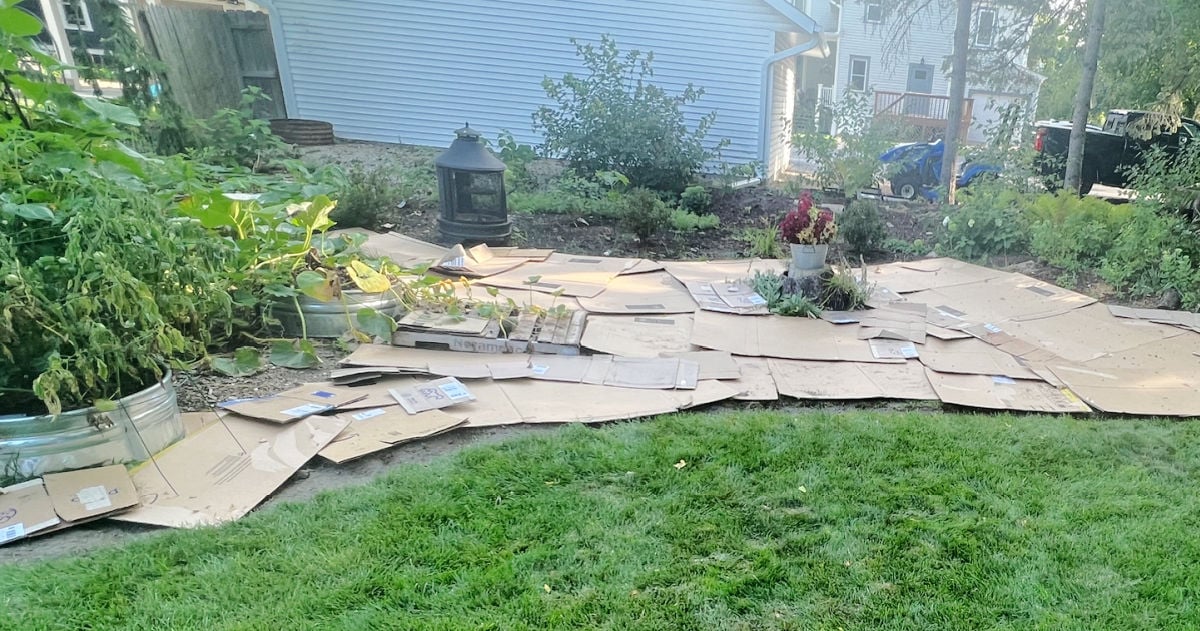
Using the cardboard smothering method is a practical and eco-friendly approach to effectively suppress weed growth in your garden. By laying down flattened cardboard, you can block sunlight from reaching the weeds, preventing their growth. This natural weed barrier decomposes over time, enriching the soil in the process. The cardboard smothering method is highly efficient in suppressing weed germination without resorting to harmful chemicals, making it a sustainable and environmentally friendly weed control solution. Not only does this technique help clear your garden of weeds, but it also sets the stage for a new garden bed free from unwanted intruders. Remember, the key to success with the cardboard smothering method lies in ensuring that the cardboard sheets are thick enough to block out sunlight effectively. Embrace this method to create a weed-free foundation for your garden while promoting soil health and sustainability.
Dealing With Deep-Rooted Weeds

Deep-rooted weeds such as dandelions necessitate thorough digging to completely eradicate all roots. When you encounter these stubborn invaders in your garden, follow these steps to effectively clear them out:
- Dig Deep: Use a sturdy garden spade to dig deep around the weed, ensuring you remove the entire root system. This thorough approach is crucial to prevent regrowth and ensure the weed doesn’t return.
- Water Treatment: If you’re dealing with particularly resilient deep-rooted weeds, try drowning their roots in water. This method can weaken the roots, making it easier to pull them out once they’ve softened.
- Mulch Cover: After digging out the deep-rooted weeds, cover the cleared area with a thick layer of mulch. This helps prevent any remaining weed roots from resurfacing and taking over your garden again.
Managing Persistent Bindweed

Regularly cultivating the soil is essential for effectively managing persistent bindweed in your garden. When dealing with bindweed, consider using weed killers or weed burners, following the manufacturer’s instructions carefully. These tools can help target the bindweed specifically without harming surrounding plants. Additionally, mulching the soil can aid in weakening bindweed roots, making them easier to remove. As autumn approaches, focus on digging up bindweed from herbaceous borders when the plants are weaker, which can make the process more successful.
After digging, ensure to clean the roots thoroughly, removing any root fragments to prevent reinfestation. Consistent weeding efforts over time are crucial in combating bindweed. Consider replacing cleared areas with well-composted beds to help weaken and eventually eliminate persistent bindweed in your garden. By staying persistent and following these methods diligently, you can effectively manage and reduce the presence of bindweed over time.
Autumn Digging for Bindweed
Consider starting your autumn gardening routine by digging over your garden to effectively tackle persistent bindweed infestations. Autumn digging is crucial for managing bindweed, as this invasive plant is preparing for winter dormancy, making it the perfect time to eradicate it. Here’s what you need to know:
- Timing is Key: Digging up bindweed in autumn prevents it from regrowing vigorously in the spring. The plant is actively storing energy in its roots during this time, making it more vulnerable to removal.
- Easier Identification: Waiting until autumn allows you to easily spot and remove bindweed roots. The distinctive heart-shaped leaves and twining vines of bindweed are more visible before the plant dies back for winter.
- Disrupting Growth: Autumn digging disrupts bindweed’s growth patterns, weakening the plant over time. By consistently removing bindweed roots in autumn, you can gradually reduce its presence in your garden.

Weakening Weeds Over Time
To weaken weeds over time and improve the health of your garden, consistently disrupting their growth cycle by digging over the soil annually is essential. This method, often referred to as the “dig method,” is advocated by renowned gardener Charles Dowding. By keeping on top of weed roots, you prevent them from establishing a strong hold in your garden, ultimately reducing their growth over time. When you disturb the soil regularly, you disrupt the weed seeds and rhizomes, making it harder for them to thrive. Additionally, placing weed foliage and roots in a black plastic sack can aid in breaking them down into compostable material. Allowing this sack to decompose into compostable sludge is an eco-friendly way to dispose of persistent weed remnants. By consistently weakening weeds over time using these methods, you can create a healthier garden environment with diminished weed growth, setting the stage for a more vibrant and flourishing garden space.
Proper Disposal of Weed Parts
:max_bytes(150000):strip_icc()/108881513-56a6d3615f9b58b7d0e4ffa8.jpg)
Disposing of weed parts properly after disrupting their growth cycle through digging can contribute to the health and sustainability of your garden. Here are some practical tips to ensure you handle weed parts effectively:
- Compost for Nutrient Recycling: Dispose of weed parts in a compost heap to recycle vital nutrients back into the soil, enriching it for your plants’ benefit.
- Natural Liquid Feed: Use the water collected from drowned weed roots as a natural liquid feed for your plants. This simple yet effective method can provide additional nourishment to your garden.
- Black Plastic Decomposition: Place weed parts in a black plastic sack to decompose into compostable sludge. This method helps speed up the decomposition process, turning weed parts into valuable compost for your garden beds.
Organic Composting Strategy

Utilizing organic composting is an effective strategy for naturally clearing a garden full of weeds while promoting healthy soil and plant growth. Organic composting involves breaking down organic materials like kitchen scraps and yard waste to enrich the soil and reduce weed growth. The decomposition process in compost piles generates heat that can kill weed seeds and roots, aiding in weed control. By incorporating compost into the garden beds, you can improve soil structure, water retention, and nutrient levels, creating an environment less conducive to weed growth. Organic composting is a sustainable and environmentally-friendly method that benefits the overall health of the garden while minimizing the need for chemical weed control.
| Organic Composting Benefits | |
|---|---|
| Breaks down organic materials | Enriches soil |
| Reduces weed growth | Kills weed seeds |
| Improves soil structure | Promotes healthy plants |
Utilizing Cover Plants

Consider incorporating cover plants like clover into your garden to effectively suppress weed growth and maintain a lush, natural landscape. Cover plants serve as a natural barrier that competes with weeds for sunlight, water, and nutrients, ultimately choking out unwanted growth. Here are three reasons why utilizing cover plants is beneficial:
- Low Maintenance: Cover plants, once established, require minimal upkeep compared to traditional weeding methods. They naturally outcompete weeds, reducing the need for constant manual removal.
- Eco-Friendly Solution: By using cover plants to choke out weeds, you are promoting a more sustainable gardening approach. These plants not only enhance the soil quality but also support biodiversity in your garden.
- Aesthetic Appeal: Cover plants offer a more natural look to your garden, creating a visually pleasing landscape that mimics the beauty of the wild. This approach is ideal for those seeking a more organic and harmonious outdoor space.
Effective Hand Tool Usage
Using hand tools effectively is crucial for precise and thorough weed removal in gardens. Hand tools such as trowels, loppers, and shears are invaluable for targeting weeds with precision. When tackling stubborn weeds with deep roots, a spade can be wielded to turn over the soil, exposing and facilitating the removal of their roots effectively. If you’re aiming for a comprehensive approach, consider double digging – a method involving digging deep into the soil layers to eliminate weeds thoroughly.
Engaging in hand tool usage for weeding demands physical fitness and time investment; however, the results are often rewarding. The satisfaction of seeing a weed-free garden can make the effort worthwhile. For larger areas or if manual weeding seems unmanageable, hiring a professional gardener might be a practical solution. They can efficiently utilize hand tools and techniques to clear out extensive weed infestations, ensuring your garden remains vibrant and healthy.

Professional Weed Removal Services
Professional weed removal services employ trained specialists who utilize efficient and tailored methods to effectively clear gardens full of weeds. When considering hiring a professional gardener for weed removal, keep in mind the following:
- Expertise: Professional weed removal services bring a wealth of knowledge and experience to the task, ensuring that the most appropriate techniques are applied for your specific garden needs. This expertise leads to a more thorough and lasting weed removal solution.
- Time-Saving: By entrusting the job to a professional, you save yourself the time and effort needed to tackle extensive weed infestations. This allows you to focus on other aspects of garden care while the professionals handle the weed removal efficiently.
- Safety: Especially in gardens where children or pets frequent, professional weed removal ensures that the methods used are safe and effective, providing peace of mind regarding the well-being of your loved ones. Hiring a professional guarantees a comprehensive approach to weed control, promoting a healthier and more appealing garden space.