

For optimal bat house placement, hang it within 25-50 feet of a water source. This proximity attracts bats while reducing disturbances. Furthermore, placing bachelor bat boxes near artificial water sources can enhance attraction for male bats and colony formation. Mitigate risks by maintaining 20-30 feet distance from tree lines to lessen predator threats. Urban vs. rural placement considerations differ due to light pollution and predator activity levels. Ensure to monitor bat activity regularly and perform maintenance tasks like cleaning and resealing every few years. By following these placement tips, you can increase your chances of attracting bat colonies and reaping the benefits.
Importance of Water Sources
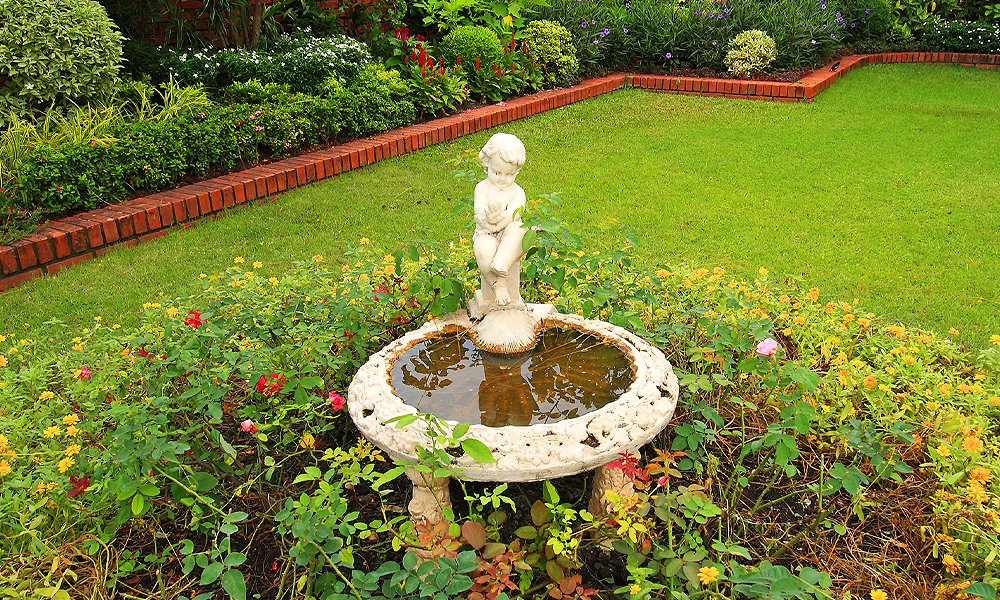
To attract bat colonies to your bat house, ensuring the availability of natural or artificial water sources within proximity is crucial. Bats are highly attracted to areas with water sources nearby, with natural water sources within 1,500 feet proving to be particularly enticing. Placing bat houses within 25-50 feet from water can significantly enhance the likelihood of bats taking up residence in them.
In instances where natural water sources are lacking, it is recommended to install 1-3 bachelor bat boxes near an artificial water source. This can mimic the appeal of natural water bodies, making the area more attractive to bat populations. Additionally, keeping bat houses 20-30 feet away from tree lines can help reduce the risks posed by predators.
For optimal bat attraction, it is essential to ensure the presence of an artificial water source near the bat boxes. This will not only enhance the habitat’s suitability but also increase the chances of bats utilizing the bat houses for roosting.
Proximity to Natural Water
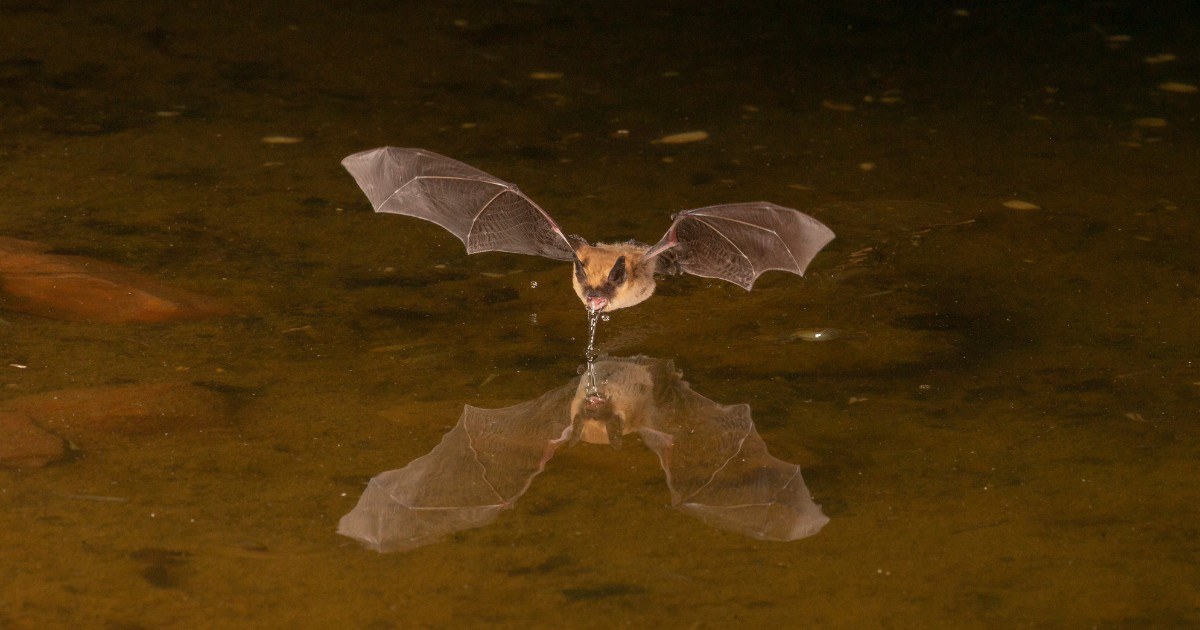
Consider the recommended distance of keeping the bat house within 1,500 feet of a natural water source to attract bat colonies effectively. Bats are drawn to water for drinking purposes and insect availability. It is crucial to maintain a balance while placing the bat house near water. Keep the bat house 25-50 feet away from the water source to prevent disturbances to the bats. This distance ensures that the bats can access the water easily without feeling threatened. If a natural water source is not available nearby, installing 1-3 bachelor bat boxes with an artificial water source close by can be an alternative. Ensure that the artificial water source is easily accessible and visible to attract bats to the bat boxes. Additionally, maintaining a distance of 20-30 feet from any tree line is advisable to reduce risks from predators and disturbances that could deter bats from inhabiting the bat house.
Bachelor Bat Box Strategy

Implementing the use of bachelor bat boxes is a strategic method to attract male bat populations for safe roosting and habitat establishment. These specially designed boxes cater to the solitary or small group roosting behavior of male bats, providing a secure space for up to 20 individuals. Placing bachelor bat boxes near an artificial water source can significantly enhance their appeal to male bats, especially in regions where natural water sources are scarce. By strategically locating these boxes close to an artificial water source, you can effectively draw in male bats seeking both shelter and hydration.
The bachelor bat box strategy serves as a proactive approach to creating an inviting habitat for male bats, ultimately contributing to the overall health and sustainability of bat populations. This method not only supports the well-being of individual bats but also fosters the potential formation of thriving bat colonies. Consider incorporating bachelor bat boxes near artificial water sources to optimize the attraction of male bats and promote a flourishing bat habitat.
Artificial Water Sources
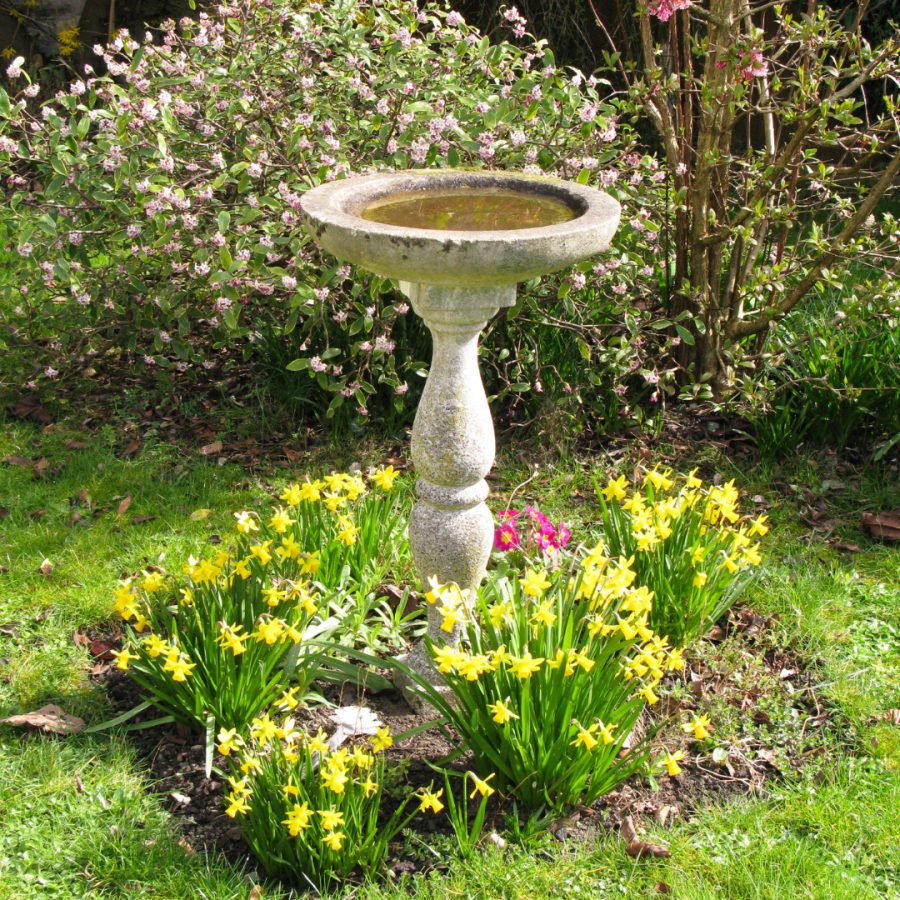
Placing artificial water sources near bat houses can effectively attract bachelor bats seeking a suitable roosting location. Bachelor bat boxes equipped with artificial water sources serve as ideal shelters for up to 20 bats. The presence of an artificial water source near a bat house significantly enhances the chances of attracting bats to the area. For optimal bat house placement, it is crucial to ensure that an artificial water source is nearby to maximize bat attraction. A well-positioned artificial water source can create favorable conditions for attracting as many as 200 bats in a bat colony, making it a key factor in successful bat house placement strategies. By incorporating artificial water sources into the vicinity of bat houses, you can increase the likelihood of bats finding and utilizing the roosting spots, ultimately contributing to the conservation and well-being of bat populations in the area.
Predator Risk Mitigation
To reduce the risk of predators targeting bat houses, ensure a distance of 20-30 feet from tree branches when placing them. Tree branches near bat houses can attract predators like owls and raccoons, increasing the threat to the bats roosting inside. Here are three key strategies to mitigate predator risks:
- Mount houses away from tree branches: By keeping bat houses a sufficient distance away from tree branches, you reduce the likelihood of predators gaining easy access. This distance makes it harder for owls and raccoons to reach the bats.
- Choose pole or building mounts: Opting for pole or building mounts over tree mounts provides better protection against predators. These locations are less accessible to climbing predators, enhancing the safety of the bat colony.
- Regularly inspect for signs of predation: Check the bat house regularly for any signs of predator activity. This proactive approach allows you to address any potential risks promptly, safeguarding the bats from harm.

Ideal Distance From Tree Line
When considering the ideal placement for bat houses, ensuring a minimum distance of 20 feet from any tree line is crucial in minimizing predator risks and creating a safe environment for bat roosting. Placing bat houses at least 20 feet away from the tree line is essential to reduce the attraction of predators that may lurk in the branches. Bats are known to avoid locations where predators can easily access them, making the distance from the tree line a critical factor in providing a secure habitat for these nocturnal creatures.
Optimal placement should be approximately 20 feet ahead of the tree line, ensuring that the vicinity around the bat house remains free from potential threats. Tree branches near bat houses can inadvertently create risks for bats by providing perches for predators. Therefore, maintaining a suitable distance from the tree line is vital in safeguarding the bats’ roosting site. By adhering to this guideline, you can enhance the safety and well-being of the bat colony that chooses to inhabit the bat house.
Optimal Hanging Height
For optimal bat house placement, consider mounting the structures at a height between 12 and 20 feet above the ground to attract bats effectively. This height range provides bats with a secure and suitable roosting environment. Here are some key factors to consider for proper installation:
- Height Range: Aim for a height of around 20 feet for the best results, as this elevation is more attractive to bats seeking roosting sites.
- Mounting Method: Utilize two 20-foot posts for mounting the bat houses. This setup offers flexibility in adjusting the height and positioning for optimal bat attraction.
- Post vs. Trees: Opt for posts over trees when installing bat houses. Posts provide a more stable and consistent mounting surface that tends to attract bats more effectively.

Sunlight and Temperature Considerations
Proper orientation of the bat house towards the southeast or southwest ensures optimal sunlight exposure, a critical factor in attracting bats for roosting based on their warmth requirements. Bats are attracted to locations that receive 2-8 hours of direct sunlight daily, as this sunlight warms the interior of the bat house, making it an inviting roosting spot. Female bats, in particular, seek warm places to avoid cold temperatures, making morning sun exposure essential for enticing them to nest in the bat house.
When installing a bat house, consider the angle of the sun throughout the day to ensure consistent warmth inside. Morning sun exposure is particularly beneficial as it helps maintain the temperature within the bat house, creating a comfortable environment for bats to rest and raise their young. By strategically placing the bat house to receive adequate sunlight, you increase the chances of attracting bats and promoting successful roosting activity.
Wind and Shelter Factors
Consider the impact of wind direction and the availability of shelter when determining the placement of a bat house. Wind plays a crucial role in the microclimate inside the bat house, affecting temperature regulation and overall comfort for roosting bats. Sheltered locations can provide a more stable environment by offering protection from strong winds, ensuring that the bat house remains an attractive roosting spot. Here are three key points to remember when considering wind and shelter factors for bat house placement:
- Wind Direction: Position the bat house so that the entrance is not directly facing prevailing winds to prevent drafts and maintain a more stable internal temperature for bats.
- Sheltered Locations: Look for areas around trees, buildings, or other structures that can act as natural windbreaks to shield the bat house from strong winds, creating a calmer environment for bats to roost.
- Impact on Stability and Heat Retention: Wind can affect the stability of the bat house, so choose a sheltered location that also helps the structure retain heat, making it more appealing to bats seeking a cozy roosting spot.
:max_bytes(150000):strip_icc()/__opt__aboutcom__coeus__resources__content_migration__mnn__images__2016__10__bat-houses-pine-trees-7b9b9354942c47a2a0936f7ba2b6d448.jpg)
Seasonal Considerations
When planning the placement of bat houses, timing plays a crucial role in maximizing occupancy rates and providing suitable roosting options for bats. Early spring is an ideal time for installing bat houses to attract bats before the mating season begins. Spring installations have been shown to lead to quicker occupancy rates by providing bats with suitable roosting options before the summer months. By placing bat houses in early spring, you increase the chances of attracting maternity colonies, as bats seek out secure locations for raising their young. Additionally, installing bat houses during this time enhances the likelihood of attracting bats for the breeding season, contributing to the overall success of your bat house placement efforts. Therefore, if you aim to encourage bats to inhabit your bat houses efficiently, consider the benefits of spring installations to optimize occupancy rates and provide bats with favorable roosting opportunities.
Urban Vs. Rural Placement
Urban areas present unique challenges and considerations for the placement of bat houses compared to rural environments. When deciding whether to place a bat house in an urban or rural setting, there are key factors to take into account:
- Light Pollution: Urban areas tend to have more light pollution, which can negatively impact bat roosting habits. Bats are nocturnal creatures that prefer dark environments, so excessive artificial lighting may deter them from using bat houses.
- Natural Habitats: Rural areas provide more natural habitats for bats, with less disturbance from human activities. This makes rural settings more attractive to bats seeking suitable roosting locations, increasing the likelihood of bat house occupancy.
- Predator Activity: Urban areas may have higher predator activity, such as domestic cats, which can pose a threat to bats roosting in bat houses. This increased predation risk in urban environments may influence the success of bat house placement.

Monitoring and Maintenance Tips
In order to maintain the effectiveness of your bat house and ensure optimal conditions for bat occupancy, implementing regular monitoring and maintenance practices is crucial. Regularly check for signs of bat activity, such as droppings or guano near the bat roost, to track their presence. Perform maintenance tasks like cleaning and resealing every few years to keep the bat house functional and attractive to bats. Monitor temperature fluctuations and sunlight exposure to optimize conditions for attracting bats to the house. It’s important to keep an eye out for any damage or wear and tear that may require prompt repairs to maintain the bat house’s efficacy in providing a suitable habitat for bats. By staying vigilant and proactive in monitoring and maintaining your bat house, you can enhance its efficiency in supporting bat colonies and contribute to bat conservation efforts effectively.
Attracting Bat Colonies
To attract bat colonies to your bat house, ensuring the availability of water sources, both natural and artificial, is essential for their habitation and establishment. Bats are drawn to areas with accessible water for drinking and foraging, increasing the chance to attract them to your bat house. Here are some key points to consider:
- Natural Water Sources: Having natural water sources like ponds, streams, or lakes within 1,500 feet of your bat house can significantly enhance the likelihood of attracting bat colonies. Bats rely on these sources for drinking and hunting insects, making them more inclined to inhabit nearby bat houses.
- Artificial Water Sources: Installing artificial water sources such as birdbaths or small ponds close to your bat house can also entice bats, especially bachelor bats, to form colonies. These water sources provide additional hydration and insect foraging opportunities, making the area more attractive for bats.
- Bachelor Bat Boxes: Providing bachelor bat boxes near your bat house can accommodate up to 20 bats, fostering the formation of colonies. These boxes offer roosting spaces for bats and can contribute to the growth of a thriving bat community.
Benefits of Bat House Placement
Strategically placing bat houses in optimal locations offers various benefits that can enhance the likelihood of attracting and maintaining bat colonies. Proper placement of bat houses increases the chances of attracting bats to roost in these artificial structures. When positioned in ideal locations, bat houses receive sufficient sunlight exposure, providing warmth for the bats and attracting insects for them to feed on. Correct placement also plays a crucial role in reducing the risk of predation and disturbance to bat colonies, ensuring their safety and well-being.
Moreover, strategic placement near water sources can further enhance bat attraction and colony formation, as bats are drawn to areas with readily available water for drinking and hunting. Optimal placement away from tree lines is also essential, as it helps protect bats from predators and disturbances that may disrupt their roosting habits. By considering these factors and ensuring proper bat house placement, you can create an environment that is conducive to the establishment and sustainability of bat colonies.