

Inspect plant soil for small silken sacs, colored off-white, yellowish, or brown, similar in size to a penny. These are likely spider eggs. Differentiate them from harmful pests like spider-mite eggs. Females usually lay multiple egg sacs. Spider eggs need moisture and nutrients to develop. If interested in effective removal methods and prevention strategies, consider using products like ‘Web Out,’ introducing natural predators like ladybugs and lacewings, or alternatives like rubbing alcohol. Proper disposal of vacuumed sacs prevents reinfestation. Explore further for specific spider control solutions and long-term management techniques.
Spider Egg Identification Techniques
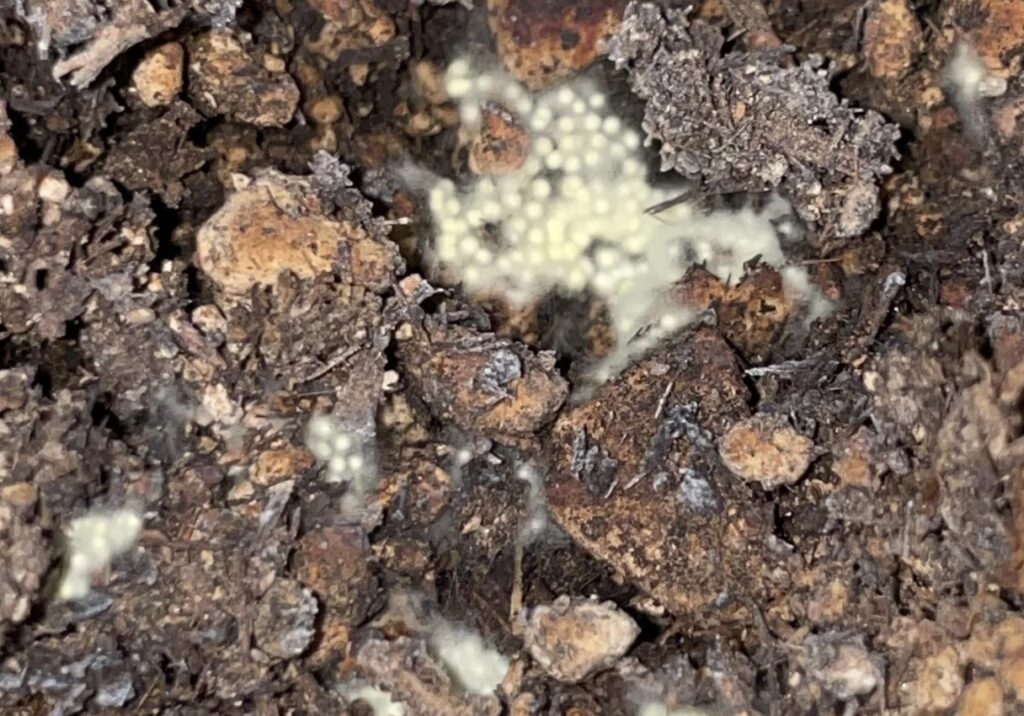
To accurately identify spider eggs in plant soil, carefully examine small, silken sacs resembling tiny pearls that are typically off-white, yellowish, or brown in color and protected by silk threads. These eggs are comparable in size to a penny, with a soft round center. Female spiders have the ability to produce multiple egg sacs, each containing numerous eggs. It is crucial to differentiate spider eggs from harmful pests like spider-mite eggs by understanding their distinct characteristics. By closely inspecting the plant soil, you can locate these sacs and observe their unique appearance. Spider eggs are commonly found nestled within the soil, hidden among the roots or debris. The silk threads that envelop the sacs provide protection and support for the developing eggs. By familiarizing yourself with these key features, you can effectively identify spider eggs in plant soil and take appropriate measures to manage their presence.
Recognizing Egg Sac Characteristics
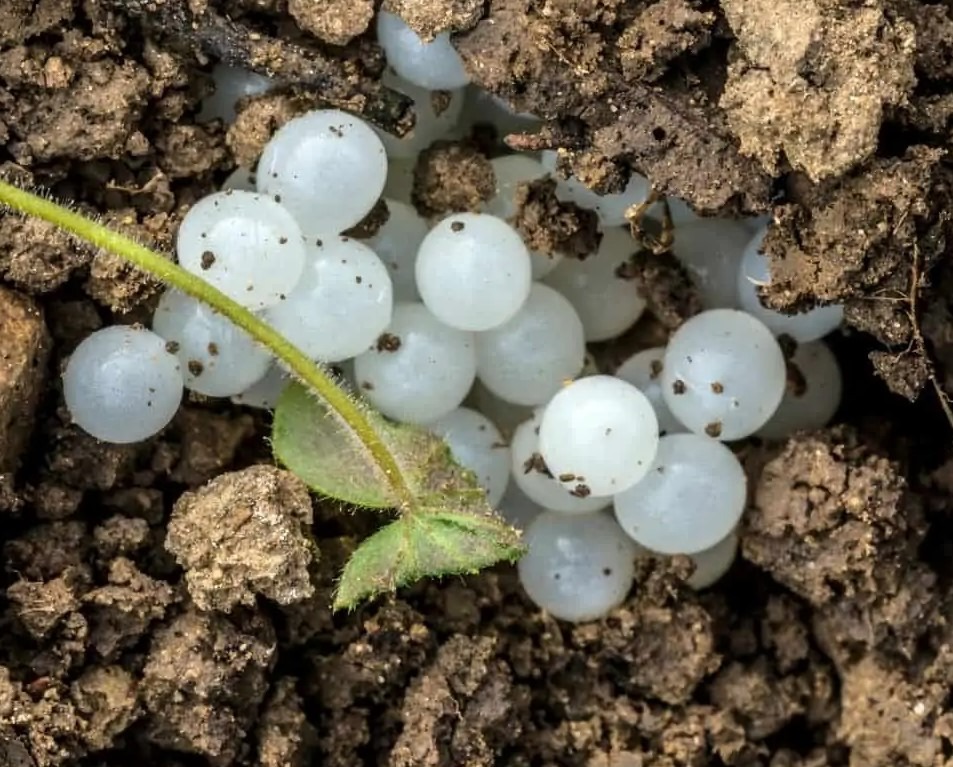
Examining spider egg sacs closely reveals distinctive characteristics crucial for accurate identification in plant soil. Spider eggs are typically housed in silken sacs that are creamy white and spherical. These sacs are shielded by silk threads and can exhibit colors ranging from white to brown or yellow. The size of a spider egg sac is akin to that of a penny, often appearing disc-shaped with a soft, round center. Female spiders have the ability to produce multiple tiny egg sacs, each displaying unique colors depending on the spider species. Spider eggs necessitate consistent moisture and nutrients to develop, sometimes resembling fluffy silk balls or round formations with spikes. By recognizing these egg sac characteristics, you can effectively locate and differentiate spider eggs within plant soil, aiding in the process of removal and pest control. Remember to handle any potential spider eggs with care to prevent unintentional hatching.
Understanding Spider Life Cycle
:max_bytes(150000):strip_icc()/5777792881_416492be72_o-d10c366a21384dd296d6e4b57ad7bc18.jpg)
Understanding the spider life cycle is fundamental for effectively managing and controlling spider populations in plant soil. Spiders, being prolific reproducers, can lay up to 3000 eggs at a time and follow a life cycle comprising egg, spiderling, and adult stages. Here are some key points to consider:
- Egg Deposition: Spiders lay their eggs in the soil, where they require constant moisture and nutrients for proper development.
- Spiderling Stage: Once hatched, spiderlings can pose a threat to plants by damaging roots and seedlings, potentially leading to root rot.
- Nutrient Absorption Issues: Weak seedlings may succumb to nutrient absorption issues caused by the presence of spider eggs in the soil.
- Lifecycle Impact: Understanding the progression from egg to spiderling to adult can help in identifying and addressing spider infestations promptly to prevent further damage to plant roots.
Soil Damage From Spider Eggs

Spider eggs in plant soil can cause significant damage by depleting moisture and nutrients, potentially leading to fungal growth. When spider eggs hatch, the emerging spiderlings can harm plant roots and seedlings, increasing the risk of root rot. The presence of spider eggs interferes with nutrient absorption, affecting the overall health of plants. Weak seedlings are particularly vulnerable, as the issues caused by spider eggs can impede their ability to absorb essential nutrients, resulting in potential death.
To mitigate soil damage from spider eggs, it is crucial to take proactive measures. Consider techniques such as allowing the soil to dry out, as this can deter spiders from laying eggs. Additionally, using targeted pesticides can help control spider populations and prevent further damage to the soil and plants. By being vigilant and implementing preventive strategies, you can safeguard your plants against the detrimental effects of spider eggs in the soil.
Prevention Measures for Spider Infestations

To prevent spider infestations in your garden, maintaining a balanced ecosystem with rich organic matter in the soil is essential. Spiders play a crucial role in controlling harmful insects, contributing to a healthier garden environment. Here are some prevention measures to help manage spider infestations effectively:
- Promote biodiversity: Encourage a diverse range of plants in your garden to attract different insects, providing spiders with ample food sources.
- Reduce pesticide use: Minimize the use of chemical pesticides, as these can harm spiders and disrupt the natural pest control they provide.
- Regularly remove debris: Clean up garden debris regularly to eliminate hiding spots for pests and reduce the likelihood of spider infestations.
- Monitor plant health: Regularly inspect plants for signs of pest infestations, as healthy plants are less likely to attract large numbers of spiders laying eggs in the soil.
Effective Soil Drying Methods

Encouraging proper soil drying techniques can serve as an effective strategy to hinder the hatching of spider eggs and manage spider populations in your garden. Spider eggs require a certain level of moisture to develop and hatch into spiderlings. By drying out the soil, you disrupt the ideal conditions for spider egg maturation, preventing the emergence of new spiders. To effectively dry the soil, ensure good drainage in your pots or garden beds to prevent water from accumulating. Avoid overwatering your plants, as excess moisture can create a favorable environment for spider eggs to thrive. Additionally, exposing the soil to sunlight can aid in drying it out naturally. Monitoring the soil moisture levels regularly and only watering when necessary can help maintain a drier environment that is less conducive to spider egg development. By implementing these soil drying methods, you can naturally control the population of spiders in your garden and reduce the risk of spider egg infestations.
Using Bacillus Thuringiensis Israelensis

Implementing the use of Bacillus Thuringiensis Israelensis, a natural bacteria-based insecticide, can effectively target and eliminate spider eggs in plant soil. This eco-friendly option acts specifically against mosquito, blackfly, and fungus gnat larvae, which may prey on spider eggs. Here’s why Bacillus Thuringiensis Israelensis is a great choice for managing spider eggs:
- Targets and kills mosquito, blackfly, and fungus gnat larvae
- Disrupts the larvae’s digestive system, leading to mortality
- Safe for plants, animals, and humans
- Prevents spider egg infestations with regular application
Applying Crystalline Pesticides
The application of crystalline pesticides is a targeted method for effectively addressing and eliminating spider eggs present in plant soil. These pesticides, known for their efficacy, play a crucial role in breaking the life cycle of spider eggs, preventing hatching and subsequent infestation. By disrupting the development and survival of spider eggs, crystalline pesticides serve as a proactive measure to control and remove these pests from plant soil. When applied correctly, these pesticides can penetrate the soil to reach the hidden crevices where spider eggs may be nestled, ensuring thorough eradication. The crystalline nature of these pesticides allows for precise targeting, minimizing the impact on non-target organisms while maximizing effectiveness against spider eggs. Incorporating crystalline pesticides into your pest management strategy can significantly reduce the presence of spider eggs in plant soil, contributing to a healthier and more pest-resistant environment for your plants.

Spider-Specific Pest Control Solutions
Utilize spider-specific pesticides like Web Out directly on spider eggs to effectively target and eliminate them. These pesticides are designed to specifically act on spider eggs, disrupting their development and preventing hatching. When dealing with spider eggs in plant soil, it is essential to choose products that are safe for plants and the environment while being effective against spiders.
- Web Out: Apply directly on spider eggs for targeted elimination.
- Lacewings and Ladybugs: Introduce these natural predators to manage spider populations in the garden.
- Rubbing Alcohol, Hydrogen Peroxide, or Insecticidal Soap: Consider these alternatives to kill spider eggs in plant soil.
- Proper Disposal: Ensure vacuumed egg sacs are disposed of correctly to prevent reinfestation.
Implementing Biological Controls
Consider introducing ladybugs and lacewings as biological controls to effectively manage spider populations in the garden. These predators play a crucial role in maintaining the natural balance by preying on spider eggs and spiderlings. Ladybugs, in particular, are voracious eaters of spider eggs, making them a valuable addition to your garden ecosystem. By introducing these beneficial insects, you can reduce the need for chemical pesticides while effectively controlling spider populations.
Ladybugs and lacewings are known for their appetite for pests like spider eggs, helping to keep the spider population in check. These predators actively seek out and consume both adult spiders and their eggs, thus contributing to a sustainable and eco-friendly method of pest control. Implementing biological controls not only targets the current spider population but also prevents future infestations by addressing the source – the spider eggs. By harnessing the power of these natural predators, you can maintain a healthy garden environment without relying on harmful chemicals.