

Hummingbirds are drawn to Jasmine, especially Star Jasmine, for nesting in its secure structure and fragrant blooms. These plants provide a cozy environment for nests and essential nectar for energy. The sweet scent attracts hummingbirds, enhancing their vitality. Jasmine’s dense foliage offers hiding spots and protection for nests. Their attraction to Star Jasmine is noticeable in their nesting behavior. If you want to discover more about how these delicate birds interact with Jasmine plants and the benefits they receive from them, continue exploring the intricate relationship between hummingbirds and this beloved plant species.
Hummingbirds’ Attraction to Jasmine

Hummingbirds frequently choose Star Jasmine as their preferred nesting spot due to its secure structure and fragrant flowers, indicating a strong attraction to this plant species. Star Jasmine provides a secure and comfortable environment for hummingbird nests, allowing them to thrive in a habitat that meets their needs. The fact that hummingbirds are often observed nesting in Star Jasmine suggests a preference for this particular plant over others in their environment.
Star Jasmine thrives in full sun, making it an ideal location for hummingbird nests as it provides the necessary warmth and light for their eggs to develop successfully. The proximity of the hummingbird nest to the Star Jasmine plant further supports the theory that hummingbirds are drawn to this plant species for nesting purposes.
In addition to the structural benefits, the fragrant flowers of the Star Jasmine may also play a role in attracting hummingbirds. The scent of the flowers could act as a natural lure for hummingbirds seeking out suitable nesting locations.
Benefits of Jasmine for Hummingbirds

Jasmine flowers offer a rich source of nectar, providing essential energy for hummingbirds as they go about their daily activities. The fragrant nectar found in Jasmine plants is a vital source of sustenance for hummingbirds, aiding in their overall health and well-being. By including Jasmine in your garden, you are creating a sanctuary for these tiny creatures, offering them a nesting oasis and a place to replenish their energy reserves.
| Jasmine Benefits | Hummingbird Health |
|---|---|
| Rich in Nectar | Provides Essential Energy |
| Fragrant Aroma | Contributes to Hummingbird Vitality |
| Natural Nesting Spot | Creates a Safe Haven for Hummingbirds |
The sweet scent of Jasmine not only attracts hummingbirds but also plays a crucial role in supporting their energy requirements. Furthermore, the dense foliage of Jasmine plants can serve as a hiding spot for hummingbird nests, adding to the sense of security and tranquility that Jasmine offers to these remarkable birds.
Jasmine Varieties Preferred by Hummingbirds
:max_bytes(150000):strip_icc()/hummingbird-w-lantana-big-5792aed85f9b58173bc9f2cd.jpg)
Among the various Jasmine varieties that attract hummingbirds, Star Jasmine stands out for its unique characteristics and benefits. Hummingbirds are particularly drawn to Star Jasmine plants for nesting and resting spots. The fragrant flowers of Star Jasmine emit a sweet scent that entices hummingbirds, making it a preferred variety for these tiny birds. Additionally, hummingbirds may visit Jasmine plants like Star Jasmine to feed on insects that are attracted to the flowers, providing them with a source of food. Jasmine varieties like Star Jasmine also offer cover and protection for hummingbirds, creating a safe environment for them to thrive. By planting Jasmine, especially Star Jasmine, in your garden, you can effectively attract hummingbirds and provide them with a welcoming habitat to visit and potentially nest. The fragrance and characteristics of Star Jasmine make it a top choice for hummingbird enthusiasts looking to enhance their gardens and attract these delightful birds.
Jasmine as a Hummingbird Habitat

The intricate structure of Jasmine plants provides an ideal habitat for nesting hummingbirds. These plants offer a safe and secure environment for hummingbirds to build their nests due to the dense coverage and protection the leaves provide. Jasmine’s nesting preferences align perfectly with the needs of these tiny birds, ensuring a comfortable spot for their offspring to grow.
To illustrate the benefits of Jasmine as a hummingbird habitat, let’s delve into the shelter benefits, nesting preferences, and feeding attraction in the table below:
| Shelter Benefits | Nesting Preferences | Feeding Attraction |
|---|---|---|
| Dense coverage | Safe and secure | Sweet nectar |
| Protection from predators | Comfortable environment | Food availability |
| Aesthetic appeal | Ideal nesting spot | Fragrant flowers |
The presence of Jasmine plants in a garden not only enhances the visual appeal but also creates a welcoming environment for hummingbirds to frequent, nest, and feed.
Jasmine’s Impact on Hummingbird Behavior

An essential aspect to consider when studying hummingbirds is how Jasmine plants influence their behavior in various ecological contexts. Jasmine’s impact on hummingbird behavior is profound, particularly concerning nesting preferences and foraging patterns. The fragrant blossoms of Jasmine not only attract hummingbirds but also serve as potential nesting materials. The sweet scent of Jasmine plays a significant role in drawing hummingbirds to build their nests nearby, enhancing the appeal of the nesting area.
Moreover, the climbing nature of Jasmine provides structural support for hummingbird nests, contributing to nest security and ultimately increasing nesting success. The presence of Jasmine near a hummingbird nest creates a safe and comfortable environment for these tiny birds to raise their young. Additionally, the aromatic scent of Jasmine can also attract other pollinators like bees and butterflies, enriching the ecosystem around the hummingbird nest and potentially increasing foraging opportunities for the hummingbirds.
Jasmine Planting Tips for Hummingbirds
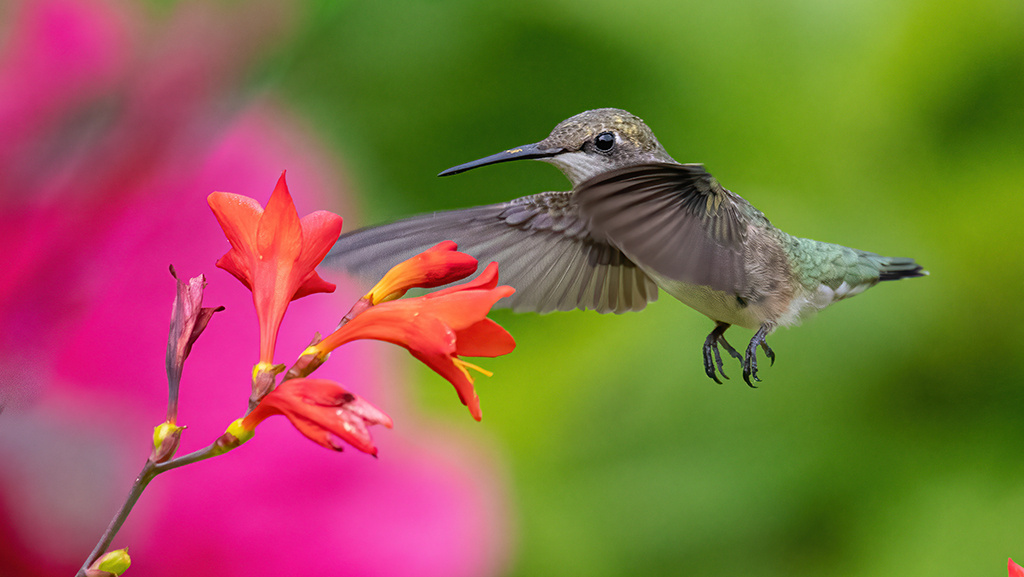
When planting Jasmine to attract hummingbirds, consider the strategic placement of the plants to optimize their appeal to these tiny avian visitors. Hummingbirds are known to be attracted to Jasmine plants for their fragrant flowers and abundant nectar. To cater to their nesting preferences, planting Jasmine near their nests can provide a natural food source for the birds and offer a safe and comfortable resting spot, especially with varieties like Star Jasmine. These plants not only serve as a food source but also attract insects that hummingbirds feed on. By adding Jasmine to a garden alongside other hummingbird-friendly plants, you can create a welcoming environment that supports their feeding habits and conservation efforts. Strategic planting of Jasmine can enhance the overall habitat quality for hummingbirds, contributing to their well-being and promoting conservation of these delightful avian creatures.
Jasmine’s Role in Hummingbird Gardens

Consider Jasmine’s pivotal function in fostering hummingbird activity within a garden setting. Jasmine plants, particularly Star Jasmine, offer numerous benefits in hummingbird gardens. These plants act as crucial components of hummingbird habitats, attracting these tiny birds with their nectar-rich flowers. The trailing growth habit of Star Jasmine provides ideal spots for hummingbird nests, promoting nesting activities within the garden.
In hummingbird-friendly gardens, Jasmine plants play a significant role in attracting and sustaining hummingbird populations. The scent of Jasmine flowers acts as a powerful attractant, drawing hummingbirds to the garden for feeding and potential nesting sites. Additionally, the sensory appeal of Jasmine’s sweet fragrance enhances the overall allure of the garden for hummingbirds.
Jasmine Nectar and Hummingbirds
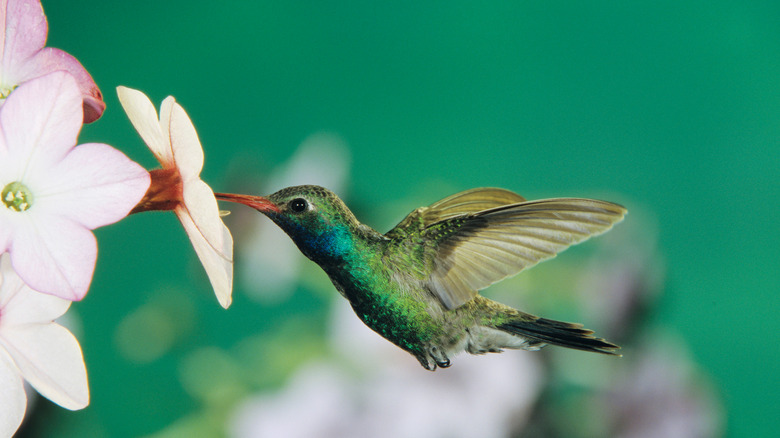
Hummingbirds are naturally drawn to the sweet nectar produced by jasmine flowers, making them a valuable food source for these tiny birds in garden environments. The nectar availability of jasmine plants plays a crucial role in attracting hummingbirds, who rely on this energy-rich substance for sustenance. The scent attraction of jasmine blooms further enhances their appeal to hummingbirds, guiding these agile creatures towards the floral treasures.
Moreover, the color preference of hummingbirds aligns with the vibrant hues often found in jasmine flowers, signaling to these birds that a potential food source is nearby. When foraging for food, hummingbirds may actively seek out jasmine plants due to the nectar rewards they offer. This intricate interplay between scent, color, and nectar availability highlights the sophisticated feeding habits of hummingbirds and underscores the significance of jasmine as a resource for these remarkable avian species. By understanding these dynamics, gardeners can strategically incorporate jasmine to attract and support hummingbird populations in their outdoor spaces.
Jasmine Blooming Seasons for Hummingbirds

Jasmine plants typically bloom in the spring and summer, coinciding with peak hummingbird activity and nesting season. This timing aligns with the hummingbirds’ nesting preferences and breeding behaviors. During the blooming seasons, hummingbirds are actively seeking suitable nesting sites to lay their eggs and raise their young. The sweet fragrance and nectar of jasmine flowers attract hummingbirds, making these plants an ideal choice for nesting spots.
Hummingbirds exhibit specific migration patterns, with many species traveling long distances to reach their breeding grounds. Jasmine plants blooming along these migration routes provide essential food sources for the birds during their journey. The availability of nectar-rich flowers like jasmine can significantly impact the success of hummingbird breeding behaviors. Planting jasmine near hummingbird feeders or other flowering plants can create a supportive environment for these birds throughout their nesting season, ultimately contributing to their overall well-being and population sustainability.
Jasmine Nesting Sites for Hummingbirds
The dense foliage and sturdy structure of Jasmine plants make them attractive nesting sites for hummingbirds. Hummingbirds have specific nesting preferences, and certain Jasmine varieties align well with their needs. The structure of Jasmine provides good coverage and protection for hummingbird nests, ensuring they remain hidden from predators. Additionally, the fragrant flowers of Jasmine can attract insects, serving as a valuable food source for nesting hummingbirds.
Hummingbirds exhibit particular nesting behaviors, and Jasmine plants offer suitable features to accommodate these actions. They can use Jasmine vines or shrubs to anchor their nests securely in place, contributing to nesting security. Furthermore, having Jasmine plants near hummingbird nests can enhance the overall habitat by providing additional perching spots and foraging opportunities. This symbiotic relationship between hummingbirds and Jasmine plants illustrates the benefits that these plants offer as nesting sites.
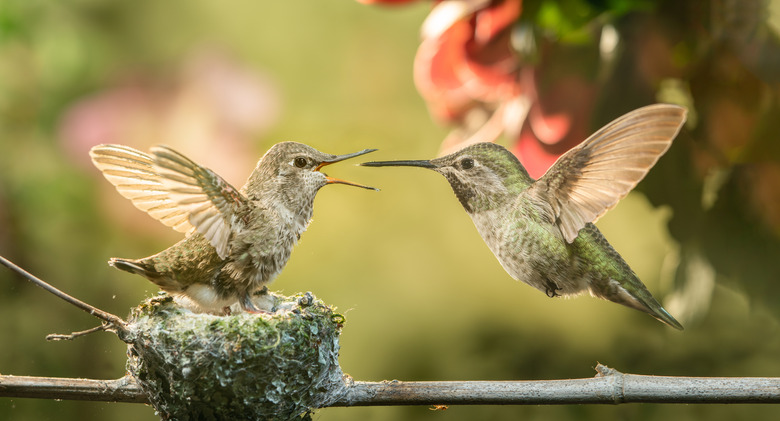
Jasmine Shelter for Hummingbirds
Utilizing Jasmine plants as shelter, hummingbirds benefit from the dense foliage and secure nesting locations provided by varieties like Star Jasmine. These plants cater to hummingbirds’ nesting preferences by offering a secluded environment close to human habitation. The dense foliage not only provides safety and protection but also acts as a natural camouflage, shielding the delicate nests from potential predators.
Moreover, the fragrant attraction of Jasmine plants enhances the feeding opportunities for hummingbirds. The sweet-scented flowers draw in insects that hummingbirds feed on, creating a symbiotic relationship within the ecosystem. By strategically placing Jasmine plants near hummingbird feeders or other nectar-rich flowers, you can further enrich the habitat for these tiny birds, encouraging their presence and activity in your garden.
Jasmine Maintenance for Hummingbirds
Maintaining Jasmine plants to support hummingbirds involves consistent pruning and strategic placement in your garden. Here are some tips to help create an optimal environment for hummingbirds:
- Nesting spots: Hummingbirds are drawn to Jasmine plants, like Star Jasmine, for nesting and resting spots. By maintaining your Jasmine plants well, you provide hummingbirds with safe and comfortable areas to build their nests.
- Camouflage benefits: Jasmine plants offer shelter and camouflage for hummingbird nests. Proper maintenance ensures that the plants remain lush and dense, providing ample coverage for nesting hummingbirds.
- Pruning tips: Regular pruning of Jasmine plants is essential to keep them healthy and vibrant. Trim any dead or overgrown branches to promote new growth and maintain an attractive appearance for both hummingbirds and your garden.
- Companion planting: Pairing Jasmine plants with other nectar-rich flowers can enhance the overall attractiveness of your garden to hummingbirds. Consider planting complementary flowers to create a diverse and appealing habitat for these beautiful birds.
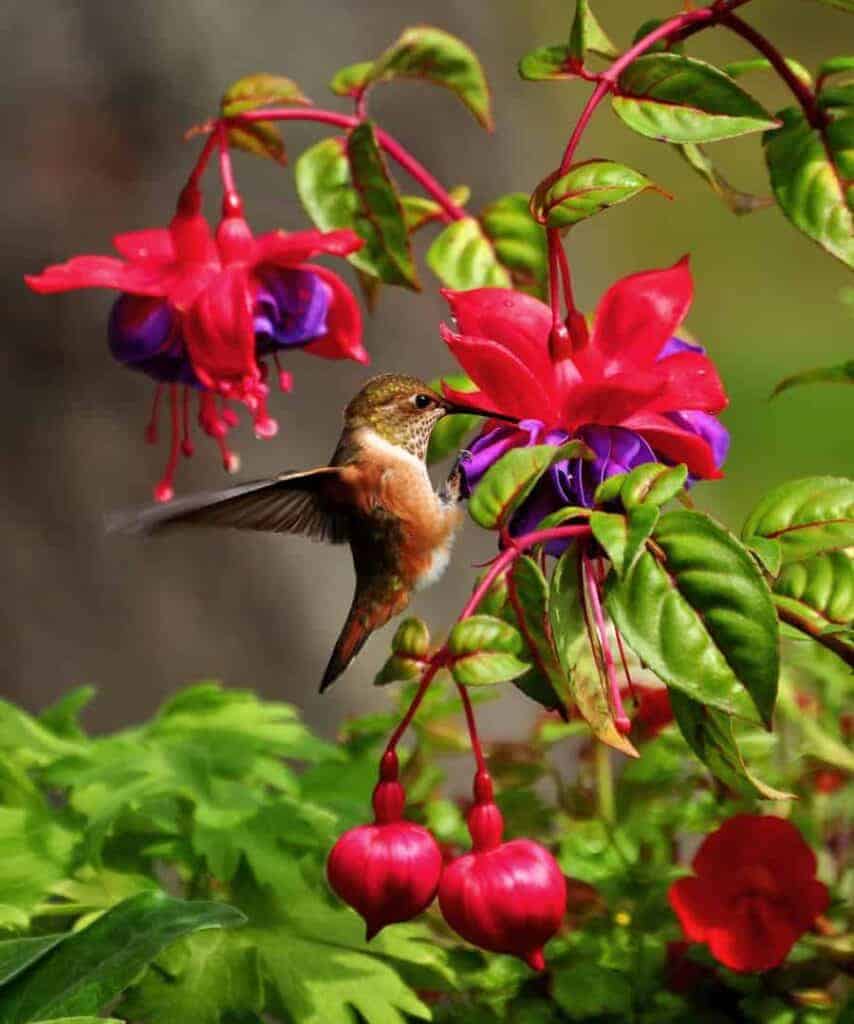
Jasmine and Hummingbird Feeding Habits
To understand the intricate relationship between Jasmine plants and hummingbirds, let’s explore how these fascinating birds interact with the nectar-rich flowers in your garden. Jasmine’s tubular flowers, brimming with sweet nectar, serve as a vital food source for hummingbirds. As these birds hover near the Jasmine blooms, their long, slender bills easily probe the flowers for nectar, showcasing a perfect match between the plant’s structure and the bird’s feeding behavior.
The mutualistic relationship between Jasmine and hummingbirds extends beyond mere feeding habits. Hummingbirds, in their quest for nectar, unintentionally aid in pollination as they move from flower to flower. This beneficial interaction not only benefits the birds by providing sustenance but also contributes to the pollination of Jasmine plants, ensuring their reproductive success.
Seasonal patterns play a crucial role in the behavioral interactions between Jasmine and hummingbirds. During the flowering season, hummingbirds frequent Jasmine plants more often, driven by the abundance of nectar. Understanding these seasonal fluctuations can help in creating a hospitable environment for hummingbirds in your garden.
Jasmine’s Contribution to Hummingbird Conservation
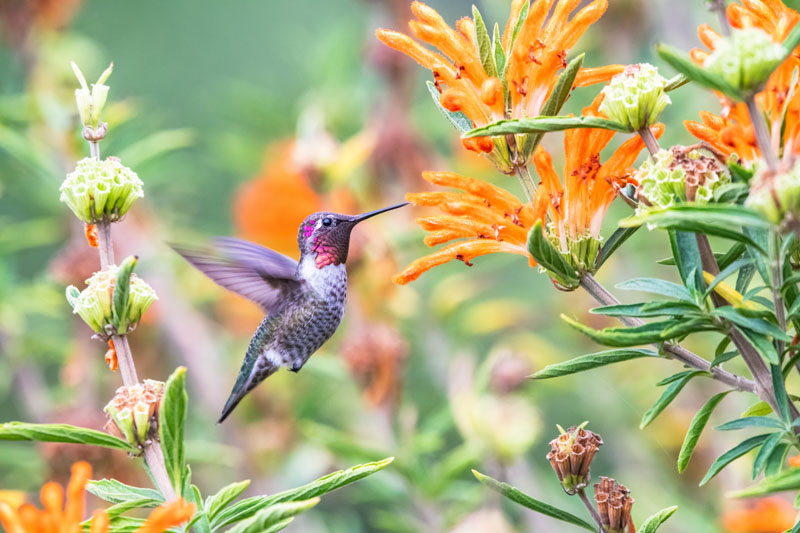
Jasmine plants play a crucial role in supporting hummingbird conservation efforts by providing a valuable food source and habitat for these vibrant avian species. When considering Jasmine’s contribution to hummingbird conservation, several essential points come to light:
- Jasmine conservation: By planting Jasmine in your garden or supporting the preservation of natural Jasmine habitats, you are indirectly aiding in the conservation of hummingbird populations.
- Hummingbird habitat: Jasmine plants attract hummingbirds due to their sweet fragrance and nectar-rich flowers, creating vital foraging grounds and potentially supporting breeding activities.
- Ecosystem enhancement: The presence of Jasmine in an ecosystem can enhance biodiversity and provide a stable food source for hummingbirds, contributing to the overall health of the environment.
- Sustainable practices: Encouraging the growth of Jasmine and other native plants ensures the sustainability of hummingbird habitats, promoting long-term conservation efforts for these delightful birds.