

Embark on an exploration of Ohio’s hummingbirds: the Ruby-Throated, Rufous, and sporadically seen Black-Chinned species. The Ruby-Throated, known for iridescent green males and streaked females, migrates from Ohio to Mexico. Rufous hummingbirds prefer open areas, with a migration route stretching from the Pacific Northwest to Mexico. The Black-Chinned boasts metallic green bodies and violet throats, thriving mainly in western states. Witness their vibrant beauty and distinct features within Ohio’s landscape. The maps and pictures reveal more about their habitats and migration patterns.
1. Ruby-Throated Hummingbird Overview

Ruby-throated hummingbirds, the sole type found in Ohio, boast distinctive physical features that make them easily recognizable in the region. Males exhibit an iridescent green head, while females showcase green streaks and a pale belly. One striking characteristic of males is their bright red throat, contrasting with the white throat of females. These tiny creatures have a remarkable migration route that spans from Ohio to Mexico, crossing the Gulf of Mexico, which explains their prevalence in gardens and parks in Ohio during the appropriate seasons. To attract these fascinating birds to your backyard, consider setting up nectar feeders and planting tubular flowers, which mimic the natural food sources of these delicate creatures. Ruby-throated hummingbirds have the incredible ability to beat their wings up to 53 times per second, allowing them to hover effortlessly while feeding on nectar-filled flowers and tiny insects. Their presence adds a touch of vibrancy and natural beauty to the Ohio landscape.
2. Rufous Hummingbird Habitat and Migration

During their migration, Rufous Hummingbirds can be found in habitats that feature a mix of open areas and forests, particularly thriving in mountainous regions. Here are some key facts about Rufous Hummingbird habitat and migration:
- Habitat Preference: Rufous Hummingbirds prefer habitats with a blend of open spaces and forested areas, commonly seen in mountainous regions.
- Migration Route: These hummingbirds migrate from their breeding grounds in the Pacific Northwest to their wintering grounds in Mexico, traveling one of the longest migration routes of any hummingbird species, covering up to 4,000 miles round trip.
- Aggressive Behavior: Rufous Hummingbirds are known for their aggressive nature, fiercely defending territories and food sources against other hummingbirds.
- Nectar Sources: The timing of Rufous Hummingbird migration aligns with the blooming of specific flowers along their route, providing crucial nectar sources for their journey.
3. Black-Chinned Hummingbird Characteristics
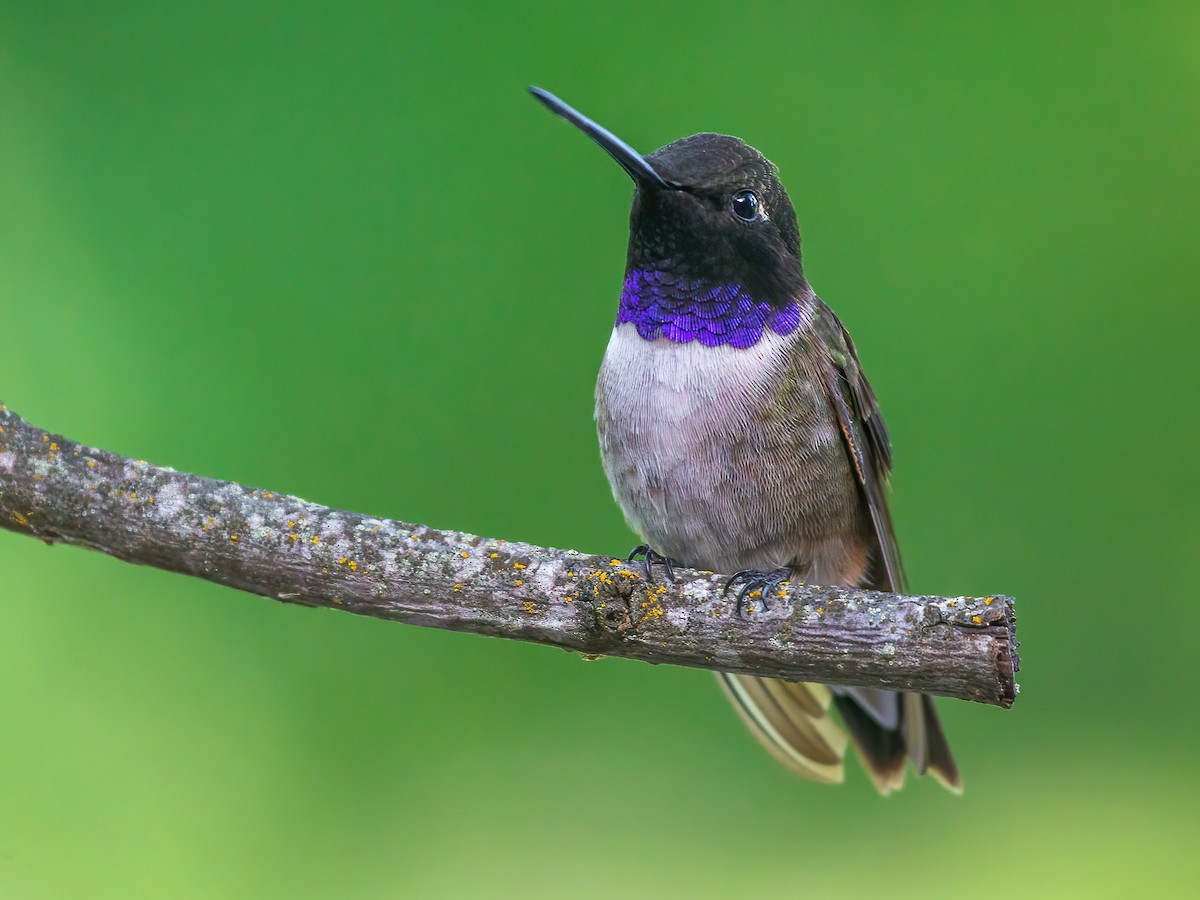
Black-chinned hummingbirds exhibit striking physical features, including metallic green bodies and iridescent violet throats. These small birds are known for their distinctive white breast markings and dark-spotted grey throats in females. The males sport a green cap that adds to their charm. While primarily found in western states, Black-chinned hummingbirds have been sporadically spotted in Ohio, showcasing their adaptable nature. Their iridescent violet throats shimmer in the sunlight, making them easily recognizable among other hummingbird species. The metallic green body of the Black-chinned hummingbird serves as excellent camouflage in their natural habitat. Their ability to thrive in diverse environments speaks to their resilience as a species. Observing these delicate creatures with their unique markings can be a rewarding experience for birdwatchers and nature enthusiasts alike.