

Discover Oklahoma’s enchanting hummingbird species including the Ruby-throated, Rufous, and Black-chinned with vibrant colors and unique migration patterns. Meet the Broad-tailed, thriving in mountain meadows, and the rare Calliope, North America’s smallest hummer. Witness Anna’s and Allen’s adding to the state’s avian charm. These delicate creatures with iridescent plumage add a touch of magic to Oklahoma’s landscape. Each species presents a fascinating study into their behavior, preferred habitats, and distinct markings. Explore further to uncover the intricate world of hummingbirds in Oklahoma.
1. Ruby-throated Hummingbird

The Ruby-throated Hummingbird, the most prevalent species in Oklahoma, boasts males with striking ruby-red throats and emerald green backs. These vibrant colors play a crucial role in attracting females during the breeding season. While males exhibit the characteristic ruby throat, females have green backs and more muted coloration, with white, black, and grey-green tail feathers.
In Oklahoma, Ruby-throated Hummingbirds are most commonly observed between April and October, coinciding with their breeding season. They are rarely seen during the winter months as they migrate to warmer regions. Interestingly, the migration patterns differ between males and females, with males typically arriving and departing earlier than females and juveniles.
To attract these mesmerizing birds to your yard, consider planting tubular flowers and setting up nectar feeders. Providing these food sources can create a welcoming environment for Ruby-throated Hummingbirds, offering you the opportunity to observe these tiny marvels up close.
2. Rufous Hummingbird

Characterized by bright copper-orange backs and reddish-orange throats in males, the Rufous Hummingbird is a striking species known for its distinctive coloring and aggressive behavior in Oklahoma. These birds, with females displaying a green back and crown, pass through the state during their migration from the Pacific Coast to Mexico. Rufous Hummingbirds exhibit territorial behavior, often chasing away other birds from feeders. To attract them, consider providing nectar feeders in your garden. These tiny birds can be observed in open woodlands, where they showcase their bright red and green plumage. The males’ throats are speckled, adding to their charm. Their migratory journey is remarkable, and their presence brings a vibrant energy to the Oklahoma birding community. Keep an eye out for the Rufous Hummingbird’s swift movements and aggressive interactions with other birds, making them a fascinating species to observe in the state.
3. Black-chinned Hummingbird
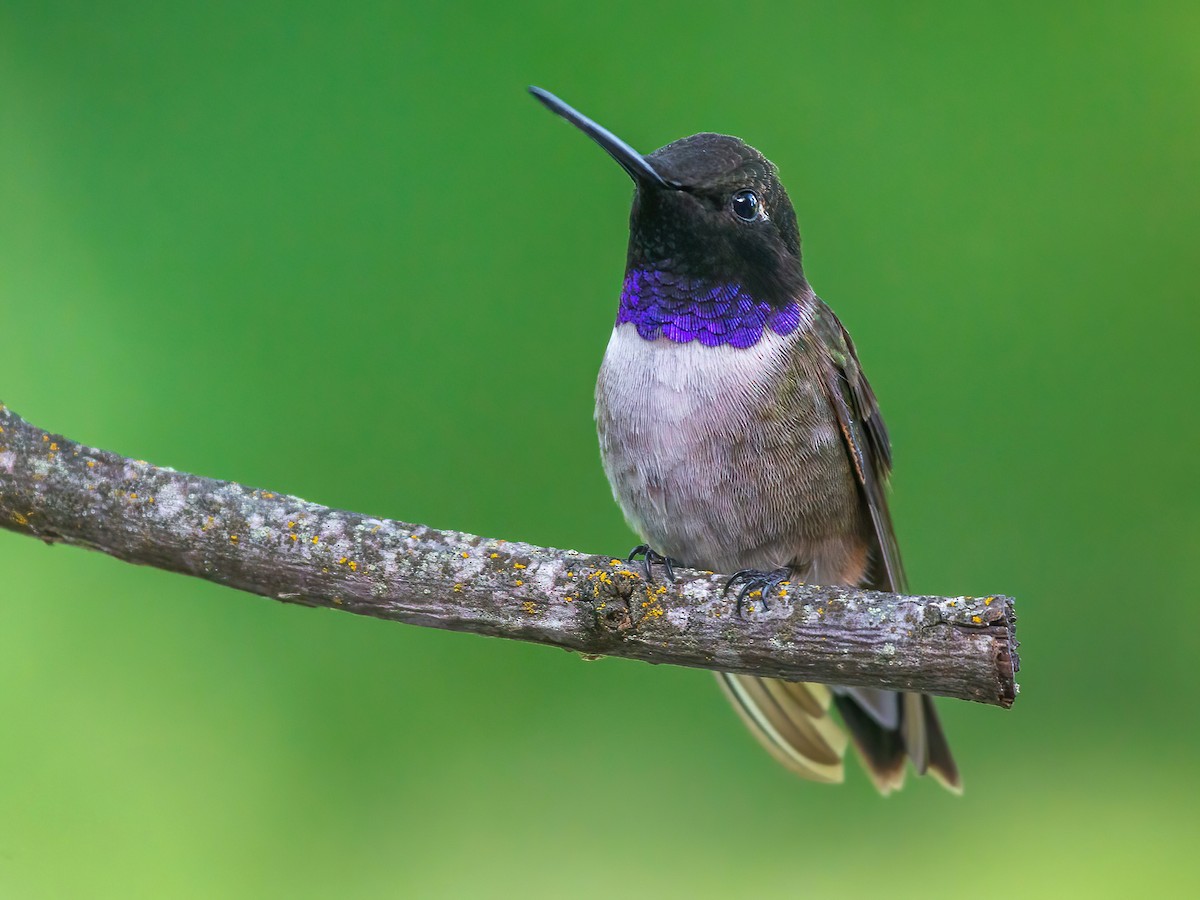
With metallic green bodies and iridescent violet throats in males, Black-chinned Hummingbirds are a common sight in western Oklahoma during the winter months. As the second most common hummingbird species in the state, they are often found in open woodlands, parks, and gardens, adding to the diverse array of bird species present. The males’ striking violet throat contrasts beautifully with their green bodies, while females exhibit a green cap and a white spot behind the eyes.
To attract Black-chinned Hummingbirds, consider setting up nectar solutions in feeders and planting nectar-rich flowers they prefer. Observing these hummingbirds in western Oklahoma provides a unique opportunity to witness their vibrant colors and graceful flight patterns. Their presence enriches the local ecosystem and contributes to the overall charm of the region during the winter season. Next, let’s delve into the characteristics of the Broad-tailed Hummingbird, another fascinating species found in Oklahoma.
4. Broad-tailed Hummingbird

Moving from the Black-chinned Hummingbird to the Broad-tailed Hummingbird, a distinct species found in specific elevations and exhibiting unique physical characteristics. Broad-tailed Hummingbirds are commonly seen in Oklahoma’s mountain meadows and open woodlands, thriving at elevations ranging from 5,000 to 10,500 feet. The males of this species boast a striking appearance with a green head, back, and tail, complemented by an iridescent red throat. In contrast, female Broad-tailed Hummingbirds are larger in size, featuring lightly speckled throats, white upper breasts, brownish bellies, and green heads and backs. These hummingbirds only grace Oklahoma with their presence from late May to early August, engaging in promiscuous mating behavior during the breeding season. To attract these fascinating birds to your area, consider setting up nectar feeders and planting nectar-rich flowers to create a welcoming habitat that mirrors their natural mountainous environment.
5. Calliope Hummingbird
![Calliope hummingbirds are the smallest birds in the US, weighting only 2-3 grams! They feed on nectar and help pollinate many species of flowering plants [OC] : r/Awwducational](https://i.redd.it/jb2035u2mt991.jpg)
Calliope Hummingbirds, the smallest species in North America, are distinguished by the rose-red streaks on the throat of males. These tiny hummingbirds showcase remarkable iridescence in their throat feathers, creating a captivating sight for birdwatchers. Found primarily in the Pacific Northwest during breeding seasons, females exhibit green backs, white breasts, and buff sides, contrasting with the vibrant hues of their male counterparts. Calliopes are known for their distinctive high-pitched buzzing sound as they zip through the air, a unique characteristic among hummingbird species. Their nectar-feeding habits make them frequent visitors to gardens with nectar feeders and native flowers, where they play a crucial role in pollination. Although rare in Oklahoma, these agile flyers may pass through the state during their migration periods, adding a touch of elegance and charm to the local birding experience.
6. Anna’s Hummingbird

Native to the western coast of North America, Anna’s Hummingbirds, a prominent hummingbird species, are easily identifiable by their striking pinkish-red throats and shimmering metallic green backs. These year-round residents, particularly prevalent in regions like California, Oregon, and Washington, are a common sight in urban and suburban areas. To attract hummingbirds like Anna’s Hummingbirds, consider incorporating red or orange flowering plants in your garden or setting up hummingbird feeders filled with a sugar-water solution.
Male Anna’s Hummingbirds are known for their elaborate vocal displays, using complex songs and calls to mark territories and court potential mates. Their food source primarily consists of nectar from flowers but may also include small insects for additional protein. By providing a variety of nectar-rich blooms and maintaining clean feeding stations, you can create an inviting environment for these dazzling birds to frequent. Next, let’s delve into the unique characteristics of Allen’s Hummingbirds.
7. Allen’s Hummingbird
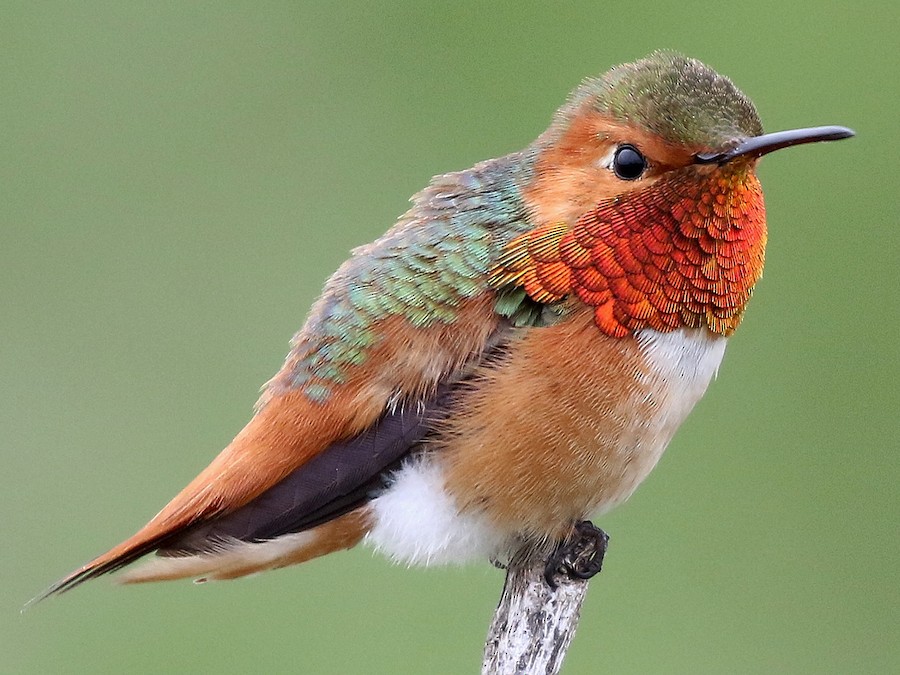
Allen’s Hummingbirds, distinguished by their metallic green back, rusty-orange sides, and varying shades of red throat, are primarily located along the Pacific Coast and are infrequent visitors to Oklahoma. These tiny birds thrive in coastal habitats where they can find ample nectar sources to fuel their high-energy lifestyles. The males of this species are known for their dazzling aerial displays, showcasing their agility and vibrant colors to attract potential mates. During the winter months, Allen’s Hummingbirds undertake a remarkable journey, migrating all the way to Mexico to escape the colder temperatures.
| Allen’s Hummingbird | Facts |
|---|---|
| Back | Metallic green |
| Throat | Varying shades of red |
| Habitat | Coastal regions |