

Discover Washington’s diverse hummingbird species: Rufous, Anna’s, Calliope, Black-chinned, Broad-tailed, Allen’s, and Costa’s. Rufous flaunts fiery plumage and territorial antics. Anna’s, a year-round resident, showcases intricate nests and aerial displays. Calliope, nesting in mountains, creates camouflaged nests and emits distinctive chirps. Black-chinned, a rare breeder, thrives in steppe habitats with shimmering throats. Broad-tailed, a rare vagrant, stuns with rose-red throats in meadows. Allen’s, not native but migratory, displays vibrant colors and unique courtship. Costa’s, found in southwestern US, boasts violet crowns and plays vital pollination roles. Uncover the world of Washington hummingbirds.
1. Rufous Hummingbird
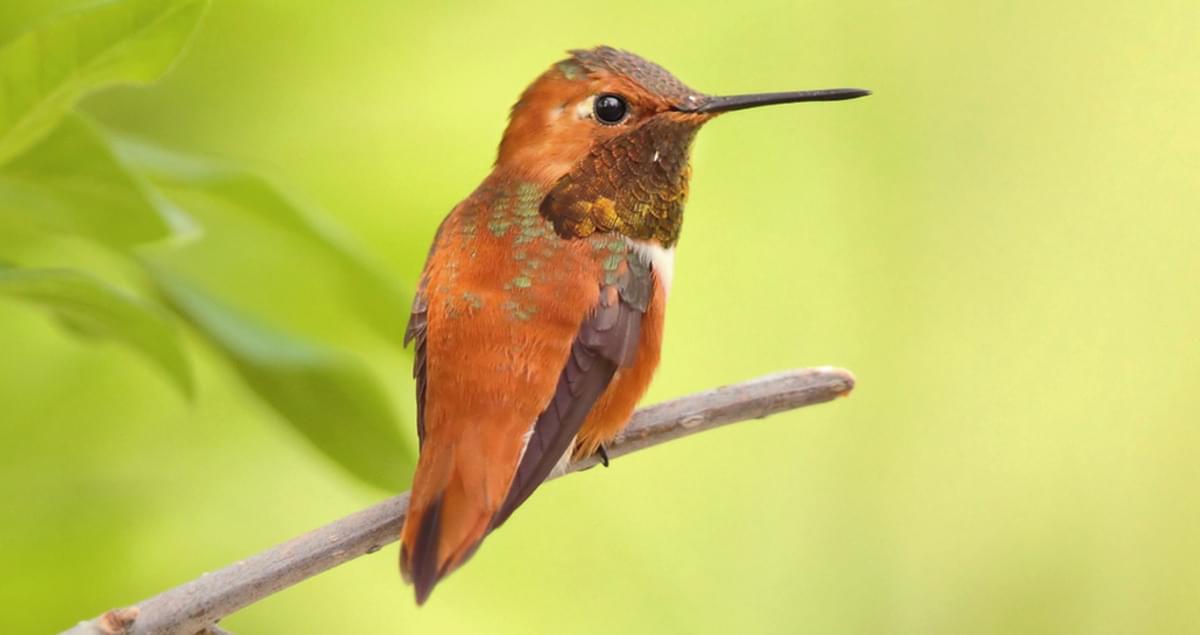
The Rufous Hummingbird, known for its vibrant plumage and assertive behavior, is a common sight in Washington during the nesting season. These tiny birds, with males boasting glossy orange-red throats that shimmer in the sunlight, are a delight to observe as they flit around the mountainous regions where they typically build their nests. However, what many may not realize is that these feisty hummingbirds actually migrate south for the winter months. Their wintering grounds are found in Mexico and parts of Central America, making them one of the few hummingbird species that leave North America during the colder seasons.
During their time in Washington, from February to April, Rufous Hummingbirds showcase their fearless nature and aggressive behavior towards other birds, often engaging in territorial disputes and aerial battles. This behavior is crucial for them to establish and defend their nesting territories, ensuring the survival of their offspring. So, next time you spot a Rufous Hummingbird in Washington, admire not just their beauty but also their tenacious spirit in the face of competition.
2. Anna’s Hummingbird

Anna’s Hummingbirds, native year-round residents in Washington State, are known for their vibrant colors and unique behaviors, making them a delightful sight for birdwatchers in the region. Nesting habits of Anna’s Hummingbirds involve constructing intricate cup-shaped nests using plant fibers, down, and spider silk, typically placed on branches for protection. These tiny birds prefer to feed on nectar from tubular flowers, with their long, specialized beaks adapted for this purpose. Additionally, they consume small insects and spiders for protein, supplementing their diet. Mating rituals among Anna’s Hummingbirds are fascinating to observe, often involving the male performing elaborate aerial displays to attract a female. These displays may include steep dives, fast horizontal flights, and vocalizations to establish dominance and court the female. The male’s vibrant iridescent throat patch, or gorget, plays a crucial role in attracting a mate during these courtship rituals, showcasing the bird’s beauty and agility in flight.
3. Calliope Hummingbird
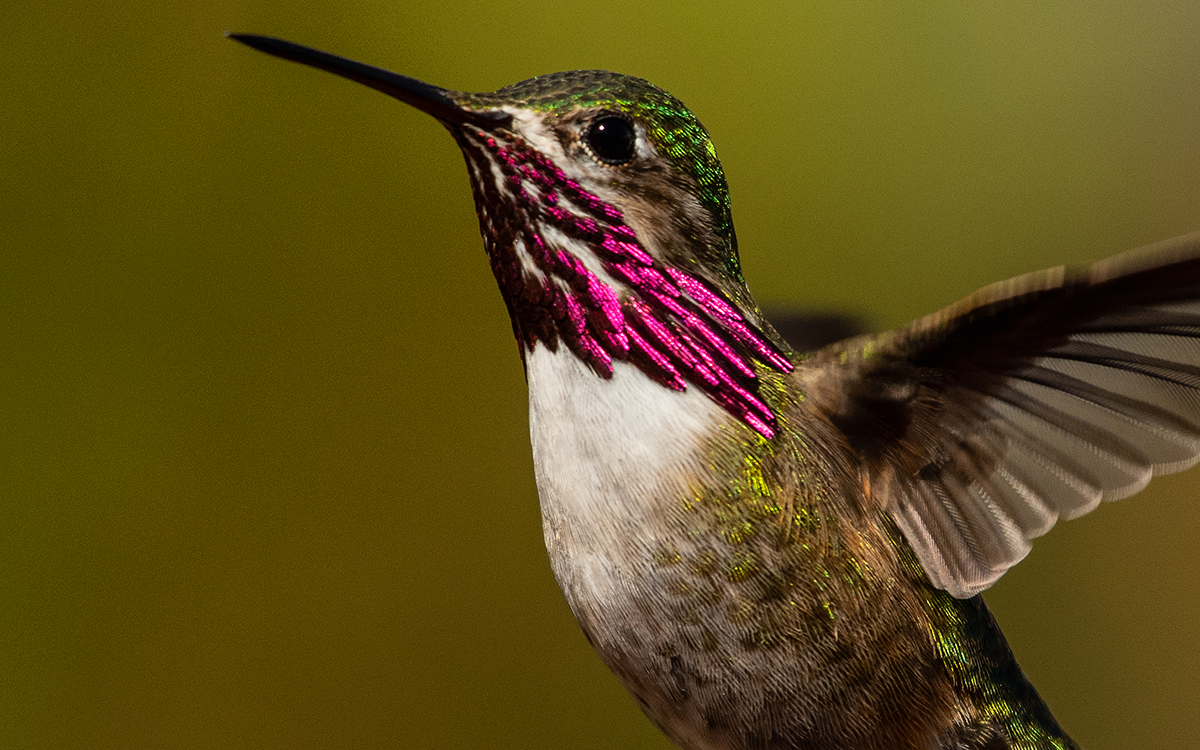
Among the hummingbird species native to Washington State, the Calliope Hummingbird stands out for its unique characteristics and behaviors. Calliopes nest in the mountains of Washington from March to August, preferring areas with abundant wildflowers for nectar. During nesting, the female constructs a small cup-shaped nest using plant fibers, downy materials, and spider silk, camouflaging it with lichens and moss.
Migration patterns of Calliope Hummingbirds see them leaving Washington after the nesting season. They travel south or east for the winter months, seeking warmer climates. Despite their small size, Calliopes are adept flyers, emitting distinctive chirping sounds during flight. Their migration plays a crucial role in maintaining populations across different regions.
Conservation efforts are essential to protect these hummingbirds, as they face threats from habitat loss, climate change, and pesticide use. Preserving mountain habitats with diverse floral resources is key to supporting Calliope Hummingbird populations. By raising awareness and implementing conservation measures, we can ensure the continued presence of these fascinating birds in Washington’s ecosystem.
4. Black-chinned Hummingbird
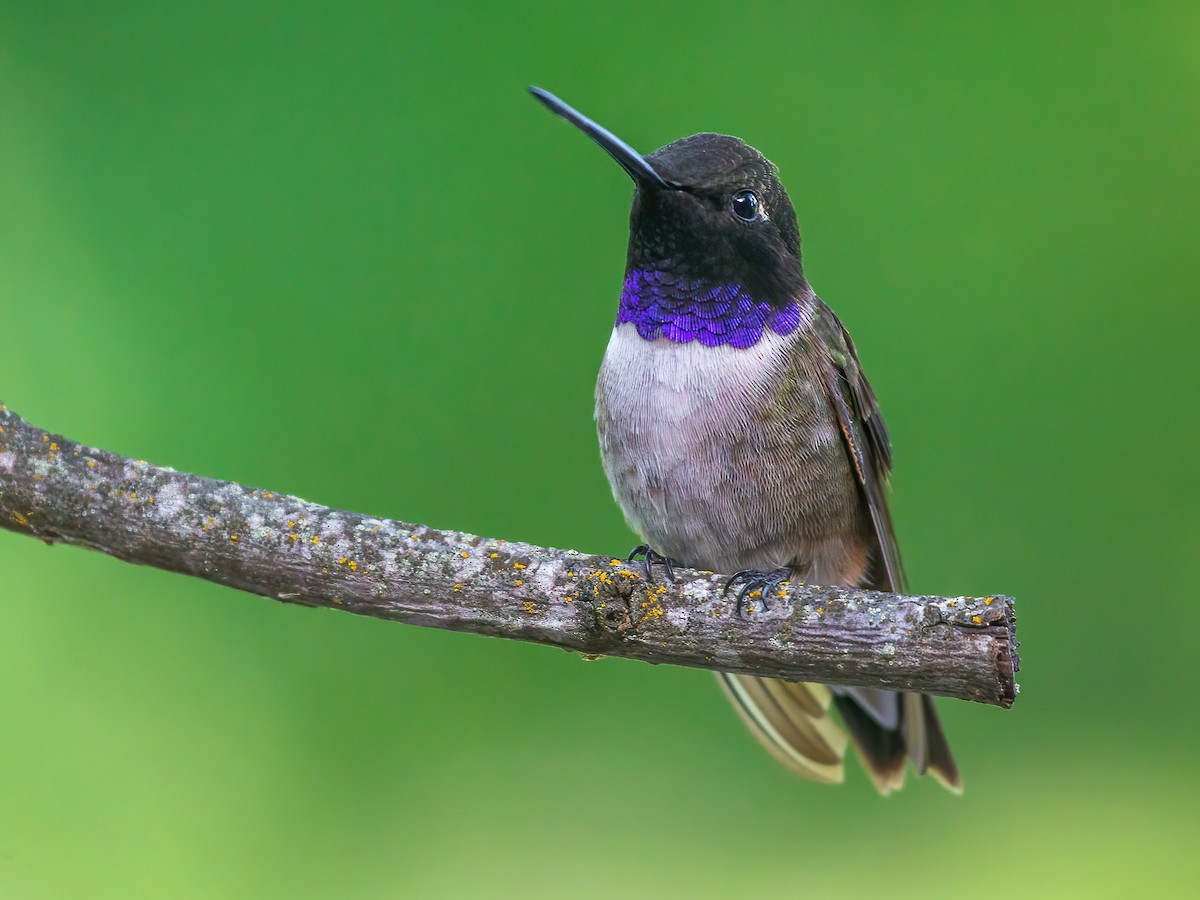
Approximately 8,000 Black-chinned Hummingbirds are estimated to migrate to Washington State during the breeding season. These hummingbirds are the least common breeding species in the state. They exhibit distinct migration patterns, returning to their wintering grounds by June. Black-chinned Hummingbirds prefer habitats characterized by steppe and Ponderosa pine zones, where they can find suitable nesting sites.
During the breeding season, male Black-chinned Hummingbirds display their shimmering black throat feathers, a feature that distinguishes them from other species. Females, on the other hand, have a paler coloration below with a green back. Their breeding behaviors involve selecting secure locations for their nests, often in shrubs or trees.
Despite being the least common breeding hummingbird in Washington, conservation efforts are crucial to monitor their population trends and ensure their habitat remains protected. Understanding their habitat preferences and nesting habits is vital for conserving the Black-chinned Hummingbird population in the state.
5. Broad-tailed Hummingbird

The Broad-tailed Hummingbird, a rare vagrant in Washington, is known for nesting in mountain forests and meadows. These stunning creatures showcase a unique set of characteristics:
- Courtship Displays: Males display their iridescent rose-red throats during intricate aerial displays to attract mates.
- Iridescent Throat and Flashy Plumage: The males’ vibrant throat is a sight to behold, contrasting with the more understated green backs of females.
- Mountain Forests and Meadow Habitats: These hummingbirds prefer breeding in the serene mountain forests and meadows, making sporadic appearances in Washington.
- Rare Beauty: The occasional sightings of Broad-tailed Hummingbirds in Washington add a touch of rarity to the state’s hummingbird diversity, making each encounter a special moment.
With their enchanting courtship rituals, striking colors, and preference for unique habitats, encountering a Broad-tailed Hummingbird in Washington is truly a memorable experience.
6. Allen’s Hummingbird

Allen’s Hummingbird, scientifically known as Selasphorus sasin, is not a native species to Washington State but can be observed in the region during migration seasons. These hummingbirds primarily breed along the Pacific Coast from Oregon to California. During migration patterns, Allen’s Hummingbirds can be spotted in Washington as they move between their breeding and wintering grounds. Male Allen’s Hummingbirds are known for their vibrant orange-red throats, a striking feature that plays a crucial role in their courtship displays. One of the most remarkable courtship behaviors of the Allen’s Hummingbird is the ‘dive display,’ where males plummet from great heights before pulling up sharply, creating a distinctive sound with their tail feathers. When it comes to breeding habits, these hummingbirds construct small cup-shaped nests using plant fibers, down, and spider silk, typically placing them on thin, horizontal branches. Understanding their migration patterns, courtship displays, and breeding habits provides valuable insights into the behavior and ecology of the Allen’s Hummingbird.
7. Costa’s Hummingbird

Inhabiting the southwestern United States and Mexico, Costa’s Hummingbird, scientifically known as Calypte costae, displays a striking violet crown and throat complemented by a green back and sides. Here are some fascinating facts about Costa’s Hummingbird:
- Courtship Behavior: Costa’s Hummingbirds are known for their intricate courtship displays, which include rapid dives and U-shaped flights. These displays are not only mesmerizing but also essential for attracting mates.
- Habitat Preferences: These hummingbirds prefer habitats such as desert scrub, chaparral, and oak woodlands. Their choice of habitats reflects their adaptability to arid environments.
- Pollination Significance: Costa’s Hummingbirds play a crucial role in pollination within their range. Their long, slender bills and ability to hover in front of flowers make them effective pollinators for a variety of flowering plants.
- Distinctive Appearance: Besides their violet crown and throat, the green back and sides of Costa’s Hummingbirds add to their unique and beautiful appearance, making them a delight to observe in their natural habitats.