

Enhance your turnip crop by planting legumes, alliums, and herbs to boost soil fertility and repel pests. Pair with brassicas and cabbage family plants for mutual growth benefits and pest resistance. Add marigolds and mint for insect deterrence and soil health. Incorporate garlic, onions, and leafy greens for natural pest control and nutrient uptake. Pro tip: plant garlic to deter pests and boost flavor, interplant radishes for soil health, and use thyme to repel pests. Avoid potatoes to prevent attracting harmful insects. These companion plants will elevate your turnip harvest and garden ecosystem.
1. Legumes

Legumes such as peas and beans serve as valuable companions for turnips due to their nitrogen-fixing capabilities, enhancing soil fertility and promoting robust growth. When you plant legumes near turnips, you are leveraging their ability to fix nitrogen in the soil. This process not only provides a natural source of fertilizer for the turnips but also reduces the dependency on synthetic fertilizers, making your garden more sustainable. By establishing a symbiotic relationship with legumes, turnips can experience healthier growth and higher yields. This balanced ecosystem created by incorporating peas and beans not only benefits the turnips but also improves soil health overall. The result is increased garden productivity, where the interplay between these plants leads to a more fertile environment for your crops to thrive. Make the most of this natural partnership to boost the health and productivity of your turnip patch.
2. Alliums

Incorporating alliums like garlic, onions, and chives with your turnips not only enhances their growth but also helps ward off common garden pests. Alliums serve as excellent companions for turnips due to their pest-deterring properties. These plants naturally repel pests like aphids, cabbage worms, and carrot flies, protecting your turnip crop. Moreover, when grown alongside turnips, alliums can improve the soil structure and enhance fertility, creating a more conducive environment for turnip growth.
The strong odor emitted by alliums confuses pests, making it harder for them to locate your turnips, thus reducing the risk of damage. By strategically planting alliums near your turnips, you not only deter pests but also contribute to the overall health and productivity of your garden. Take advantage of the symbiotic relationship between turnips and alliums to create a thriving garden ecosystem that benefits both plants.
3. Herbs

Enhance the growth of your turnips and protect them from pests by strategically planting herbs like thyme and chives as companion plants. These herbs not only add flavor to your dishes but also play a vital role in maintaining a healthy garden ecosystem.
Here’s why herbs are excellent companions for turnips:
- Thyme: Known for its aromatic properties, thyme helps deter pests like cabbage worms, safeguarding your turnips from potential harm.
- Chives: These herbs repel aphids and carrot flies, acting as a natural pest deterrent for your turnip crop.
- Parsley and Cilantro: Apart from enhancing the taste of your meals, parsley and cilantro attract pollinators to your garden, aiding in the growth of turnips by ensuring proper pollination.
- Diverse Ecosystem: By planting a variety of herbs alongside your turnips, you create a diverse ecosystem that supports plant growth and attracts beneficial insects, fostering a healthy and thriving garden environment.
4. Brassicas
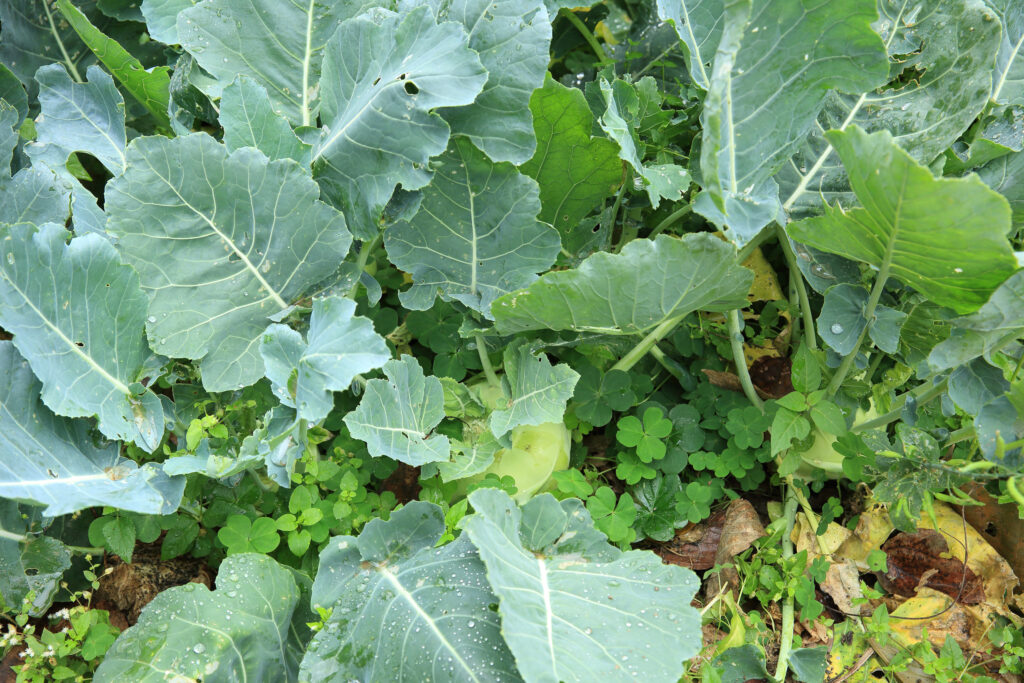
Pairing turnips with brassicas like broccoli and kale can significantly benefit your garden by promoting mutual growth and pest resistance. Brassicas, such as broccoli and kale, are excellent companions for turnips due to their shared growth requirements and natural pest resistance. By planting these together, you can create a dynamic environment that confuses pests, reducing the risk of infestations in your garden. Additionally, the interaction between turnips and brassicas enhances soil health by promoting nutrient exchange and biodiversity. Brassicas offer shade and protection for turnips, fostering a mutually beneficial relationship that supports the growth and yield of both crops. Consider the following table to understand the benefits of pairing turnips with brassicas:
| Benefits | Turnips & Brassicas |
|---|---|
| Pest Resistance | Mutual protection against pests |
| Soil Health | Nutrient exchange and biodiversity |
| Growth Support | Shared shade and growth requirements |
5. Marigolds
Marigolds, with their natural pest-repellent properties, are valuable companions for turnips in the garden. Here’s why you should consider planting marigolds alongside your turnips:
- Pest-Repellent: Marigolds emit a strong fragrance that acts as a natural deterrent for harmful insects such as nematodes, beetles, and aphids, protecting your turnip plants from damage.
- Beneficial Insects: These vibrant flowers also attract beneficial insects like ladybugs and hoverflies, which are natural predators of common turnip pests, creating a balanced ecosystem in your garden.
- Soil Health: Planting marigolds around turnips can help improve soil health. They suppress nematode populations, reducing the need for chemical pesticides that may harm the soil in the long run.
- Vibrant Flowers: Apart from their practical benefits, marigolds add a pop of color and beauty to the garden, enhancing its visual appeal while serving a crucial role in protecting your turnips.
6. Nasturtiums
:max_bytes(150000):strip_icc()/ms-companion-planting-getty-7bf2f8b2d00644ffaaebfb22353790ef.jpg)
Nasturtiums, known for their pest-repellent properties and edible blossoms, make a beneficial addition to your turnip garden. These vibrant flowers serve as excellent companion plants, helping to deter pests like aphids and cabbage worms. Furthermore, nasturtiums attract beneficial insects that aid in pollination and act as natural pest control agents in your garden.
Beyond their pest-repelling qualities, nasturtiums offer additional benefits. The peppery flavor of their edible blooms can enhance your salads or serve as decorative garnishes. Their sprawling growth habit can also act as ground cover, suppressing weeds and retaining soil moisture, which is particularly helpful for the neighboring turnip plants. By incorporating nasturtiums into your turnip garden, you not only create a visually appealing space but also promote overall plant health and productivity. Consider planting these versatile flowers near your turnips to enjoy the many advantages they bring to your garden.
7. Borage

Incorporating borage into your turnip garden can provide numerous benefits, making it a valuable companion plant for your crop. Here’s why borage is a fantastic addition to your garden:
- Attracts Pollinators and Beneficial Insects: Borage’s vibrant blue flowers draw in bees and beneficial insects, aiding in the pollination of your turnip plants.
- Flavor Enhancement: Known for enhancing the flavor of neighboring plants, borage can contribute to tastier turnips when grown together.
- Natural Pest Deterrent: By planting borage alongside your turnips, you can naturally repel pests, safeguarding your crop from harmful insects.
- Improves Resilience and Productivity: Borage’s ability to break up compacted soil not only benefits turnip growth but also contributes to creating a more resilient and productive garden ecosystem overall.
8. Peas and Beans
Peas and beans serve as valuable companion plants for turnips due to their nitrogen-fixing properties and beneficial impact on soil fertility. When planted alongside turnips, peas and beans contribute to the soil’s nitrogen content, essential for robust plant growth. This symbiotic relationship between turnips and legumes like peas and beans not only enhances the health of the plants involved but also improves the overall soil ecosystem, making it more fertile and productive. By incorporating peas and beans in your garden as companions to turnips, you can create a sustainable environment that boosts crop yield and supports plant development.
| Benefits of Peas and Beans as Companion Plants for Turnips |
|---|
| – Nitrogen-fixing properties enrich the soil |
| – Enhance soil fertility for healthier plant growth |
| – Boost overall crop yield |
| – Create a symbiotic relationship with turnips |
| – Contribute to a sustainable and productive garden |
9. Garlic and Onions
:max_bytes(150000):strip_icc()/GettyImages-1363298145-fd8bca5cdaef489fab975b0982290b2d.jpg)
Garlic and onions make excellent companions for turnips, providing natural pest deterrents and enhancing soil health for improved growth. When planting these alliums alongside your turnip crop, you are creating a mutually beneficial ecosystem that not only protects your plants but also boosts their overall vitality. Here’s why garlic and onions are ideal companions for your turnips:
- Natural Pest Control: Garlic and onions release pungent odors that confuse and deter pests like aphids, beetles, and caterpillars, safeguarding your turnip crop.
- Sulfur Compounds: Both garlic and onions contain sulfur compounds that act as natural fungicides, promoting a healthier environment for turnip growth.
- Soil Health: Planting garlic and onions near turnips can enhance soil structure, aiding in better nutrient uptake for your plants.
- Enhanced Growth: The presence of garlic and onions can lead to improved growth for turnips, creating a thriving garden ecosystem that benefits all plants involved.
10. Cabbage Family

Consider planting turnips alongside members of the cabbage family, such as broccoli and kale, for a harmonious and beneficial garden setup. The cabbage family, which includes these plants, serves as excellent companions for turnips. Not only do they confuse pests and reduce the risk of infestations in the garden, but they also have similar nutrient needs to turnips, making them compatible growing partners. By interplanting turnips with cabbage family crops, you can enhance soil health and boost overall garden productivity. This companion planting strategy creates a mutually beneficial environment where both types of plants thrive. The cabbage family plants not only offer protection to turnips but also contribute to the overall health of the soil, promoting better growth for all plants involved. This symbiotic relationship helps create a balanced ecosystem within your garden, fostering healthier plants and increased yields. So, next time you plan your garden layout, consider the advantages of planting turnips alongside members of the cabbage family for a successful and productive harvest.
11. Leafy Greens

Leafy greens, such as kale and spinach, serve as excellent companions for turnips in the garden due to their similar nutrient needs and pest-deterring properties. Here’s why planting them together can benefit your garden:
- Nutrient Needs: Kale and spinach have comparable requirements to turnips, making it easier to manage the soil’s nutrient balance when grown in close proximity.
- Pest Control: By interplanting turnips with leafy greens, you can naturally deter pests that target both crops, reducing the need for chemical interventions.
- Maximizing Space: Growing turnips alongside kale and spinach allows you to make the most of your garden space, ensuring a bountiful harvest from a limited area.
- Soil Health: Leafy greens contribute organic matter to the soil as they grow, enriching it with nutrients that benefit the overall health and development of turnips.
12. Mint

To enhance the growth and protection of your turnip plants, consider the benefits of planting mint as a companion in your garden. Mint serves as a natural pest control agent, repelling insects like ants, aphids, and flea beetles that can harm turnip plants. The strong aroma of mint acts as a deterrent by masking the scent of turnips, thus safeguarding them from potential infestations. Additionally, planting mint near your turnips can attract beneficial insects such as bees and hoverflies, which aid in pollination and contribute to overall plant health.
Due to its vigorous growth, mint is well-suited for container planting, allowing you to control its spread and prevent it from overtaking your garden. While mint provides valuable assistance in pest management and promoting beneficial insects, you can also harvest its leaves for culinary purposes, adding a fresh and aromatic flavor to your dishes. Consider incorporating mint in your garden as a companion plant to reap its pest-repellent properties and enjoy its culinary benefits alongside your turnip patch.
13. Companion Planting Tips

For successful companion planting with turnips, strategically interplanting specific herbs and vegetables can help deter pests and improve overall plant health. Here are some practical tips to create a thriving turnip garden:
- Planting Garlic: Garlic is a fantastic companion for turnips as it naturally deters pests like aphids and beetles. By interplanting garlic with turnips, you can help keep pests at bay while enhancing the flavor of your crops.
- Interplant Radishes: Planting radishes alongside turnips not only improves soil aeration but also aids in pest suppression. The radishes’ quick growth can help break up compacted soil, benefiting the turnips’ root development.
- Thyme Companion: Utilize thyme as a companion plant for turnips to repel pests and attract beneficial insects. Thyme’s aromatic properties can help deter pests while attracting pollinators essential for a healthy garden.
- Chives as Natural Pest Repellents: Chives act as natural pest repellents and attract pollinators when grown alongside turnips. Their pungent smell helps deter unwanted insects while supporting pollination.
Remember to avoid planting potatoes near turnips to prevent attracting harmful insects and altering flavor profiles. By following these companion planting tips, you can enhance your turnip garden’s health and productivity.