

To attract hummingbirds to your yard today, strategically choose native plants that provide shelter and food. Include a water source like a fountain to entice these tiny birds. Hang multiple feeders at different heights with bright-colored flowers nearby. Ensure proper feeder maintenance for fresh nectar. Create a safe and inviting environment with perches and shelter. Educate on conservation efforts to support these feathered visitors. Follow these foolproof methods to enjoy the delightful presence of hummingbirds in your yard. Further insights await on how to optimize your yard for these charming creatures.
Choose Native Plants Wisely

Selecting native plants wisely is crucial for attracting hummingbirds to your yard. When it comes to providing a suitable food source for these delicate creatures, opting for native flowering plants that are adapted to your specific region is key. In order to entice hummingbirds, it is essential to avoid invasive plants like honeysuckle and trumpet creeper, as they may not offer the appropriate nectar these birds need. Conducting thorough research online can help you identify native plants that are known to attract hummingbirds in your area. By creating a hummingbird-friendly garden bed filled with a variety of bright-colored flowers, you can significantly increase your chances of attracting these fascinating creatures. Remember, hummingbirds are drawn to vibrant hues, so incorporating flowers like salvia, bee balm, and trumpet vine can be particularly enticing. Providing a water source, such as a fountain or mister, can further enhance the appeal of your yard to hummingbirds.
Design a Hummingbird-Friendly Garden
:max_bytes(150000):strip_icc()/bee-balm-growing-guide-5204121-hero-530cd469e4e54b939d87ba4a5915ca32.jpg)
When creating a hummingbird-friendly garden, the first things to consider are selecting native flowering plants and incorporating vibrant hues to attract these fascinating creatures to your yard. Choose plants like bee balm, cardinal flower, and trumpet vine, as they are known to entice hummingbirds with their nectar-rich blooms. Opt for flowers in shades of red, orange, and pink to catch the attention of hummingbirds, as these colors are particularly attractive to them. Additionally, create a diverse garden bed with a variety of flower shapes and sizes to provide nectar sources for different hummingbird species that may visit your garden.
To ensure a continuous food supply for hummingbirds, include plants that bloom at different times throughout the year. This strategy will guarantee that there is always a source of nectar available for these tiny birds. Furthermore, planting shrubs and trees in your garden will not only provide additional nectar sources but will also offer perches and shelter for hummingbirds to rest and feel secure while visiting your garden.
Avoid Invasive Species
To create a hummingbird-friendly environment, it is crucial to be mindful of avoiding invasive species in your garden. Invasive plants like honeysuckle and trumpet creeper can outcompete native plants, disrupt local ecosystems, and may not provide the necessary nectar or habitat for hummingbirds to thrive. Opting for native plants is essential as they are better suited for local environments, support the natural food chain, and ultimately benefit hummingbirds by providing the resources they need to flourish.
- Choose Native Plants: Select native flora over invasive species to ensure a suitable habitat for hummingbirds.
- Research Online: Look for lists of native plants suitable for your region to attract hummingbirds while steering clear of invasive species.
- Promote Biodiversity: By favoring native plants, you can create a hummingbird-friendly garden that promotes biodiversity and sustainability for these delightful creatures.
Provide a Water Source

Consider incorporating a water source such as a fountain or birdbath in your yard to attract hummingbirds with the soothing sound and accessibility they prefer. Hummingbirds are drawn to the sound of moving water, making a fountain or mister an excellent choice to entice these beautiful creatures. Additionally, a shallow birdbath with gentle movement or dripping water can serve as a perfect water source for hummingbirds to both bathe and drink from.
To ensure the water source is appealing to hummingbirds, keep it clean and fresh to prevent the spread of diseases among these delicate birds. Adding rocks or pebbles to the water source can offer resting spots for hummingbirds while they drink or bathe. Remember to place the water source in a visible and open area in your yard, making it easily accessible and noticeable to hummingbirds passing by. By providing a suitable water source, you can enhance the attractiveness of your yard to these charming creatures.
Hang Multiple Feeders

Maximize your chances of attracting hummingbirds by strategically hanging multiple feeders throughout your yard. By implementing this approach, you can create an enticing environment that appeals to these beautiful birds. Here are some expert tips to guide you:
- Diverse Locations: Place feeders in different areas of your yard to attract hummingbirds from various directions.
- Vary Heights and Distances: Hang feeders at different heights and distances apart to prevent territorial disputes and allow multiple hummingbirds to feed simultaneously.
- Different Feeder Designs: Utilize a variety of feeder styles to cater to the preferences of different hummingbird species that may visit your yard.
Implementing these strategies can significantly increase the likelihood of hummingbirds frequenting your yard. Providing a diverse and abundant food source is essential for attracting these delightful creatures, making hanging multiple feeders one of my favorite methods for inviting hummingbirds into your outdoor space.
Use Bright-Colored Flowers
Enhancing your yard with bright-colored flowers is a proven method to attract hummingbirds effectively. These tiny birds are naturally drawn to vibrant colors like red, orange, and pink, which signal a high nectar content. Opt for flowers such as bee balm, salvia, and trumpet vine to create an enticing environment for hummingbirds. The tubular shapes of flowers like penstemon and fuchsia make it easier for hummingbirds to access nectar with their long bills, ensuring they can feed comfortably.
To provide a continuous food source for visiting hummingbirds, plant a variety of bright-colored flowers in your garden. Consider incorporating species like cardinal flower and columbine to not only attract these beautiful birds but also to create a visually appealing landscape. By strategically placing these bright floral displays around your yard, you can increase the chances of attracting and delighting hummingbirds in your outdoor space.
:max_bytes(150000):strip_icc()/GettyImages-1821680647-eff29dfb7ca5493989f697b56df49862.jpg)
Say No to Pesticides
To safeguard the well-being of hummingbirds in your yard, it is imperative to refrain from using pesticides that can pose serious risks to these delicate creatures. Pesticides have detrimental effects on hummingbirds as they can contaminate their food sources and lead to various health issues. By opting for natural pest control methods, you can create a safer environment for these beautiful birds to thrive. Here are three key reasons why saying no to pesticides is the first step in attracting hummingbirds to your yard:
- Protecting Wildlife: Avoiding pesticides not only safeguards hummingbirds but also other beneficial wildlife in your yard.
- Preserving Ecosystem Balance: Pesticides disrupt the natural balance of ecosystems and can harm essential pollinators like hummingbirds.
- Safer Environment: Eliminating pesticide use creates a secure and healthy environment where hummingbirds can flourish without unnecessary risks.
Offer Perches for Rest
Providing natural perches is essential for hummingbirds to rest and conserve energy in your yard. Placing small branches or twigs near your feeders or nectar-rich flowers is one thing you can do to attract these delightful creatures. Hummingbirds need these perches to take short breaks between their feeding sessions, allowing them to recharge their energy levels efficiently. When setting up perches, ensure that they are not overcrowded, giving the hummingbirds enough space to rest comfortably without feeling cramped.
To cater to different hummingbird species, it is advisable to offer multiple perching options at various heights. This diversity in perches accommodates the varying preferences of hummingbirds, making your yard more inviting to a broader range of these tiny birds. By strategically situating perches in your garden, you provide essential resting spots for hummingbirds while also enhancing the overall beauty of your outdoor space.

Provide Shelter Options
Consider incorporating a variety of shelter options in your yard to create a safe and inviting space for hummingbirds. Whether they’re resting, nesting, or seeking refuge from predators, providing suitable shelter is essential for their well-being. Here are three effective ways to offer shelter options for hummingbirds:
- Plant Shrubs and Trees: By planting shrubs and trees in your yard, you create natural hiding spots where hummingbirds can rest and hide from predators.
- Install Hummingbird Houses: Setting up hummingbird houses or nesting boxes offers additional shelter options for nesting and roosting, enhancing the safety of your yard for these tiny birds.
- Create a Hummingbird-Friendly Environment: Develop a hummingbird-friendly environment with dense vegetation and tall grasses, allowing the birds to seek refuge and feel secure while visiting your yard.
Educate on Conservation
Enhancing awareness on hummingbird conservation is paramount to safeguarding their habitats and populations. By educating others on the importance of hummingbird conservation, you play a crucial role in preserving these delicate creatures and their ecosystems. Human activities such as deforestation and climate change have a significant impact on hummingbirds, making it vital to spread awareness about these threats.
Encouraging sustainable gardening practices is key to creating a hospitable environment for hummingbirds without disrupting their ecosystems. By supporting local organizations or initiatives focused on hummingbird conservation efforts, you contribute to larger-scale protection measures for these birds.
It is essential to raise awareness about the challenges facing hummingbirds and the actions individuals can take to help protect them. By sharing information on hummingbird conservation, you empower others to make informed decisions that benefit these beautiful creatures and ensure their continued presence in our environment.
Ensure Proper Feeder Maintenance
To ensure hummingbirds thrive in your yard, meticulous feeder maintenance is key to providing them with a safe and reliable food source. When it comes to feeder maintenance, attention to detail is crucial. Here are some precise steps to follow:
- Regular Cleaning: Put mine feeder maintenance routine by regularly cleaning and changing the hummingbird food every 3-4 days. This practice helps prevent mold and spoilage, ensuring the nectar is fresh and safe for the hummingbirds.
- Strategic Placement: Hang feeders in shaded areas to prolong the freshness of the nectar. This simple step can help keep the nectar from spoiling too quickly, providing a more reliable food source for the hummingbirds.
- Monitor and Refill: Keep a close eye on the feeder levels and refill as needed. By monitoring the levels, you ensure that the hummingbirds always have access to the food they need to thrive in your yard.
:max_bytes(150000):strip_icc()/where-to-put-a-hummingburd-feeder-GettyImages-2056400858-423f60d6b0204e578f0630758fc41aaf.jpg)
Monitor Feeder Cleanliness
Regularly monitoring the cleanliness of your hummingbird feeders is essential to ensuring a safe and healthy environment for these delicate birds in your yard. To effectively monitor feeder cleanliness, inspect them for any signs of mold, discoloration, or debris. Clean the feeders with a solution of hot water and vinegar to prevent mold and bacteria growth, which can be harmful to hummingbirds. It is crucial to change the hummingbird food every 3-4 days, especially in hot weather, to maintain freshness and prevent spoilage. Ensure that the feeding ports are clear and unclogged to allow easy access for the hummingbirds to the nectar. By maintaining the cleanliness of your feeders, you can also help prevent the spread of diseases among hummingbirds. Stay vigilant in monitoring and cleaning your feeders regularly to create a welcoming and safe feeding environment for these delightful birds in your yard.
Create a Safe Environment
Ensure the presence of perches and shelter in your yard to create a safe environment for hummingbirds to rest and feel secure. Providing these features will not only offer the hummingbirds a place to perch and observe their surroundings but also allow them to rest without expending excessive energy. To create a safe environment for these delicate creatures, consider the following:
- Perches: Place small branches or thin rods in your yard where hummingbirds can rest between feeding and flying.
- Shelter: Add birdhouses or natural structures like dense shrubs and trees to offer protection from predators and harsh weather conditions.
- Avoid Hazards: Keep your yard free of glass panes, sharp objects, or other obstacles that may harm hummingbirds during their visits.
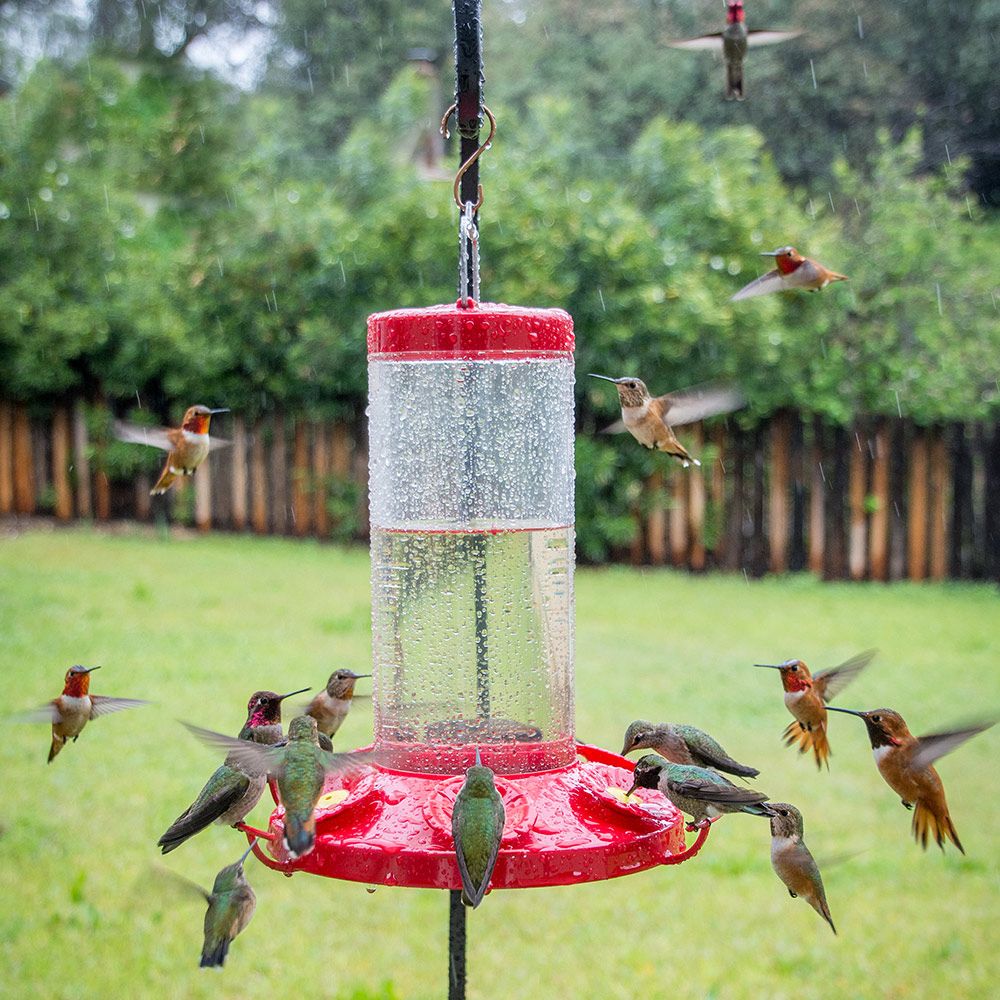
Track Hummingbird Visits
Record and monitor hummingbird activity in your yard by utilizing various tracking methods and tools. Keeping a detailed journal or log will help you track the times and locations where hummingbirds visit. Note down observations such as feeding times and interactions with other birds. Smartphone apps like eBird or Merlin Bird ID can assist in recording hummingbird sightings and even help identify different species that visit your yard. For a more visual approach, consider setting up a trail camera or webcam near your feeders to capture hummingbird visits throughout the day. Make sure to position the camera properly to get clear footage without disturbing the birds. Additionally, take note of the specific flowers or plants that hummingbirds are drawn to in your garden. Sharing your hummingbird sightings with local birding groups or online communities not only enhances your tracking efforts but also contributes to valuable citizen science projects. Tracking hummingbird visits will not only help you understand their behavior but also provide valuable insights into their preferences and habits.
Enjoy Watching Your Guests
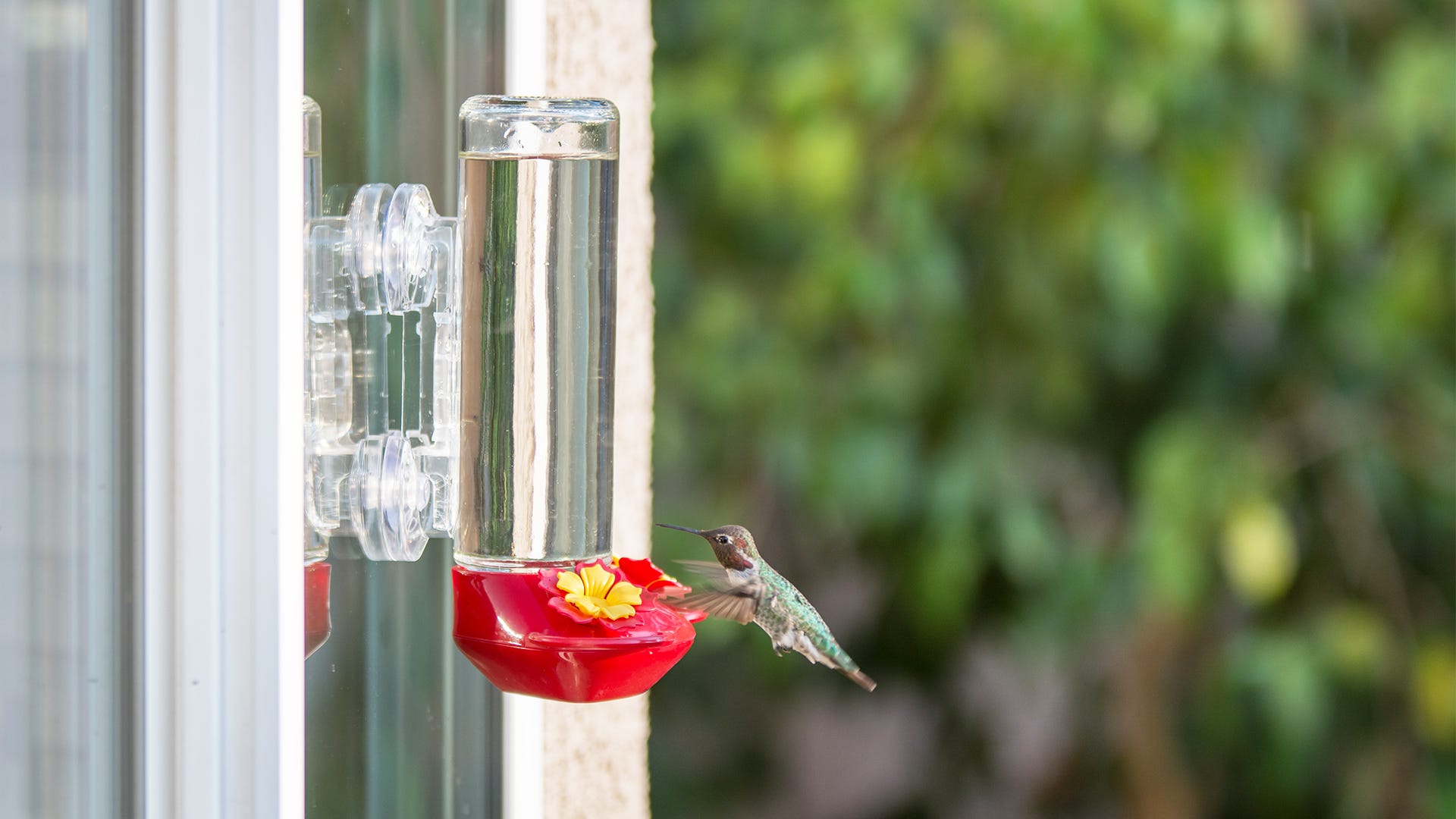
Position your feeders and plants strategically to optimize your viewing pleasure of the delightful hummingbird guests in your yard. To fully enjoy watching these mesmerizing creatures, follow these expert tips:
- Strategic Placement: Ensure your feeders and plants are located near windows or a comfortable seating area where you can observe the hummingbirds without causing them distress.
- Use Optical Aids: Enhance your viewing experience by using binoculars or a camera with a zoom lens to get a closer look at the intricate details of these tiny birds.
- Create a Relaxing Space: Set up a cozy seating area near your hummingbird-friendly garden, complete with a comfortable chair or bench, to sit back and appreciate the beauty of nature as the hummingbirds come along.