

Hummingbirds, known for their daytime feeding frenzy, mostly avoid eating at night to conserve energy. While they typically stick to daylight hours, you may catch the occasional night-feeding hummer in areas with lots of bird activity. These exceptions are more common in places like Arizona. If you’re curious about their nocturnal habits, the behavior of these tiny creatures might surprise you with their adaptability.
Nocturnal Feeding Behavior

Hummingbirds typically refrain from feeding at night due to their inherent diurnal feeding patterns. However, instances of hummingbirds venturing out to feed at night have been observed, especially in areas with abundant bird populations. It is crucial to note that these night-feeding hummers are not the norm but rather an exception to their usual behavior.
In regions like Arizona, where hummingbird populations are plentiful, it is not uncommon to witness these tiny birds feeding under the cover of darkness. In such cases, precautions may need to be taken, such as removing feeders at night to prevent them from being depleted by other animals like bats.
Photographic evidence captures the rare sight of hummingbirds feeding at night, shedding light on this fascinating behavior. While nocturnal feeding is not a regular occurrence for hummingbirds, it highlights their adaptability to varying circumstances and resource availability. Maintaining awareness of these behaviors can aid in the conservation and protection of these remarkable avian species.
Daylight Feeding Habits
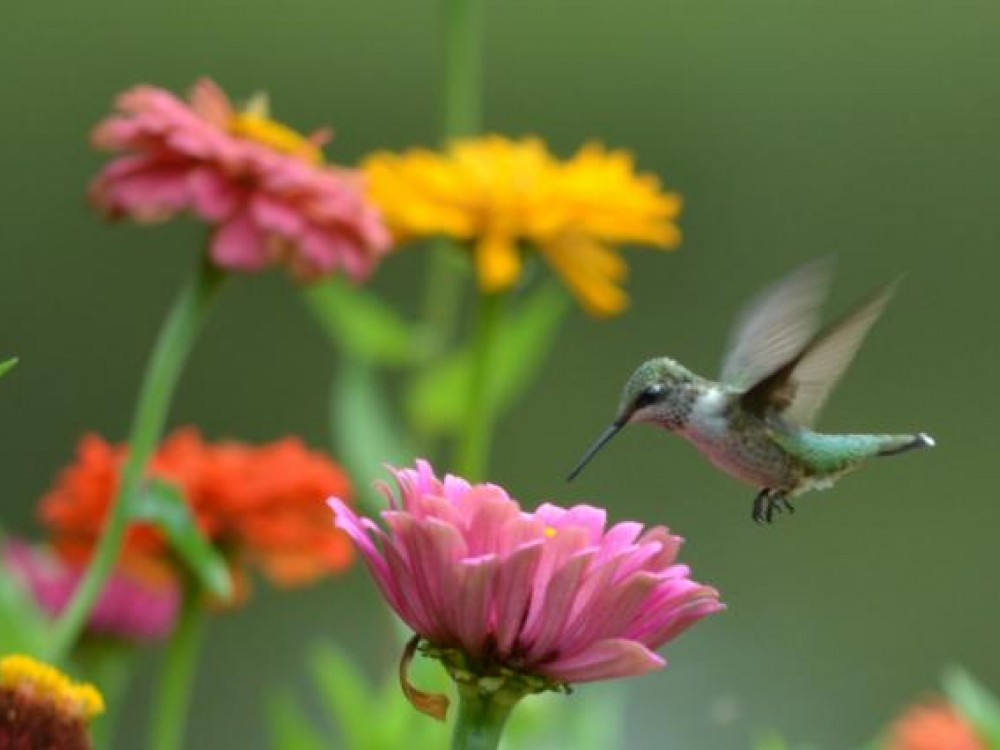
During daylight hours, hummingbirds engage in frequent feeding sessions to sustain their high metabolic needs. These tiny birds must consume large amounts of food to keep up with their rapid energy expenditure. You can often see hummers feeding on nectar from flowers or sugar water in feeders throughout the day. Their long, slender bills are perfectly adapted for reaching deep into tubular flowers to extract the sweet liquid they rely on for energy.
To keep the hummers coming back, it’s essential to provide a consistent food source. Planting a variety of nectar-rich flowers in your garden or hanging multiple feeders can help attract these beautiful birds. Hummingbirds are known for their agility and aerial acrobatics, allowing them to hover near flowers while feeding. Their fast metabolism demands a constant intake of calories, making frequent feeding stops a necessity for their survival.
Energy Consumption Patterns
Have you ever wondered how hummingbirds manage their energy consumption patterns to support their high metabolism? Hummingbirds have evolved unique strategies to cope with their energy demands. While they primarily feed during the day, some instances of hummers feeding at night have been observed, especially in areas with abundant bird populations. These nighttime feeding events are usually linked to the availability of food sources. Hummingbirds are known to feed on insects during these nighttime foraging sessions, which provide them with essential nutrients and energy.
To better understand the energy consumption patterns of hummingbirds, let’s take a look at the table below:
| Time of Day | Activity | Energy Consumption |
|---|---|---|
| Daytime | Feeding at flowers | High |
| Nighttime | Foraging for insects | Moderate |
| Nighttime | Resting and conserving energy | Low |
Pre-Sleep Feeding Rituals

Engage in pre-sleep feeding rituals to observe how hummingbirds prepare for their restorative torpor state. Before settling in for the night, hummingbirds exhibit fascinating behaviors as they fuel up for the upcoming period of reduced activity. Here’s what you might observe:
- Intense Feeding Activity: Hummingbirds will often engage in a flurry of feeding right before dusk, consuming ample nectar to sustain them through the night.
- Strategic Plant Selection: These tiny birds are selective in their choice of flowers, opting for high-energy nectar sources to meet their metabolic demands during torpor.
- Hovering Behavior: You might notice hummingbirds hovering around feeders or flowers, carefully extracting nectar with their specialized beaks.
- Quick Flight Movements: Their agile flight is crucial during these feeding sessions, allowing them to access nectar efficiently before dusk fades into night.
Torpor State Explanation
In the torpor state, hummingbirds undergo a remarkable physiological process to conserve energy and survive challenging environmental conditions. During torpor, these tiny birds enter a deep sleep where their metabolism slows down significantly, almost to the point of suspended animation. This state allows hummingbirds to lower their energy needs, crucial for surviving cold nights and food scarcity. The duration of torpor can vary, and hummingbirds can enter and exit this state multiple times a day to adapt to changing environmental conditions. By utilizing torpor, hummingbirds can thrive in diverse habitats and climates.
When discussing torpor in relation to nighttime foraging, it becomes evident that this physiological mechanism is crucial for nocturnal energy expenditure. Understanding hummingbirds’ sleep patterns and feeding strategies during torpor sheds light on how they navigate challenging conditions. This adaptation highlights the intricate balance between energy conservation and survival in the fascinating world of hummingbirds.

Metabolism During Torpor
During torpor, hummingbirds undergo a drastic reduction in metabolism to conserve energy and support their survival through cold nights and periods of food scarcity. This metabolic regulation allows them to enter a state of dormancy where physiological adaptations kick in to help them endure the challenges of the night.
- Metabolic Regulation: Hummingbirds lower their metabolic rate significantly during torpor to conserve energy.
- Energy Conservation: Torpor enables hummingbirds to slow down their bodily functions and save energy for survival.
- Physiological Adaptations: Metabolism in torpor can drop to just a few beats per minute, aiding hummingbirds in enduring cold temperatures and food scarcity during the night.
- Survival Mechanism: This energy-saving mechanism is crucial for hummingbirds to withstand the challenges of the night without the need to feed constantly.
In essence, through these metabolic adjustments and physiological changes, hummingbirds can navigate through the night efficiently, ensuring their survival until the break of dawn.
Dawn Feeding Routine
With their high metabolism requiring constant refueling, hummingbirds typically commence their dawn feeding routine. These tiny birds exhibit crepuscular habits, meaning they are most active during dawn and dusk. During the morning feeding sessions, hummingbirds primarily consume nectar from flowers, tree sap, and small insects to meet their energy demands throughout the day. The dusk foraging behavior is crucial for hummingbirds as it allows them to stock up on nutrients before resting during the night.
As the sun rises, hummingbirds engage in a flurry of activity, visiting numerous flowers to sip on nectar rich in sugars for a quick energy boost. This morning routine is vital for sustaining their rapid metabolism and flight capabilities. By maximizing their feeding efforts during the day, hummingbirds ensure they have enough fuel to support their constant hovering and high-speed flight patterns. So, next time you catch a glimpse of these remarkable creatures flitting around your garden in the early hours, remember they are diligently fueling up for another busy day ahead.

Nighttime Energy Conservation
At night, hummingbirds employ a unique energy conservation strategy known as torpor, slowing their metabolism significantly to survive without the need for feeding. This nighttime energy-saving mechanism allows hummingbirds to conserve their limited fat reserves for essential functions during the night. Here are some key points regarding hummingbirds’ nighttime energy conservation:
- Torpor is a state where hummingbirds reduce their energy expenditure to survive the night.
- This strategy helps them maintain their high metabolic rates during the day.
- By entering torpor at night, hummingbirds can conserve energy for vital activities.
- Hummingbirds typically do not engage in nighttime foraging due to their decreased activity levels and metabolic rate.
These sleep cycle adaptations and energy-saving strategies enable hummingbirds to thrive despite their tiny size and high energy demands, emphasizing their remarkable ability to adapt to different environmental conditions.
Feeding Frequency in Darkness
Feeding frequency in darkness for hummingbirds is primarily limited due to their diurnal feeding patterns. Hummingbirds are known for their remarkable agility and energy, which are attributes best utilized during daylight hours. While these tiny birds may occasionally engage in nighttime foraging, nocturnal nectar consumption or late-night feeding habits are not common occurrences. Their feeding behaviors are intricately tied to the availability of light, with most feeding activity concentrated from dawn to dusk. Hummingbirds, being diurnal creatures, typically rest and conserve energy during the nighttime hours. It is during these periods of darkness that they seek shelter and prepare for the next day’s activities. By understanding the natural rhythms of hummingbirds and their preference for daylight feeding, you can appreciate the importance of providing ample food sources during the day to support their energetic lifestyle. Remember, maintaining a consistent feeding schedule and ensuring access to nectar-rich flowers or feeders from morning to evening will help sustain these delightful birds.
Hummingbird Food Intake at Dusk
During the twilight hours, hummingbirds exhibit a notable increase in their nectar intake to fuel their overnight fasting period. Evening nectar consumption is a critical aspect of their survival strategy, ensuring they have enough energy to sustain themselves during the night. Here are key facts about hummingbird food intake at dusk:
- Increased Nectar Intake: Hummingbirds feed heavily at dusk, consuming larger quantities of nectar to build up energy reserves for the night.
- Nighttime Foraging Habits: These tiny birds rely on their dusk feeding habits to gather sufficient food to carry them through the night when floral resources are scarce.
- Dusk Feeding Strategies: Hummingbirds employ specific feeding techniques during dusk, such as selecting nectar-rich flowers and feeding more frequently to meet their energy requirements.
- Energy Conservation: By consuming more food at dusk, hummingbirds can conserve energy during the night, relying on stored reserves to fuel their high metabolism until the break of dawn.

Sleep-Induced Energy Preservation
As hummingbirds prepare for their nightly rest, they engage in a remarkable physiological adaptation known as torpor to preserve energy through the night. This survival tactic involves a significant metabolic slowdown, where these tiny birds lower their body temperature and heart rate to conserve energy. Before entering torpor, hummingbirds go into a feeding frenzy, consuming nectar or insects to sustain themselves during the night. This behavior is essential for their survival, especially during cold nights or when food is scarce.
During torpor, hummingbirds exhibit energy efficiency by minimizing their activity and conserving resources. This sleep-induced energy preservation allows them to endure periods of fasting and survive through unfavorable conditions. While hummingbirds are not typically seen feeding at night due to their nocturnal rest, their nighttime foraging and midnight snacking play a crucial role in ensuring they have enough energy to make it through until the next dawn. Through torpor and strategic feeding habits, hummingbirds have evolved remarkable mechanisms to thrive in their environments.
Nocturnal Food Search Strategy
When considering the nocturnal food search strategy of hummingbirds, their behavior reveals intriguing adaptations to navigate the challenges of nighttime foraging. Hummingbirds, known for their diurnal feeding habits, rarely engage in nighttime nectar consumption. However, in areas with high hummingbird populations, instances of late-night foraging have been observed, indicating their flexibility in seeking nourishment. These midnight energy intake sessions are a unique phenomenon that showcases the hummingbirds’ ability to adapt to varying environmental conditions.
- Hummingbirds exhibit rare nighttime foraging behaviors.
- Instances of late-night nectar consumption are more common in regions with abundant bird populations.
- Photos captured in areas like Arizona show hummingbirds feeding at night, highlighting their adaptability.
- Maintaining feeders at night might be necessary to prevent depletion by other nocturnal animals, such as bats.
Hummingbird Feeding Schedules

Hummingbird feeding schedules are primarily diurnal, aligning with their high metabolism and energy requirements for active daylight foraging. These tiny birds rely on nectar-rich flowers and feed from dawn to dusk to sustain their rapid metabolic rate. While it is uncommon to witness hummingbirds feeding at night, some instances of nighttime foraging have been noted. These moonlight feasts might occur when insects are attracted to artificial light sources, providing an additional food source.
Typically, hummingbirds rest and conserve energy during the night, slowing down their metabolism. However, ensuring a consistent food supply during the day remains crucial for their survival. In rare cases where hummingbirds do feed at night, providing a warm feeder in the morning can help prevent potential issues like brain freeze.